Samsung Galaxy Z Flip 8 Preview: Everything You Need to Know
SammyGuru is reader-supported. We have affiliate and sponsored partnerships, so we may earn a commission when you buy through links on our site — at no extra cost to you. Learn more.
Recent rumors have sparked speculation that Samsung could eventually discontinue the Galaxy Z Flip lineup. While those claims remain unverified, one thing is certain: the company is preparing to launch a new Flip this year. The Galaxy Z Flip 8 has already appeared in multiple certifications and leaks, with an official unveiling expected alongside new Fold models in late July.
And despite rumors of discontinuation, Samsung appears to be fully focused on delivering the best Flip experience this year. The Galaxy Z Flip 8 looks set to bring notable upgrades in performance, battery life, AI capabilities, and durability. From its design and displays to performance, cameras, battery life, software, and Galaxy AI features, here’s everything you need to know about the upcoming Flip.
Disclaimer: This article is based entirely on leaks, rumors, industry reports, and unofficial information surrounding the Galaxy Z Flip 8. Since Samsung has not officially confirmed these details, specifications, features, pricing, and launch plans may change over time. We will regularly update this article to reflect the latest reports and developments as they emerge. Last updated on June 9, 2026.
Table of contents
- Design and Hardware
- Displays
- Performance (Key specs)
- Cameras
- Software
- Battery and Charging
- Launch and Pricing
Design and hardware
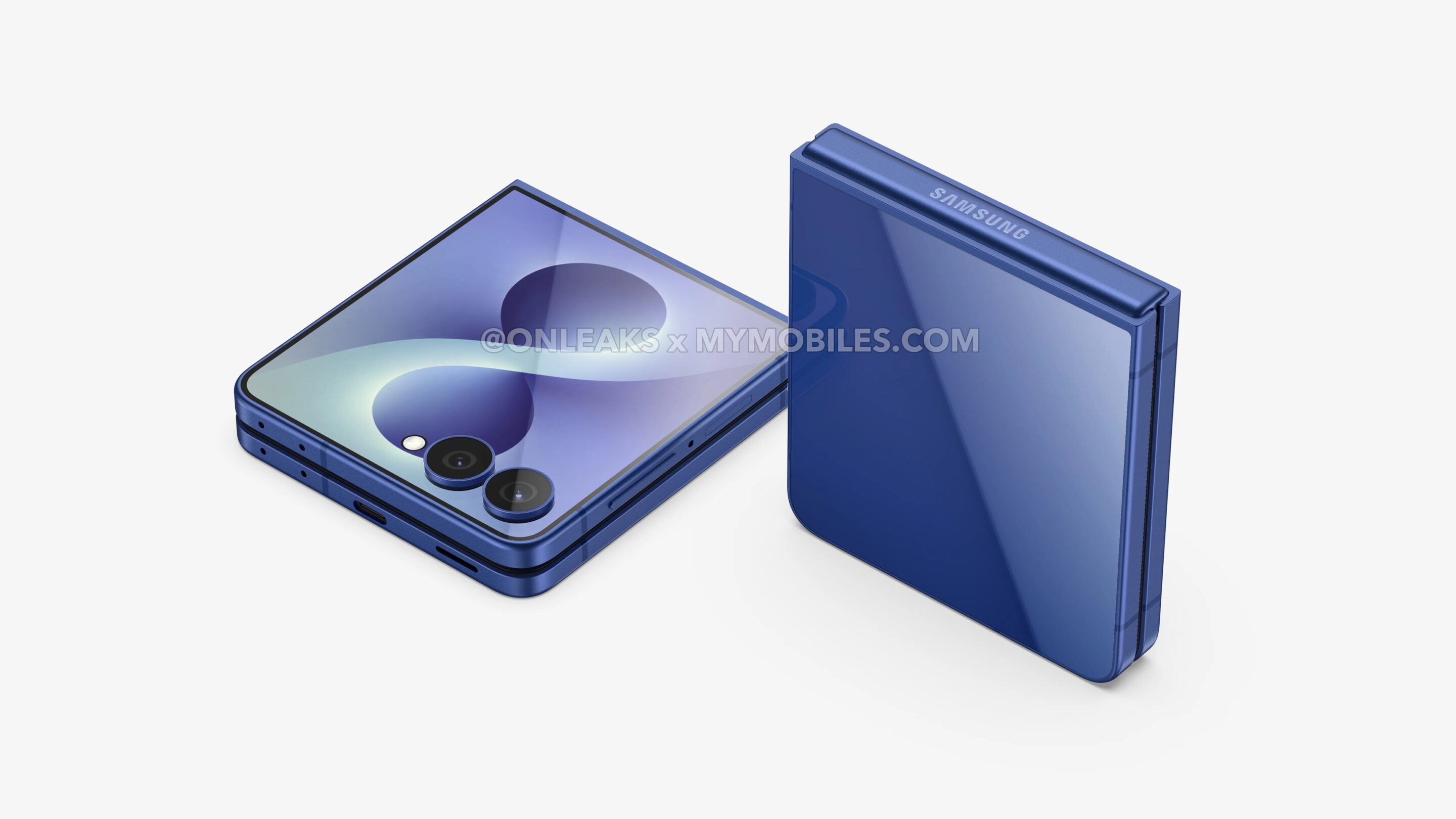
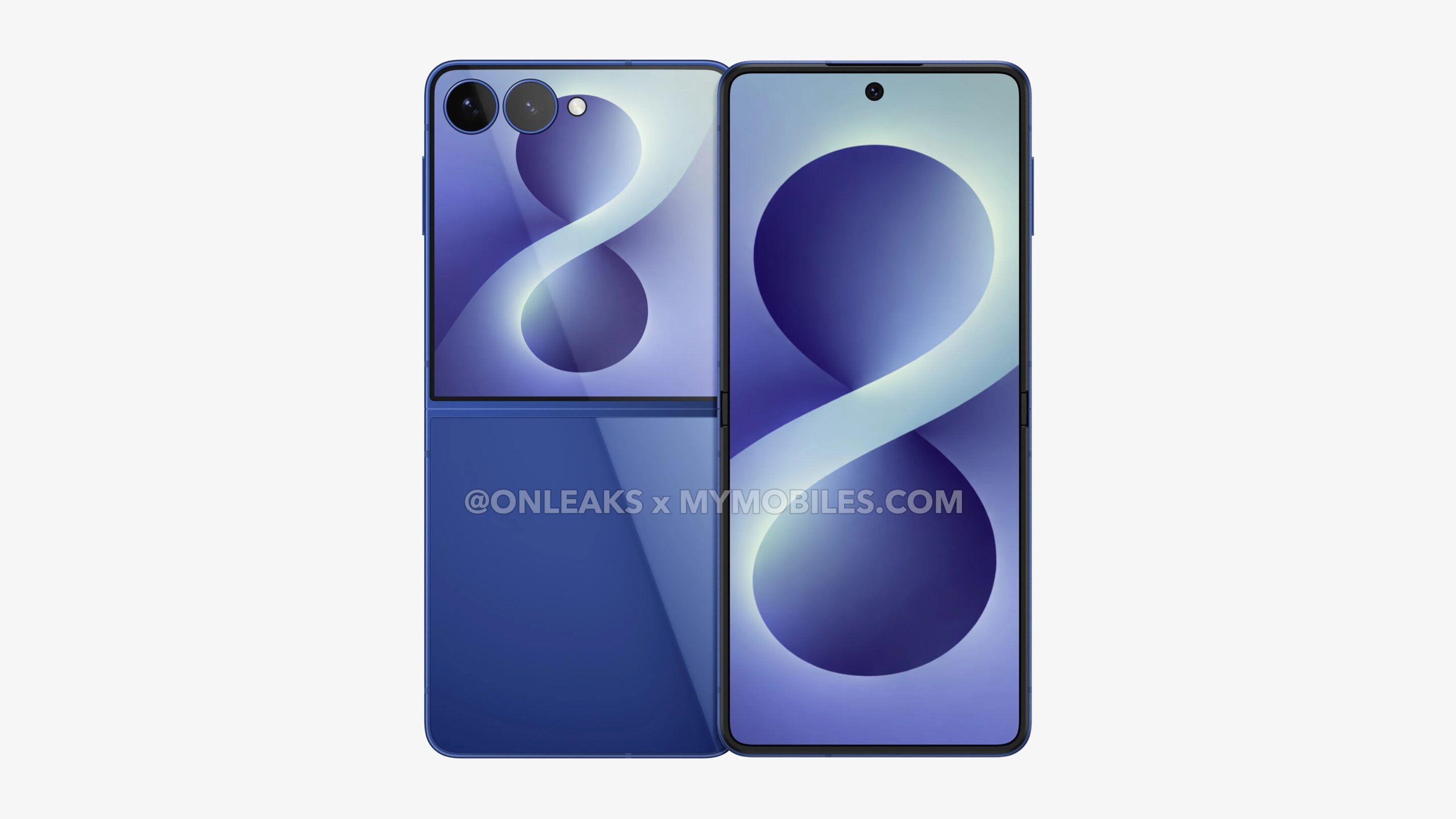
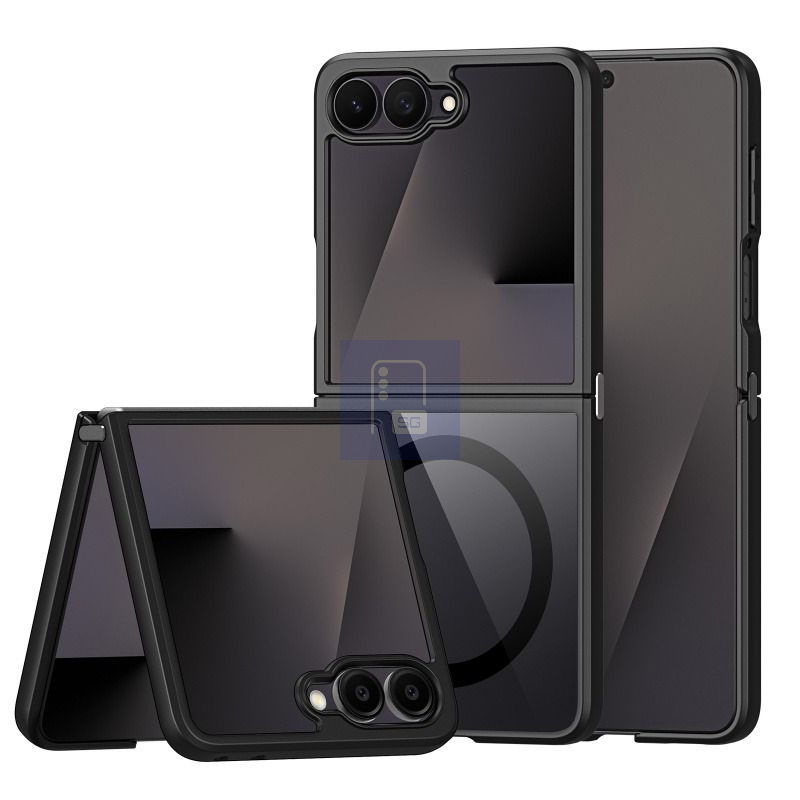
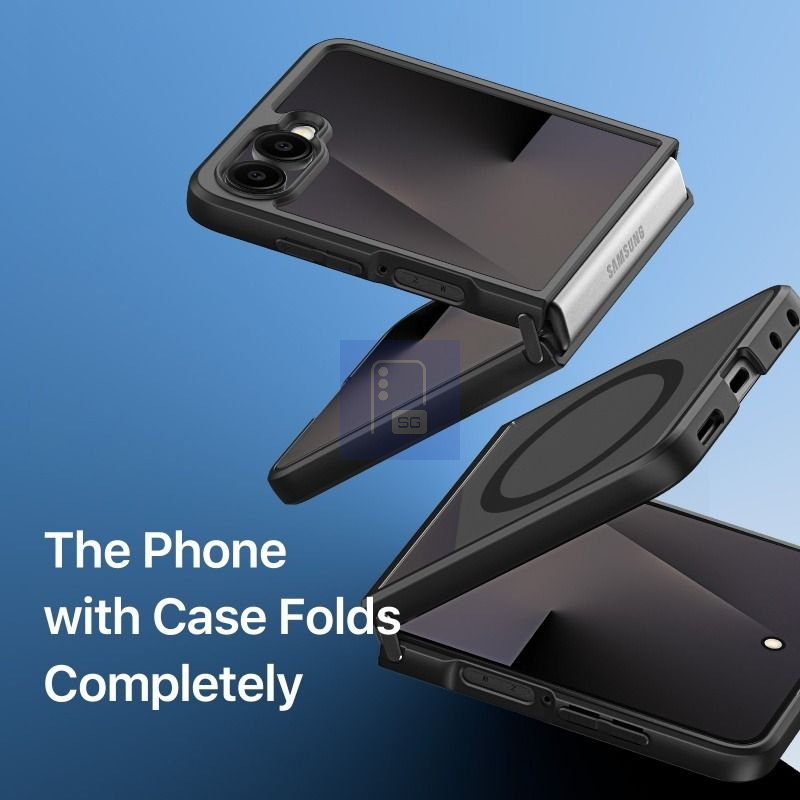
If you’re expecting Samsung to completely reinvent the Flip this year, the Galaxy Z Flip 8 may not be the device you’re looking for. Nearly every leak so far suggests the company is sticking with the familiar clamshell design that has defined the series in recent years. Early case images and renders show a phone that looks almost identical to the Galaxy Z Flip 7 at first glance.
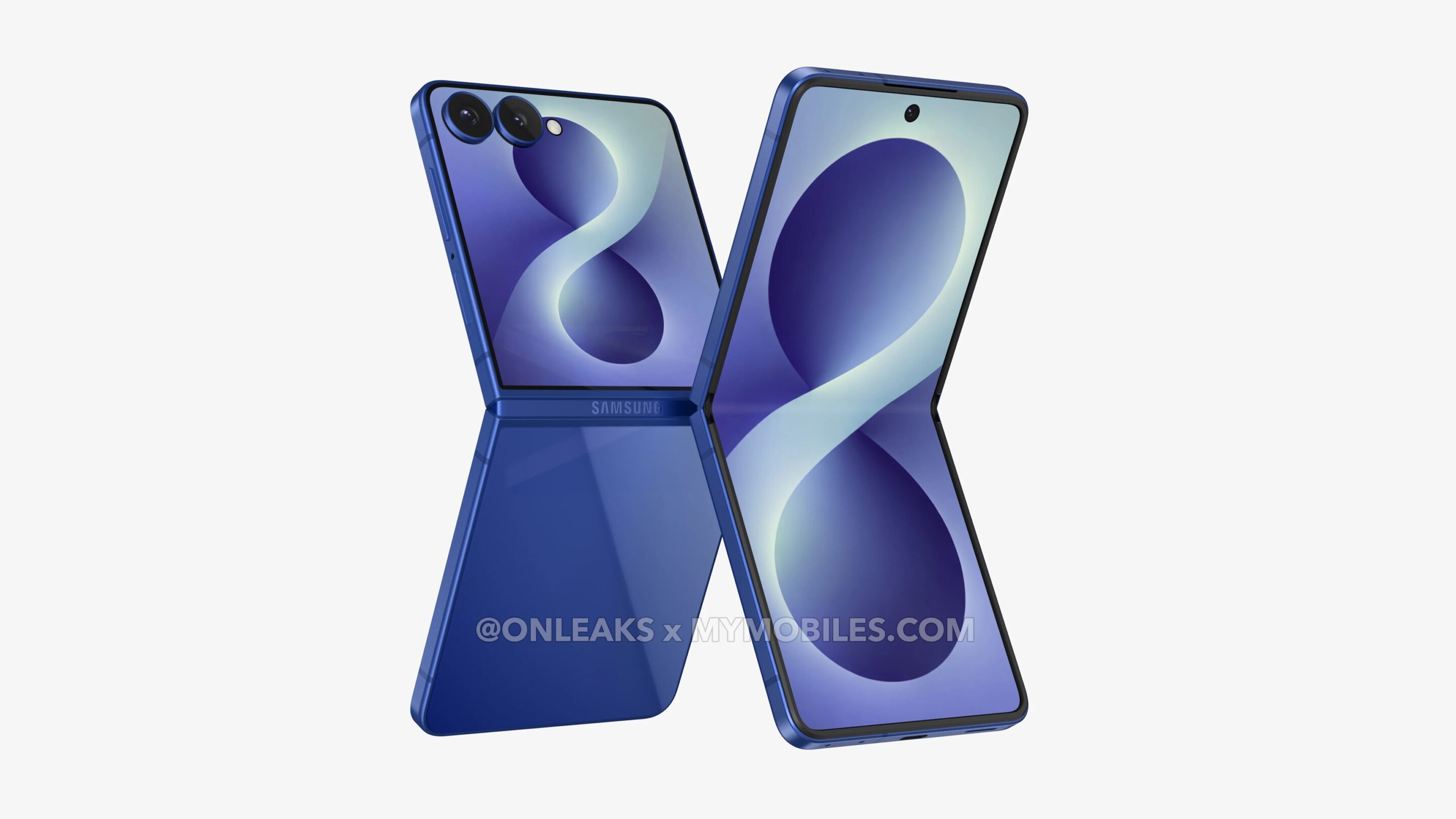
That doesn’t mean Samsung isn’t making improvements. Rather than focusing on a major redesign, the company appears to be continuing its strategy of gradual refinement. The Galaxy Z Flip 8 is rumored to be slightly thinner than its predecessor, measuring around 13.2mm when folded (down from 13.7mm). At roughly 180 grams, it could also shed about 8 grams compared to the Flip 7.
Samsung is also expected to make smaller upgrades that may not be immediately obvious in leaked images, such as slimmer display bezels, a more durable hinge mechanism, and better overall durability. The phone is rumored to retain an IP48 rating for dust and water resistance. It should also feature stereo speakers and a side-mounted fingerprint scanner integrated into the power button.
Displays
Considering design similarities with the 2025 model, Samsung is unlikely to make major changes to the Flip 8’s displays. According to leaks, the phone will retain the same screen sizes as its predecessor, featuring a large 6.9-inch foldable Dynamic AMOLED 2X main display and a 4.1-inch FlexWindow cover screen on the outside.
The internal display is expected to offer an FHD+ resolution and an adaptive refresh rate of up to 120Hz for smoother scrolling, animations, and gaming. The cover display should also support a 120Hz refresh rate, making interactions on the outer screen feel just as fluid.
Brightness is unlikely to be an issue either. Both displays are rumored to reach up to 2,600 nits of peak brightness and support HDR10+. This ensures good visibility outdoors and a more vibrant viewing experience when watching supported content. The cover screen is also expected to be protected by Gorilla Glass Victus 2 for added durability.
Samsung significantly increased the size and usefulness of the cover screen (aka Flex Window) last year, allowing users to run apps, reply to messages, control media playback, and access widgets without opening the phone. As a result, the company doesn’t appear to be focusing on hardware changes this year. Instead, the Galaxy Z Flip 8 may bring new software features and additional functionality that make better use of the screen.
Could Samsung finally reduce the crease?
One of the most interesting rumors surrounding Samsung’s 2026 foldables concerns the display crease. Several reports suggest the company has developed a new hinge design and improved ultra-thin glass technology that could make the crease significantly less noticeable than before.
However, most of those rumors specifically focus on the Galaxy Z Fold 8 and Fold 8 Ultra. There haven’t been many credible reports suggesting the Galaxy Z Flip 8 will receive the same near “crease-free” treatment. That’s not surprising, as reducing the crease on a vertically folding clamshell device presents a different set of engineering challenges.
Even so, the Flip 8 could still benefit from Samsung’s broader advancements in foldable display technology. If the company has improved its hinge mechanism and display stack, the crease may become less visible and less noticeable to the touch, even if it isn’t completely eliminated.
Performance (key specs)
The processor situation is shaping up to be one of the most interesting aspects of the Galaxy Z Flip 8. Unlike last year’s Flip 7, which used the Exynos 2500 globally, reports suggest the company may once again split production between different chipsets depending on the market. Some regions may get the Exynos 2600, Samsung’s 2nm chip that powers certain Galaxy S26 models. Buyers in the US and select other regions may get the Snapdragon 8 Elite Gen 5. It’s a TSMC-made 3nm processor also found inside the S26 Ultra.
The rumored shift isn’t necessarily about performance. Industry reports suggest it could come down to cost. While Samsung’s 2nm process represents a technological leap, Qualcomm’s latest flagship chip is manufactured on TSMC’s mature 3nm node, which reportedly offers higher yields and lower production costs. That could make the Snapdragon variant more economical for Samsung in certain markets.
Expect performance improvements
Regardless of which chip ends up powering the device in your region, the Galaxy Z Flip 8 should deliver meaningful performance gains over its predecessor. Users can expect faster AI processing, improved battery efficiency, stronger CPU performance, and more capable graphics hardware. These improvements will be particularly important as Samsung continues to expand Galaxy AI features across One UI.
Memory and storage options are expected to remain unchanged. Current leaks suggest Samsung will offer the Galaxy Z Flip 8 with 12GB of RAM paired with either 256GB or 512GB of internal storage. There have been no credible reports of a 1TB model, which isn’t surprising given Samsung’s history with the Flip lineup.
The rest of the connectivity package should be thoroughly modern. Expect support for Wi-Fi 7, Bluetooth 6.0, NFC, and a USB-C port capable of transfer speeds of up to 5Gbps. While none of these specifications are particularly surprising for a 2026 flagship, they should ensure the Galaxy Z Flip 8 remains competitive in everyday use for years to come.
Cameras
Leaks suggest the Galaxy Z Flip 8 will stick with the same hardware found on its predecessor, relying on software improvements and AI enhancements to deliver a better photography experience. The rear camera setup is expected to consist of a 50MP primary sensor paired with a 12MP ultrawide camera. On the front, the device may feature a 10MP unit for selfies, video calls, and facial recognition.

There have been no credible reports pointing to the addition of a telephoto camera or any other significant hardware changes. However, that doesn’t necessarily mean image quality will remain unchanged. Samsung continues to invest heavily in computational photography and Galaxy AI features. The company may improve photo and video output on the Flip 8 through better image processing, smarter scene recognition, enhanced night photography, and upgraded editing tools.
Video capabilities should remain competitive as well. Current rumors suggest all cameras will support 4K video recording, at up to 60fps, along with 10-bit HDR and Super HDR for improved color reproduction and dynamic range. It remains unclear whether the 50MP primary camera will support 8K video recording at 30fps. While technically possible depending on the chipset, no leaks have mentioned the feature so far.
Software
On the software front, the Galaxy Z Flip 8 will launch with Android 17. It will run Samsung’s latest One UI 9 software experience out of the box. As with recent Galaxy flagships, Samsung will likely use the new foldables to showcase the next evolution of Galaxy AI, making artificial intelligence one of the device’s biggest selling points.
Alongside new AI tools, the Flip 8 may bring improvements across many existing AI features. These may include a more capable Live Translate, upgrades to Interpreter mode, smarter writing and summarization tools, enhanced photo and video editing features, more powerful search capabilities, and deeper AI integration throughout Samsung’s first-party apps.
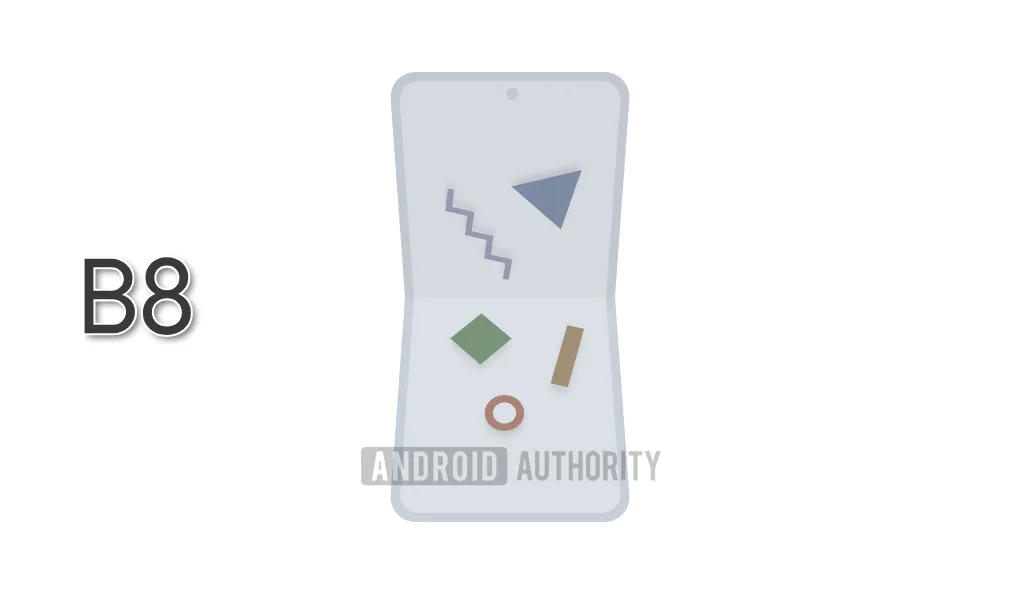
The Galaxy Z Flip 8 and other foldables Samsung launches later this year may also introduce a new feature that alerts you when the device doesn’t fold properly. You can read more about One UI 9 here.
Samsung is likely to continue offering one of the best software support policies in the Android ecosystem. Like recent Galaxy S and Galaxy Z series devices, the Galaxy Z Flip 8 is expected to receive up to seven years of Android OS upgrades and security updates.
Battery and charging
Battery life doesn’t appear to be a major focus for Samsung this year. Certification listings show that the Galaxy Z Flip 8 will retain the same 4,300mAh battery found in its predecessor. It was kind of expected, though. The company previously increased the battery capacity by 300mAh for two consecutive years (from 3,700mAh on the Flip 5 to 4,000mAh on the Flip 6 and 4,300mAh on the Flip 7).
Sadly, charging speeds may remain unchanged as well. Recent SGS certification filings suggest the Galaxy Z Flip 8 will support 25W wired charging, which is difficult to justify in 2026. Samsung is reportedly preparing to bring 45W charging to its upcoming Fold models, while several Galaxy A-series phones already offer charging speeds at that level. Expect no upgrades to wireless charging either, meaning 15W speeds and no built-in Qi2 magnets.
For a premium foldable that is expected to cost over $1,000, retaining 25W charging could be one of the Galaxy Z Flip 8’s biggest drawbacks. Samsung has traditionally taken a cautious approach to battery and charging technologies, prioritizing long-term reliability and battery health. However, as faster charging becomes commonplace across both flagship and mid-range devices, the lack of progress in this area is likely to disappoint some potential buyers.
Launch and pricing
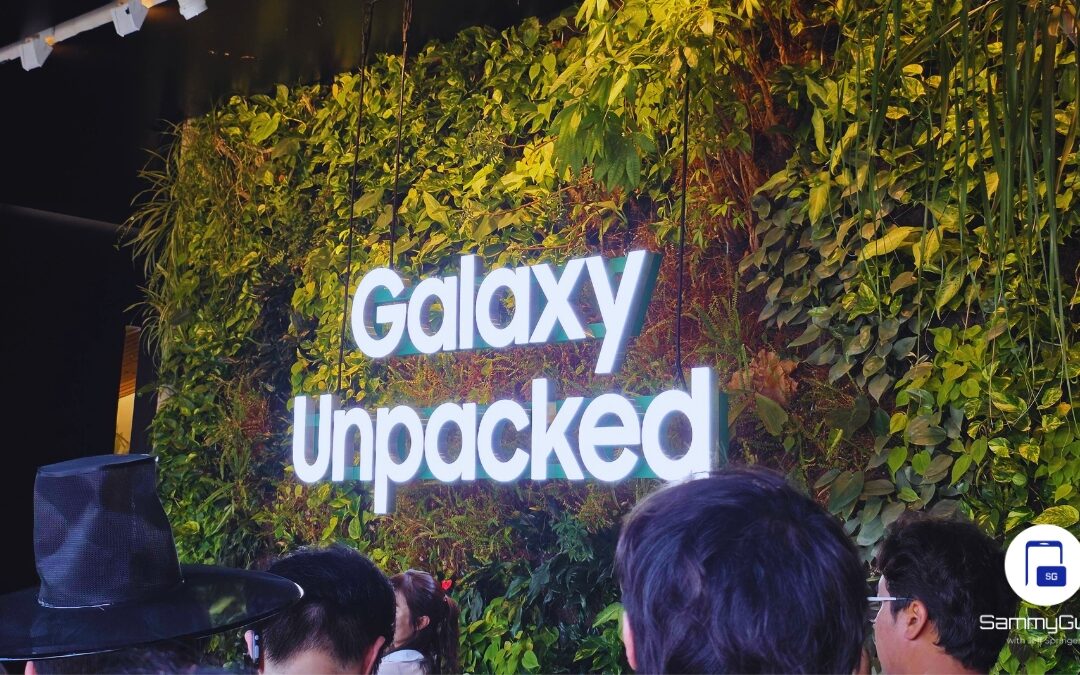
Samsung is expected to unveil the Galaxy Z Flip 8 at its next Galaxy Unpacked event on July 22, 2026, although the company has yet to officially confirm the date. Multiple reports suggest this year’s event will take place in London. If the usual schedule holds, pre-orders should open immediately after the announcement. Retail availability may begin in late July or early August, depending on the region.
The Galaxy Z Flip 8 won’t be arriving alone. It will be accompanied by the Galaxy Z Fold 8 Ultra, wider-format Galaxy Z Fold 8, Galaxy Watch 9 series, and Galaxy Watch Ultra 2.
As for pricing, early reports suggest Samsung may keep the Galaxy Z Flip 8 at roughly the same price as its predecessor despite rising component costs. If accurate, the device could start at around $1,099 in the US, although some regions may see a nominal hike. We still do not rule out a nominal hike, though. Current market situations are putting pressure on smartphone companies to raise prices.
If you are considering buying the Galaxy Z Flip 8, our Mystery Box program is for you. We offer free accessories, including a case and a charger, with every eligible pre-order in the US. Sign up here and wait for the official launch in late July.

Written by
Sumit AdhikariSumit, a life-long Samsung user, is passionate about technology and has been professionally writing on tech since 2017. He’s a mathematics graduate by education and enjoys teaching basic mathematics tricks to school kids in his spare time. Sumit believes in artificial intelligence and dreams of a fully open, intelligent and connected world.

Follow us on Google Discover & set us as a preferred source in Google News
Share this Post
___________________________


New Blog Posts
___________________________
Samsung Won’t Use BOE OLED Panels for Galaxy S27
The firm will stick with its in-house OLED supplier
BTS Heads to London Just Before Samsung’s Galaxy Unpacked, and That MayNot be a Coincidence
BTS to light up London ahead of Galaxy Unpacked
![WhatsApp Finally Begins Rolling Out Its Username Feature [U: Available Widely]](https://sammyguru.com/wp-content/uploads/2025/09/WhatsApp-SammyGuru-1080x675.jpg)
WhatsApp Finally Begins Rolling Out Its Username Feature [U: Available Widely]
You can now create a unique handle for your account