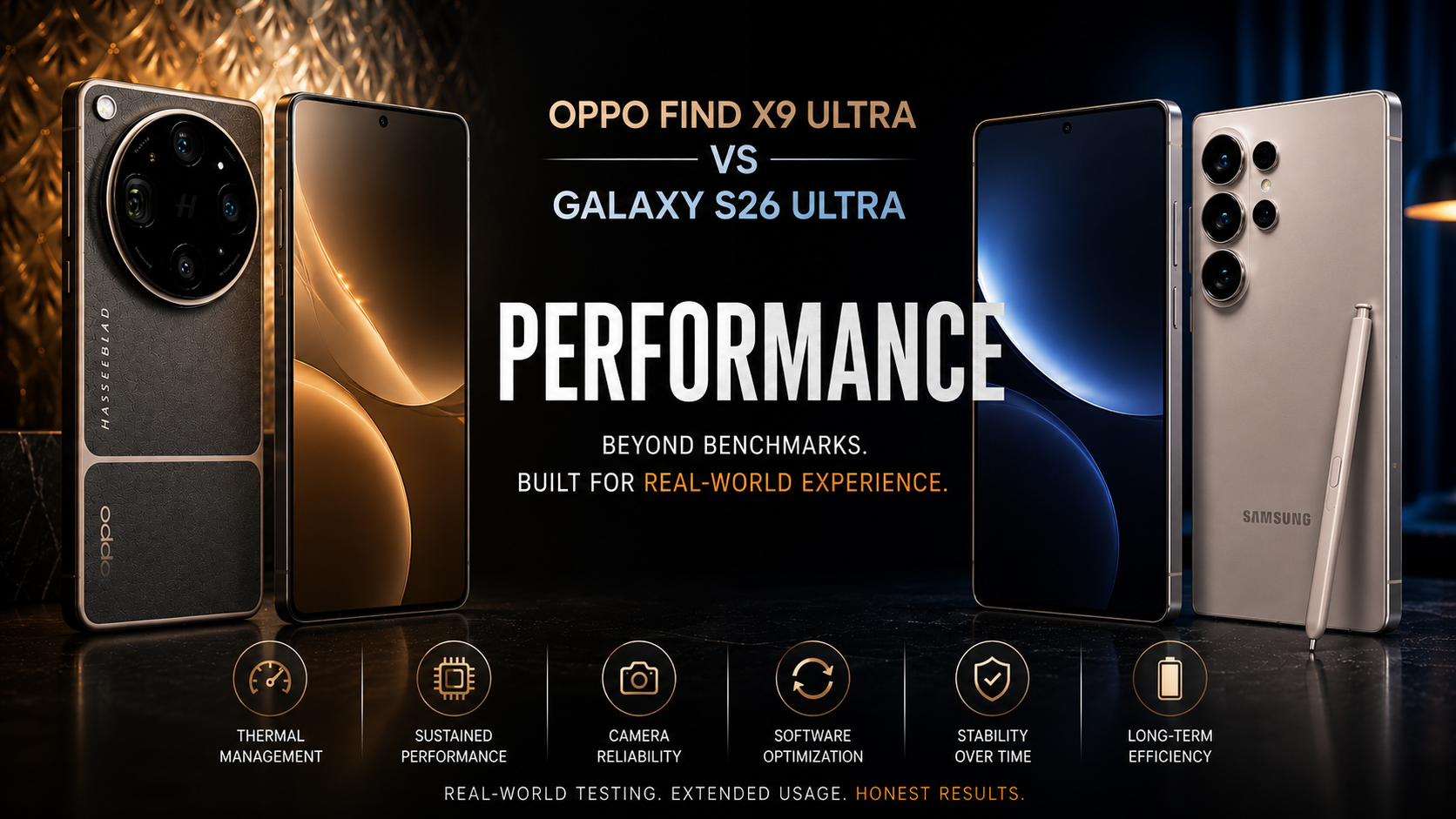
OPPO Find X9 Ultra vs Galaxy S26 Ultra: Performance
SammyGuru is reader-supported. We have affiliate and sponsored partnerships, so we may earn a commission when you buy through links on our site — at no extra cost to you. Learn more.
Benchmark scores often stand in for performance. But the story never ends at benchmarks. Several factors influence the real-life performance of a smartphone, and that’s apparent in this comparison between the OPPO Find X9 Ultra and Galaxy S26 Ultra.
Both phones run Qualcomm’s latest flagship Snapdragon platform with 12GB of RAM and 512GB of storage. Yet sustained performance depends on far more than peak processing power. Software maintenance, thermal management, and long-term consistency shape ownership more than any benchmark ever can.
Software Updates: Consistency vs Camera Refinement
Software updates are an essential part of performance, even if benchmark charts rarely acknowledge them. Samsung continues to lead in consistency, delivering monthly security updates. These typically improve system stability, strengthen security, and resolve smaller software bugs.
Major camera updates arrive less frequently, usually bringing meaningful imaging improvements only once or twice throughout the device’s lifecycle. While Samsung’s update schedule is predictable, its software descriptions often remain vague, leaving users guessing what has actually changed.
OPPO follows a different philosophy. Camera refinement takes priority, especially in the first months after launch. Updates commonly improve image processing, fix camera-related bugs, and refine overall performance. The downside is that update timing is far less predictable, particularly for global models. Chinese variants generally receive updates earlier and more frequently, while global users often wait longer between releases.
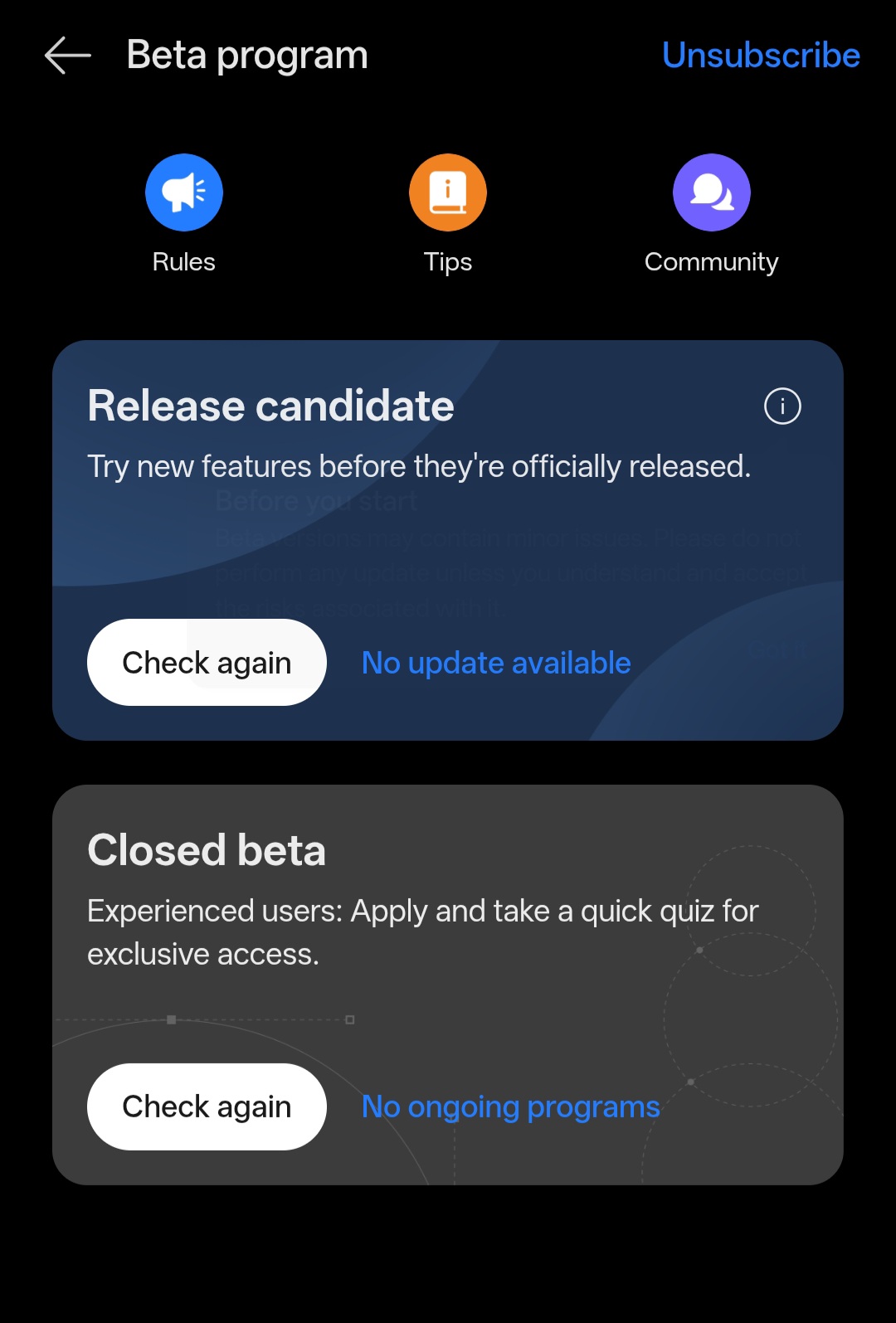
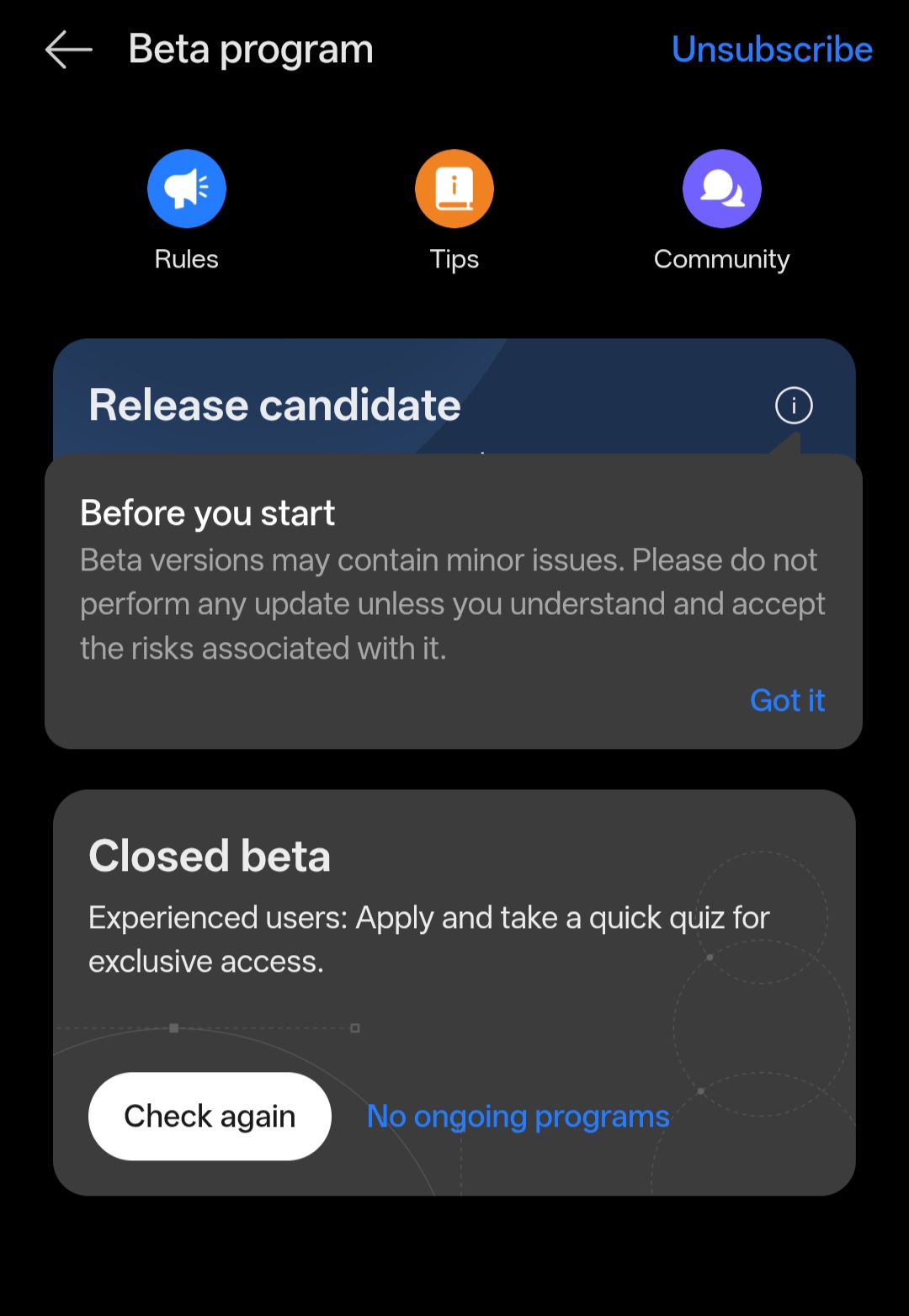
Another difference shows up in how OPPO distributes updates globally. OPPO’s global devices frequently receive Release Candidate (RC) builds before the wider Stable rollout. RC software is generally reliable enough for everyday use. OPPO clearly labels these releases as pre-release, though, and warns that issues may still remain. It reflects OPPO’s staged deployment strategy. But it also means some global users spend part of the product’s lifecycle on software that isn’t yet the final Stable release.
Ironically, OPPO provides far more transparent changelogs than Samsung, clearly explaining what each update improves. Samsung rarely offers that level of detail. Transparency belongs to OPPO, but long-term consistency still belongs to Samsung. Over years of ownership, predictability usually matters more.
Heat Management: The Real Test
This testing placed both devices under hot environmental conditions, using identical Snapdragon platforms, 12GB of RAM, and 512GB of storage. However, rather than matching workloads exactly, the test aimed for something different. It placed the Galaxy S26 Ultra under the more demanding real-world scenario to see whether it could hold its performance.
From a workload perspective, OPPO entered testing under conditions that would generally favor sustained performance. The Find X9 Ultra carried only about 174GB of storage in use. It also had noticeably fewer installed and frequently used apps, with mobile data switched off throughout testing.
The Galaxy S26 Ultra, by comparison, carried nearly 350GB of occupied storage. It ran considerably more actively used apps from daily life, with mobile data left on throughout. Samsung intentionally entered this comparison under the heavier workload.
Samsung still came out ahead
Despite carrying the heavier load, the Galaxy S26 Ultra came out ahead. During extended camera sessions in higher temperatures, the Find X9 Ultra occasionally became sluggish even while using the standard Auto mode. Camera responsiveness sometimes dropped enough that the app needed a full close-and-reopen before normal shooting could continue. Hasselblad Mode also required noticeably longer image processing after capture, slowing continuous photography once device temperatures increased.
The Galaxy S26 Ultra, on the other hand, delivered a far more consistent experience. Samsung’s stock camera remained responsive throughout testing. There were no noticeable interface slowdowns, capture interruptions, or camera lag that affected continuous shooting. The overall experience remained remarkably stable despite operating under conditions that should generally have been more demanding.
Expert RAW occasionally requires longer processing after each capture, but the behavior is easier to justify. Unlike a standard photograph, Samsung creates both a RAW file and a fully processed JPEG at once. That means significantly heavier computational work happens behind the scenes. The additional wait is understandable, although there is still room for Samsung to optimize processing speed further.
The real distinction is consistency. Samsung’s delay comes from post-capture processing complexity. OPPO’s delay occasionally interrupts the shooting experience itself, which makes it considerably more noticeable during extended use.
Video Rendering
Video rendering produced one of the closest results in this comparison. Look closer, though, and it isn’t really a single result at all.
Using each phone’s built-in Gallery app for editing, Samsung finishes rendering about 15% faster than OPPO. Switch to CapCut, though, and the result flips: OPPO edges ahead by roughly 2 to 5%.
That split matters more than either number alone. Native tools clearly favor Samsung’s rendering pipeline. Third-party editing software narrows that gap and tips it back toward OPPO, at least slightly. For most users, the app choice ends up mattering as much as the phone itself.
Performance Verdict
Benchmark numbers no longer decide performance on their own. What matters now is how reliably a device performs after months of updates, prolonged camera sessions, and demanding real-world use.
OPPO deserves recognition for prioritizing camera improvements and providing some of the most informative software changelogs available on Android. Samsung, however, delivers the stronger long-term performance experience. Predictable monthly updates, mature software stability, and consistently reliable thermal management make the difference.
The real surprise wasn’t that Samsung handled heat better. It’s that Samsung did it while carrying the heavier real-world workload — the one that should have worked against it.
Performance is no longer a chipset race alone. Today’s flagship processors are already exceptionally fast. The real differentiator is software engineering. It’s how consistently manufacturers sustain that performance through prolonged camera use, rising temperatures, and years of updates. Raw power gets attention, but consistency defines ownership.
Performance Winner: Galaxy S26 Ultra — Samsung adds one point to the overall scorecard.
Current Comparison Standing
This series continues to evaluate what genuinely defines years of flagship ownership rather than isolated specification victories. Cameras, endurance, charging, software behavior, usability, and long-term refinement all shape that experience. Together, they determine how a smartphone performs long after launch day.
Following Telemacro Capability, Zoom Performance, Design, Camera Usability, Pre-order and Unboxing, Battery Architecture, Standby Efficiency, Charging, Auto Mode Photography, RAW Photography, Special Modes, Slow Motion, Action Video Mode, Auto Video, Pro Video, UI and Ecosystem, and now Performance, Samsung has completed its comeback.
Current Score:
- OPPO Find X9 Ultra — 16
- Samsung Galaxy S26 Ultra — 16
What began as a camera comparison has evolved into something much broader. OPPO continues to demonstrate how far smartphone hardware can go, particularly in computational imaging and camera innovation. Samsung, meanwhile, reinforces a different philosophy. Long-term ownership depends just as much on software maturity, ecosystem depth, consistency, and reliability as it does on headline specs.
With only Display Quality, Audio Performance, and Portrait remaining, the comparison has reached its most critical stage. Each remaining category carries substantial weight. They influence the experience every single day, long after benchmark scores and launch specs fade into the background.
The race is now perfectly balanced.
From here forward, every remaining category could decide which flagship delivers the more complete ownership experience. Not just on launch day — but across years of real-world use.
Related Deals



Follow us on Google Discover & set us as a preferred source in Google News
Share this Post
___________________________


New Blog Posts
___________________________

Samsung Estimates 19x Jump in Q2 2026 Operating Profit
This is likely due to robust demand for AI memory chips
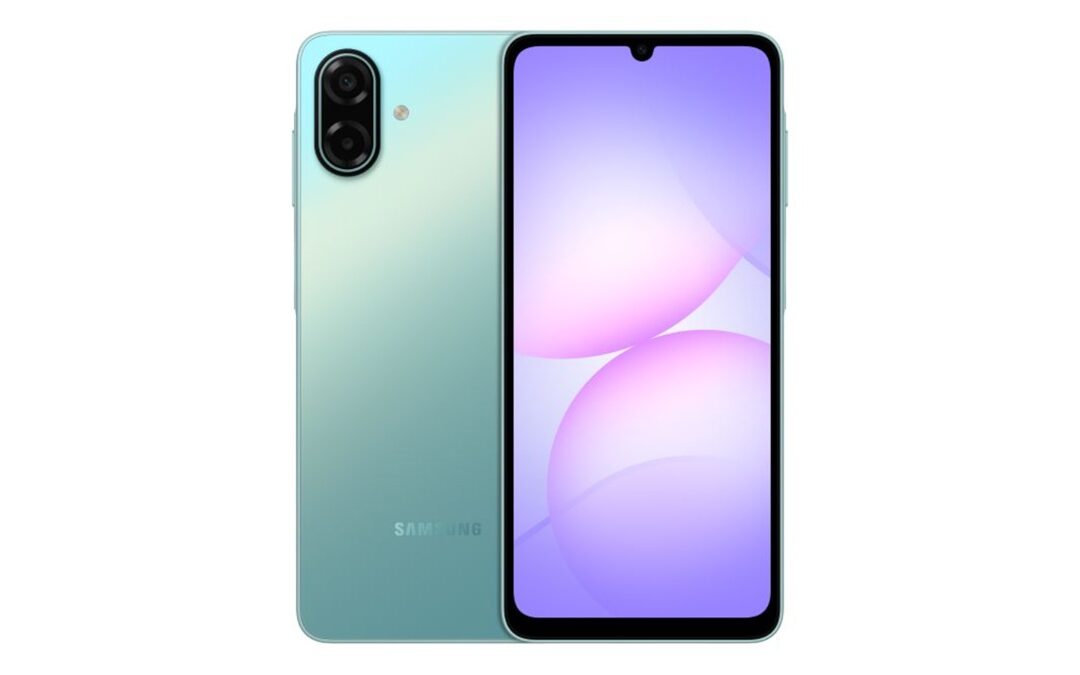
Galaxy A08, F08 and M08 Move One Step Closer to Launch
Almost ready to launch!
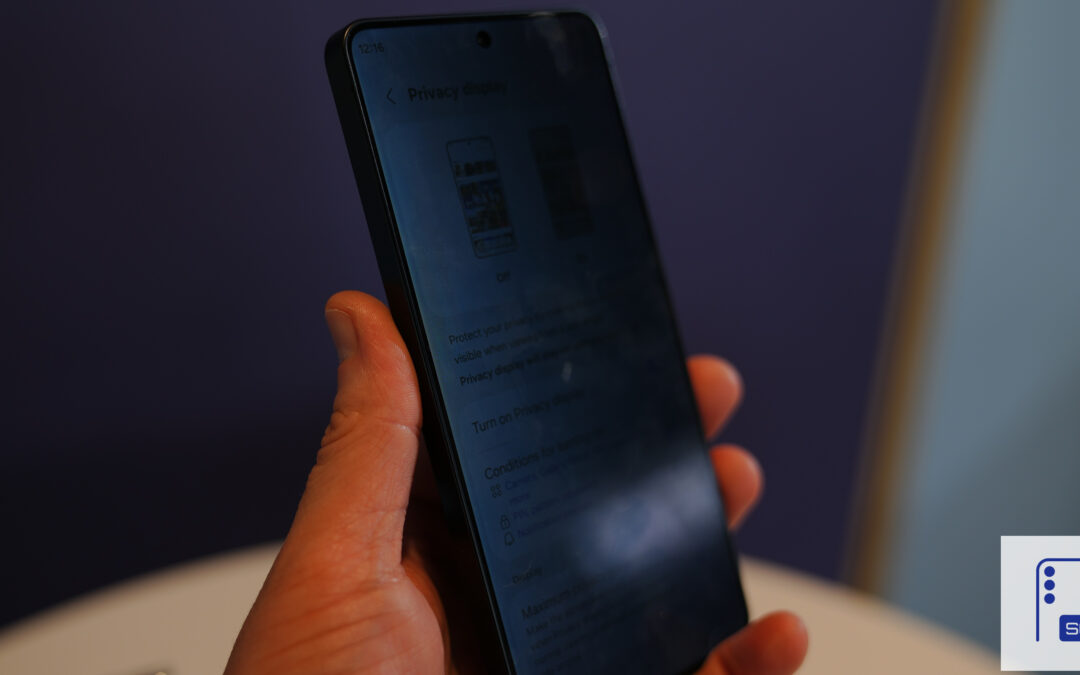
Samsung Has Its Galaxy S27 Priorities All Wrong if This Rumor Is True
Privacy Display (alone) won’t fix the Galaxy S27’s biggest problems