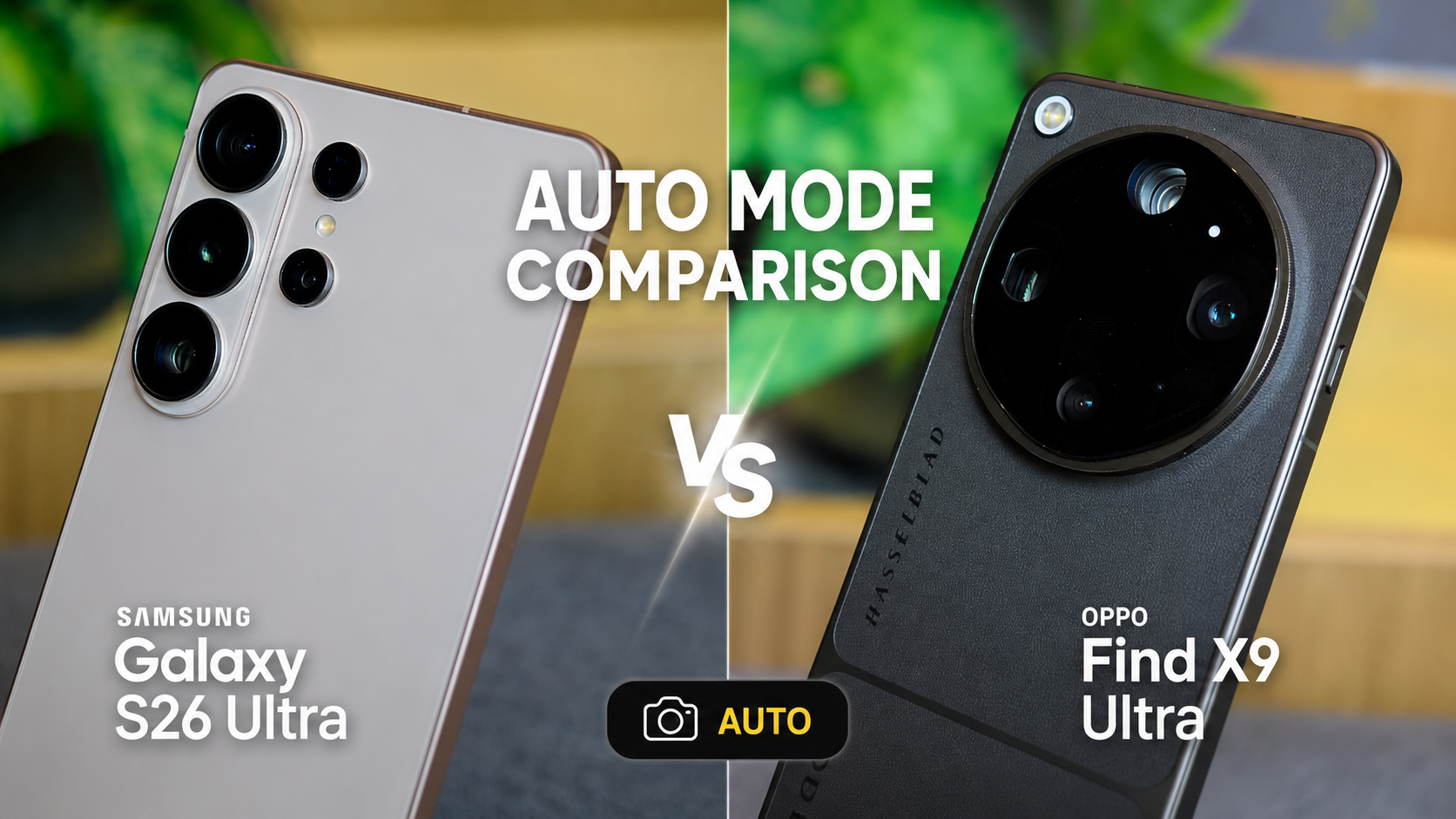
Galaxy S26 Ultra vs OPPO Find X9 Ultra Auto Mode: Specs Don’t Tell the Whole Story
SammyGuru is reader-supported. We have affiliate and sponsored partnerships, so we may earn a commission when you buy through links on our site — at no extra cost to you. Learn more.
In this article
- Hardware and Optical Advantage
- Ultra-Wide and Main Camera Results: Specifications do not always predict final results
- Telephoto Results
- Natural Rendering and Subject Separation
- Processing and Computational Photography
- Noise Reduction
- Color Accuracy
- Resolution Flexibility and High-Resolution Capture
- Chromatic Aberration Control
- Ease of Use
- Current Comparison Standing
You can never judge the camera performance of a smartphone by specifications alone. Sensor size, megapixels, aperture values, focal lengths, and sensor generations matter, but they are only part of the story. The final image is influenced by far more than hardware. Image processing, color science, noise reduction, lens quality, chromatic aberration control, sharpening behavior, dynamic range management, and overall rendering philosophy play crucial roles in determining what users actually see.
This shows when we take a closer look at the camera performance of the Galaxy S26 Ultra and OPPO Find X9 Ultra. And ultimately, results matter more than specifications. That is why this article focuses specifically on Auto mode — the mode used by the vast majority of smartphone owners every day.
Before continuing, it is important to clarify that this comparison evaluates only standard Auto mode. RAW photography, portrait modes, and other specialized shooting modes will be covered separately because they operate under very different processing pipelines. Telemacro performance and long-range zoom have also been covered in previous articles.
Today, the focus is on the mode most users open every day: Photo mode. This mode is responsible for family photos, food shots, travel memories, social media uploads, and spontaneous moments that cannot be recreated. And perhaps most importantly, it is also the only mode that provides access to the full 100x zoom on the Galaxy S26 Ultra and 120x zoom on the OPPO Find X9 Ultra. This is the mode that defines the camera experience for most users.
Hardware and Optical Advantage
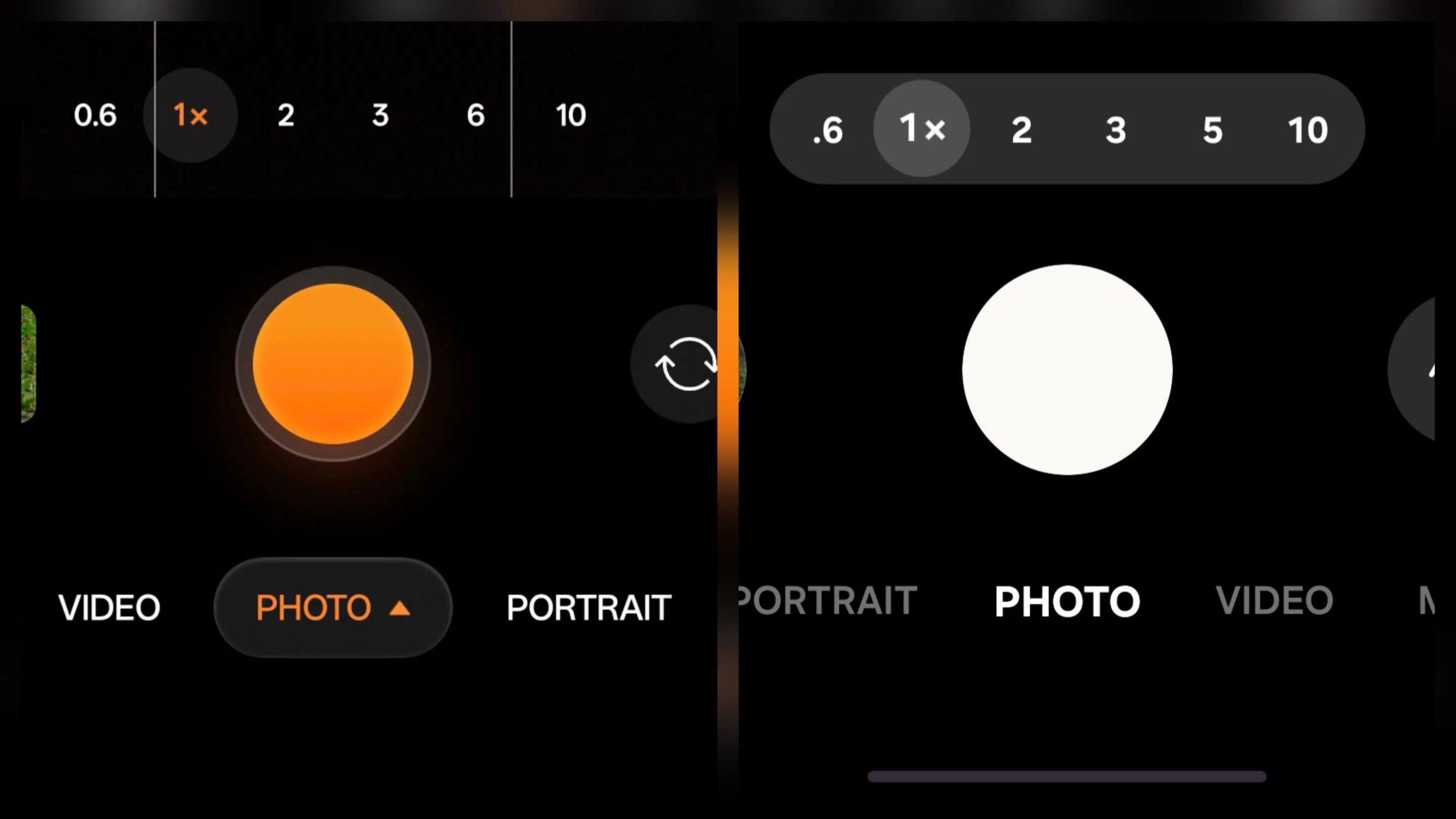
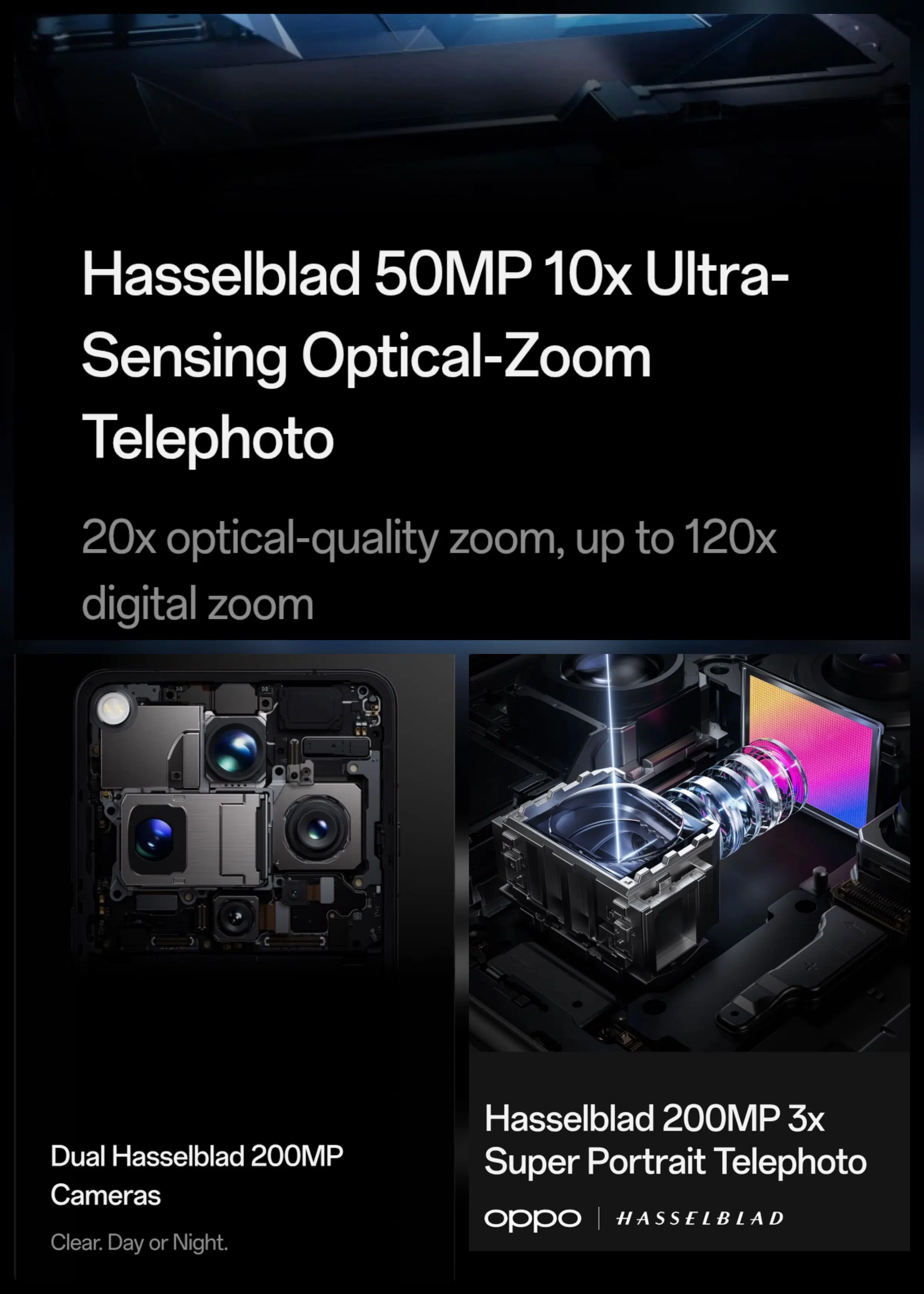
Looking purely at hardware, OPPO enters this comparison with a significant advantage. The Find X9 Ultra offers stronger telephoto coverage across multiple focal lengths, combining a larger 3x camera with a dedicated 10x periscope system. This creates more optical flexibility throughout the zoom range than Samsung’s 3x and 5x approach.
Regardless of software processing, stronger optical coverage remains a genuine advantage because no amount of computation can consistently replace strong native optical information across every shooting scenario. On paper, this should have been a comfortable win for OPPO. And from a hardware perspective, it is.
For hardware and optics, the point goes to OPPO.
Ultra-Wide and Main Camera Results: Specifications do not always predict final results
Despite using smaller sensors in some areas, Samsung consistently produces slightly stronger results from the ultra-wide and main cameras in many everyday shooting scenarios. Detail retention, exposure consistency, dynamic range balancing, and overall image presentation often give Samsung a small but noticeable advantage.
The difference is rarely dramatic, but it appears often enough to matter. This is the first sign that the battle is going to be much closer than the specifications suggest.
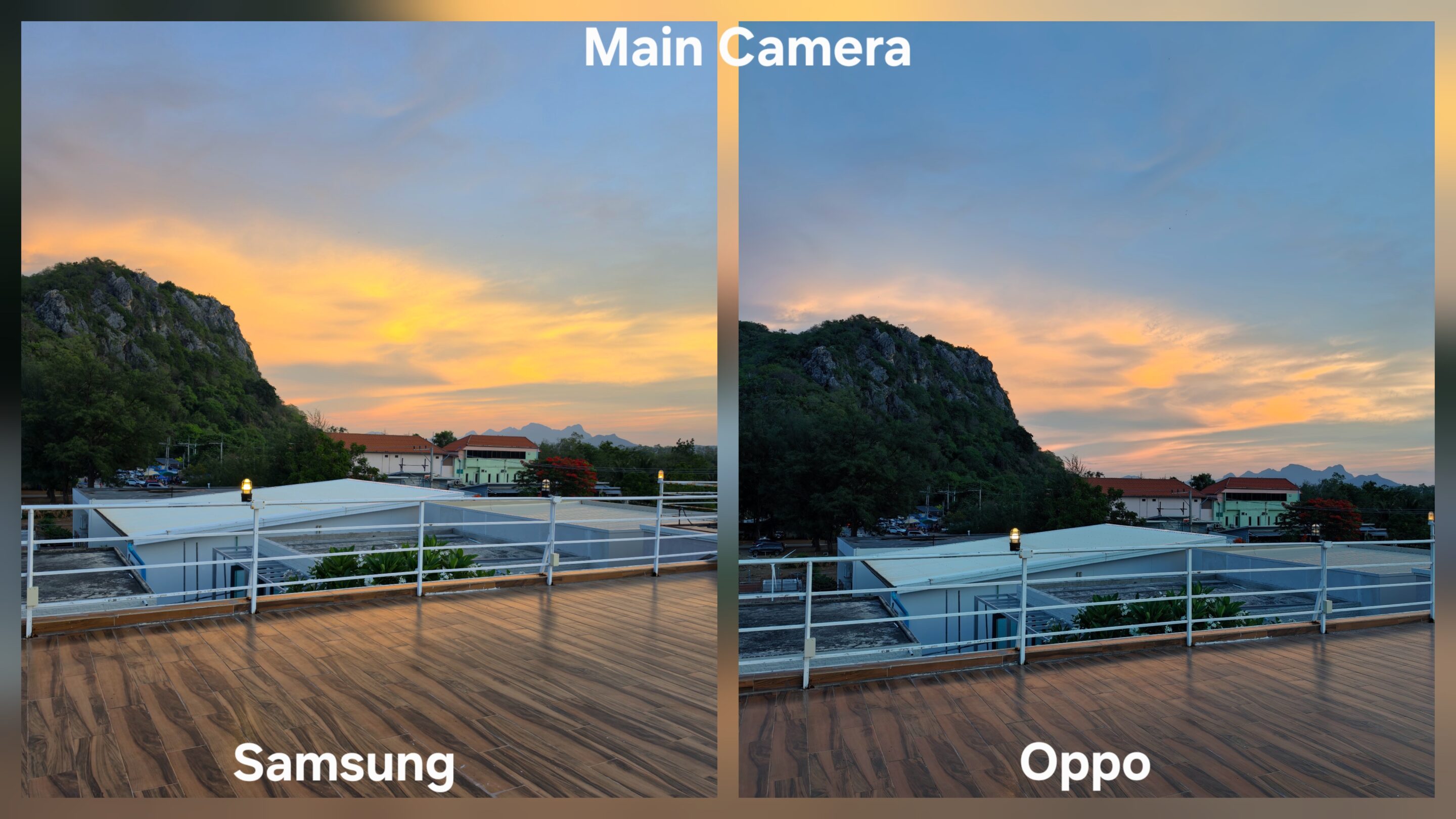
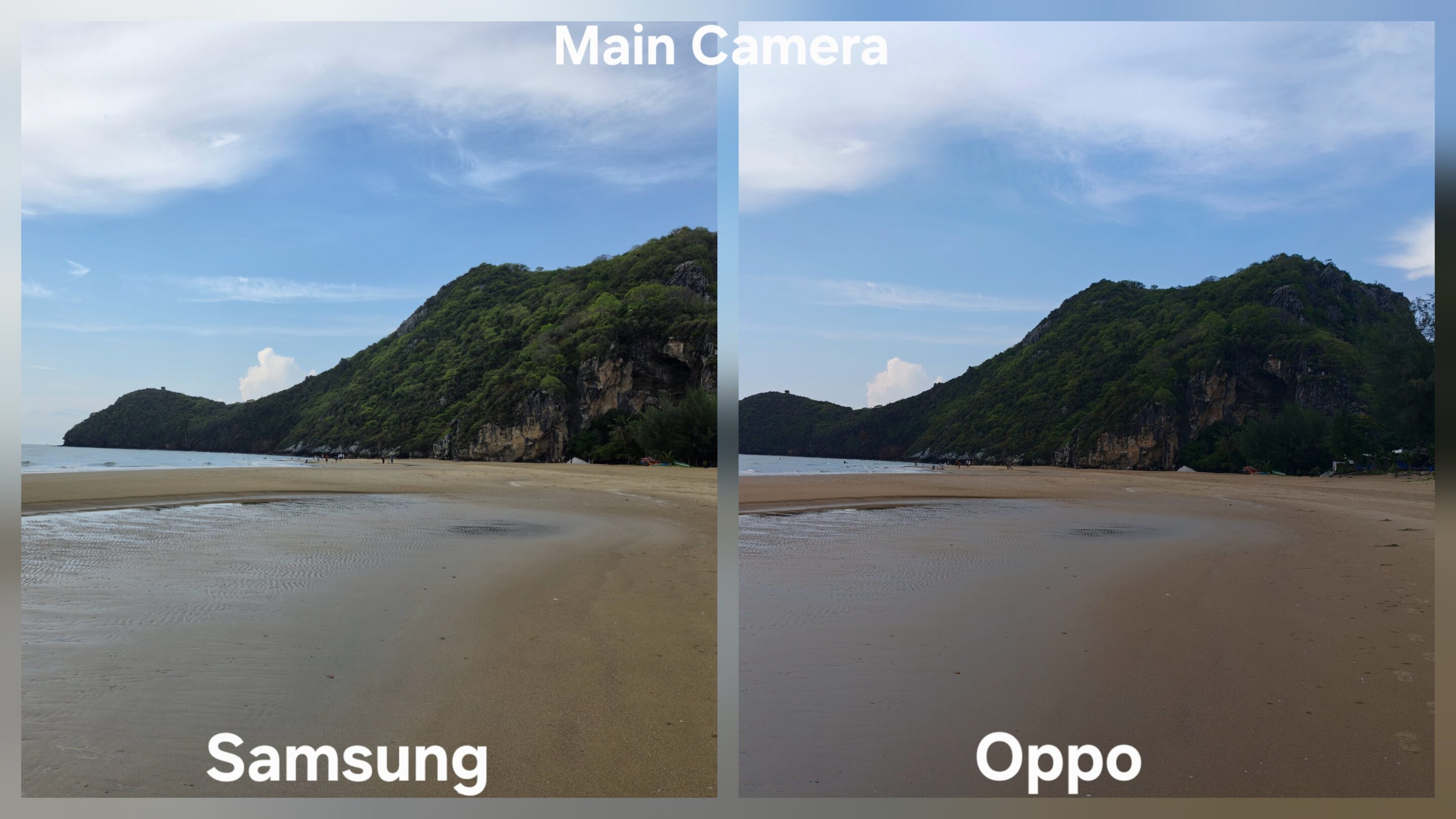
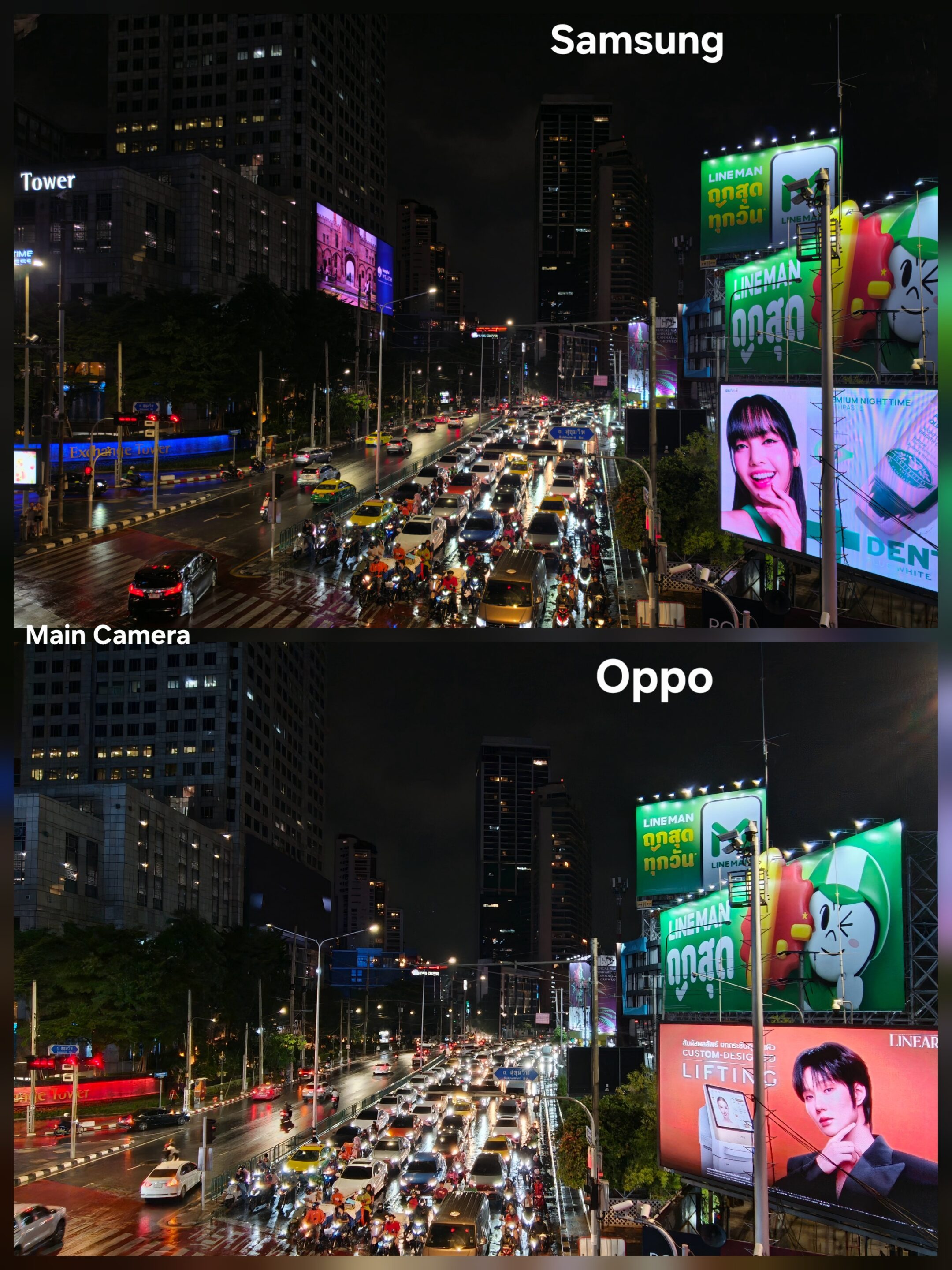
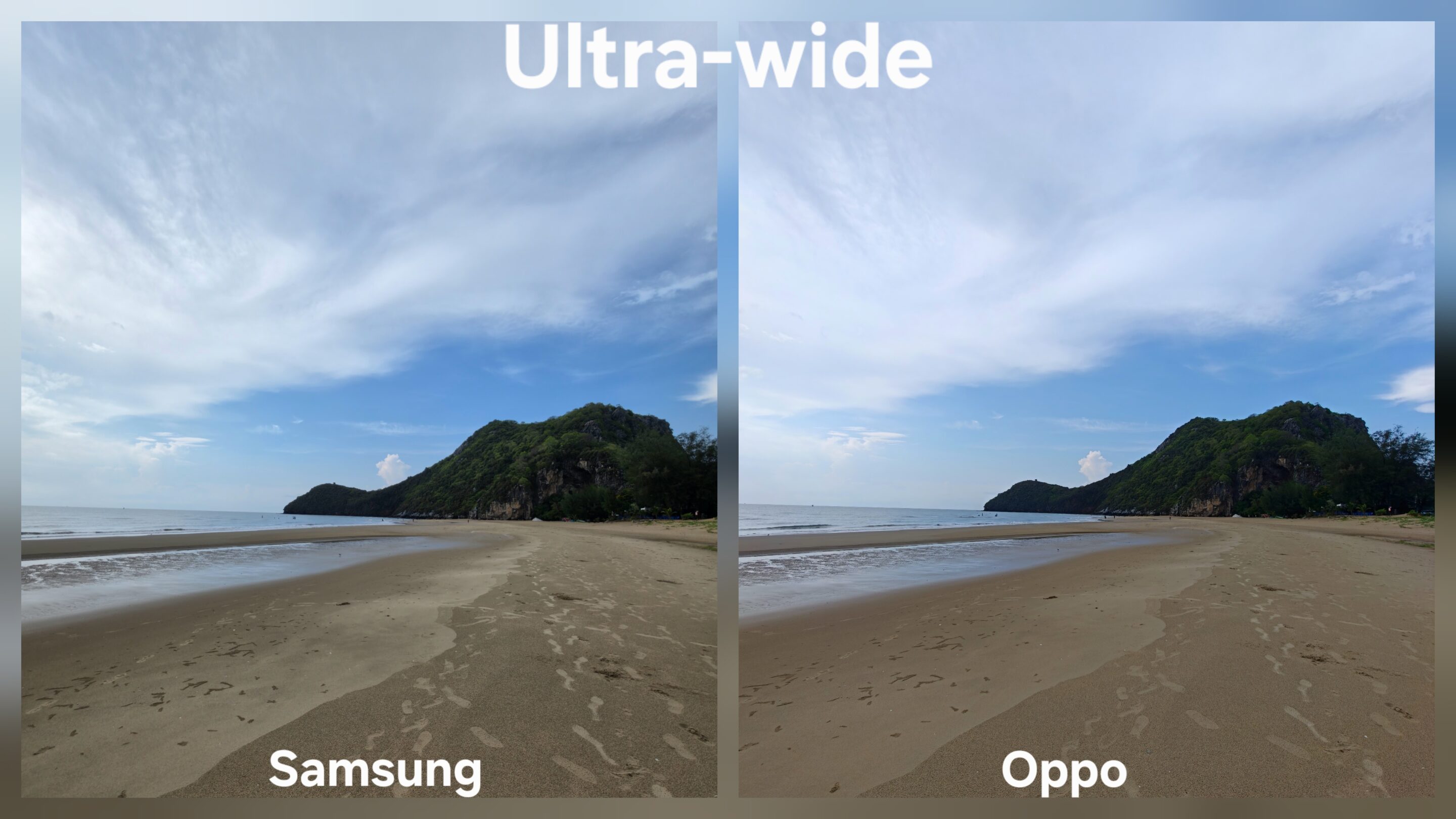
For ultra-wide and main camera performance, Samsung takes the point.
Telephoto Results
This is where OPPO’s hardware advantage begins translating into visible results. The Find X9 Ultra generally retains more detail throughout the 3x to 10x range, particularly in situations where native optical information matters more than computational reconstruction.
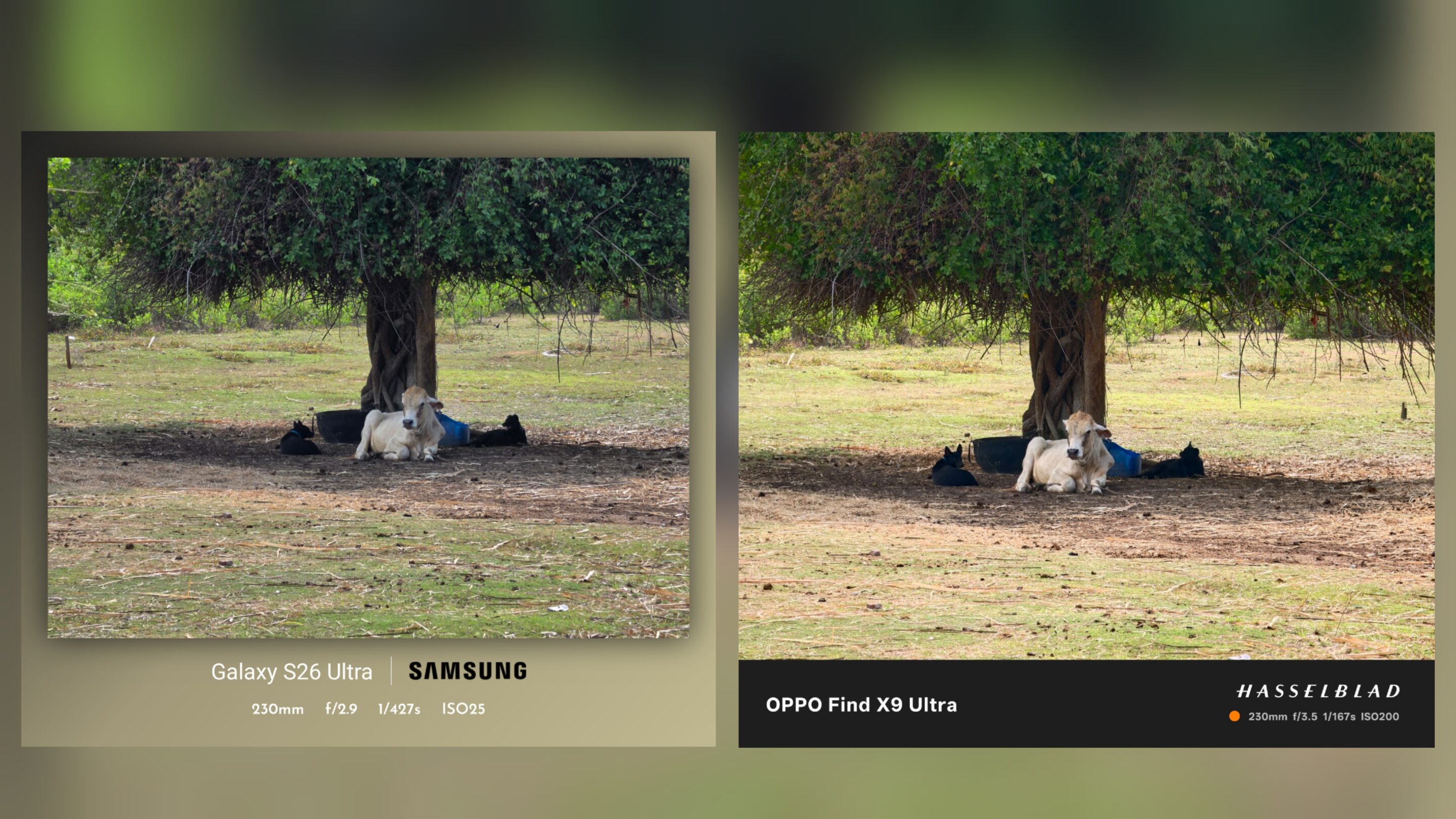
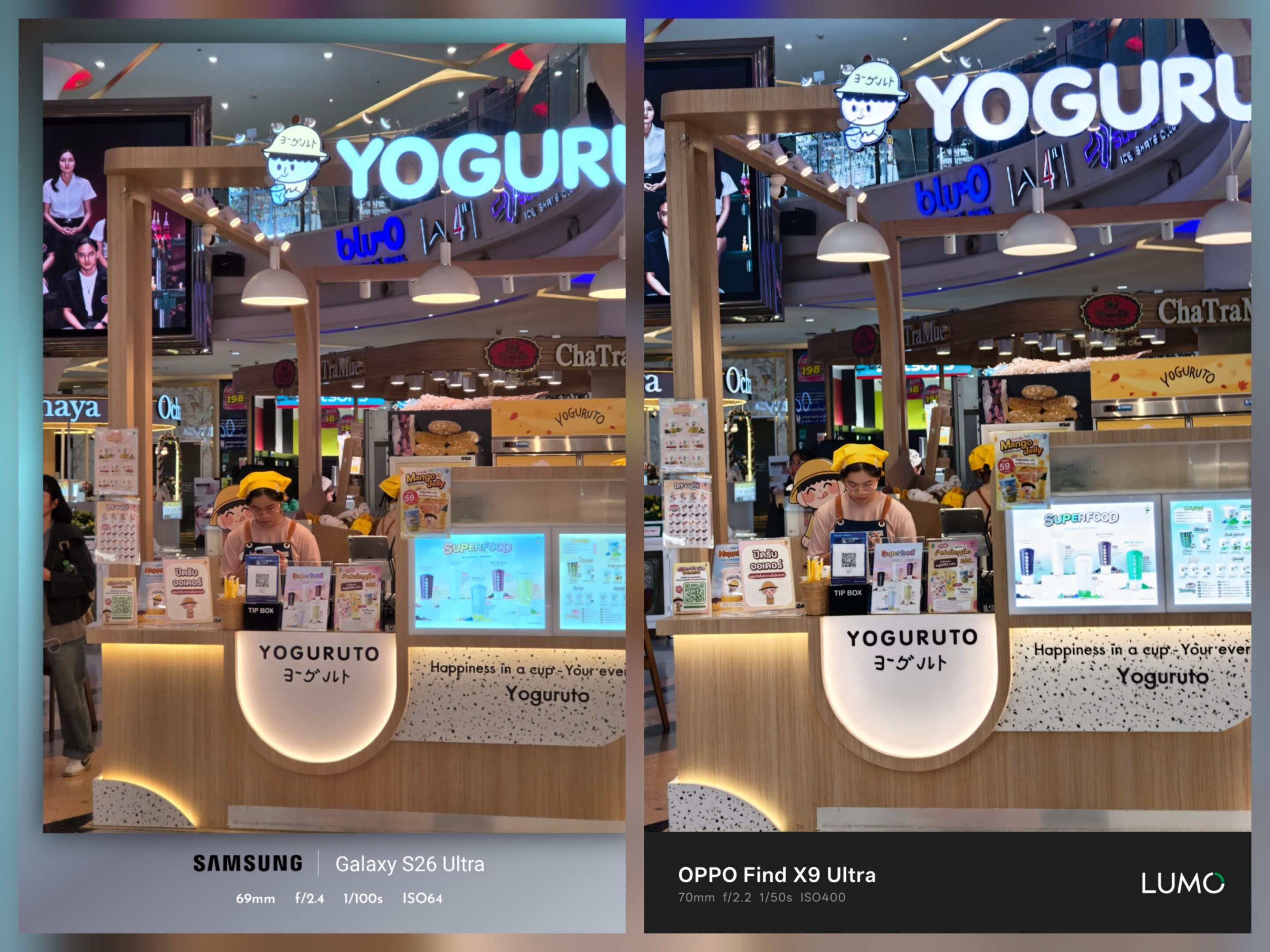
Samsung’s dedicated 5x camera still performs exceptionally well and can outperform OPPO around certain focal lengths from roughly 5x to 9x, depending on the scene. However, the broader optical coverage offered by OPPO’s larger 3x camera and dedicated 10x system gives it a noticeable advantage across much of the zoom range enthusiasts tend to use most frequently. The stronger optical foundation begins to show its value.
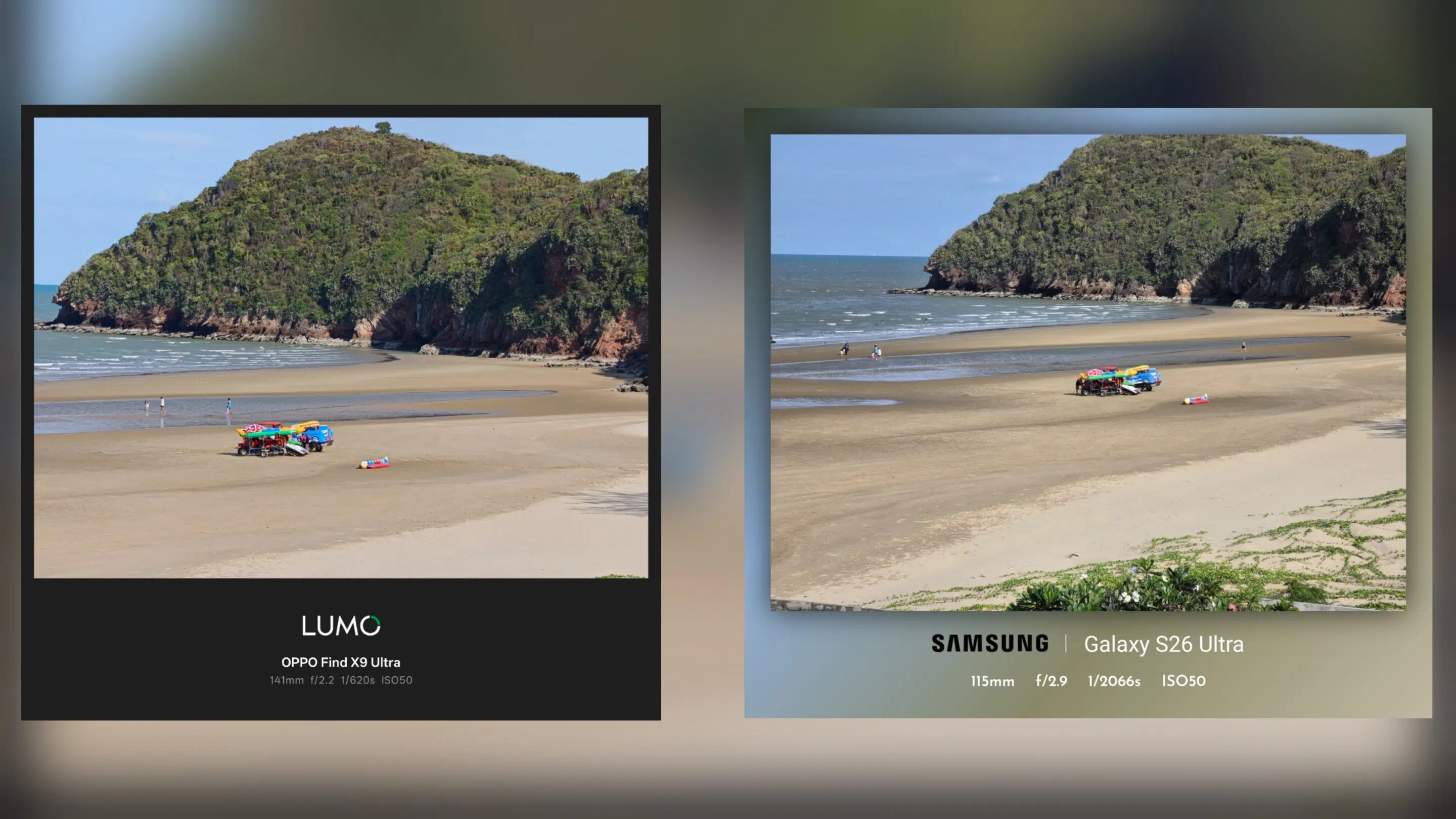
For telephoto image quality, the point goes to OPPO.
Natural Rendering and Subject Separation
One area where OPPO consistently stands out is image rendering. The Find X9 Ultra often produces a more natural depth transition and optical-looking subject separation, creating images that feel closer to what many users associate with traditional camera output.
This category remains partly subjective, and personal preference will always play a role. But across a wide variety of scenes, OPPO’s rendering style frequently appears more organic and visually pleasing.
For image rendering, the point goes to OPPO.
Processing and Computational Photography
On paper, OPPO should have a comfortable advantage. Larger sensors, stronger telephoto hardware, and broader optical coverage create a clear specification lead. Yet after extended testing, Samsung repeatedly demonstrates why specifications alone rarely tell the full story.
The Galaxy S26 Ultra extracts remarkably competitive results from hardware that is objectively less ambitious in several areas. Exposure decisions, sharpening behavior, HDR balancing, lens corrections, and scene interpretation often allow Samsung to close a gap that should theoretically be much larger.
With the right camera settings enabled, Samsung’s Auto mode frequently performs above what its hardware specifications alone would suggest while maintaining a natural overall presentation. Credit where it is due: this is one of Samsung’s strongest achievements this year.
For image processing, the point goes to Samsung.
Noise Reduction
OPPO takes a noticeably different approach to noise management. Noise is generally less visible across a wider range of shooting conditions, producing cleaner-looking images even if it occasionally comes at the expense of fine texture or micro-detail. The tradeoff is understandable. Most users notice visible noise before they notice subtle texture loss. As a result, OPPO often delivers images that appear cleaner and more polished at first glance.
For noise reduction, the point goes to OPPO.
Color Accuracy
This category should be separated from color preference. Samsung’s color reproduction generally stays closer to real-world environmental tones, while OPPO’s Hasselblad tuning often prioritizes mood, atmosphere, and cinematic presentation.
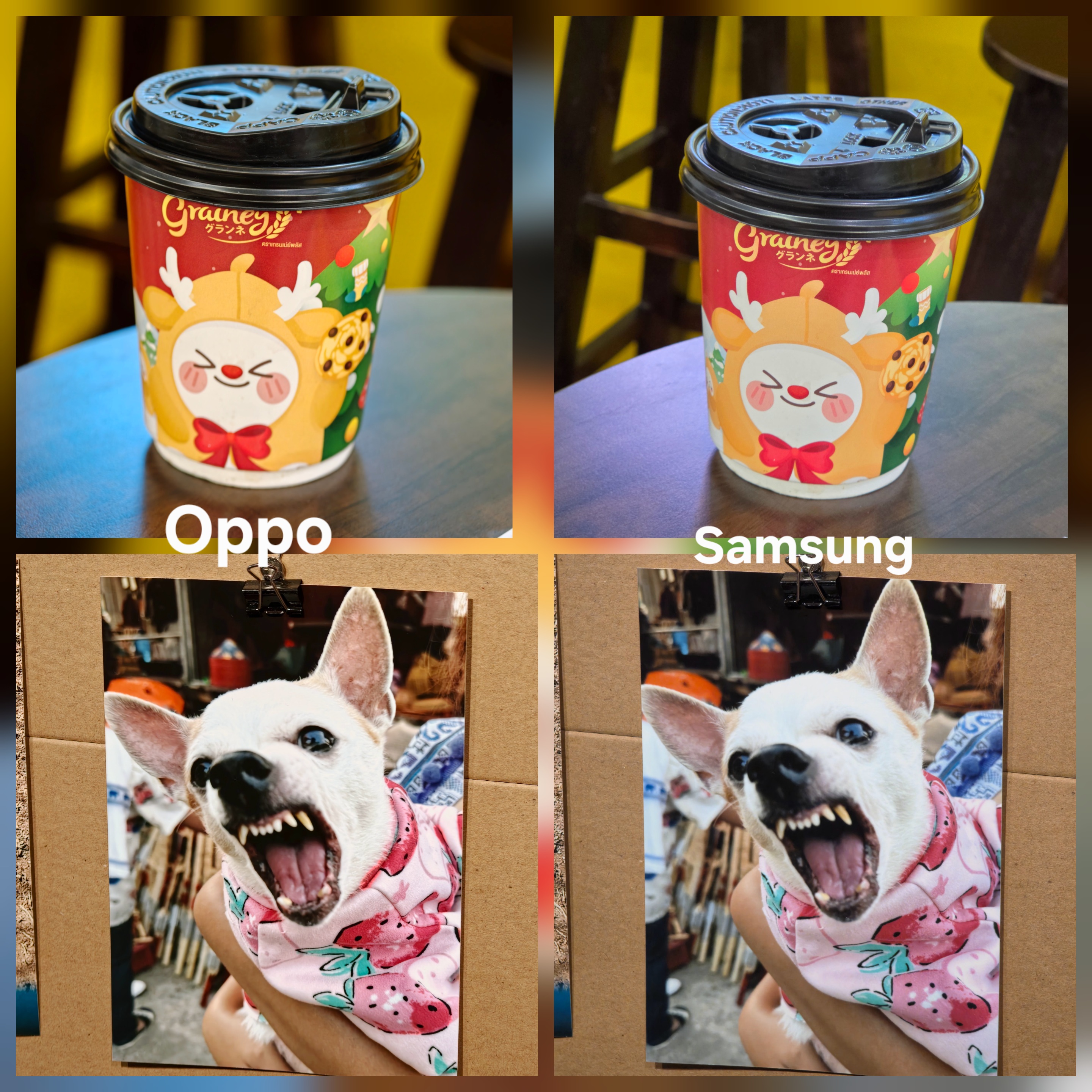
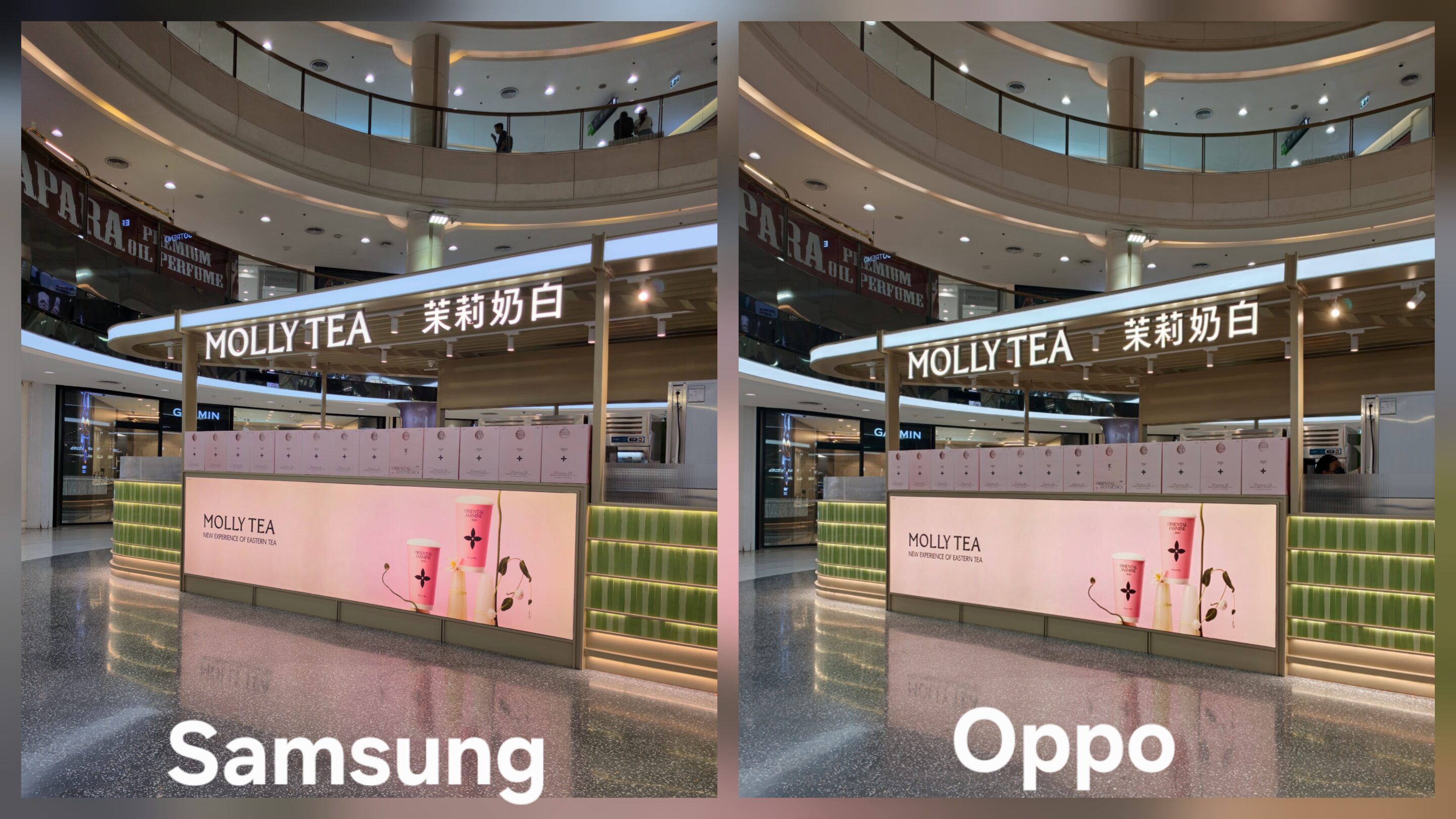
Many users may prefer OPPO’s look. That preference is completely valid. But preference and accuracy are not the same thing. Samsung’s output tends to reproduce environmental colors more faithfully, even if some users find OPPO’s interpretation more visually appealing.
For color accuracy, the point goes to Samsung.
Resolution Flexibility and High-Resolution Capture
Samsung gives users significantly more control directly inside Auto mode. Depending on the camera being used, users can select between multiple output resolutions, including 12MP, 24MP, 50MP, and 200MP options where supported.
OPPO takes a more automated approach. The system dynamically determines output resolution based on scene conditions and available light, requiring users to switch into Hasselblad mode when they want access to higher-resolution capture options.
For flexibility inside Auto mode, the point goes to Samsung.
However, flexibility and results are not always the same thing. When evaluating actual high-resolution output, OPPO often delivers stronger results. Its high-resolution modes remain usable across the ultra-wide, 1x, 3x, and 10x cameras, creating a more consistent high-resolution experience throughout the entire camera system.
Samsung offers impressive 200MP and 50MP options, but the best overall image quality frequently still comes from its 12MP and 24MP outputs.
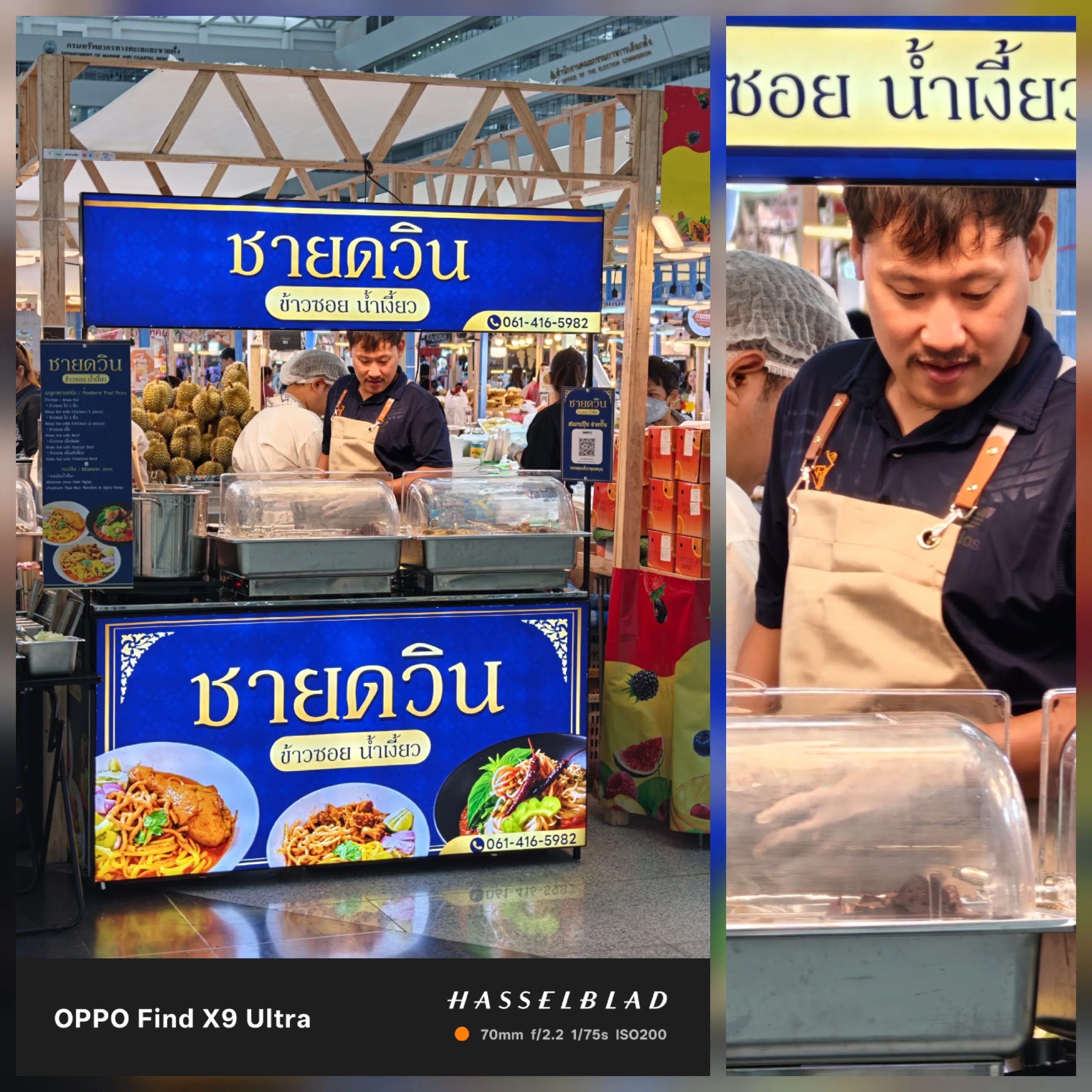
For high-resolution image quality, the point goes to OPPO.
Chromatic Aberration Control
Chromatic aberration remains one of the easiest lens imperfections to spot in real-world photography. While neither device is completely immune, purple and green fringing tends to appear more frequently on the OPPO in challenging scenes involving strong contrast, reflective surfaces, or backlit subjects. Samsung demonstrates slightly better control in these situations. The difference is not massive, but it is visible.
OPPO Find X9 Ultra vs. Galaxy S26 Ultra
10x Auto Mode latest updates on both devices 👀OPPO still shows some weird fringing in tricky colors and lighting even after the update .But the optical advantage is obvious better shadow detail and wider dynamic range still survive… pic.twitter.com/yetbKJjndY
— W (@Wvisioncreation) May 20, 2026
For chromatic aberration management, the point goes to Samsung.
Ease of Use
One final category deserves attention because it rarely appears in specification comparisons: Convenience. Samsung’s best results often come from selecting the appropriate resolution for the scene. Many users may find themselves switching between 12MP and 24MP depending on what they are shooting. OPPO requires less thought. Its automated approach generally delivers strong results without requiring users to think about resolution selection, camera behavior, or when to switch modes.
For photography enthusiasts, Samsung’s flexibility can be an advantage. But for everyday users, OPPO’s simplicity can be equally valuable. And that ownership experience deserves recognition.
For ease of use and shooting simplicity, the extra half point goes to OPPO.
Overall, the Galaxy S26 Ultra scored 5, and the OPPO Finx X9 Ultra scored 5.5 in this Auto Mode camera comparison.
Current Comparison Standing
This comparison series is designed around long-term flagship ownership rather than isolated benchmark wins or specification advantages alone. Each category focuses on what genuinely changes the daily experience of using these devices, including camera behavior, endurance consistency, charging flexibility, usability, and system refinement.
After evaluating the telemacro capability, zoom performance, design choices, camera usability, pre-order experience, unboxing, battery architecture, standby efficiency, charging experience, and now Auto mode photography, OPPO continues to hold the overall lead with a score of 11, compared to Samsung’s 8.
However, the race is far from over. Upcoming categories, including RAW photography, Video, special shooting modes, portrait rendering, display quality, Os and One UI ecosystem advantages, audio performance, and long-term software refinement, may still shift the balance significantly.
Stay tuned.


Follow us on Google Discover & set us as a preferred source in Google News
Share this Post
___________________________


New Blog Posts
___________________________
Leak Reveals Release Date for Samsung’s Next Foldables, Free Storage Upgrade Tipped
Samsung will offer a free storage upgrade as a pre-order bonus
Samsung Explains Technology Behind Galaxy Buds 4 Pro’s Call Clarity
The firm validates the technology through exhaustive real-world testing
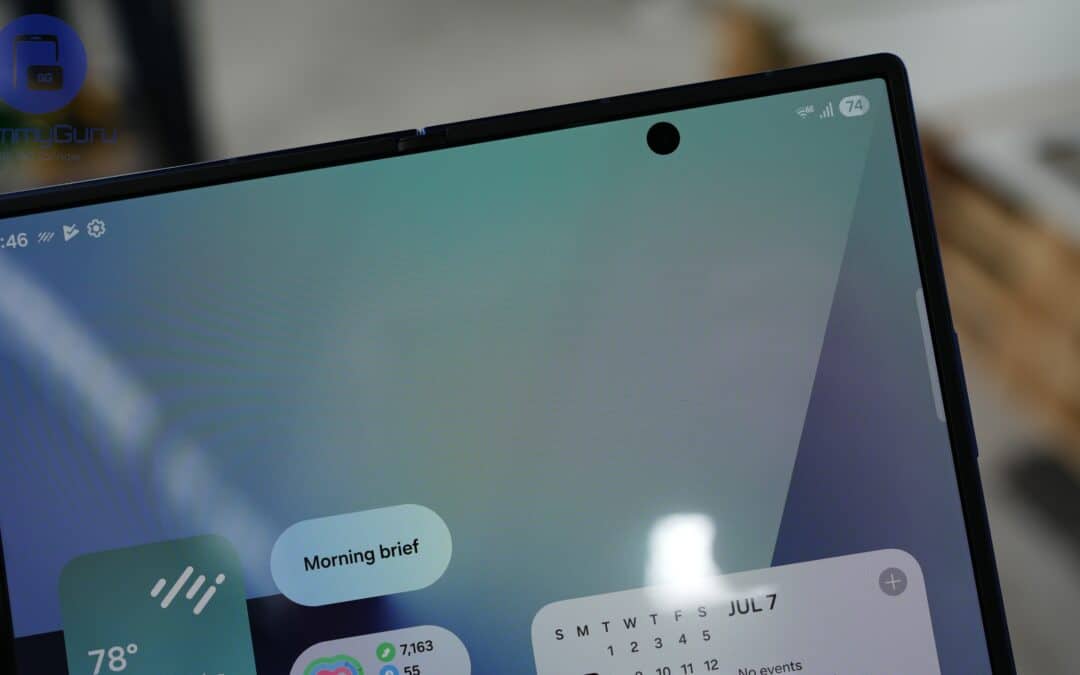
Galaxy Tab S12 Ultra Could Ditch the Notch for a Punch-Hole Display
A modern design upgrade for Samsung Galaxy tablets