Galaxy S26 Ultra vs OPPO Find X9 Ultra Battery: Hardware Is Taking Back Control
SammyGuru is reader-supported. We have affiliate and sponsored partnerships, so we may earn a commission when you buy through links on our site — at no extra cost to you. Learn more.
In this article
- The Industry Is Quietly Moving Toward Two Different Battery Philosophies
- Battery Specifications Only Explain Part of the Experience
- Standby Efficiency Is Becoming Increasingly Important
- The Physical Tradeoffs Behind Larger Batteries
- Why Silicon-Carbon Batteries Matter
- Charging Philosophy: Similar Protection, Different Experience
- Qi2, Magnetic Charging, and Ecosystem Direction
- The Battery Starts Disappearing From Your Mind
- Current Comparison Standing
In 2026, flagship battery behavior has become far more complex than a single benchmark result can explain. Signal quality, standby activity, thermal conditions, AI workloads, camera processing, display brightness, app behavior, and network stability can all influence endurance even between devices tested under similar conditions. That is why two phones with similar battery-test results online can feel completely different in real ownership.
And after using the Galaxy S26 Ultra and OPPO Find X9 Ultra side by side for extended periods, that difference becomes difficult to ignore. It also shows a broader industrial shift. Let me explain.
The Industry Is Quietly Moving Toward Two Different Battery Philosophies
For years, companies like Samsung, Apple, and Google focused heavily on maximizing endurance through software efficiency, workload management, thermal balancing, and tighter power control rather than dramatically increasing battery capacity itself. Apple refined aggressive background management inside iOS, while Samsung balanced larger displays, higher resolutions, multitasking flexibility, and more open background behavior through One UI optimization and thermal scheduling.
That strategy worked remarkably well. But the flagship market is now beginning to shift toward something more physical alongside those software improvements. Manufacturers like OPPO, vivo, Xiaomi, and HONOR are aggressively pushing silicon-carbon battery technology into mainstream flagship devices. The goal is no longer simply improving efficiency through software alone, but also increasing usable energy density while maintaining practical flagship dimensions and charging behavior.
These companies are chasing hardware-based upgrades because software optimization eventually approaches diminishing returns in certain usage scenarios. Of course, hardware evolution also faces limits involving heat, volume, charging density, long-term durability, and ergonomics. However, battery chemistry and packaging technologies are evolving rapidly enough to meaningfully reshape real-world endurance expectations. This shift is now starting to influence ownership experience itself.
Battery Specifications Only Explain Part of the Experience
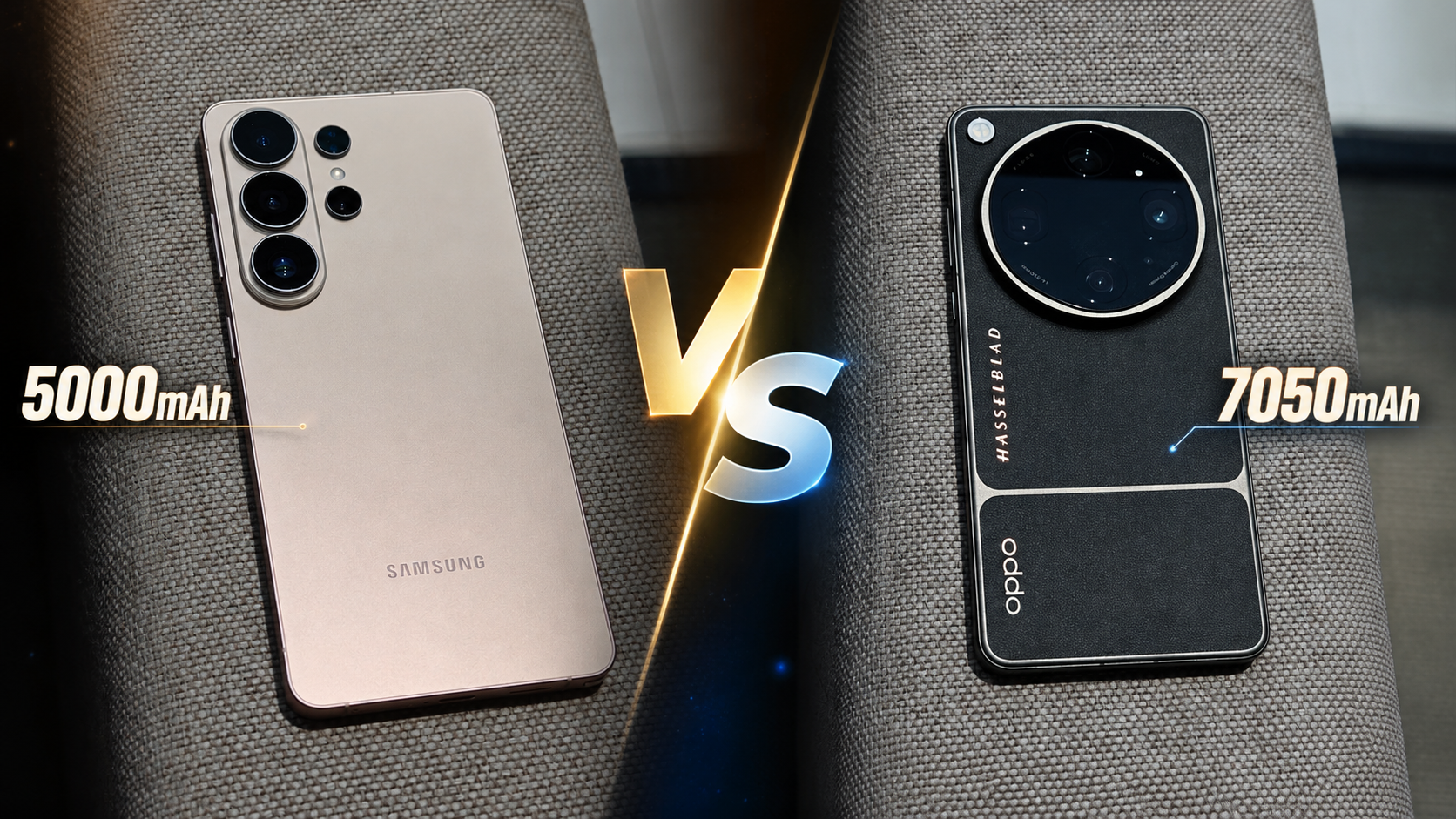
The Galaxy S26 Ultra ships with a 5,000mAh lithium-ion battery alongside Samsung’s 60W Super Fast Charging 3.0 implementation and 25W Qi2 wireless charging support. The OPPO Find X9 Ultra takes a more aggressive route with a 7,050mAh silicon-carbon battery. It is paired with 100W SUPERVOOC wired charging and 50W AIRVOOC wireless charging.
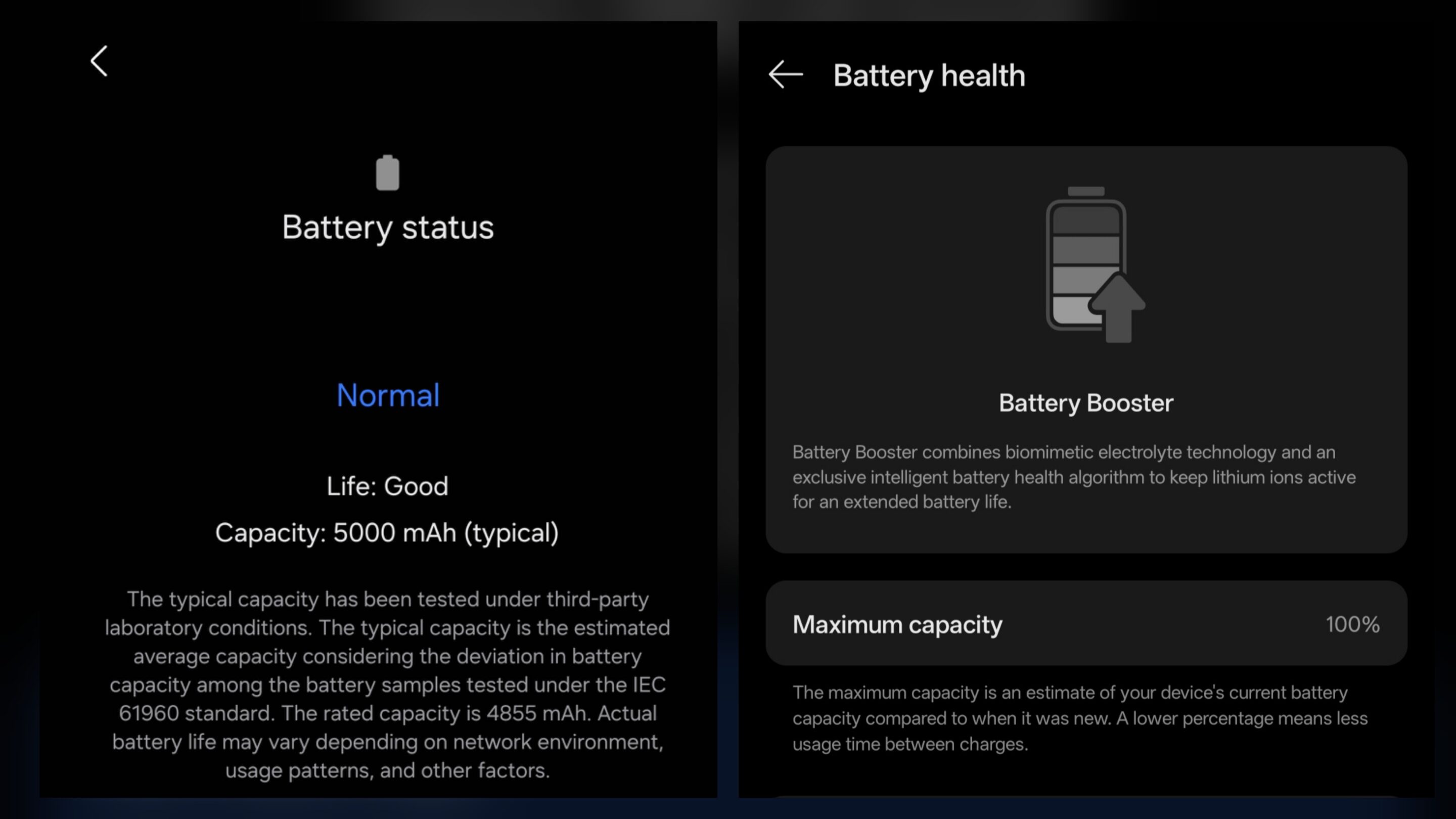
On paper, the difference already appears significant. But the separation becomes easier to notice after living with both phones for several days rather than simply reading specification sheets or short benchmark summaries.
With moderate to heavier mixed usage, the Find X9 Ultra can realistically push into comfortable one-and-a-half to two-day territory depending on workload, connectivity conditions, standby behavior, temperatures, and app activity.
The Galaxy S26 Ultra still delivers strong endurance by traditional flagship standards and can comfortably last through a full day for most users. But compared to the larger reserve inside the Find X9 Ultra, Samsung’s battery behavior still feels more dependent on active battery awareness during heavier usage periods.
Standby Efficiency Is Becoming Increasingly Important
The biggest battery differences in modern flagship phones no longer appear only during synthetic benchmark loops or isolated screen-on-time measurements. They often appear during standby behavior.
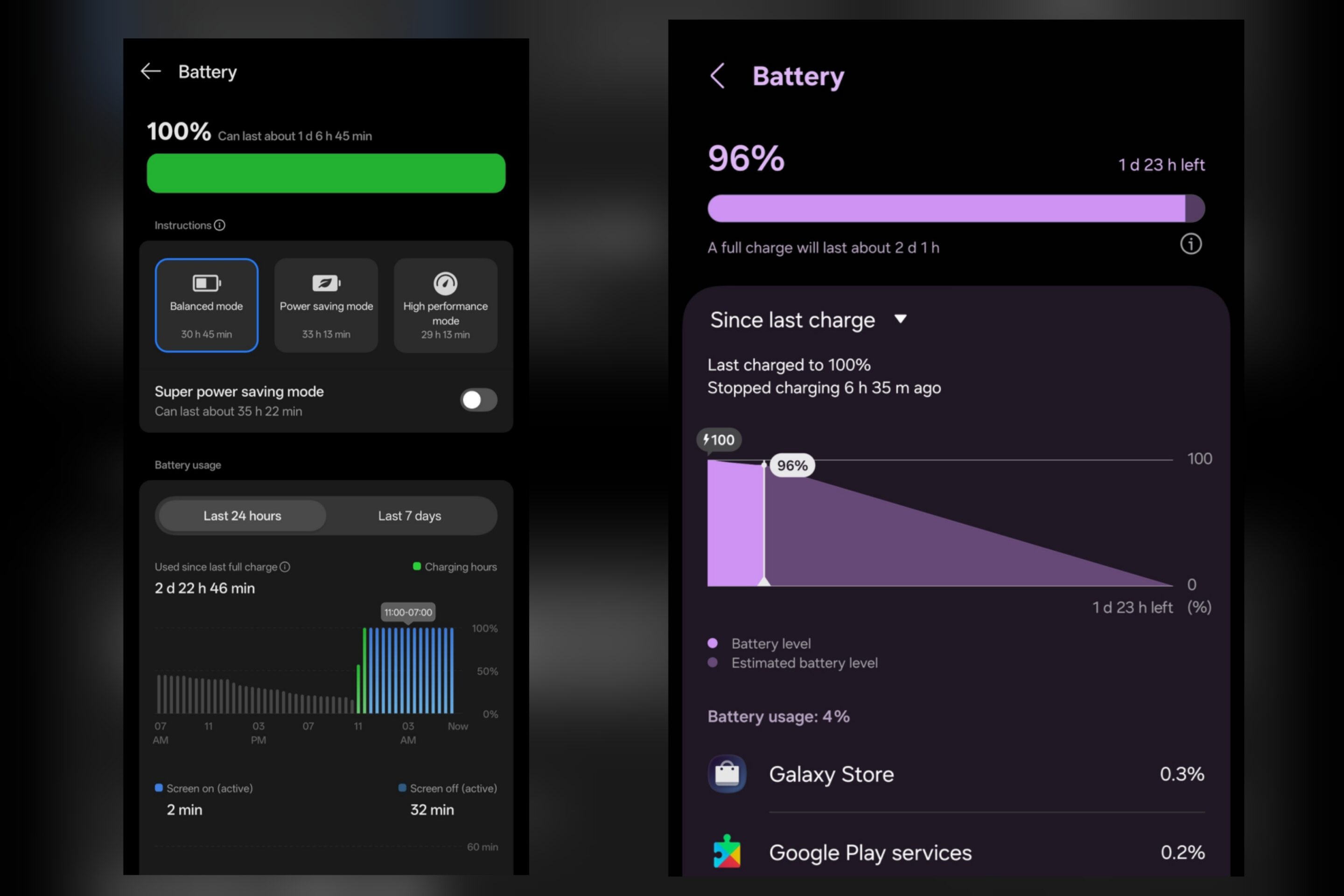
Modern smartphones constantly process wearable syncing, cloud activity, AI indexing, notifications, app refresh behavior, location services, camera preparation systems, and network communication, even while sitting untouched on a desk. That means standby efficiency now matters almost as much as active usage itself.
And this is where the Find X9 Ultra begins separating itself more clearly. Under similar usage conditions, the OPPO phone consistently creates a larger endurance buffer throughout the day, especially during heavier workloads involving cameras, mobile data usage, prolonged standby periods, navigation, or extended media consumption.
The difference is not always about dramatic screen-on-time gaps in every situation. It is more about how rarely the OPPO feels close to running low compared to more traditional flagship battery sizes.
And over time, that changes the ownership experience significantly. You wake up with nearly the same percentage you slept with on the OPPO. Meanwhile, the Galaxy S26 Ultra still feels slightly more dependent on active battery awareness during heavier usage periods.
The Physical Tradeoffs Behind Larger Batteries
One thing OPPO genuinely deserves credit for is how effectively the Find X9 Ultra hides the scale of its battery internally. Despite carrying a 7,050mAh cell, the device still maintains a relatively sleek flagship profile that avoids looking like a traditional “battery-focused” smartphone.
Physics still demands compromise somewhere. The Find X9 Ultra weighs roughly 235–236 grams, depending on market configuration, while the Galaxy S26 Ultra sits closer to around 214 grams. That difference becomes noticeable during long camera sessions, gaming, prolonged scrolling, or extended one-handed use.
Samsung’s decision to remain at 5,000mAh is not simply a conservative approach. It is also tied to ergonomics, thermal distribution, internal packaging priorities, weight balance, and long-term comfort. OPPO, on the other hand, prioritized maximizing endurance reserves.
Why Silicon-Carbon Batteries Matter
All lithium-based batteries degrade over time. Charging cycles, sustained heat exposure, voltage stress, charging behavior, and long-term usage patterns affect battery health regardless of the chemistry. The real advantage of silicon-carbon technology is improved energy density compared to more traditional graphite-heavy lithium-ion designs.
Traditional lithium-ion batteries rely heavily on graphite anodes, which physically limit how much lithium can be stored within compact smartphone batteries. Silicon can theoretically store substantially more lithium ions than graphite, allowing manufacturers to increase capacity more efficiently within limited internal space constraints.
The challenge is that silicon expands significantly while absorbing lithium ions during charging. Earlier silicon-heavy designs struggled with instability, swelling stress, and faster degradation because repeated expansion placed enormous pressure on the internal structure of the battery.
Modern silicon-carbon batteries reduce much of this problem by using composite structures that combine silicon with carbon-based stabilization materials designed to better manage expansion behavior and improve structural durability across repeated charging cycles.
That engineering evolution is what allows devices like the Find X9 Ultra to exist with battery capacities that would have been extremely difficult to achieve in mainstream flagship form factors only a few years ago.
While silicon-carbon batteries may degrade faster than traditional lithium-based batteries, starting from a much larger usable capacity reserve can help long-term endurance remain comparatively strong even after extended usage periods. That is one of the biggest practical advantages larger-capacity battery architectures currently provide.
Charging Philosophy: Similar Protection, Different Experience
Samsung and OPPO actually behave more similarly than many people assume once charging begins in real-world conditions. Neither device sustains peak charging wattage continuously from 0 to 60 or 100%. Both dynamically adjust voltage, current, charging speed, and thermal behavior depending on battery percentage, internal temperatures, workload conditions, and environmental heat. That is normal modern charging behavior.
The difference is less about whether one company protects battery health while the other does not. Both already implement extensive thermal and charging management systems designed to balance speed, heat, efficiency, and long-term durability.
The larger difference is the charging ceiling itself. Samsung operates within a more conservative 60W charging window, while OPPO pushes a substantially higher 100W peak alongside a much larger battery reserve. As a result, shorter charging sessions on the Find X9 Ultra often feel more impactful during daily usage, especially during heavier camera days, travel, or inconsistent charging routines.
Qi2, Magnetic Charging, and Ecosystem Direction
The Galaxy S26 Ultra supports Qi2 wireless charging, but magnetic attachment still relies on compatible magnetic cases because Samsung does not integrate a full native magnetic ring directly inside the phone chassis.
OPPO follows a relatively similar direction. Its magnetic accessories also primarily rely on dedicated magnetic cases. That means neither company currently delivers the same deeply integrated magnetic attachment approach that Apple introduced through MagSafe.
The Battery Starts Disappearing From Your Mind
This is the part many traditional battery reviews still fail to capture. After using the Find X9 Ultra for extended periods, you gradually stop thinking about battery percentage entirely. Leaving home with 50% remaining stops feeling risky. Long camera sessions become less calculated. Carrying a power bank starts feeling less necessary. Overnight standby drain becomes less mentally important.
The battery slowly disappears from your mind. That is the real premium experience larger battery reserves can create when combined with strong optimization.
Current Comparison Standing
This comparison series is designed around long-term flagship ownership rather than isolated benchmark wins or specification advantages alone. Each category focuses on what genuinely changes the daily experience of using these devices — including camera behavior, endurance consistency, charging flexibility, usability, and system refinement.
After evaluating the telemacro capability, zoom performance, design choices, camera usability, pre-order experience, unboxing, and now battery architecture, standby efficiency, and charging experience, the OPPO Find X9 Ultra currently extends its lead in the overall comparison.
Current standing so far:
- Samsung — 3
- OPPO — 5.5
The gap is becoming increasingly difficult to ignore. But the comparison is still far from finished. Upcoming categories, including Auto mode processing, RAW photography, portrait rendering, display quality, One UI ecosystem advantages, audio performance, and long-term software refinement, may still shift the balance significantly. Stay tuned.


Follow us on Google Discover & set us as a preferred source in Google News
Share this Post
___________________________


New Blog Posts
___________________________

Samsung’s Odyssey G8 Will Power Crimson Desert Demos at Gamescom 2026
In Cologne, August 36-August 30
Galaxy S25+ and Galaxy Tab A11 Are Cheaper Than Ever at Walmart
Your wallet will thank you
Samsung Develops GAIA Accelerator to Power AI PCs
The accelerator will use a 4nm semiconductor process