OPPO Find X9 Ultra vs Galaxy S26 Ultra: Auto Video Performance
SammyGuru is reader-supported. We have affiliate and sponsored partnerships, so we may earn a commission when you buy through links on our site — at no extra cost to you. Learn more.
In this article
- Image Quality: Where OPPO’s Hardware Speaks First
- Lens Transitions: Samsung’s Quiet Refinement
- Stabilization: Reliability Beats Raw Capability
- Recording Flexibility: OPPO Pushes the Ceiling Higher
- 8K Recording: Two Different Philosophies
- APV Codec: Samsung Builds for Where Video Is Headed
- Camera Settings: Samsung’s Long-Game Advantage
- Auto Video Performance Verdict
- Current Comparison Standing
- Related Deals
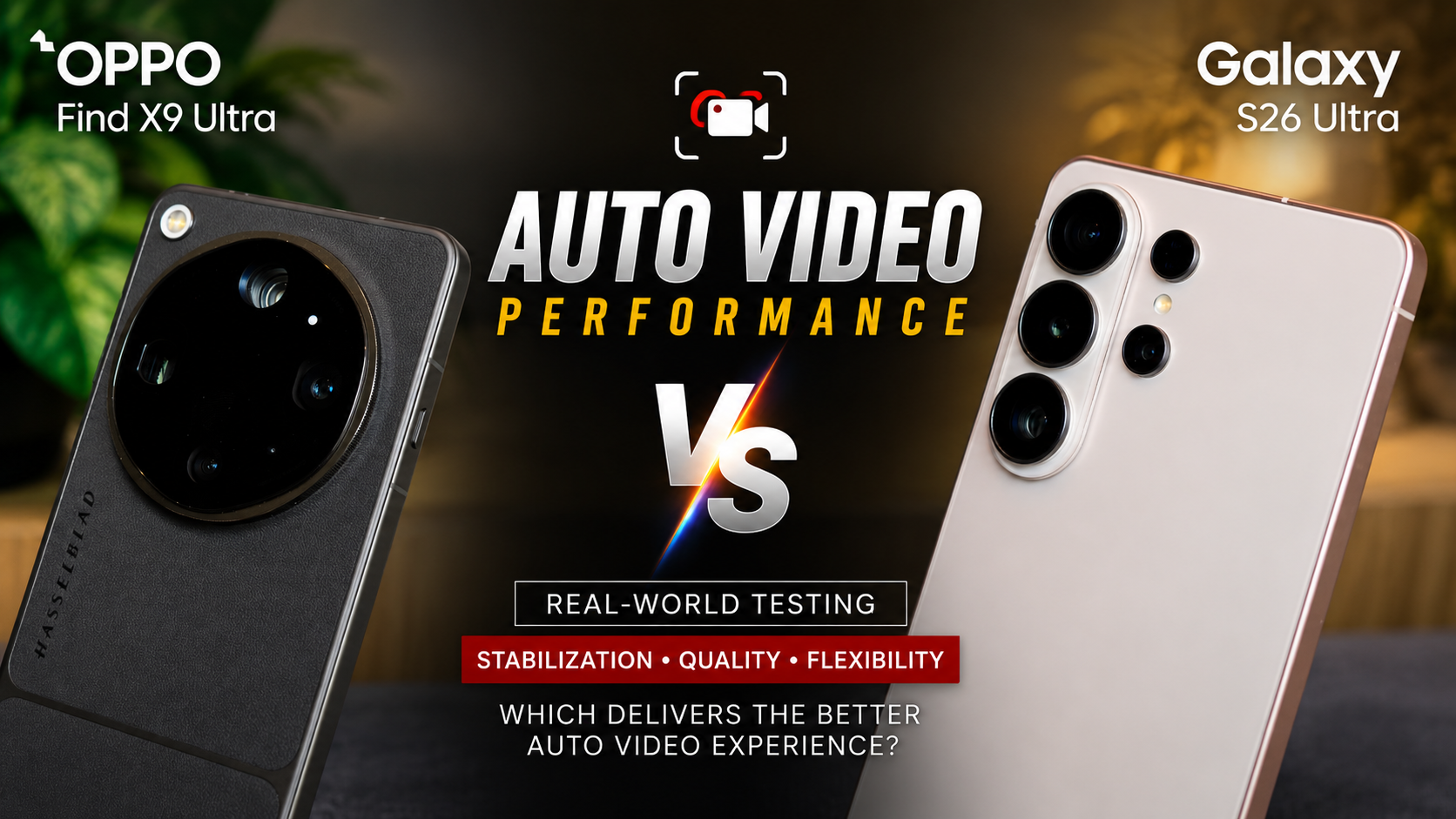
Photography comparisons settle in a single frame. Video never does. Every clip tests image quality, stabilization, lens behavior, exposure shifts, audio capture, and processing decisions all at once. This is exactly what makes the comparison between the OPPO Find X9 Ultra and Galaxy S26 Ultra’s Auto Video performance one of the most layered tests in this series. Neither phone wins cleanly here. Both expose real strengths, but both reveal real limits too.
That complexity turns this category into more than a spec comparison. After extended side-by-side recording across daylight streets, nighttime, dim interiors, and zoomed telephoto scenes, a clear pattern emerges: OPPO consistently produces the stronger raw image, while Samsung consistently produces the more complete system around it. The interesting part isn’t who wins — it’s why those two outcomes don’t fully overlap.
Image Quality: Where OPPO’s Hardware Speaks First
At the primary and ultra-wide level, the gap nearly disappears. Under good lighting, the Find X9 Ultra and Galaxy S26 Ultra produce footage that’s difficult to tell apart without zooming into individual frames, matched exposure, comparable dynamic range, and similarly confident detail retention. The real separation begins only once the telephoto lenses are asked to do the heavier work.
OPPO’s 3x and 10x cameras pull ahead of Samsung’s 3x and 5x telephoto setups, and the advantage grows as conditions get harder. Telemacro shots, mixed lighting, and low-light scenes are where the Find X9 Ultra’s hardware shows its hand. Detail holds up, subject separation looks more natural, and the image carries a steadiness. Samsung’s telephoto output doesn’t quite match under the same conditions.
None of this is subtle once the zoom ring moves past 3x. For raw telephoto video quality, the advantage belongs to OPPO.
Lens Transitions: Samsung’s Quiet Refinement
Lens transitions rarely get attention until they go wrong, which is precisely why they matter so much to how “professional” footage feels. Samsung’s zoom bar makes continuous zoom on the Galaxy S26 Ultra feel deliberate rather than mechanical, gliding from ultra-wide through high zoom levels without the abrupt steps that break immersion in handheld footage.
Switching between fixed lenses is closer between the two phones, but Samsung still holds a slight edge in consistency during fast-changing scenes. It’s a small margin on paper, yet video lives or dies on continuity, and Samsung currently protects that continuity a little more reliably than OPPO does right now.
Stabilization: Reliability Beats Raw Capability
Stabilization is the category where good footage quietly becomes unwatchable footage, and it’s also where Samsung’s edge is least debatable. Across ordinary walking shots and everyday handheld recording, the Galaxy S26 Ultra holds steady across every lens without needing a special mode switched on first. The result is predictable before the recording even starts.
OPPO’s situation is messier. The Find X9 Ultra’s 3x camera still shows stabilization inconsistencies, a carryover issue from its Action Video Mode behavior, and it persists whether Ultra Steady is on or off. The telephoto hardware clearly has more to give than the current stabilization software lets it deliver. The gap between potential and performance is exactly where OPPO loses this round.
Recording Flexibility: OPPO Pushes the Ceiling Higher
This is where OPPO earns real credit back. The Find X9 Ultra records up to 4K 120fps directly inside Auto Video, no mode-switching required, while Samsung caps Auto Video at 4K 60fps and reserves 120fps for Pro Video. Because Auto Video is the mode most people actually shoot in day to day, that difference isn’t a footnote — it’s a meaningfully wider creative ceiling available by default.
8K Recording: Two Different Philosophies
On a spec sheet, Samsung looks like the clear winner here — 8K 30fps HDR across ultra-wide, primary, and telephoto, with extended zoom ranges available while still recording at 8K. OPPO limits 8K to SDR through its primary and 3x cameras, pushing further zoom digitally rather than optically.
But specifications never define the whole story, and that’s evident once the footage actually plays back. OPPO’s 3x camera produces image quality strong enough in difficult lighting to make its narrower 8K mode more genuinely usable than the feature list suggests, even as Samsung offers more flexibility on paper. Neither phone earns a clean advantage here — this category stays even.
APV Codec: Samsung Builds for Where Video Is Headed
Samsung’s most underrated advantage in Auto Video goes deeper than most coverage acknowledges. Inside Auto Video, the Galaxy S26 Ultra offers both standard Log recording and APV codec support — and those are two distinct things.
APV isn’t a log profile or a color mode. It’s a professional intra-frame codec that natively supports its own Log and HDR options, operating at a level of image preservation that standard H.265 recording cannot match, regardless of bitrate. Log gives users flexible color science. APV gives users a fundamentally different class of format entirely, with Log or HDR already built inside it.
OPPO, by comparison, offers Log recording, but only inside Pro Video, not Auto Video. That’s a single tool, in a secondary mode, against two options at a higher technical level available in Samsung’s default recording experience. The gap isn’t just about workflow convenience. It’s about what each system is actually capable of preserving before an edit begins.
Camera Settings: Samsung’s Long-Game Advantage
Hardware gets the headlines, but settings quietly shape how a camera feels to live with for years. Through Camera Assistant and the native camera menu, Galaxy S26 Ultra owners can adjust lens transition speed, switching sensitivity, video softening, HDR10+ recording, high bitrate capture, Zoom-In Mic, 360 Audio Recording, and audio playback during recording, a depth of control most competitors simply don’t offer.
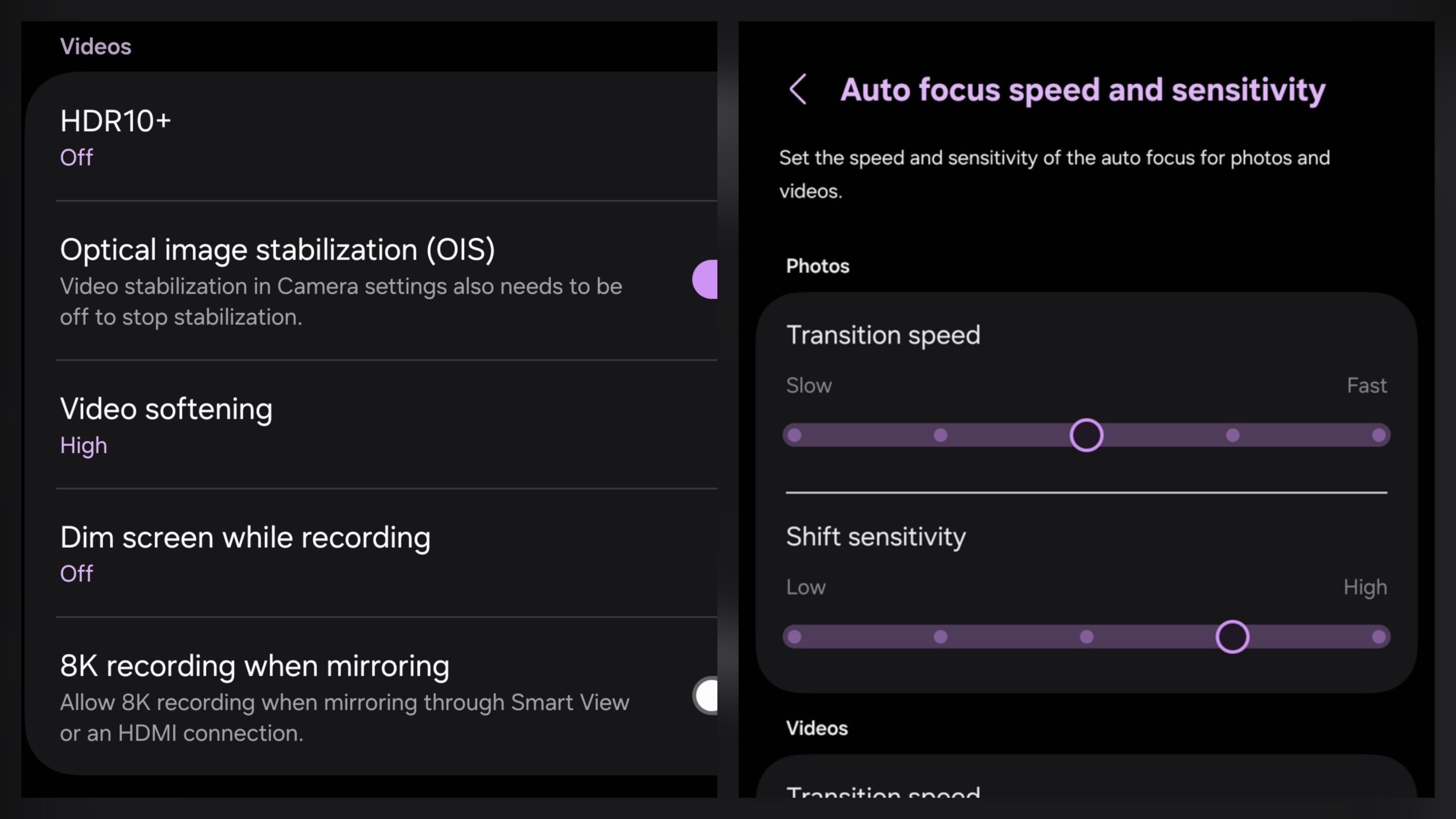
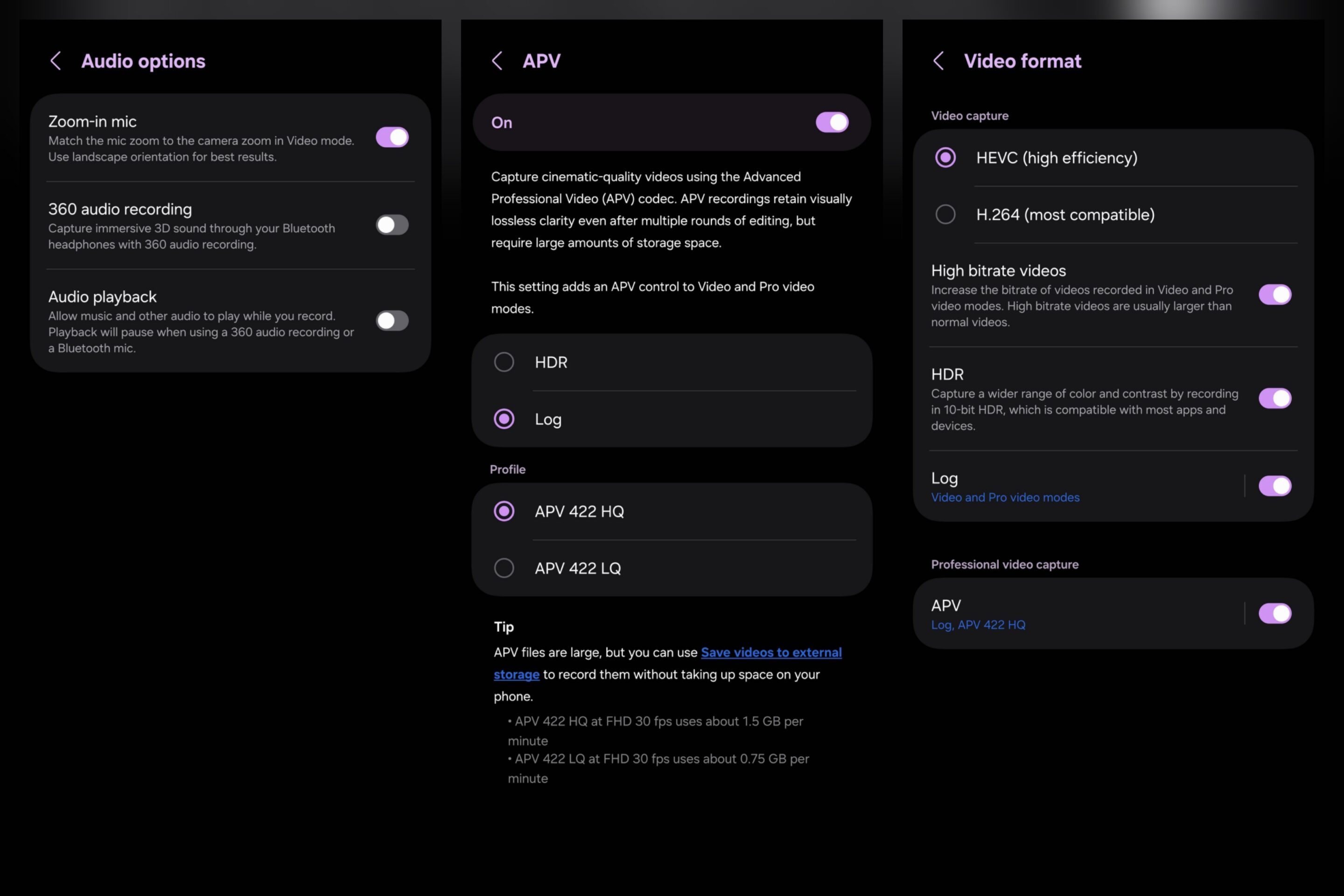
That depth compounds over time. Camera Assistant and its surrounding tools have matured across multiple hardware generations, so when new sensors arrive, the software framework is already built to use them. OPPO’s settings menu covers the essentials clearly and simply, but it leaves noticeably less room for advanced users to shape how the system actually behaves.
The advantage doesn’t show up on a spec sheet. It shows up two years into ownership.
Auto Video Performance Verdict
Auto Video Performance exposes a truth that’s easy to miss when judging phones by camera specs alone: the best hardware doesn’t automatically produce the best video experience. OPPO’s telephoto cameras are genuinely among the strongest in the industry right now, consistently outperforming Samsung in telemacro, low-light, and mixed-lighting video. If this category rewarded captured image quality alone, OPPO would win comfortably.
But Auto Video isn’t a camera-quality test. It’s a system test, and that’s where Samsung closes the distance. Smoother lens transitions, steadier stabilization across every focal length, integrated APV codec support, and one of the deepest customization toolsets on any flagship today add up to something OPPO’s interface doesn’t yet match. Individually, minor advantages that become significant when stacked together across a full day of shooting.
The honest framing is this: OPPO delivers the stronger video image quality. Samsung delivers a more complete video system. Those are two different claims, and the gap between them is exactly why this category turned into one of the closest results in the entire comparison so far.
Auto Video Performance Winner: Galaxy S26 Ultra. Samsung adds one point to the overall scorecard.
Current Comparison Standing
This series isn’t built around isolated benchmark wins — it tracks what actually shapes years of ownership: camera behavior, endurance, charging flexibility, usability, and software refinement. After Telemacro Capability, Zoom Performance, Design, Camera Usability, Pre-order and Unboxing Experience, Battery Architecture, Standby Efficiency, Charging, Auto Mode Photography, RAW Photography, Special Modes, Slow Motion, Action Video Mode, and now Auto Video, Samsung narrows the gap once again.
OPPO holds 15 points to Samsung’s 14, a single-point margin entering one of the most consequential stretches of the comparison. Auto Video may be the clearest evidence yet of how flagship competition is actually changing — OPPO keeps pushing what telephoto hardware can capture, while Samsung keeps proving how much more software can extract from hardware that’s already there.
What started as a comparison of two camera systems is slowly becoming a comparison of two philosophies. Portrait Photography, Pro Video, Display Quality, UI and Ecosystem, Audio, and Long-Term Software Experience are still ahead, and each one carries enough weight to shift the lead again. Hardware sets the ceiling. Software decides how much of it anyone actually gets to use, and in 2026, that gap may decide this entire comparison.
Related Deals


Follow us on Google Discover & set us as a preferred source in Google News
Share this Post
___________________________


New Blog Posts
___________________________
Samsung Prepares One UI 9 for More Budget Devices
We are less than a month away from the official debut

Samsung, Alcedis Team Up to Use Galaxy Watch Biometrics in Clinical Research
The goal is to connect health tracking with scientific research
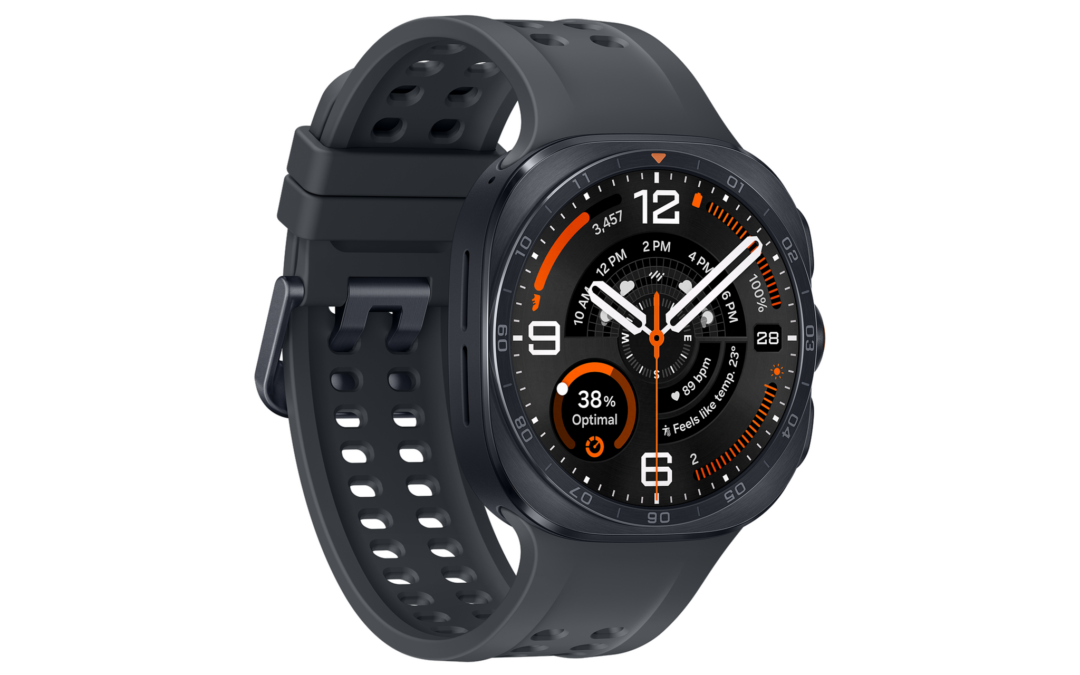
Galaxy Watch Ultra 2 First Look: Feast Your Eyes on These High-Quality Renders
Galaxy Watch Ultra 2 keeps the original design