Samsung SDI’s EV Battery Project With General Motors Sees Setback
SammyGuru is reader-supported. We have affiliate and sponsored partnerships, so we may earn a commission when you buy through links on our site — at no extra cost to you. Learn more.
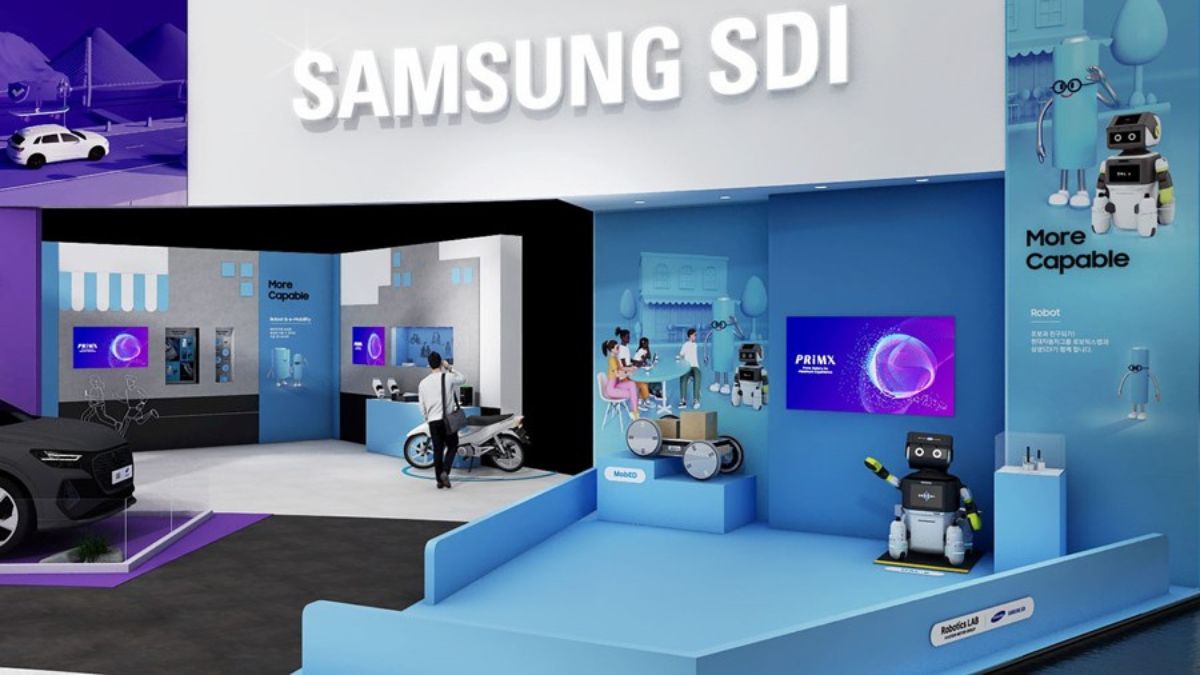
Samsung SDI is seeing losses in its battery business, mainly because of sluggish demand for electric vehicles (EVs). Amid this, the company has now hit a setback in its joint venture with General Motors (GM) on a $3.5 billion battery project. The project has reportedly been paused as the US automaker reviews its EV approach.
Battery venture between Samsung SDI and GM put on hold
As part of a joint venture between Samsung SDI and GM, a battery manufacturing plant was planned in New Carlisle, Indiana. The mass production was targeted for the fall of 2027. The Korean firm was expected to make an annual battery capacity of up to 36 gigawatt hours. This is sufficient to power around 300,000 EVs.
However, it looks like there is now a change in the plans. According to a report from Korea JoongAng Daily, the battery plant has been put on hold. The two companies are reportedly exploring several options for the project. One such option is a shift to battery technology (GM likely seeks lithium iron phosphate units).
Furthermore, GM may also consider withdrawing from the joint venture. This would be similar to its decision last year regarding a third battery plant in Michigan. That project was part of a 50:50 joint venture with LG Energy Solution called Ultium Cells. GM sold its entire stake in Ultium Cells to LG Energy Solution for $2.14 billion.
It will be interesting to see whether the project continues in its original form, is redesigned, or sees GM withdraw from the venture. This uncertainty comes as GM is reassessing its EV capacity and manufacturing footprint. The company is trying to adjust its operations with consumer demand (which is weaker than expected) and lower US EV incentives.
Global automakers are trying to regain more control over production planning and capital spending. As a result, they are stepping back from battery joint ventures, which appears to be a more effective approach.

Written by
Binay KonwarBinay Konwar started his blogging journey in 2014 and has since written plenty of tech articles. At present, he is working as a News Writer at SammyGuru, covering everything about Samsung. He holds a Master's degree in Mathematics, but his real passion lies in tech and writing. In his free time, he enjoys playing chess and watching movies.

Follow us on Google Discover & set us as a preferred source in Google News
Share this Post
___________________________


New Blog Posts
___________________________
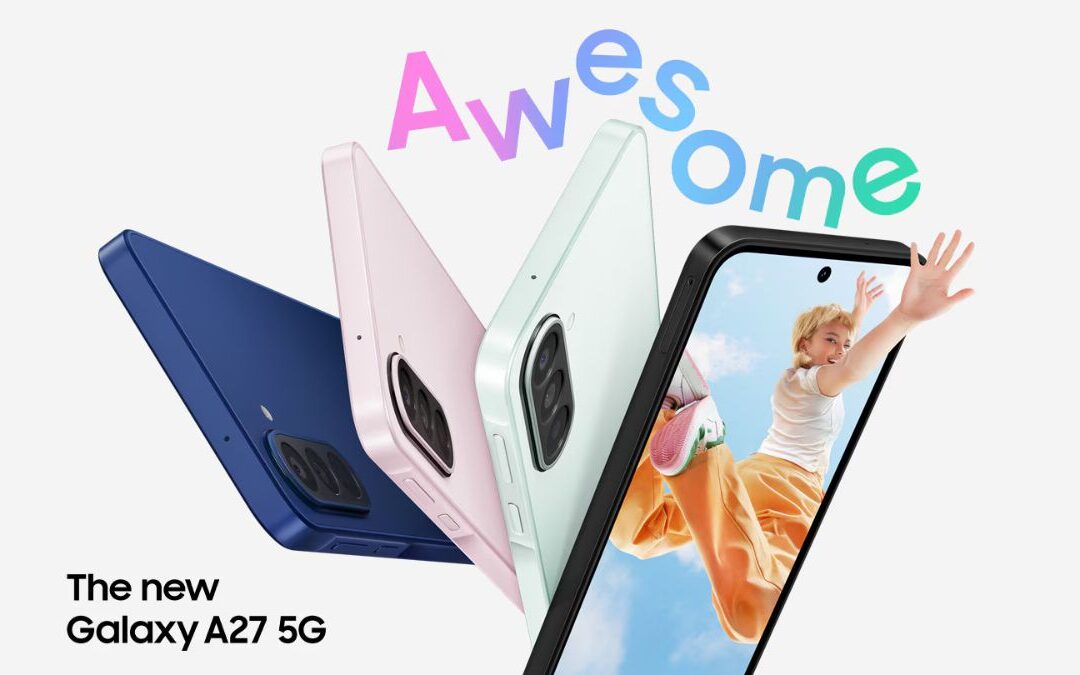
Samsung Galaxy A27 5G Goes Official, Starts at $349.99
The phone features a slim 7.8mm body and a refreshed Infinity-O display

Galaxy Tab S9, S10, S11 and More Tablets Receive June 2026 Update
Samsung brings its June 2026 update to several Galaxy Tab models
Samsung’s Foldable Problem: When Timing Itself Becomes the Disadvantage
Samsung may need to shift its foldable launch