Computex 2026 | AI Feels Mainstream, but Qualcomm Says It’s Still Early Days
SammyGuru is reader-supported. We have affiliate and sponsored partnerships, so we may earn a commission when you buy through links on our site — at no extra cost to you. Learn more.
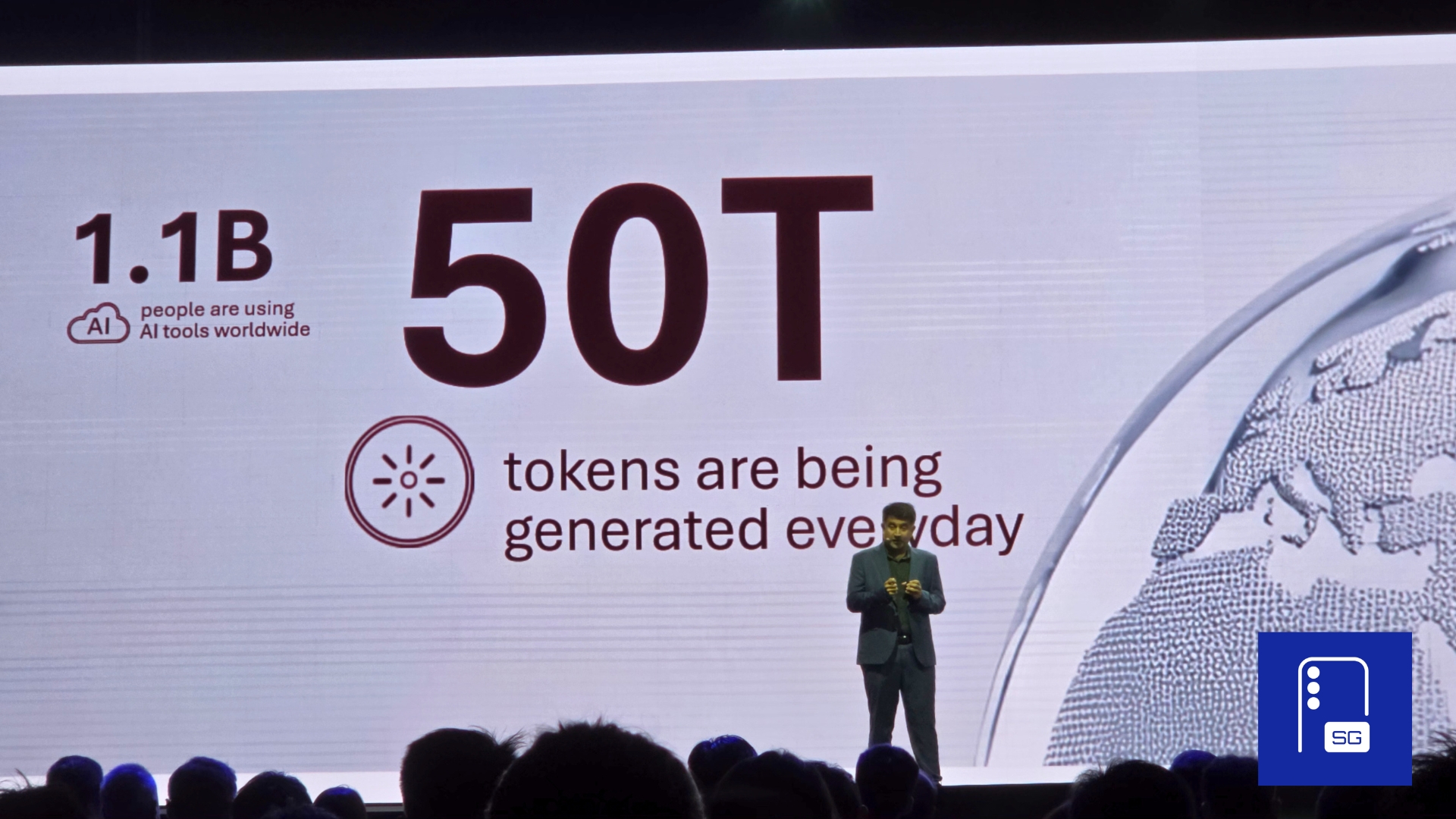
AI might feel like it’s everywhere right now, but the reality is far more grounded. At Computex 2026, Qualcomm revealed that only 1.1 billion people are using AI tools today, which is roughly 13% of the world’s population. That’s a surprisingly small number considering the hype, and it suggests the AI boom is still in its early days.
Qualcomm says AI is still early, despite 50 trillion daily tokens
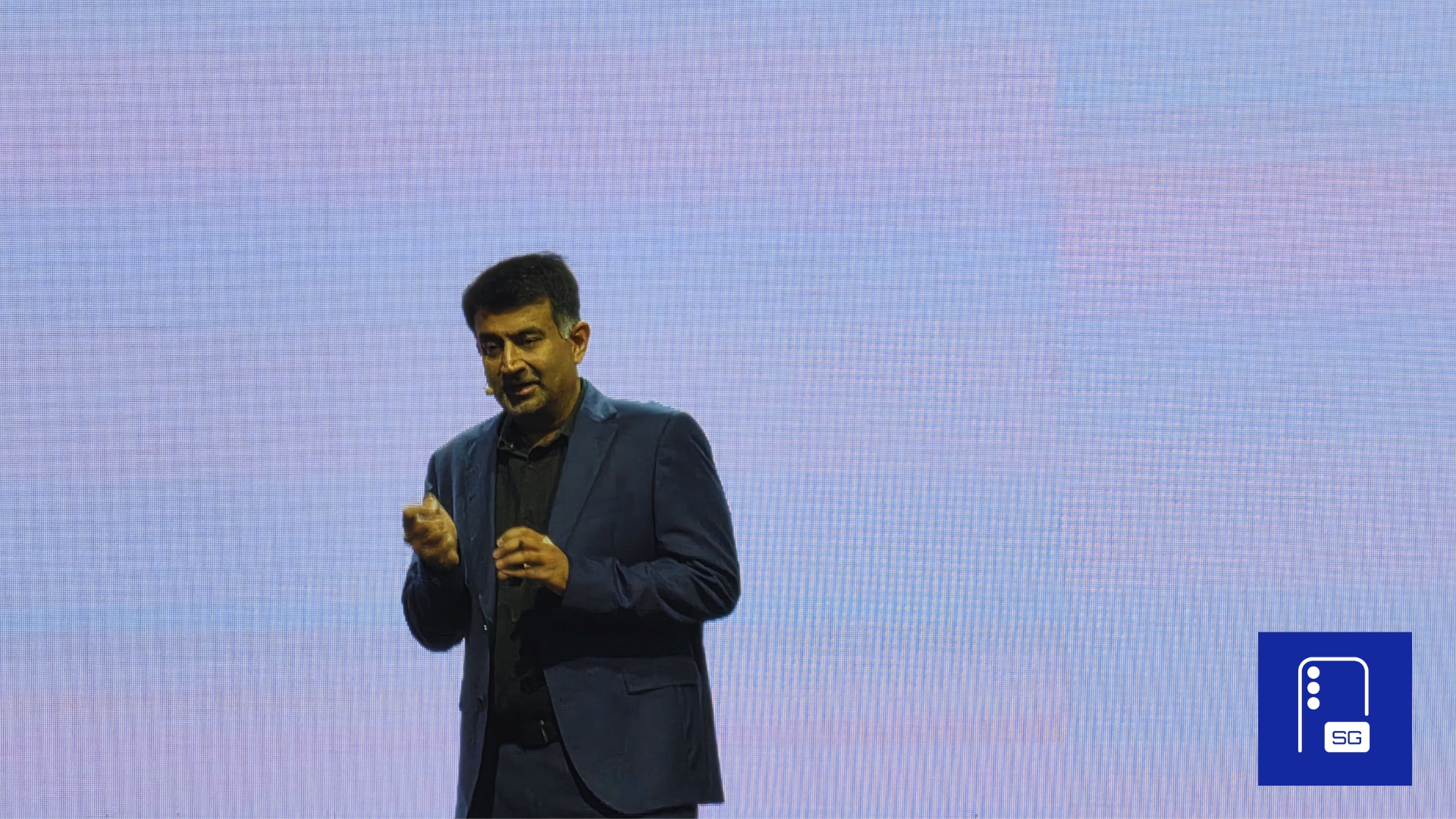
Speaking at a keynote attended by SammyGuru, Qualcomm’s SVP and GM of Compute & Gaming, Kedar Kondap, highlighted just how quickly usage is ramping up. Around 50 trillion tokens are being generated every day, most of which are by regular users. On average, users consume about 5,000 tokens daily, while power users can go as high as 25,000 tokens per day.
But the bigger shift comes from how AI is evolving. Qualcomm believes the next shift will be defined by agentic AI that moves seamlessly across devices. Instead of being tied to a single app or screen, these AI agents can carry context from your phone to your PC. And even across calendars, wearables, and other connected devices.
For SammyGuru readers, that idea might sound similar. Because Samsung has been pushing a similar cross-device AI experience with Galaxy AI, where phones, tablets, and wearables work together more intelligently. Qualcomm’s vision takes that a step further, with agents not only syncing data but also actively completing tasks across devices.
That means you could start a task on your phone and have it continue on your PC without losing context. Or have an AI agent proactively organize your schedule based on data pulled from multiple sources.
Besides these, Kondap also pointed to the massive investments pouring into the space. The global AI spending is already reaching $1.5 trillion. Yet despite that scale, adoption remains relatively low. This brings us to where we began, that the industry in question is still at the beginning of a much larger shift.
More from Computex 2026:
- Samsung’s Ultra Slim OLED Panels Could Make Future Laptops Thinner
- Samsung Shows Off HBM5, Confirms It Uses Heat Path Block (HPB)
- Samsung Showcases 31.5-inch 4K 360Hz QD-OLED Panel

Written by
Abhinav AnandAbhinav Anand is the News Editor at SammyGuru and a technology journalist based in New Delhi. Before joining SammyGuru, he contributed to numerous outlets, including Android Headlines, ExtremeTech, The Mac Observer, Financial Express, Economic Times, iGeeksBlog, KnowTechie, PhonesWiki, SlashGear, and more. You can reach him at [email protected].

Follow us on Google Discover & set us as a preferred source in Google News
Share this Post
___________________________


New Blog Posts
___________________________
Here’s Your First Look at the Galaxy Watch 9
Galaxy Watch 9 leaks in full press renders
Best Samsung Prime Day Deals: Galaxy S26 Ultra, S26, Buds 4 Pro, Fold 7, and More
We’ve curated some of the best Samsung deals for Prime Day

How to Restart or Force-Restart a Frozen Galaxy Phone
This could fix common issues and restore normal performance