TM Roh is a Necessary Figure for Samsung: Here’s Why
SammyGuru is reader-supported. We have affiliate and sponsored partnerships, so we may earn a commission when you buy through links on our site — at no extra cost to you. Learn more.
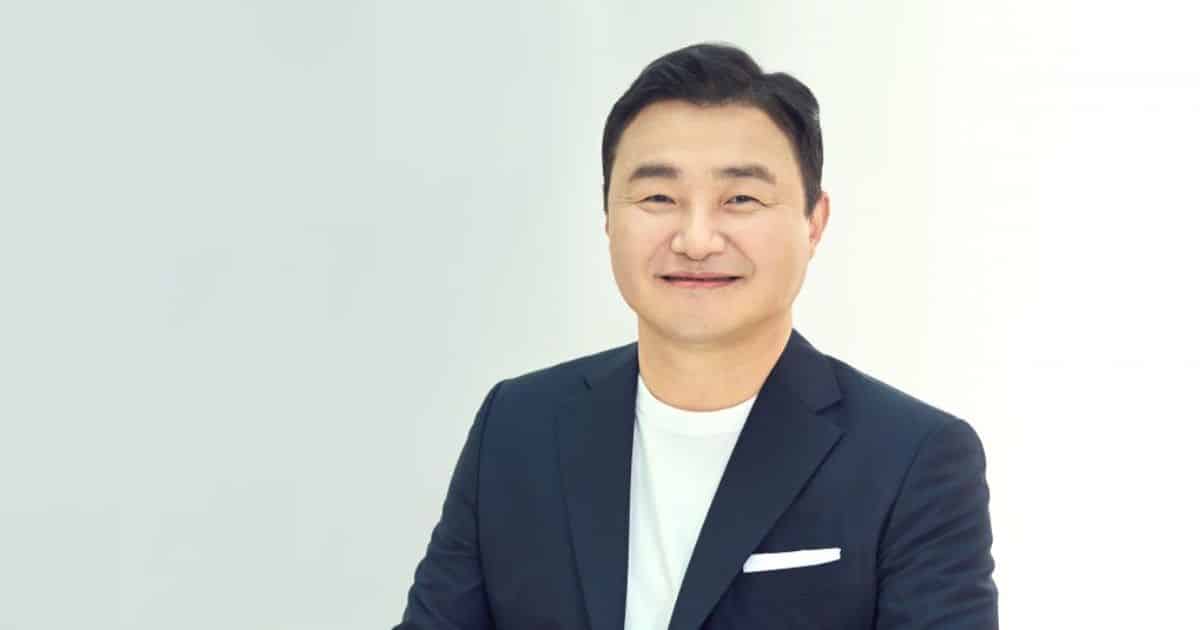
Samsung’s mobile chief, Roh Tae-moon, popularly known as TM Roh, often faces criticism for “cost-cutting” on Galaxy devices. Many users blame him as the sole reason behind these decisions. Many claim Samsung’s flagship devices have stagnated because of his choices. But I disagree; I believe TM Roh remains a necessary figure for Samsung.
Important note: Unless specified otherwise, this discussion focuses on Samsung Mobile Experience (MX), not Samsung as a whole.
A Quick History Lesson
Samsung appointed TM Roh as President and Head of Mobile Communications in January 2020, right at the start of the COVID-19 epidemic. At the end of 2020, Samsung’s profits dropped nearly 30%. In 2021, sales rose, but profits still declined quarter after quarter as marketing expenses surged.
Samsung’s profits plunged further in 2022 due to weak demand for its chips and smartphones; no doubt hurt by the Exynos 2200 and Snapdragon 8 Gen 1. Samsung LSI and MX suffered immensely from the chips’ failures. But TM Roh kept pushing, and it paid off eventually.
A Bright Future for Samsung
TM Roh’s push to improve sales and profits has succeeded. The Galaxy S22 series through the Galaxy S25 series shows a clear upward trend.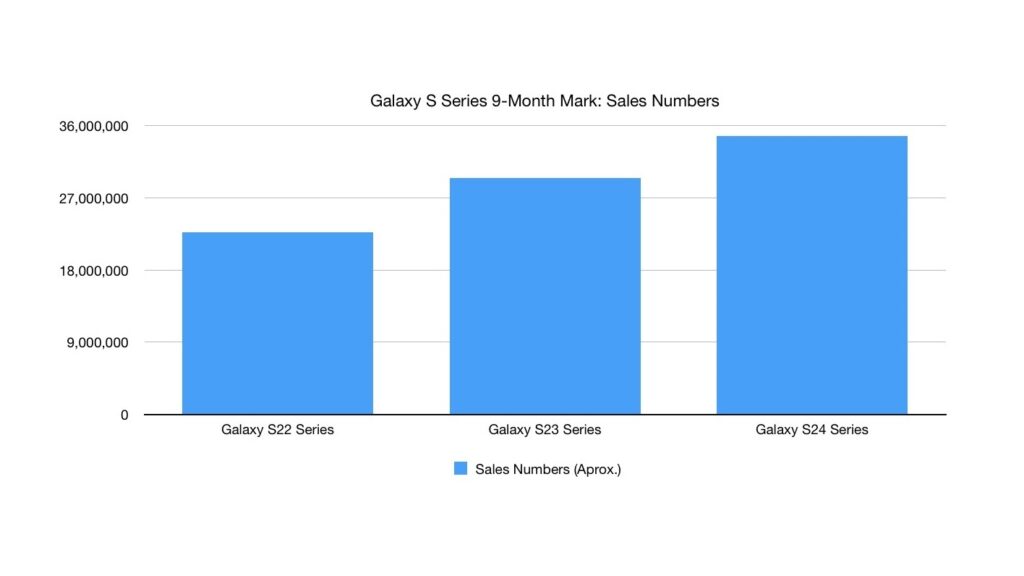
The Galaxy S22 series fell short of its 30 million unit target. I couldn’t source an exact figure, but applying a 23% decrease to the Galaxy S23 series sales gives an approximate number. Ironically, the Galaxy S23 series outsold the S22 by 23% at the 9-month mark.
The Galaxy S23 series delivered a solid improvement. It nearly hit Samsung’s 30 million unit target for the S22, reaching 29,410,000 units at the 9-month mark. The Galaxy S24 series is where Samsung truly found its footing; it achieved roughly 15% growth and added over 5 million units.
The Galaxy S25 Series has an Unexpected but Pleasant Turn
Just like the upward trend from the Galaxy S22 to the Galaxy S24 series, the first 6 months of Galaxy S25 series sales show a similar pattern.
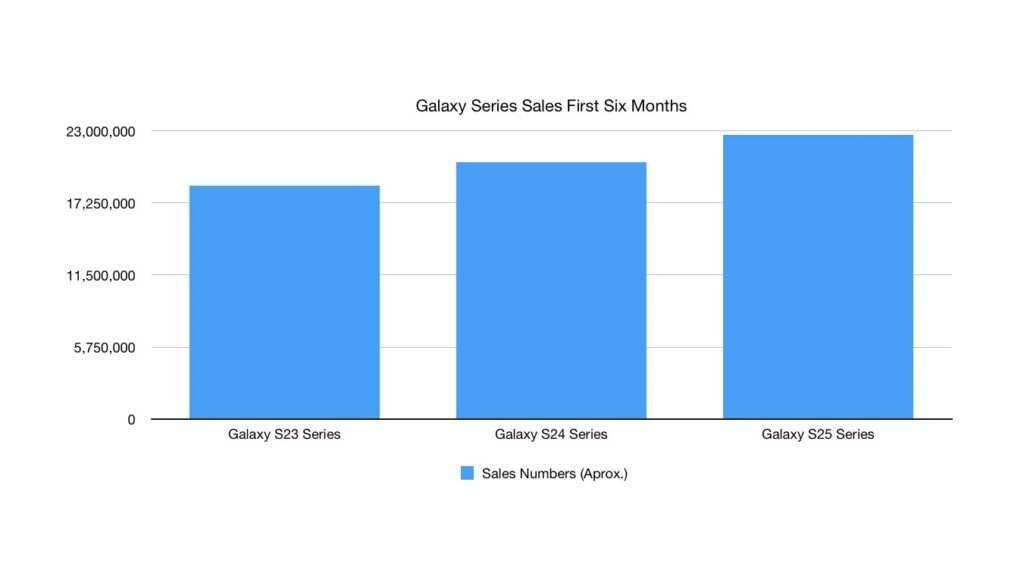
What gets interesting is that toward the end of 2025, the Galaxy S25 series saw a surge in sales instead of the usual downward decline. While unusual, this signals that TM Roh is doing something right.
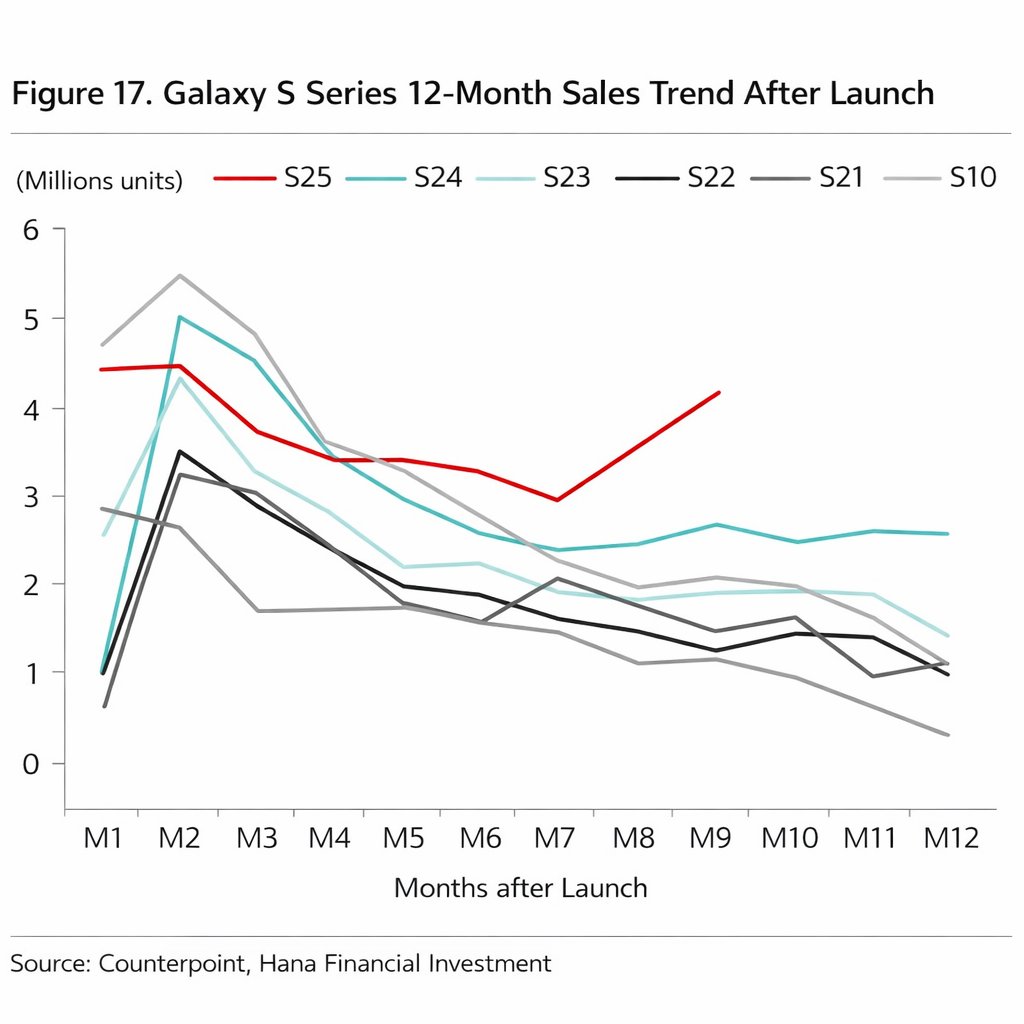
The last five years showed a clear sales decline right before the next generation launched. The Galaxy S25 series defies that trend and surges upward from July to September.
Optimization is the New Focus
TM Roh isn’t chasing maximum hardware improvements. Instead, he focuses on refinement and software optimization. Samsung has ushered in a new era of improvement through pure refinement. This approach has helped the company close the gap in battery life, photography, and display color.
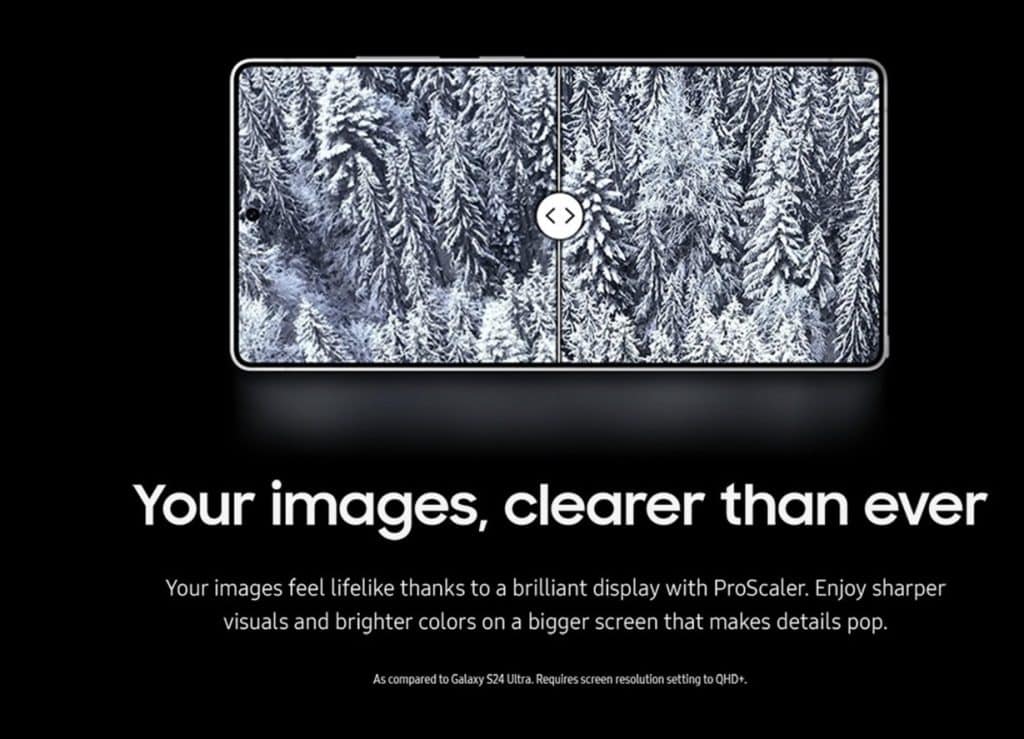
Starting with ProScaler: Even though the Galaxy S25 Ultra uses the same M13 panel as the Galaxy S24 Ultra, switching the display to QHD+ boosts clarity, color, brightness, and vibrancy. Best of all, the Galaxy S25 Ultra eliminates the grainy display issue that plagued the S24 Ultra, especially at lower brightness levels.
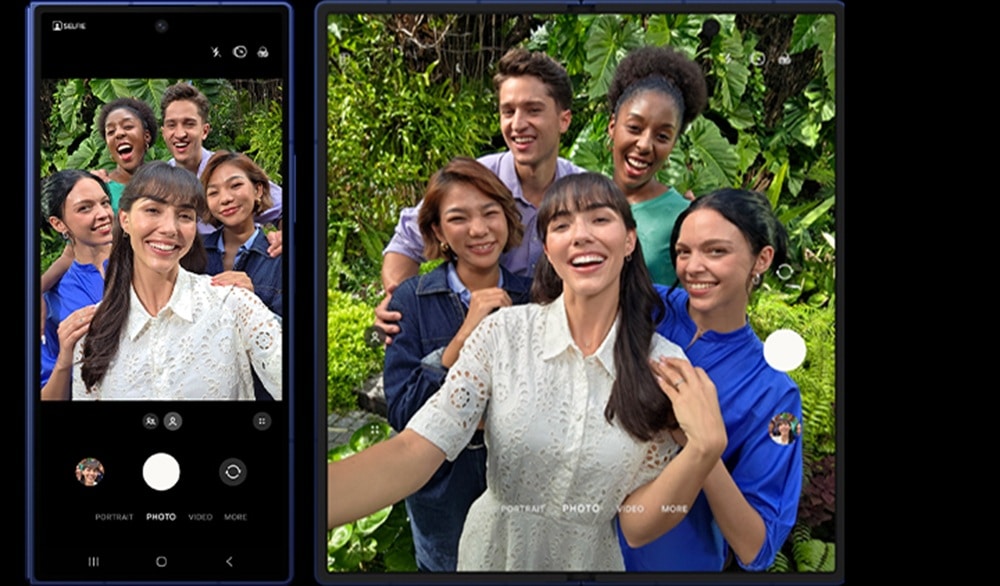
A big highlight is the ProVisual Engine, which debuted on the Galaxy S25 series. It made its way to the Galaxy Z Fold 7, where AI recognizes details in a photo and processes them more effectively. The engine doesn’t generate new details; it simply refines the image when you snap a photo.
The ProVisual Engine delivers better nighttime videos and photos, plus intelligent noise reduction. Despite using the same base technology as the Galaxy S24 Ultra, the Galaxy S25 Ultra delivered a big boost over its predecessor.
Similarly, the Galaxy S26 Ultra received similar tuning on the display. No doubt the privacy display increased the cost of production, but Samsung wanted to improve the color reproduction without increasing cost.
Source: Smartprix
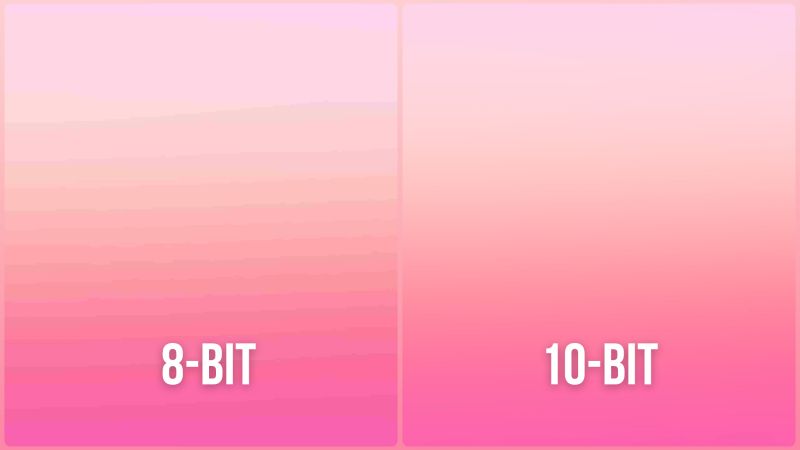
They opted for an 8-bit panel with Frame Rate Control, a form of temporal dithering. It would flash two colors simultaneously to simulate a 10-bit panel. This may help improve efficiency over a 10-bit panel, while the bandwidth is the same with FRC enabled. When FRC is not in use, the bandwidth would decrease, which results in efficiency gains, even if they’re small. Every bit counts.
While these advancements impress on paper, Samsung’s flagships still suffer from several frustrating shortcomings that need immediate attention.
We need Proper Communication
Communication remains Samsung’s biggest weakness. The update schedule stays inconsistent; we hear one thing from beta moderators and customer support staff, but experience something completely different. Samsung’s products suffer from poor representation. How many users miss out on what you actually offer simply because the company failed to communicate properly? The S-Pen, DeX, and even Samsung apps and services all suffer from this.
Recently, at the Unpacked event, Samsung’s press team handed out wrong or incomplete information about the Galaxy S26 series. They completely omitted the Exynos 2600, ignored the Plus model’s refreshed sensors, and worst of all, let tech journalists believe the Galaxy S26 Ultra features a true 10-bit panel.
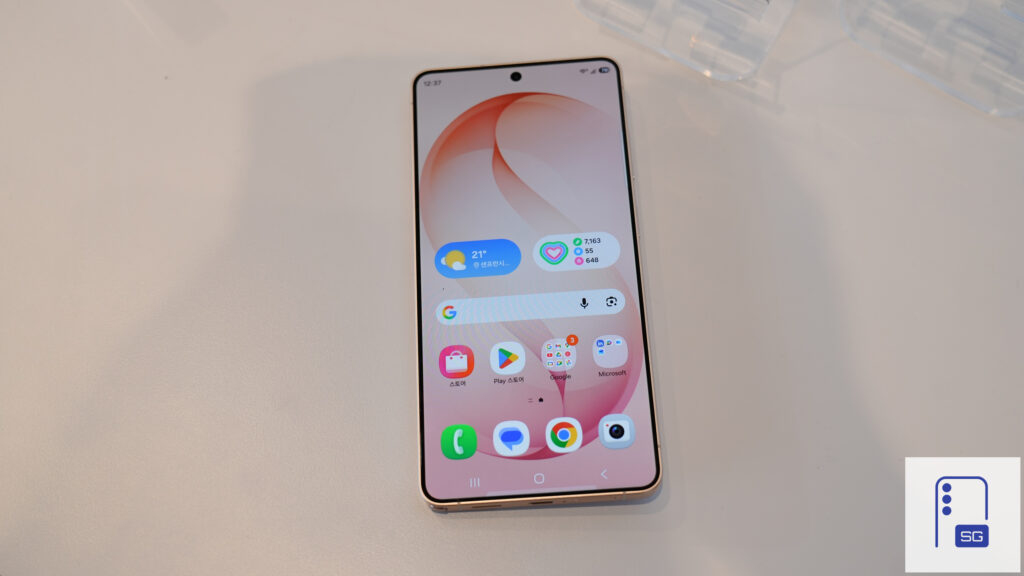
TM Roh, we need proper advertising and clear communication. Right now, tech journalists are being actively misled due to Samsung’s miscommunication.
The Future of Samsung is in Good Hands
Despite the criticism surrounding Samsung’s recent hardware decisions, the company still needs TM Roh’s leadership, especially now amid the global chip and RAM crisis. His methods are clearly working. Samsung has already increased production for the Galaxy S26 series as demand is growing. Pre-orders for the S26 series also surpassed last year’s numbers, proving his approach delivers results.
The world currently faces serious challenges: RAM shortages and the relentless push for AI everywhere. TM Roh’s steady hand is vital to stabilize Samsung during these troubled times. As an enthusiast, I don’t agree with every decision he makes. Still, I believe TM Roh’s leadership will guide Samsung past the current crisis, and future flagship generations will shine.

Written by
Aladdien FadhelAladdien Fadhel provides Samsung reviews and in-depth analysis for SammyGuru. By tracking the development of One UI and exploring Samsung's product roadmap, he delivers insights designed to benefit both the manufacturer and the user. A dedicated tinkerer, Aladdien prefers fine-tuning his current hardware to maximize its potential rather than opting for an immediate upgrade.

Follow us on Google Discover & set us as a preferred source in Google News
Share this Post
___________________________


New Blog Posts
___________________________
Samsung Quietly Listed a New Entry Level 990 PCIe 4.0 SSD
It drops DRAM for HMB

Samsung’s First Bone-Conduction Earbuds May Be Called Galaxy Able
Name hidden no more
Samsung Accidentally Confirms Galaxy Watch 9 and Galaxy Watch Ultra 2
Coming very soon