Smartphone AI Zoom is Reaching a Dangerous Turning Point — What Are We Actually Looking At?
SammyGuru is reader-supported. We have affiliate and sponsored partnerships, so we may earn a commission when you buy through links on our site — at no extra cost to you. Learn more.
In this article
- Smartphone photography stopped being “pure optics” a long time ago
- Samsung’s 30x zoom reveals the shift very clearly
- OPPO takes a different path — but AI is still involved
- Then came the strange experiment
- Are we still looking at photography anymore?
- The future of smartphone photography may not be photography at all
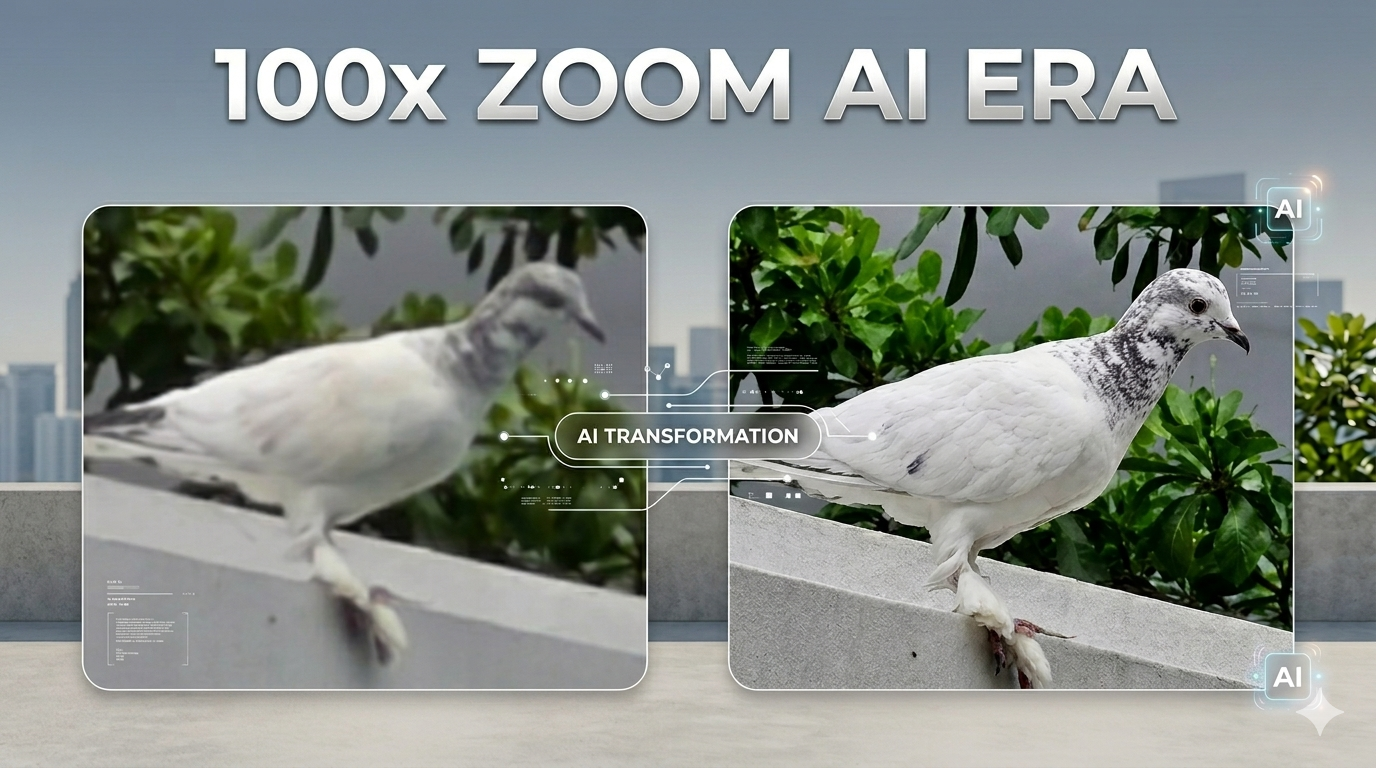
Smartphone AI zoom photography is entering a strange new era, and the line between captured detail and generated detail is becoming harder to see. What started as computational photography designed to assist small sensors is now evolving into something much deeper: real-time image reconstruction powered by increasingly advanced AI models.
And after recent testing between Samsung, OPPO, and externally regenerated AI-enhanced images, this is where things start getting uncomfortable. Because sometimes, the image that looks more natural may actually be the one that was partially regenerated.
Smartphone photography stopped being “pure optics” a long time ago
Modern smartphone cameras are already heavily dependent on computational photography. Every photo captured on today’s flagship phones passes through multiple layers of processing before users ever see the final result. Noise reduction, HDR stacking, multi-frame fusion, texture enhancement, detail recovery, semantic segmentation, and AI sharpening all happen within milliseconds.
This is not new. What is new is how aggressively AI is now reconstructing information during long-range zoom.
At 20x, 30x, 60x, or even 100x zoom, smartphone sensors simply do not capture enough true optical information to reproduce distant detail cleanly. The physics are still limited. Small sensors, tiny optics, atmospheric distortion, motion blur, diffraction, and digital crop limitations, all reduce real captured data before processing even begins.

OPPO Find X9 Ultra: 60x more detailed than 20x for Extreme long-range
That missing information has to come from somewhere. Increasingly, it comes from AI.
Samsung’s 30x zoom reveals the shift very clearly
During testing, one of the most interesting examples came from a Samsung device shooting at 30x zoom using its 5x optical telephoto camera. The default 12MP output looked softer, less aggressive, and more believable overall. Some texture was missing, but the image still retained a natural telephoto character.
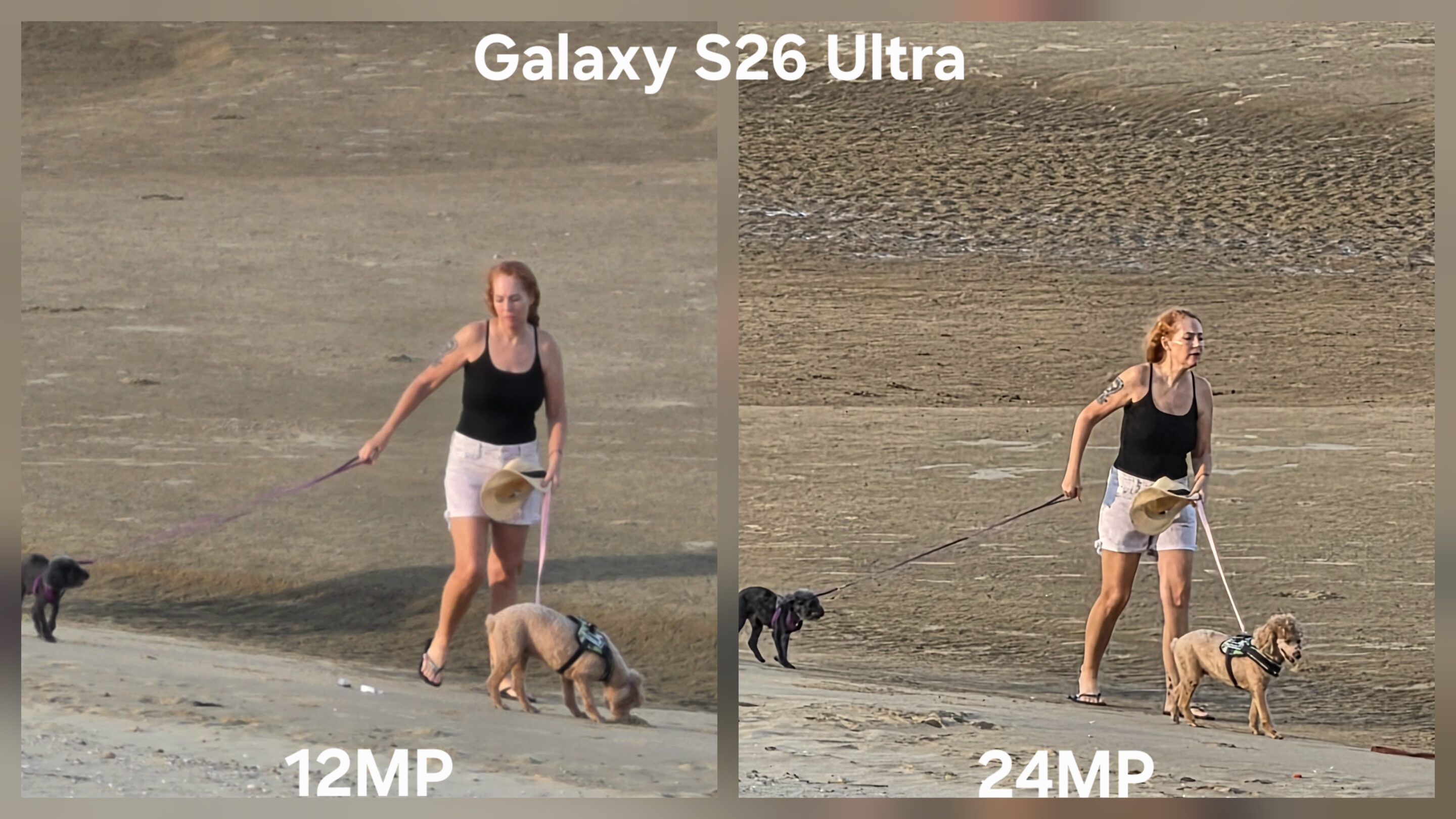
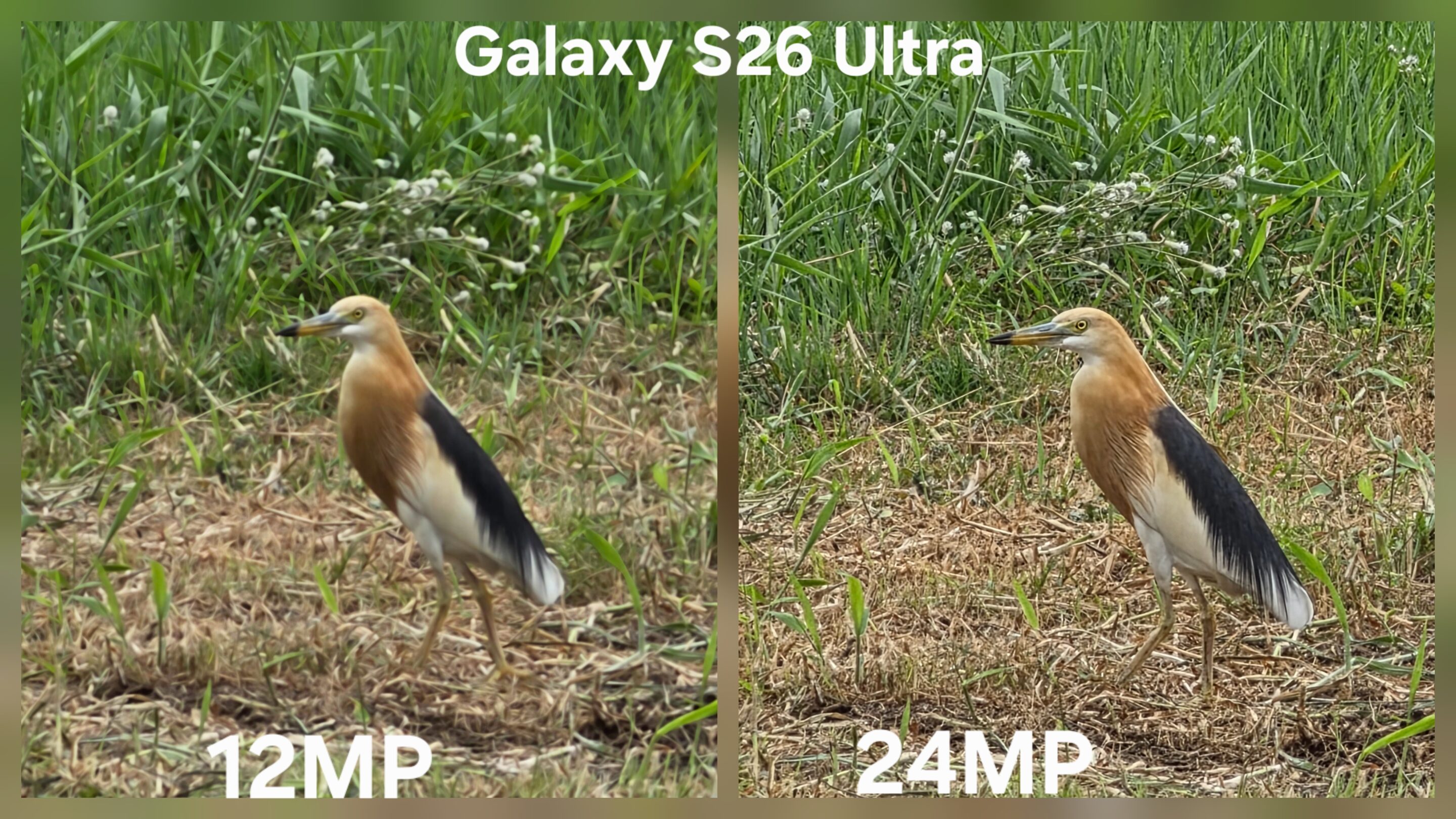
The 24MP AI-enhanced version looked immediately sharper. But the moment you zoom in closely, another pattern starts to appear: edges become unnaturally hard, fine textures begin repeating artificially, and facial details no longer behave like purely optical detail. Hair, fabric, sand, and skin slowly transition from “captured information” into “interpreted information.”
The image still looks clearer at first glance. But it slowly stops looking photographed.
This is not exclusive to Samsung. Nearly every major smartphone brand now relies on AI-assisted reconstruction during long-range zoom. Samsung simply makes the transition easier to observe because its 12MP and 24MP processing pipelines behave very differently at extreme zoom ranges. The 12MP output tends to preserve a softer and more natural rendering, while the 24MP mode applies significantly more texture enhancement, sharpening, and reconstruction.
OPPO takes a different path — but AI is still involved
OPPO’s newer approach is fascinating because it shows how stronger optics can reduce dependency on reconstruction. Devices like the Find X9 Ultra push much more aggressive native telephoto hardware, including large periscope systems and native 10x optical focal lengths designed specifically to preserve more real image data before AI enhancement begins.

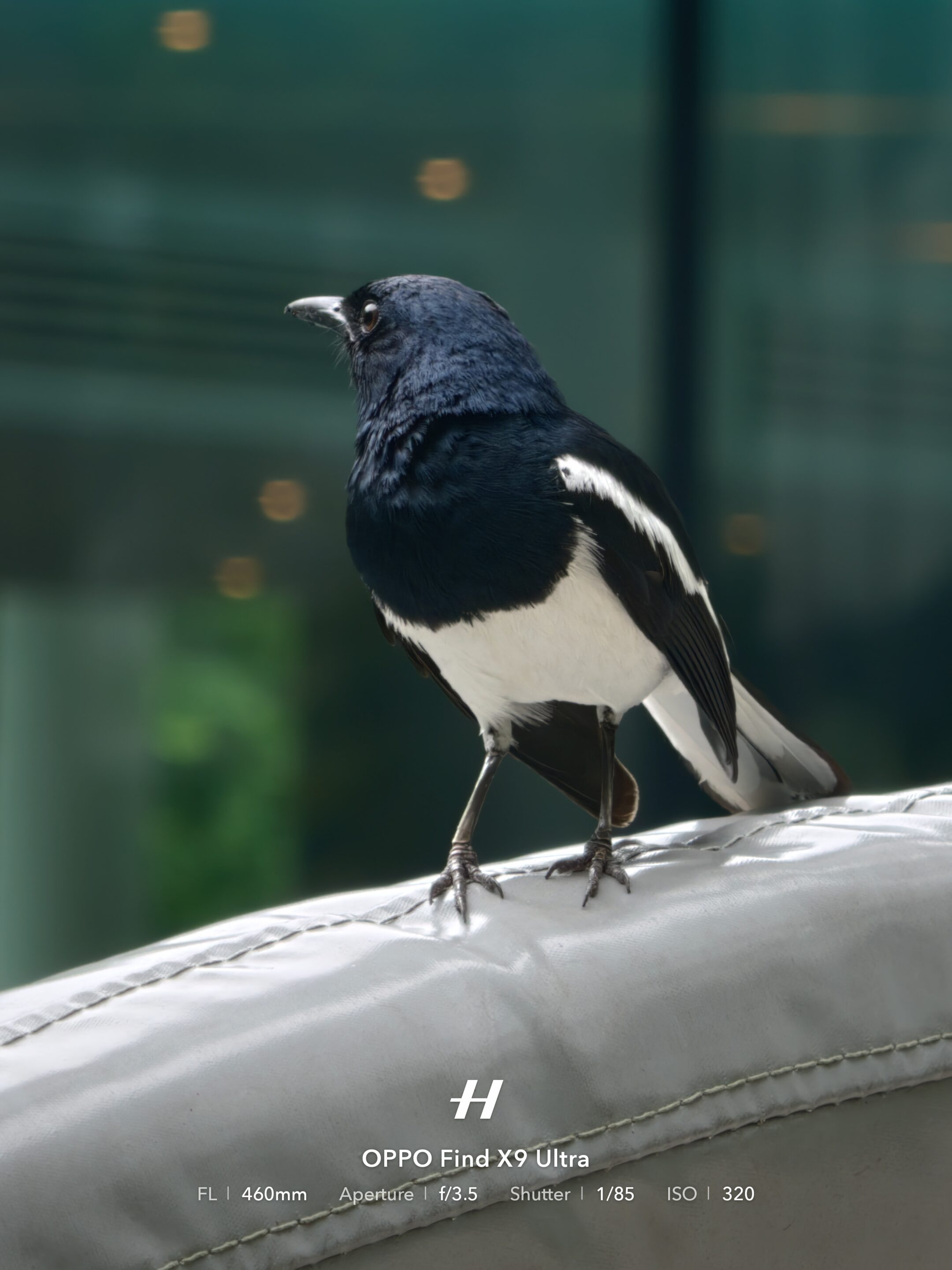
That stronger optical foundation matters. Because the more genuine optical information the sensor captures, the less aggressively AI needs to invent or reconstruct missing texture later.
OPPO openly describes its AI Telescope Zoom system as using multiple AI models depending on the zoom range. Between moderate and extreme zoom levels, the system increasingly relies on AI-assisted enhancement and reconstruction to recover perceived detail once optical limitations start appearing.
Then came the strange experiment
To test how native AI enhancement on smartphones works differently from external AI tools, I processed a 12MP telephoto image captured on the Galaxy S26 Ultra using ChatGPT image regeneration with an extremely controlled prompt. The goal was not to alter the scene, but to preserve the exact composition, telephoto compression, lighting, colors, and subject positioning while only improving realistic detail and clarity.
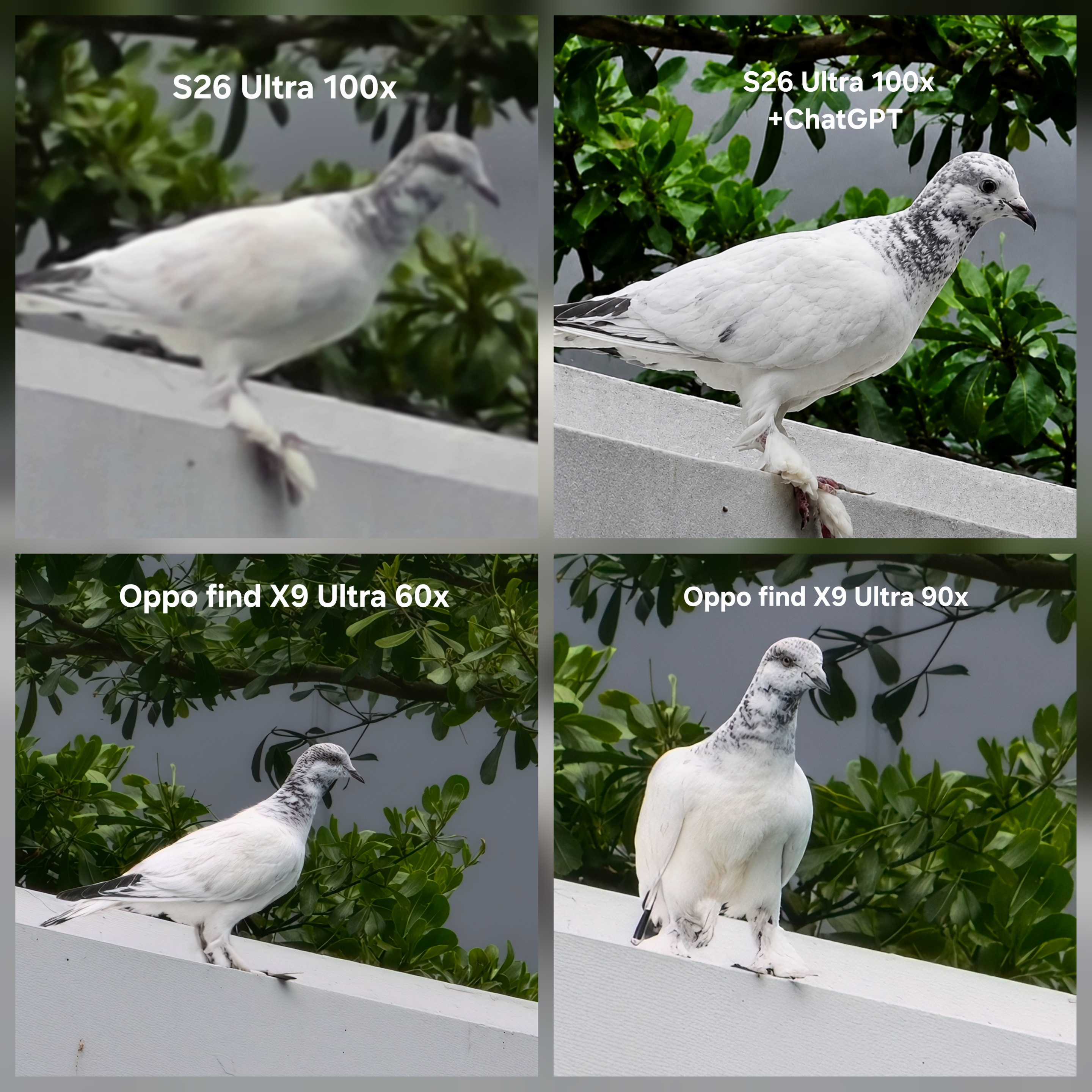
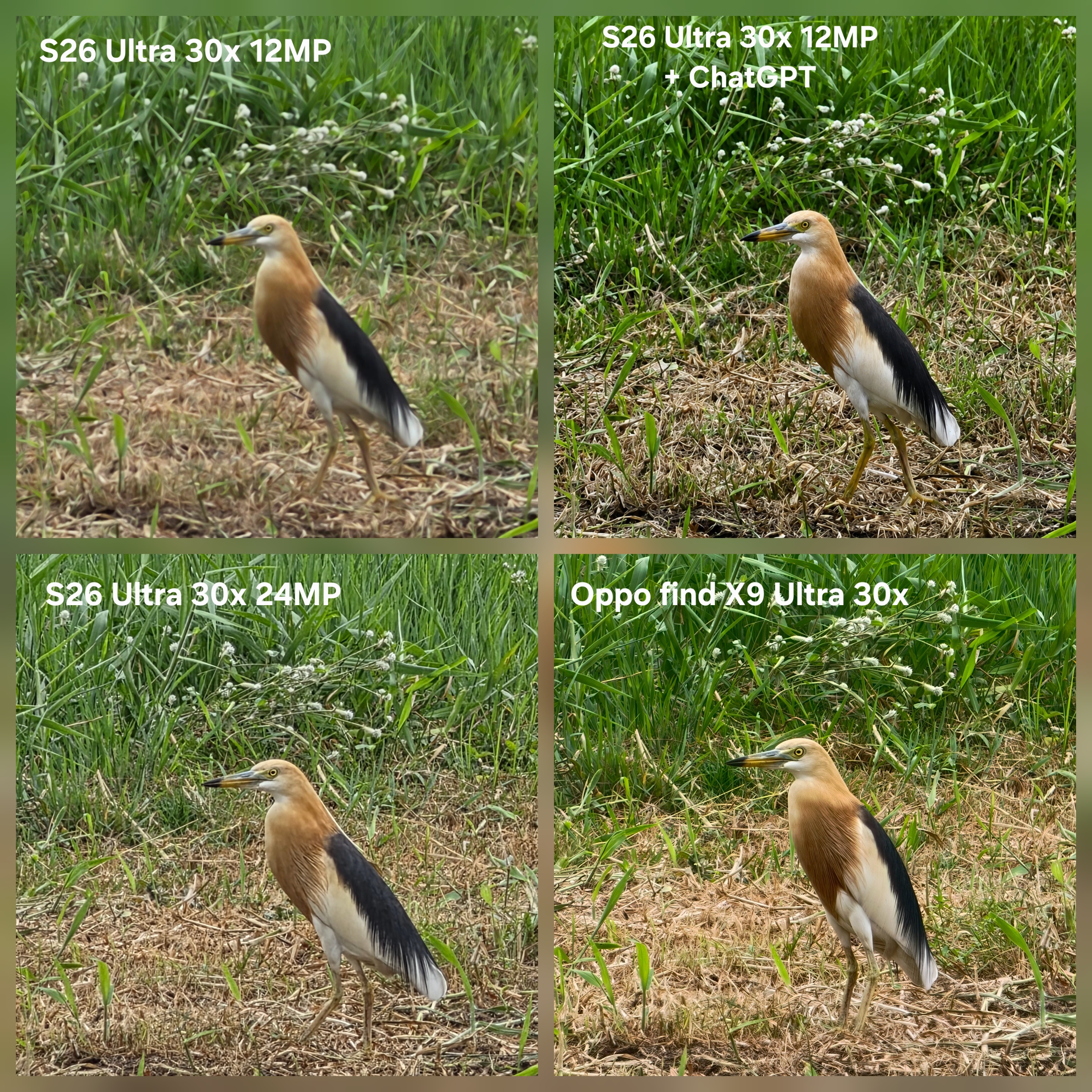
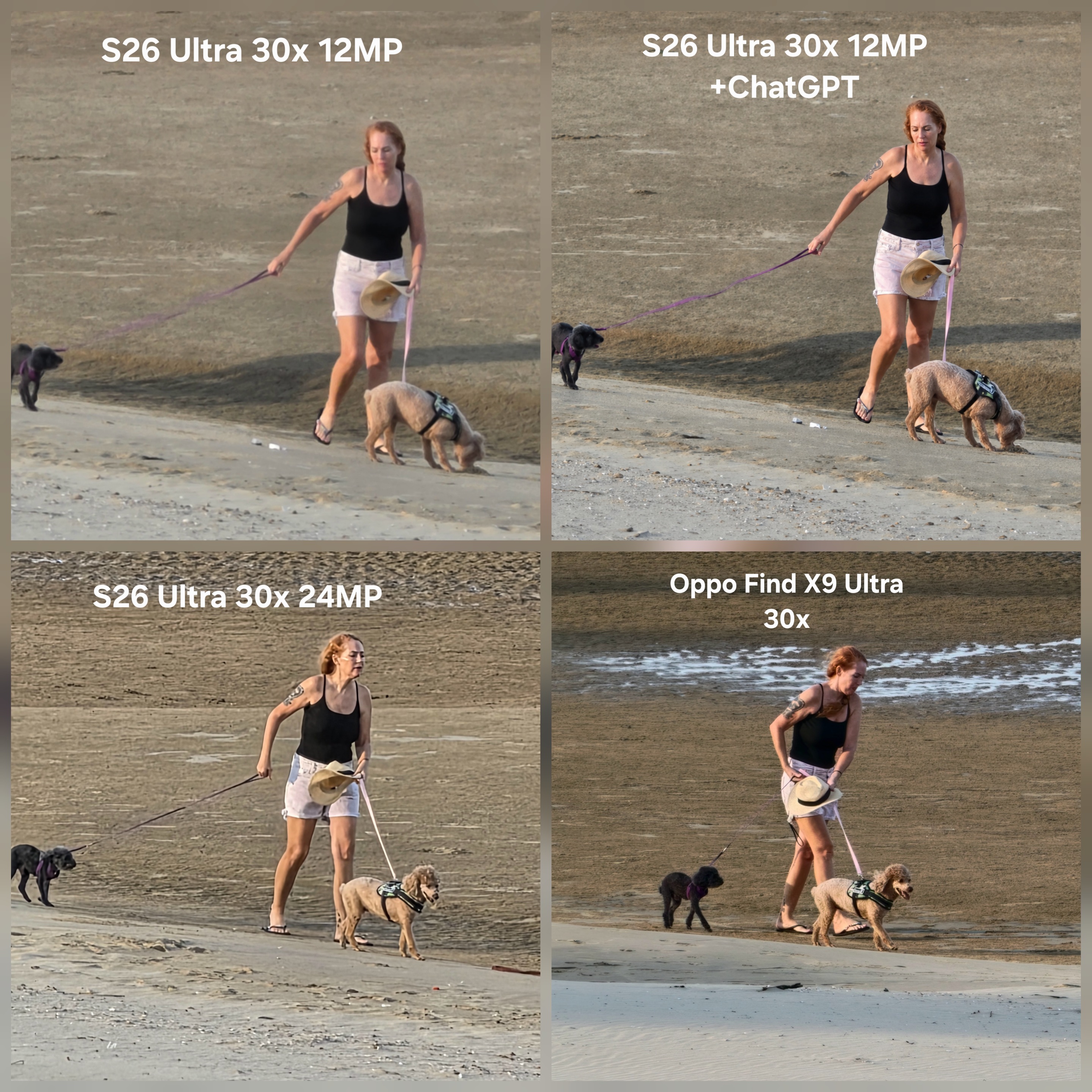
Technically, the result was partially regenerated. But visually, it often looked more natural than the phone’s own on-device AI enhancement. That sounds backwards at first. Yet it reveals something critical about current smartphone imaging pipelines.
Most on-device AI enhancement systems are optimized for immediate visual impact on small screens. That often means aggressive edge sharpening, microcontrast boosting, texture synthesis, and local detail exaggeration designed to create the illusion of clarity.
Generative reconstruction behaves differently. Instead of simply sharpening edges harder, advanced generative models attempt to rebuild entire structures coherently. In some situations, that can paradoxically produce an image that feels more optically believable than traditional computational sharpening.
Are we still looking at photography anymore?
Photography has always involved interpretation. Film stocks rendered colors differently. Digital cameras apply tone curves. Smartphone cameras merge multiple exposures instantly. Computational photography itself is not “fake.” In many ways, it is the reason modern phones outperform their physical sensor limitations.
But generative AI changes the relationship between captured reality and synthesized reality.
Traditional computational photography starts with real scene information and improves it. Generative reconstruction can begin creating probable detail even when actual optical information becomes incomplete.
That distinction matters. Especially once future smartphone NPUs become powerful enough to run advanced generative reconstruction fully on-device in real time.
Research in computational imaging and neural reconstruction is already moving toward systems capable of rebuilding scenes from incomplete sensor measurements, learned visual priors, and AI-driven scene understanding rather than purely captured pixel data.
The implications are massive. Because once AI becomes capable enough, the camera may stop asking: “What did the sensor capture?” And start asking: “What should this scene probably look like?” That is a completely different form of imaging.
The future of smartphone photography may not be photography at all
This discussion is no longer about which phone is sharper at 30x zoom. It is about trust. Users still believe smartphone cameras are fundamentally documenting reality, even if computational processing improves the result afterward. But the more generative reconstruction enters the imaging pipeline, the more complicated that assumption becomes.
And ironically, the future may belong to brands that preserve stronger optical foundations rather than relying entirely on AI reconstruction to compensate for missing data. Because real optical information still matters. Even in the AI era. Maybe more than ever.
The uncomfortable truth is that smartphone photography is slowly approaching a point where users may no longer know whether they are viewing captured detail, reconstructed detail, or generated probability. And honestly, this is the first time smartphone cameras have started making us ask a question this fundamental: What are we actually looking at?

Written by
William B. (W Vision)William B. is an independent mobile imaging analyst and the creator of W Vision. Through detailed comparisons, real-world testing, and sensor-focused analysis, he helps readers understand the true strengths, limitations, and real-world performance of flagship smartphones, with a focus on camera technology, imaging performance, and the overall user experience.

Follow us on Google Discover & set us as a preferred source in Google News
Share this Post
___________________________


New Blog Posts
___________________________
The Galaxy Z Fold 8 Is the Best iPhone and iPad Replacement Yet
Two devices, one pocket

How to Turn On Theft Protection on Your Galaxy Phone
The feature helps protect your personal data in case of theft
Miss the Rotating Bezel? Galaxy Watch 8 Classic Is Now Half Off
A deal that’s hard to ignore