Samsung Patents an AR Feature That Apple Vision Pro Users Need

SammyGuru is reader-supported. We have affiliate and sponsored partnerships, so we may earn a commission when you buy through links on our site — at no extra cost to you. Learn more.
Samsung is now in full swing with its XR and AR products, especially with Galaxy XR and the next Galaxy Glasses. These new AR glasses are expected to come later this summer with the Galaxy Z Fold 8. And now, Samsung might be working on a feature that a lot of mixed reality users have wanted for years. This is especially true for Apple Vision Pro owners.
Samsung wants AR to feel more natural
According to a newly discovered Samsung patent, the company is developing an AR system that can dynamically adjust the level of immersion of virtual objects based on what’s happening around you in the real world. And honestly, this could solve one of the biggest issues with current mixed reality headsets. That issue is feeling disconnected from your surroundings.
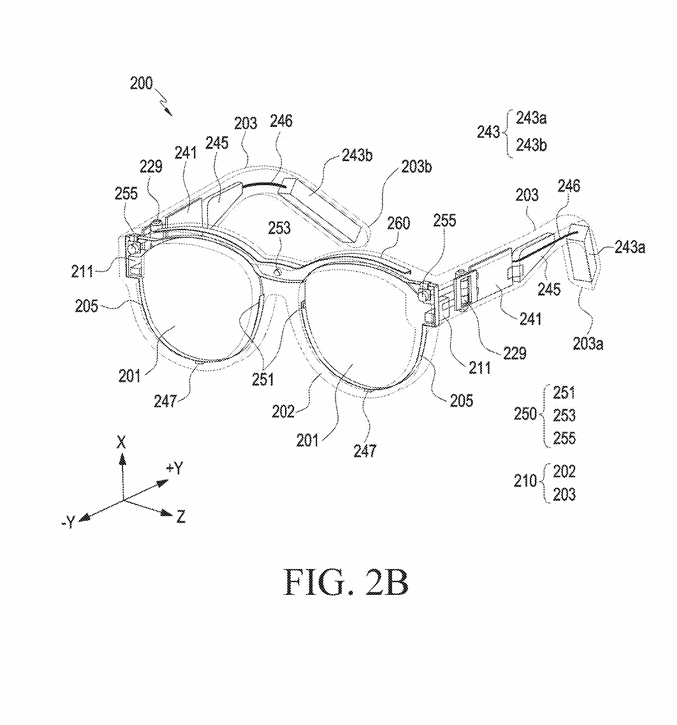
The patent describes a wearable device, likely smart glasses, that adjusts the immersion level of virtual objects depending on your surroundings, your posture, and how you interact with virtual content. Instead of keeping virtual objects at a fixed intensity, Samsung’s system would increase immersion when you focus on content. It would reduce immersion when you need awareness of the real world. That sounds simple, but it’s actually a pretty big idea.
One of the biggest complaints around devices like the Apple Vision Pro is that the experience can sometimes feel too isolated or visually overwhelming during long sessions. Even though passthrough cameras help, there’s still a disconnect between virtual interfaces and the real environment around you. Samsung’s patent seems to tackle that directly by making immersion more adaptive instead of static. Additionally, it also shows how the actual AR interface could behave in real time.
The UI is the main star
The diagrams inside the patent show a UI that changes dynamically depending on how focused you are on the virtual content. At lower immersion levels, you mostly see the real world, small floating UI elements appear around you, and notifications and controls stay lightweight and unobtrusive. But as immersion increases, the interface begins to transform. Windows become larger, virtual content expands across your field of view, and the environment gradually fades behind the UI. Samsung even shows transitions where a small floating app interface turns into a larger workspace. Virtual windows resize dynamically, and surrounding UI elements dim or blur depending on focus.
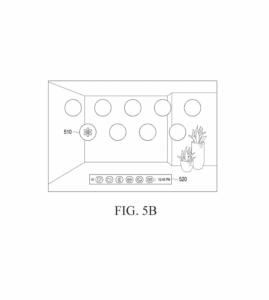
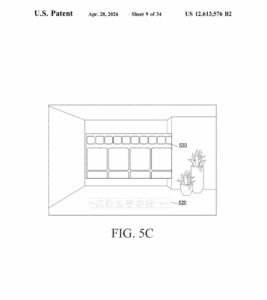
In some illustrations, the system creates a sort of “focus frame” around active content, almost like the AR environment understands what deserves your attention and visually prioritizes it. That’s a pretty important detail, because current XR interfaces can often feel cluttered or overwhelming. What’s interesting is that the patent doesn’t focus only on large headsets. The illustrations show glasses-like wearable hardware, suggesting Samsung may be exploring AR glasses designs alongside its broader XR ambitions. This lines up with recent reports that Samsung is investing heavily in XR platforms and AI-powered wearable interfaces. Competition with Apple is heating up.
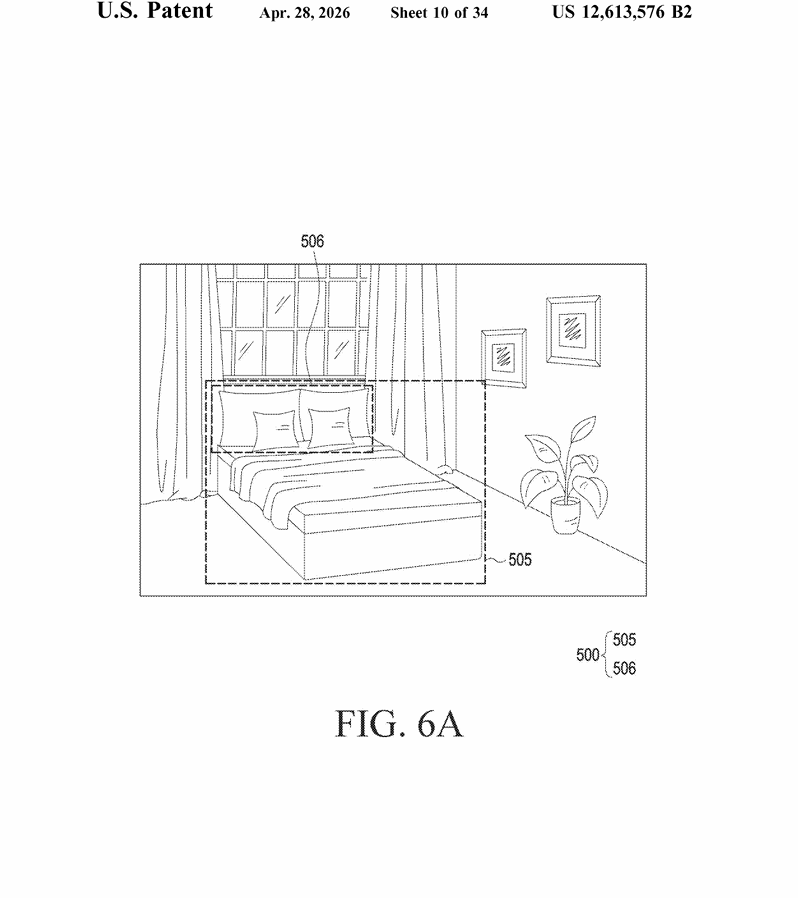
The patent shows multiple immersion “levels”
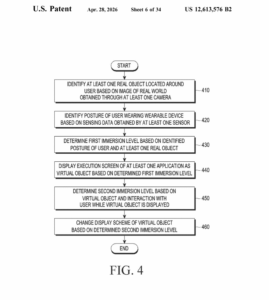
Samsung even included diagrams explaining how the system could work. In one example, the AR system starts with smaller floating UI elements. It then expands them into a more immersive virtual workspace when interaction increases.
The patent also mentions different immersion levels:
- Level 1: lightweight overlays and notifications
- Level 5: larger virtual environments
- Level 10: near full immersion
So instead of jumping straight into full AR mode, the interface could gradually evolve depending on what you’re doing. Samsung’s idea feels different because it tries to make immersion adaptive and contextual instead.
Of course, this is still just a patent. Samsung patents plenty of ideas that most of them never become real products that soon. But this one feels important because it focuses on a real usability issue that current XR devices still struggle with. And if Samsung actually implements something like this in future AR Glasses or XR headsets, it could make mixed reality feel a lot less overwhelming and a lot more natural.

Written by
David BuligaDavid Buliga is a Romanian writer at SammyGuru, where he covers the Samsung and Android ecosystem with a focus on apps, software features, and the trends shaping how we actually use our devices — from Galaxy Watch apps to One UI 9, plus the occasional opinion piece. He joined SammyGuru in 2026 after previously creating entertainment content on YouTube, producing animations and gameplay videos. Currently pursuing a Bachelor's degree in Applied Electronics and Telecommunications, David is passionate about consumer technology and enjoys getting under the hood of smartphones to see what makes them tick. Outside of tech, he loves listening to music, reading books, photography, and exploring the random ideas that often inspire his next story.

Follow us on Google Discover & set us as a preferred source in Google News
Share this Post
___________________________


New Blog Posts
___________________________
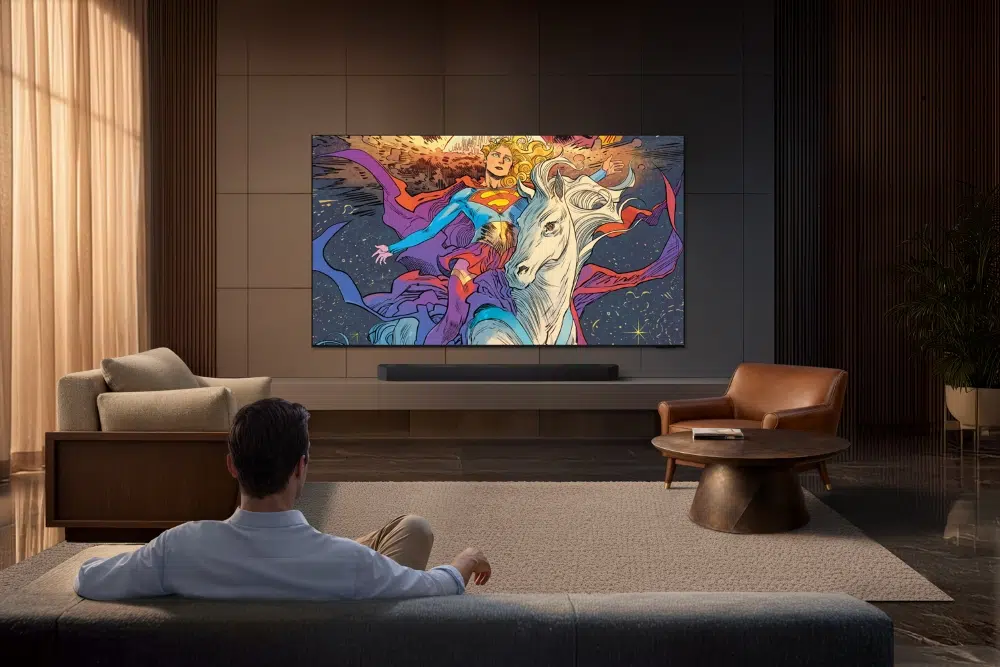
Samsung Adds Supergirl Collection to Art Store With Big Giveaway
Samsung pushes Supergirl launch with art, TVs, and giveaways

Samsung Secures Apple’s Nod to Make Foldable iPhone OLED Modules
This comes after the display maker proved its production quality
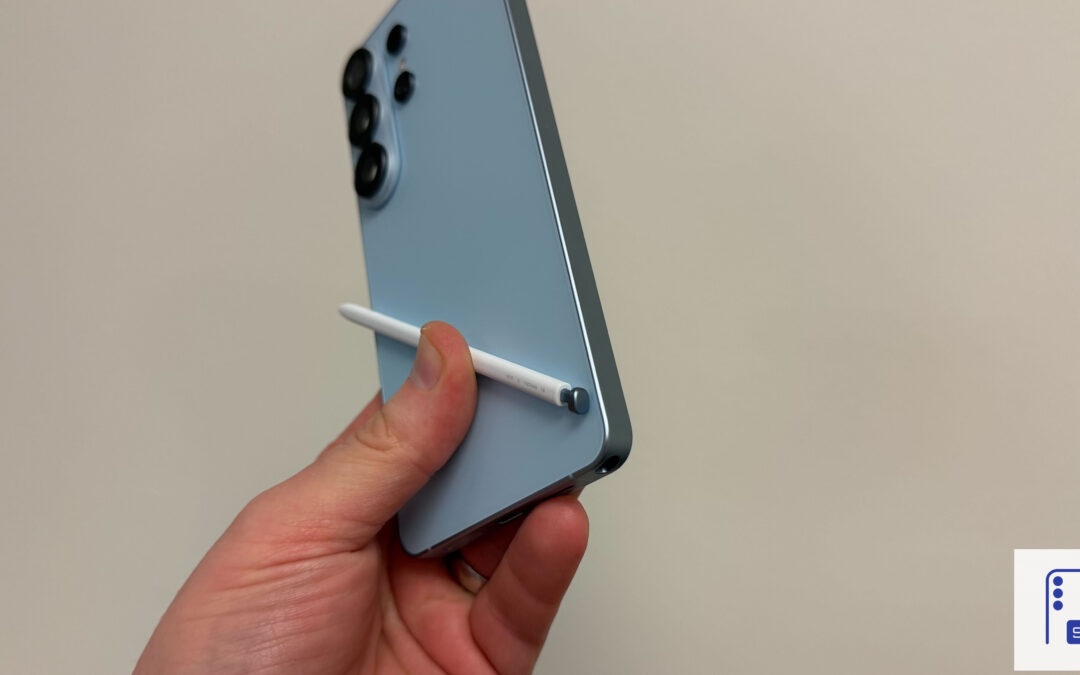
Galaxy S26 Ultra Hits Lowest Price in the US for Prime Day
Now’s the best time to buy the Galaxy S26 Ultra