Here’s Your First Look at Samsung’s Upcoming Galaxy Glasses
SammyGuru is reader-supported. We have affiliate and sponsored partnerships, so we may earn a commission when you buy through links on our site — at no extra cost to you. Learn more.
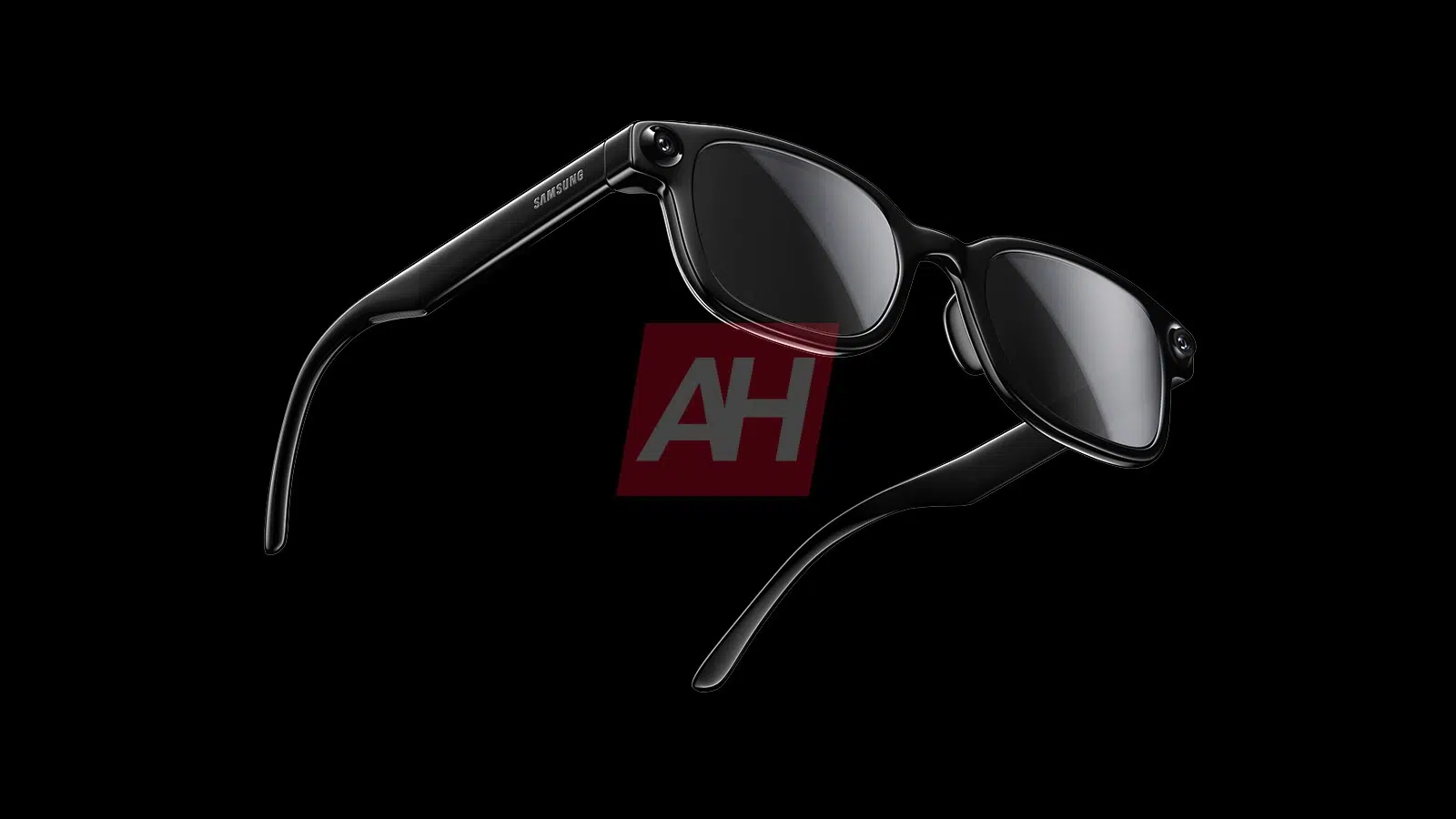
At this point, it’s hardly a secret that Samsung is preparing to enter the smart glasses market later this year with Galaxy Glasses. Recently, there’s been material confirming that it’s in the pipeline. Today we get our first look at what the Galaxy Glasses may look like in leaked renders.
Galaxy Glasses leak shows familiar design
Android Headlines, in conjunction with popular leaker OnLeaks, has published the very first look at Galaxy Glasses. These are internally dubbed Jinju, which is the Korean word for pearl. They don’t look fancy and are quite close to the Ray-Ban Meta smart glasses, which is actually a good thing. The cameras are tucked into the frame, and the arms look slightly thicker to house the hardware.
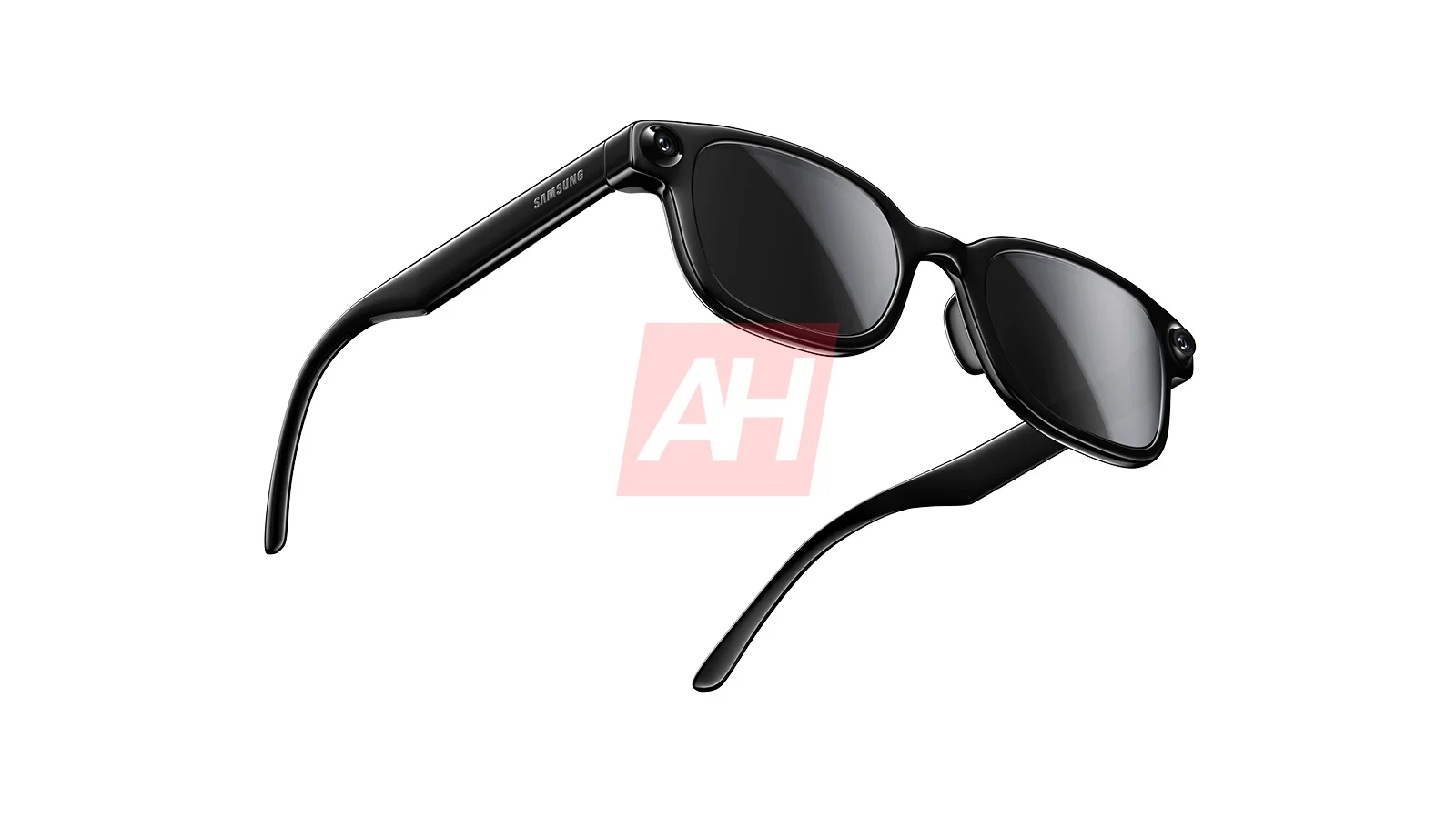

Importantly, this version won’t have a display, so don’t expect AR overlays or anything flashy. It’s more in line with current-gen smart glasses that focus on capturing content and delivering audio-based features. A second model, codenamed “Haean,” is reportedly in development with a micro-LED display, though it may not arrive until 2027.
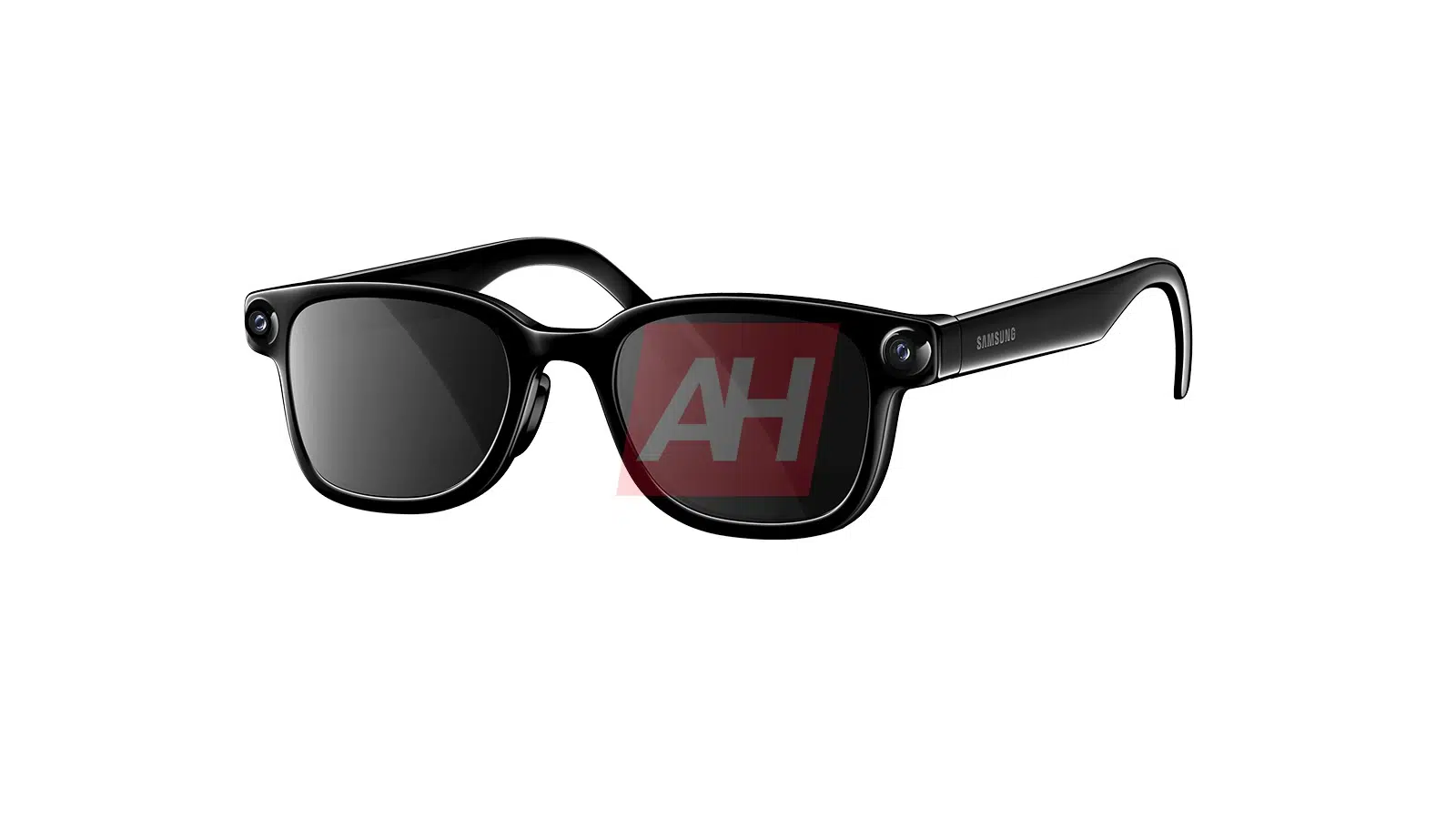
Specs-wise, things are shaping up nicely for a first-gen product. The glasses are expected to run on Qualcomm’s Snapdragon AR1 chip and pack a 12MP Sony IMX681 camera. There’s also talk of a 155 mAh battery, Wi-Fi, Bluetooth 5.3, and directional or bone-conduction speakers. All of this is said to fit into a body weighing around 50 grams, which is pretty reasonable for something you’ll wear on your face.
On the software side, Samsung is leaning heavily on Android XR with Gemini built in. That means you’ll be able to ask for directions on Google Maps, translate text, check the weather, and more, all hands-free. As we said above, a more advanced version with a micro-LED display is reportedly in the works, but that one might not arrive until 2027.

Written by
Abhinav AnandAbhinav Anand is the News Editor at SammyGuru and a technology journalist based in New Delhi. Before joining SammyGuru, he contributed to numerous outlets, including Android Headlines, ExtremeTech, The Mac Observer, Financial Express, Economic Times, iGeeksBlog, KnowTechie, PhonesWiki, SlashGear, and more. You can reach him at [email protected].

Follow us on Google Discover & set us as a preferred source in Google News
Share this Post
___________________________


New Blog Posts
___________________________
Galaxy S26 FE Global Variant Spotted on Geekbench
Galaxy S26 FE’s global variant spotted with Exynos 2500
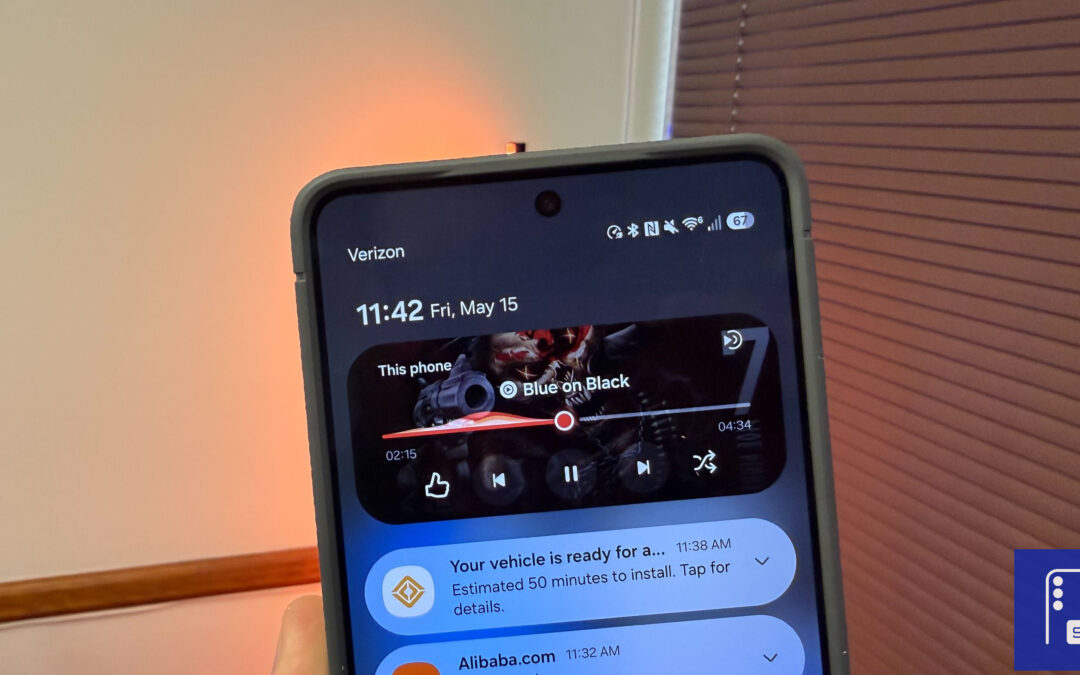
Five Hidden Samsung Galaxy Features You Should Start Using Today
One UI includes several practical features that can make your phone more useful every day.

Samsung May Have Completed the One UI 8.5 Rollout
No One UI 8.5 for Galaxy S22 series, after all