Samsung Galaxy S26 Review: Strong Performer, But Not Without Flaws
SammyGuru is reader-supported. We have affiliate and sponsored partnerships, so we may earn a commission when you buy through links on our site — at no extra cost to you. Learn more.
In this article
- Table of contents
- Galaxy S26 Review: Hardware and Design
- Top-notch durability for peace of mind
- Galaxy S26 Review: Display
- No Privacy Display and anti-reflective coating
- Galaxy S26 Review: Cameras
- Improved software processing can’t fix the limitations of aging hardware
- Galaxy S26 Review: Performance
- Benchmarks
- Galaxy S26 Review: Software
- Galaxy S26 Review: Battery Life and Charging
- Galaxy S26 Review: Verdict
There’s something quietly fascinating about the Galaxy S26. Not because it reinvents the smartphone — far from it — but because it represents a moment where Samsung seems to have decided that refinement matters more than risk.
After using the phone as a daily driver for over a month, a pattern becomes clear: the Galaxy S26 is not trying to surprise you. It’s trying to reassure you. And depending on what you want from a smartphone in 2026, that can either be exactly what you need or deeply underwhelming. In this review, I’ll share my honest thoughts about the phone, discussing its real-world performance.
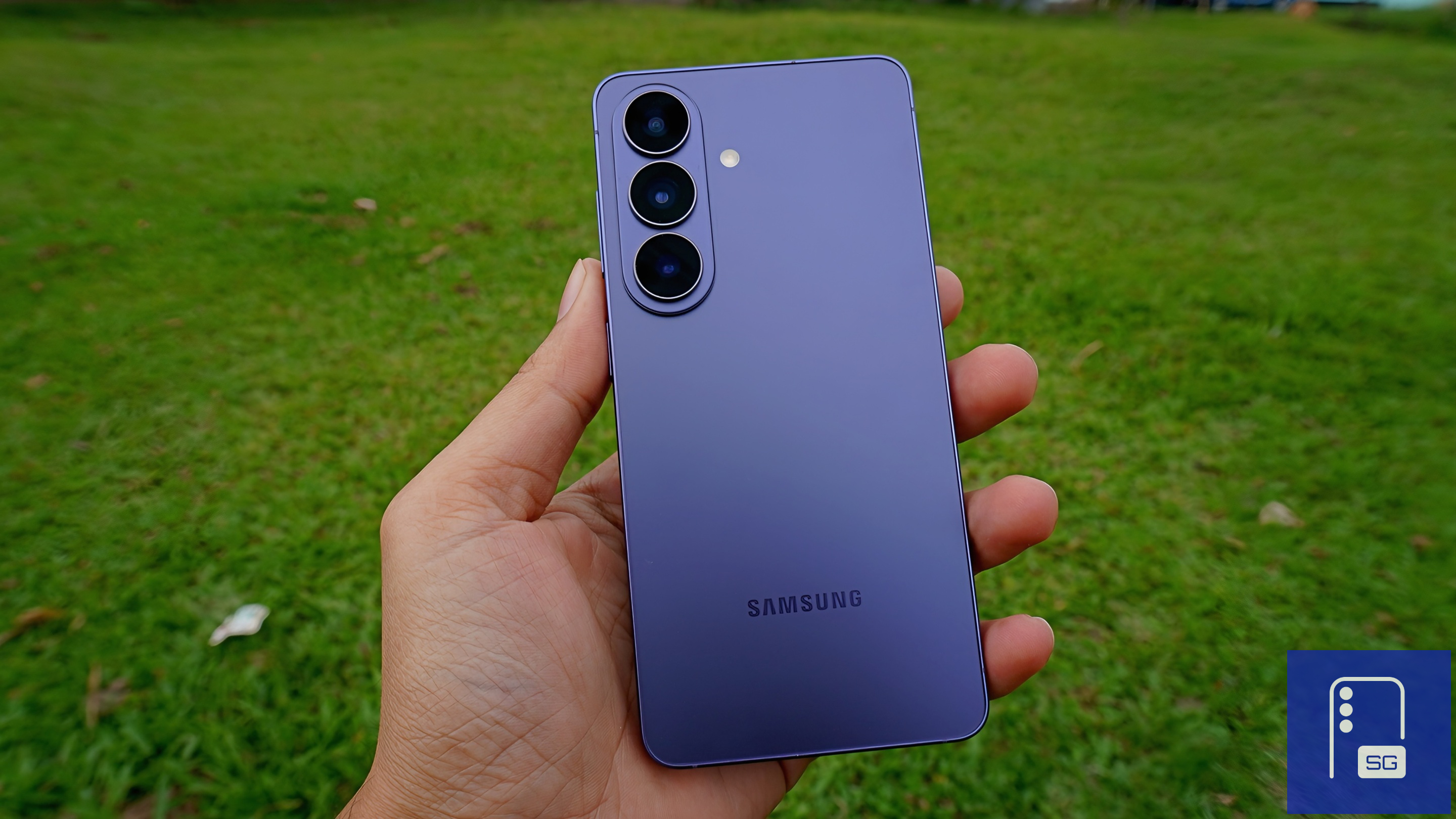
Disclaimer: I am using the 12GB+512GB variant of the Galaxy S26. It is a retail unit purchased from Samsung’s website. The device received three software updates during the review period, which introduced new features and improvements. Samsung had no involvement in this review and did not provide any input or influence over its content.
Table of contents
Galaxy S26 Review: Hardware and Design
Pick up the Galaxy S26, and you’ll immediately feel like you’ve used this phone before. But that’s not a criticism. Samsung has leaned heavily into continuity here, and I see nothing wrong with it. The design language carries forward from the Galaxy S25 with subtle refinements: slightly slimmer edges, a marginally larger display, and a more polished finish.
This is not a phone that excites visually, but it still feels good to hold. The weight distribution is excellent. The device is balanced, not top-heavy like some camera-focused phones. Buttons feel tactile and responsive. The vibration motor is precise. Even small details, like the speaker grille and port alignment, reflect careful engineering.
While some may find the design a bit bland, Samsung isn’t trying to impress you visually here. It’s trying to avoid mistakes.
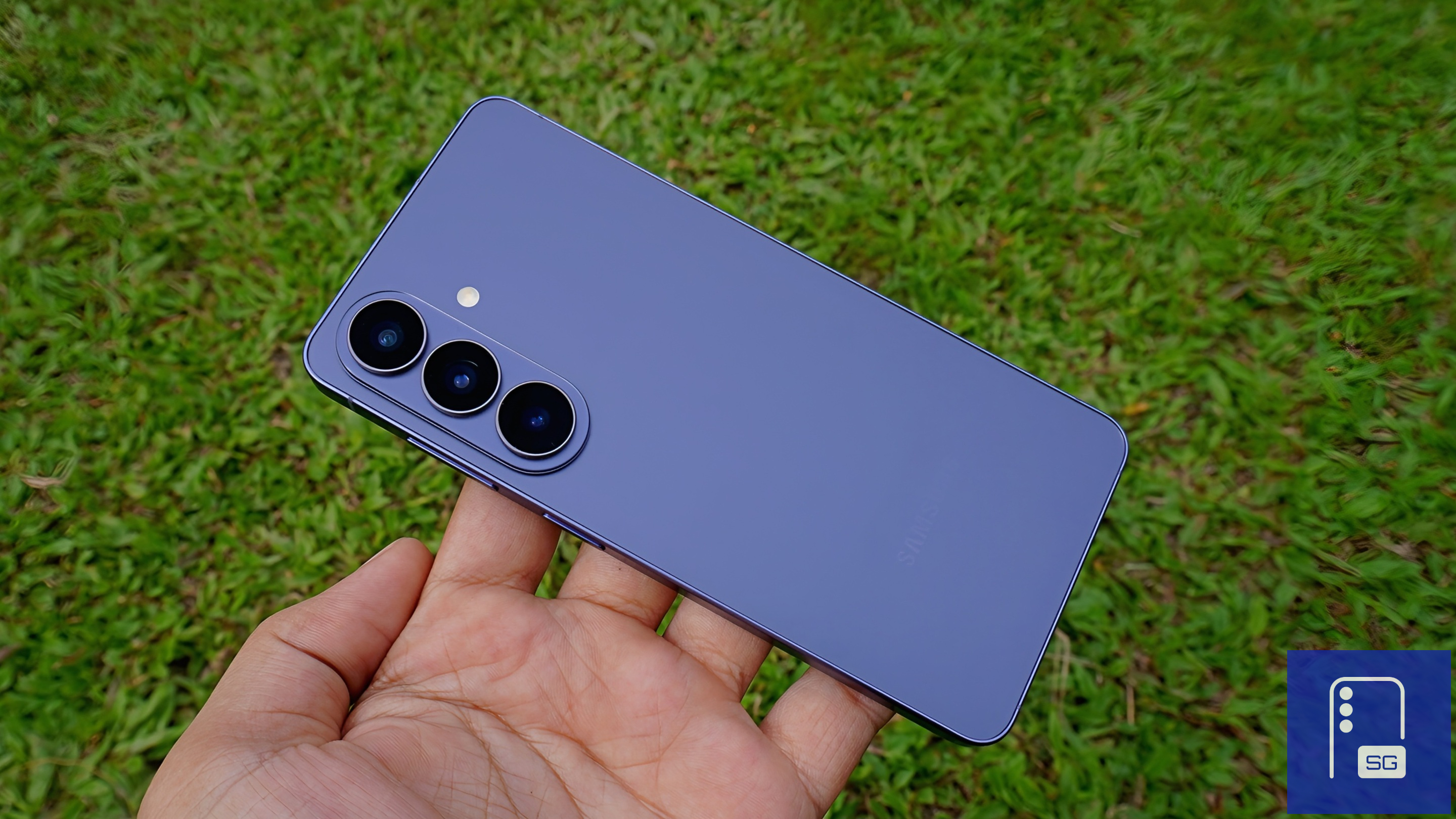
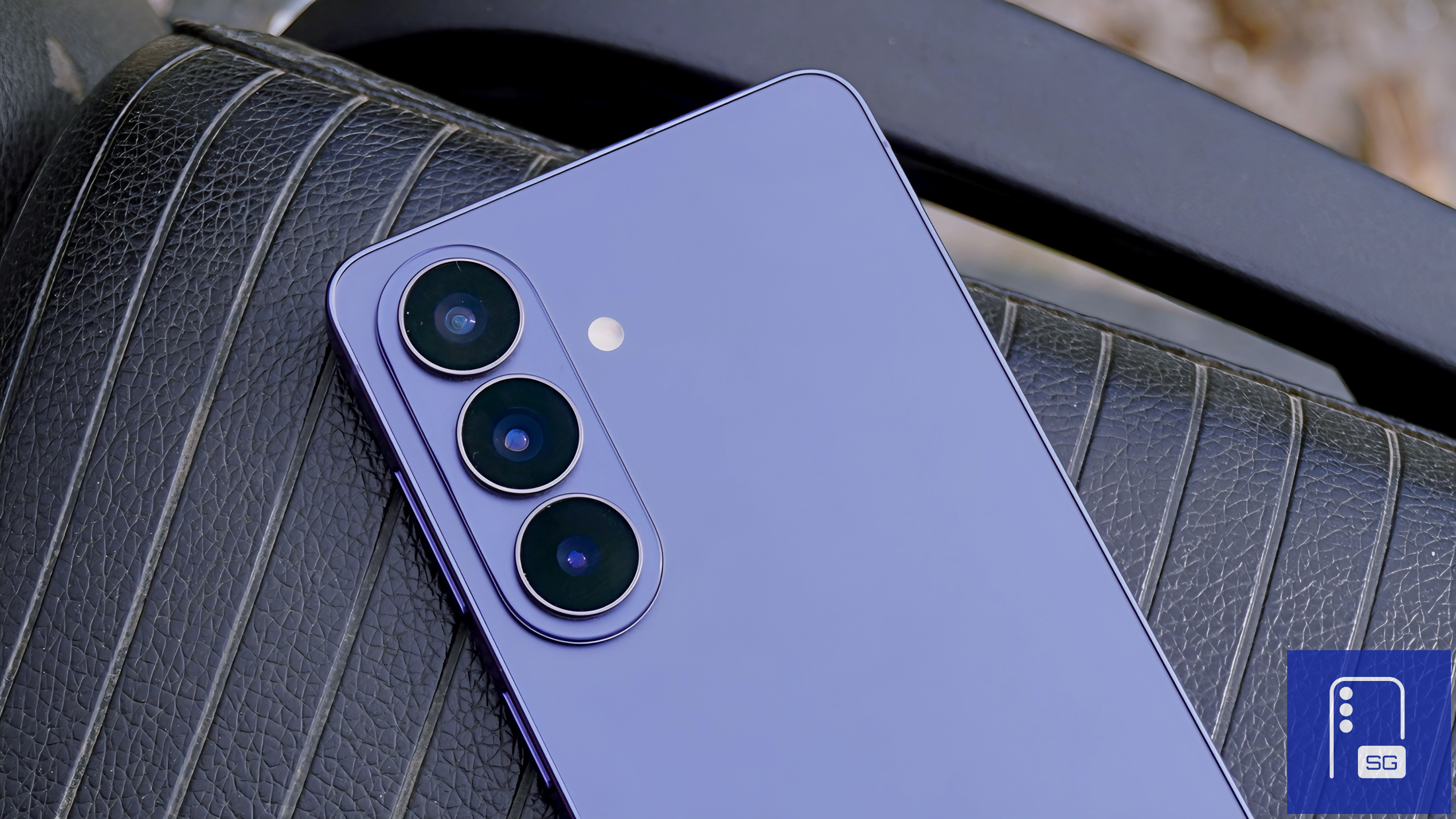
The only notable design difference over the 2025 model is the camera system. While the Galaxy S26 still has three rear-facing cameras aligned vertically, they no longer protrude directly out of the back panel. Instead, Samsung has reintroduced a camera pill here, placing the sensors within that pill. It’s been some time since we saw a separate camera housing on a Galaxy smartphone, especially in the flagship segment.
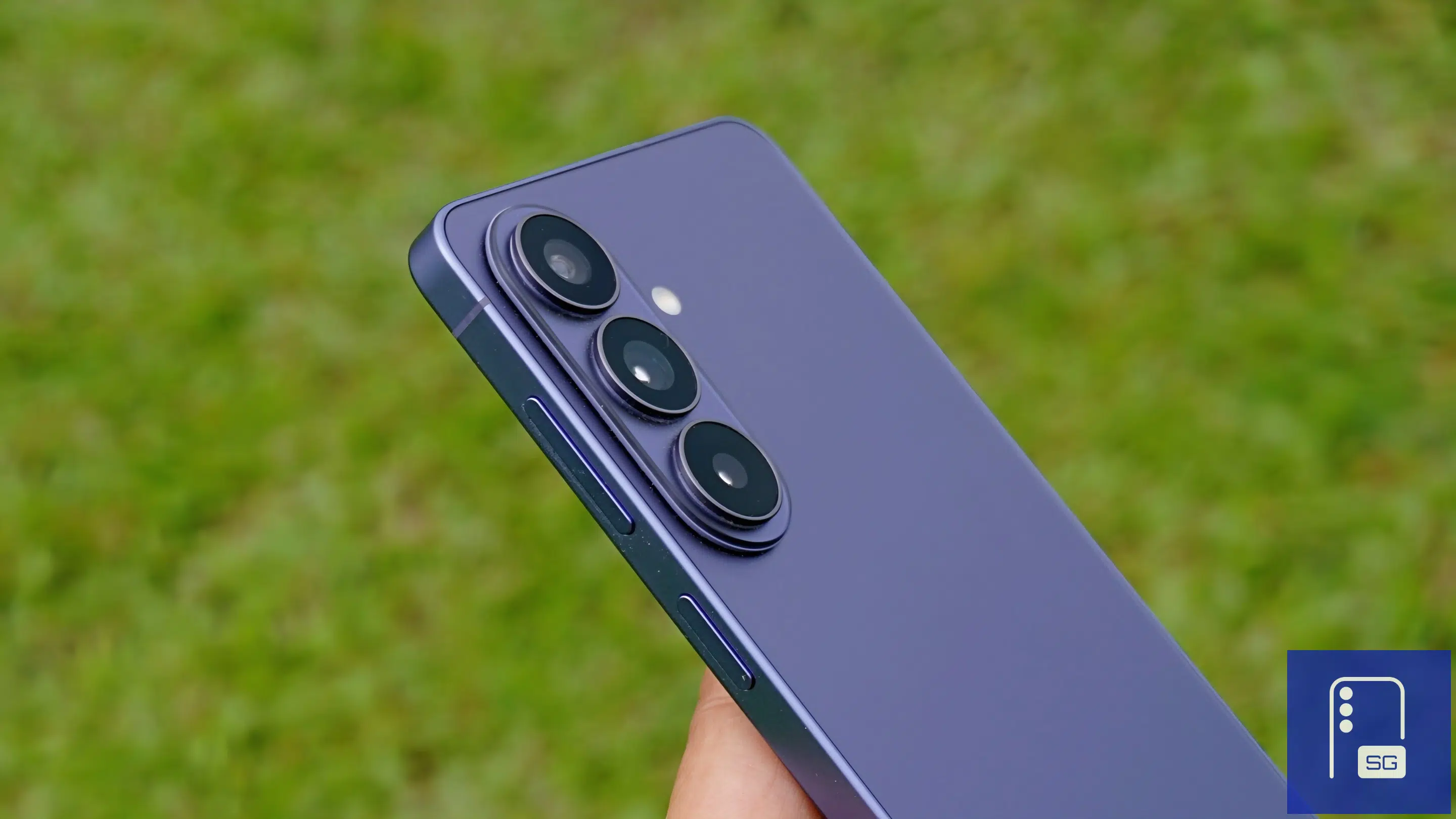
This design shift allowed Samsung to move the camera hardware a little outwards, freeing up some space on the inside. The company used that space to increase the battery capacity from 4,000mAh to 4,300mAh. The Galaxy S26 is also slightly taller and wider, going from 146.9mm tall to 149.6mm and 70.5mm wide to 71.7mm. It’s still 7.2mm thick, but marginally heavier at 167 grams (up from 162 grams).
Top-notch durability for peace of mind
While the design may not push boundaries, the build quality remains among the best in the industry. You get an Armor aluminum 2 frame, coupled with Gorilla Glass Victus 2 on the front and back. The Galaxy S26 also boasts IP68 water and dust resistance, making it strong enough to withstand exposure to everyday dust and water spills.
Despite a bit larger overall footprint, the Galaxy remains incredibly compact and feels premium in the hand. At around 6.3 inches, this is one of the few premium Android phones that remains genuinely comfortable to use with one hand. It’s light, balanced, and easy to grip, qualities that are increasingly rare in high-end phones.
Galaxy S26 Review: Display
Samsung’s displays have long been industry benchmarks, and the Galaxy S26 continues that tradition. The 6.3-inch AMOLED panel is vibrant, sharp, and smooth, with a 120Hz refresh rate that makes everything feel fluid. Colors pop without looking oversaturated, brightness is more than sufficient for outdoor use, and viewing angles remain excellent.
But here’s the thing: nothing about this display is new. Compared to the Galaxy S25, there are no major technological leaps. The panel is slightly larger, but otherwise, it’s a case of “if it isn’t broken, don’t fix it.”
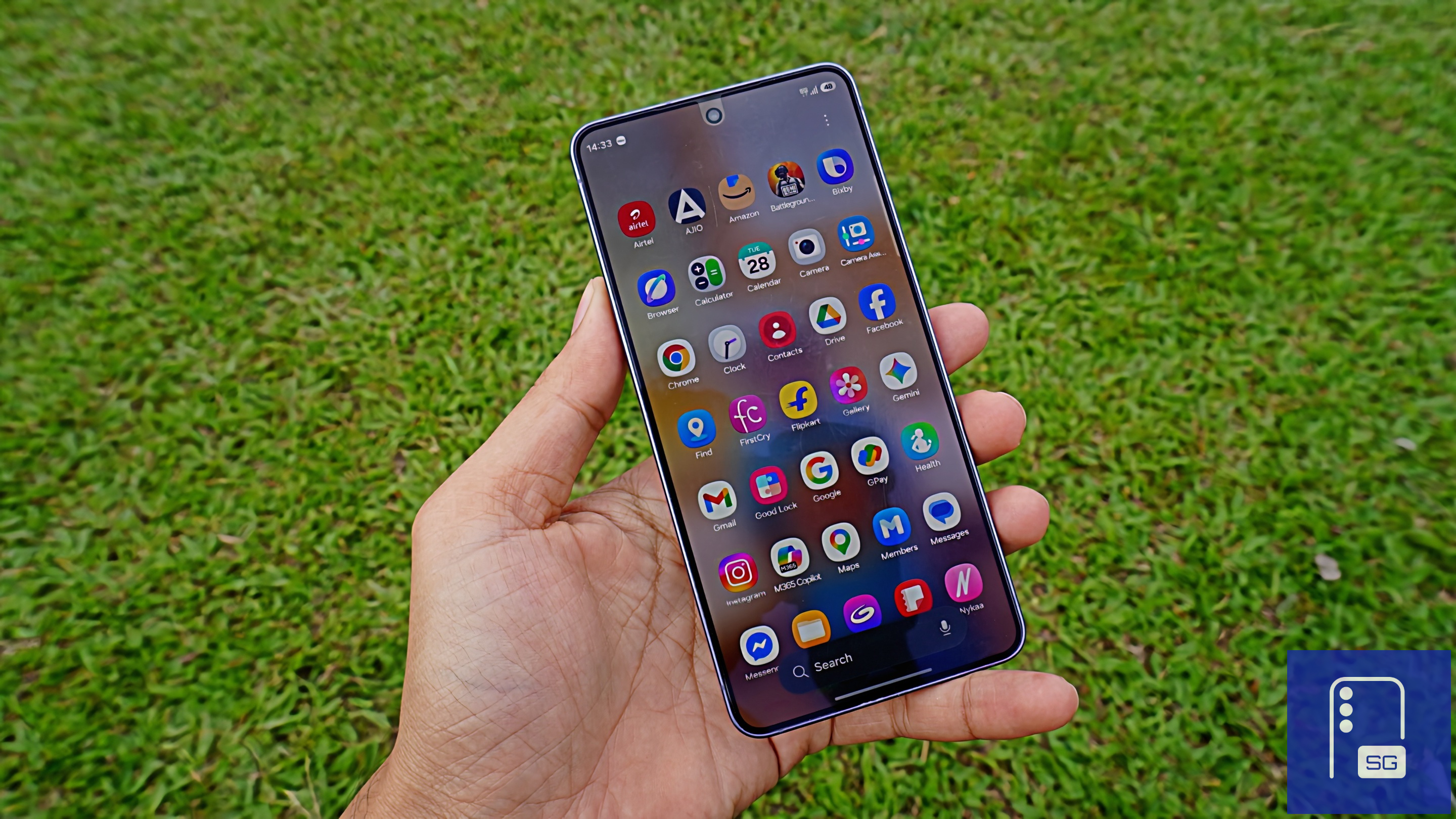
Well, Samsung could have fixed something this year. Despite many competitors embracing 10-bit OLED panels, the Galaxy S26 lineup continues to use 8-bit displays (including the S26 Ultra). Samsung is using some software tricks to enhance the color accuracy and reduce banding, and that is visible. However, it still can’t match real 10-bit hardware.
The screen is great — vibrant, sharp, and smooth — but nothing about it is new.
The Galaxy S26 also lacks a QHD+ display (1440p) found on the S26+ and S26 Ultra. It tops out at FHD+ resolution (1080p). That said, most regular users won’t notice anything off, especially since the screen is pretty compact. I say this as I have been equally using the S26 and S26 Ultra for the past few weeks, and I have hardly had any issues with the screen on the base model.
No Privacy Display and anti-reflective coating
Samsung introduced a revolutionary display technology this year called Privacy Display. It adds a built-in privacy layer that limits visibility when someone tries to look at your screen from the side. The company has arranged the pixels in a way that lets users toggle the feature on or off as needed, and even automate it for specific apps or situations. Unfortunately, Privacy Display is exclusive to the Galaxy S26 Ultra, so the base model misses out.
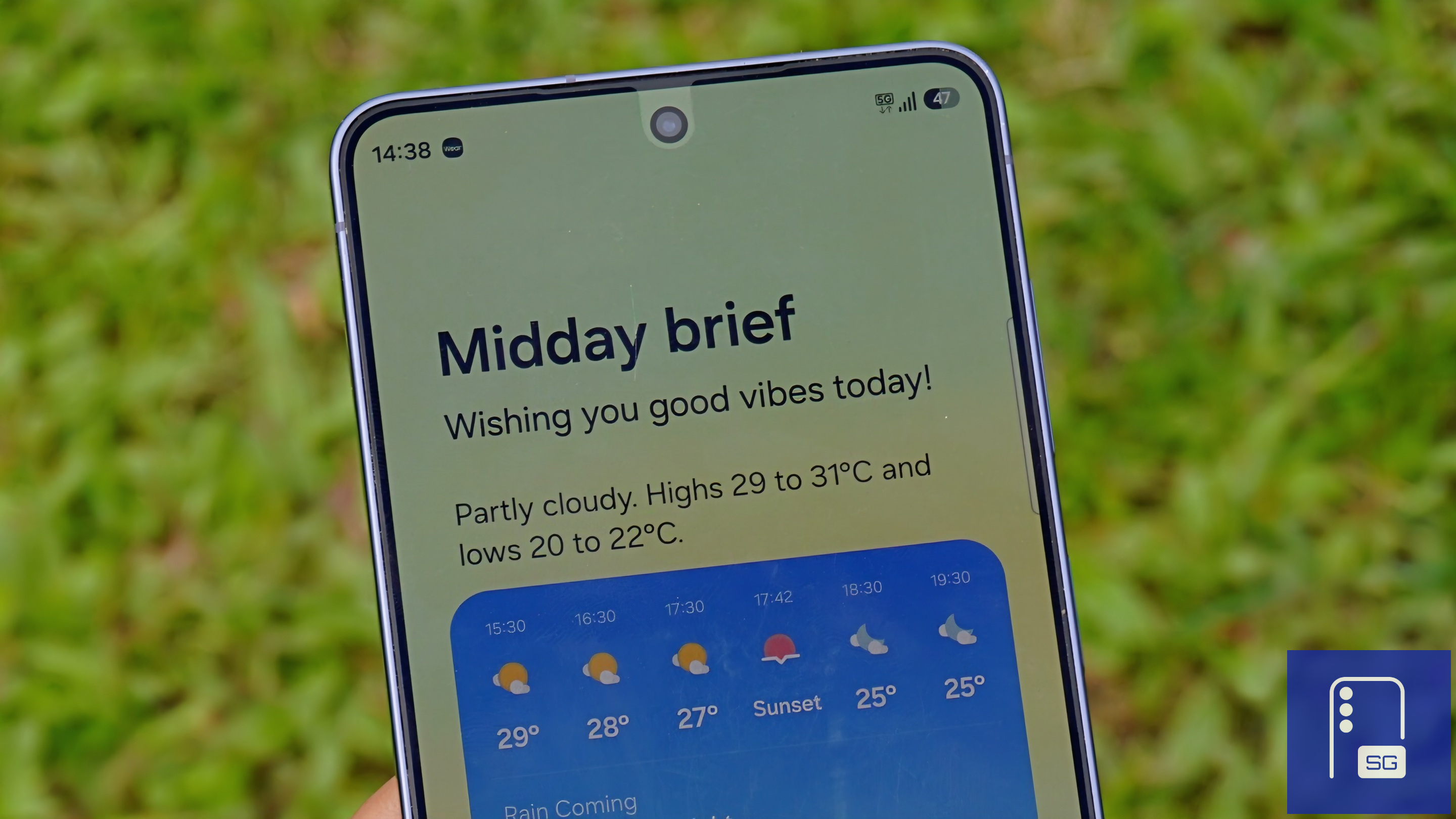
The base Galaxy S26 also doesn’t have an anti-reflective coating. Privacy Display has somewhat lowered the effectiveness of this coating on the Ultra this year, but it still improves the overall screen visibility under direct light compared to screens with no such coating. Samsung has kept it exclusive to the Ultra again.
Galaxy S26 Review: Cameras
If there’s one area where the Galaxy S26 struggles to justify its price, it’s the camera system. On paper, it looks fine: 50MP main sensor, 12MP ultrawide, 10MP 3x telephoto. But here’s the problem: this is essentially the same setup Samsung has used for years. And in 2026, that’s hard to ignore.
For a phone in this price range, the camera feels like the weakest link.
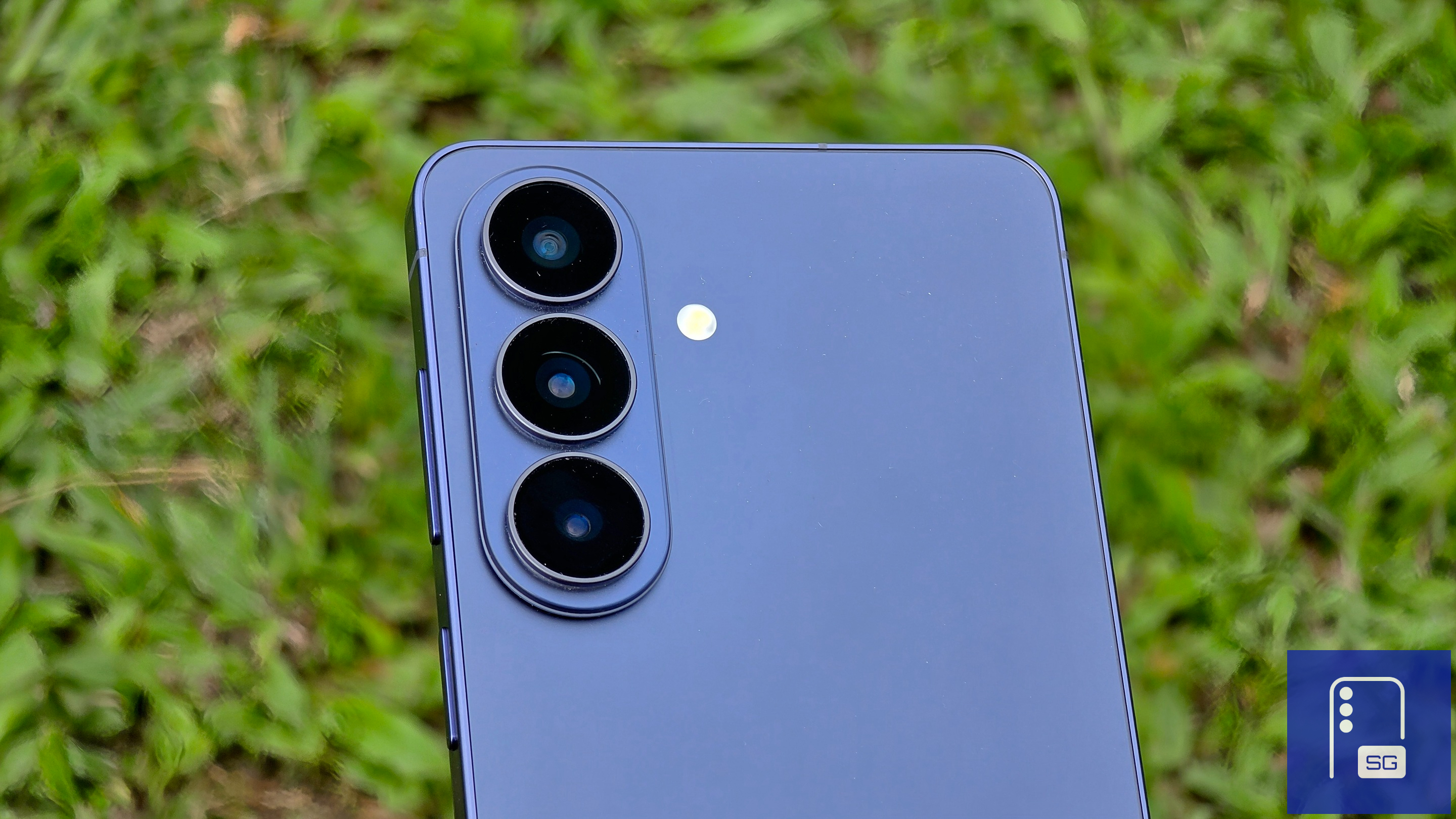
Don’t get me wrong. The cameras are not bad. In fact, they’re quite good in many situations. Daylight photos are sharp, colorful, and well-balanced. All four cameras produce satisfactory results when there is enough light. Colors look natural, while skin tones appear reliably consistent and accurate, both with the main camera and the selfie shooter.
Main camera samples
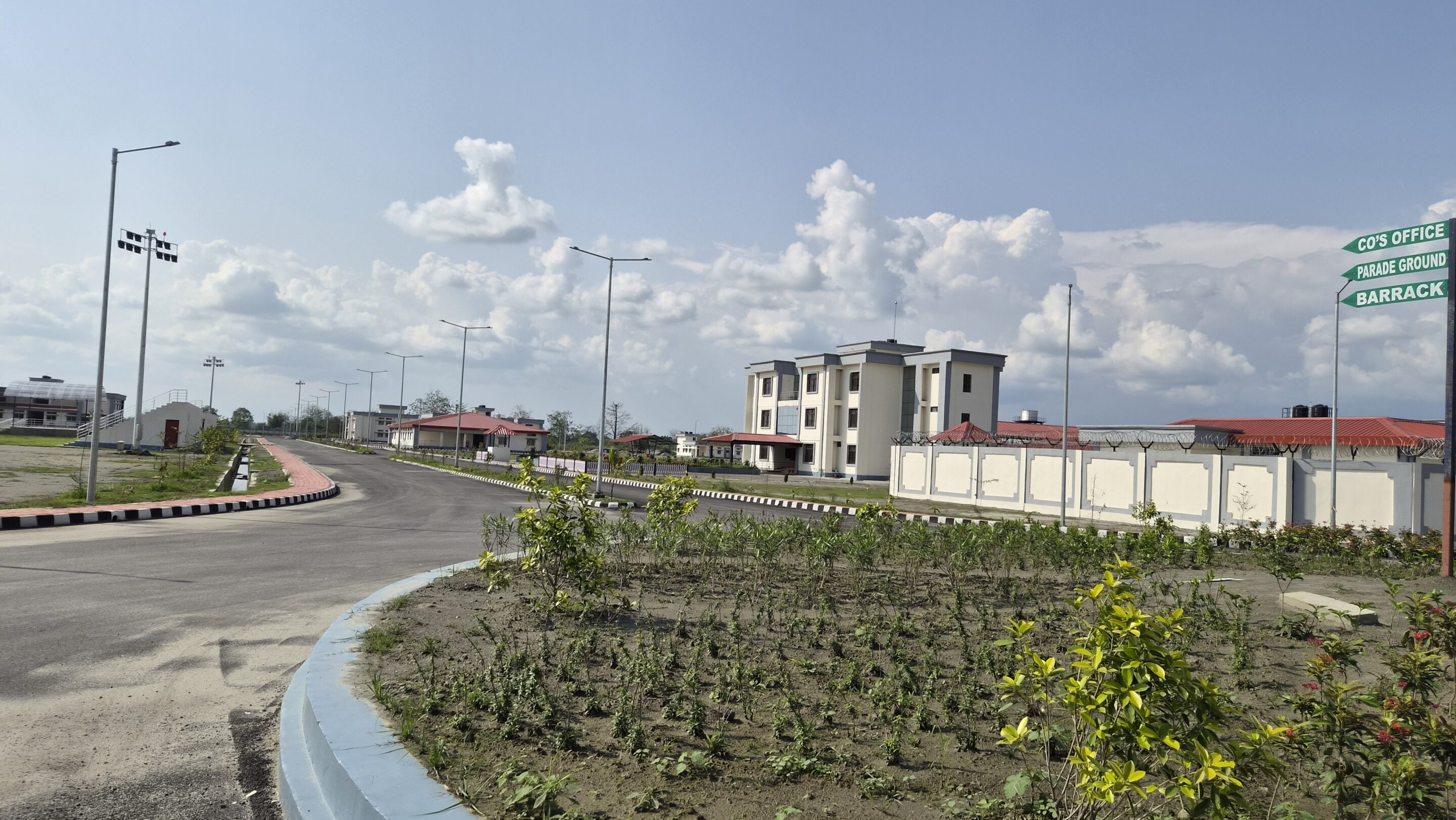


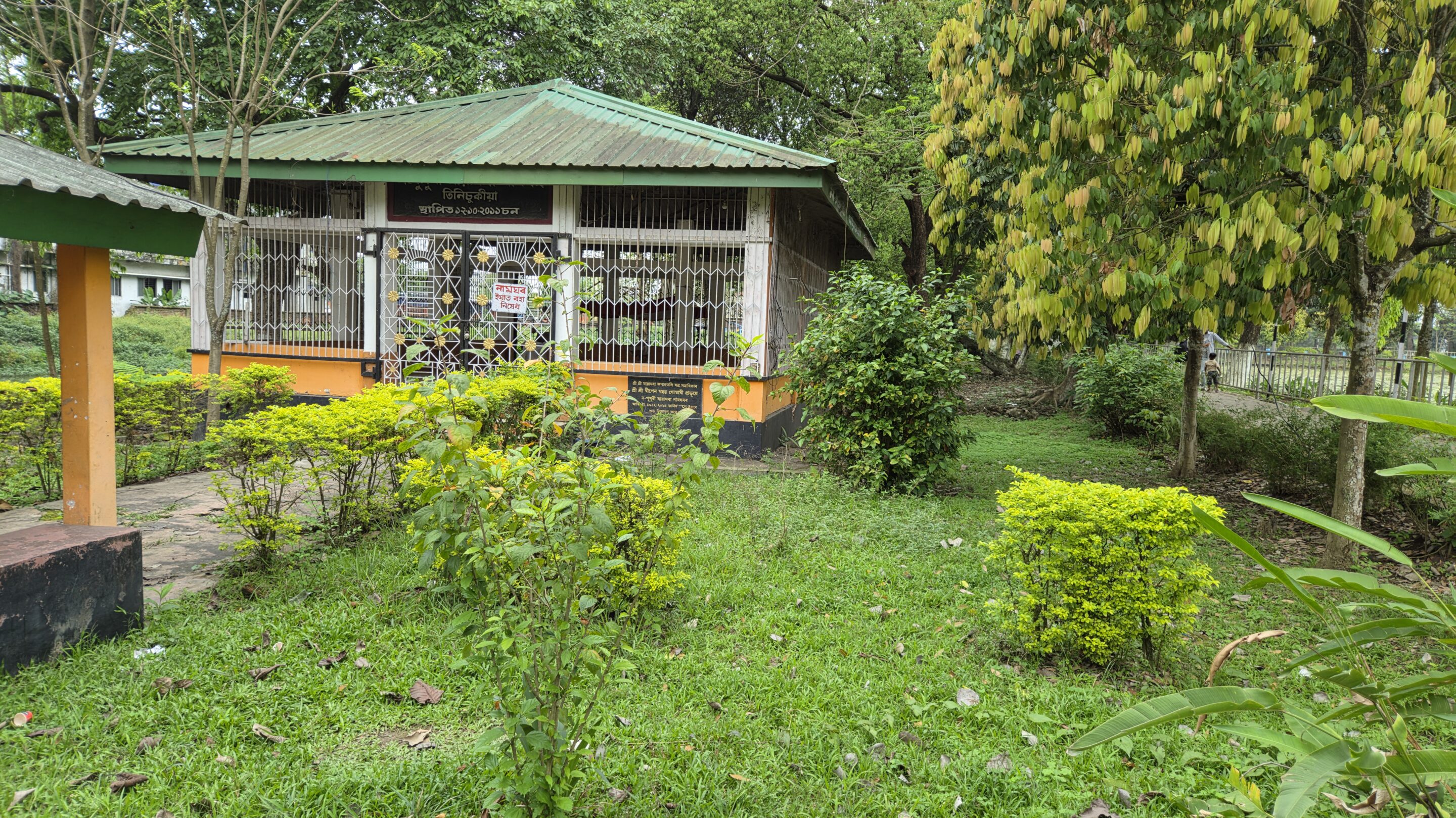


2x zoom samples





Ultrawide samples




Portrait shots are also pretty useful. They aren’t at the same level as the S26 Ultra, but good enough. On the Ultra, I liked 5x portraits more than anything, but the base model doesn’t have a 5x lens. The 3x camera doesn’t quite do the same job on either model.
Portraits and Selfies





Speaking of the 3x camera, regular zoom shots also offer a good amount of detail in daylight conditions, while retaining colors well. The same applies to the ultrawide lens. However, the latter doesn’t have autofocus, and that means it can’t focus on nearby subjects. Otherwise, ultrawide shots look punchy with good color accuracy.
3x zoom samples



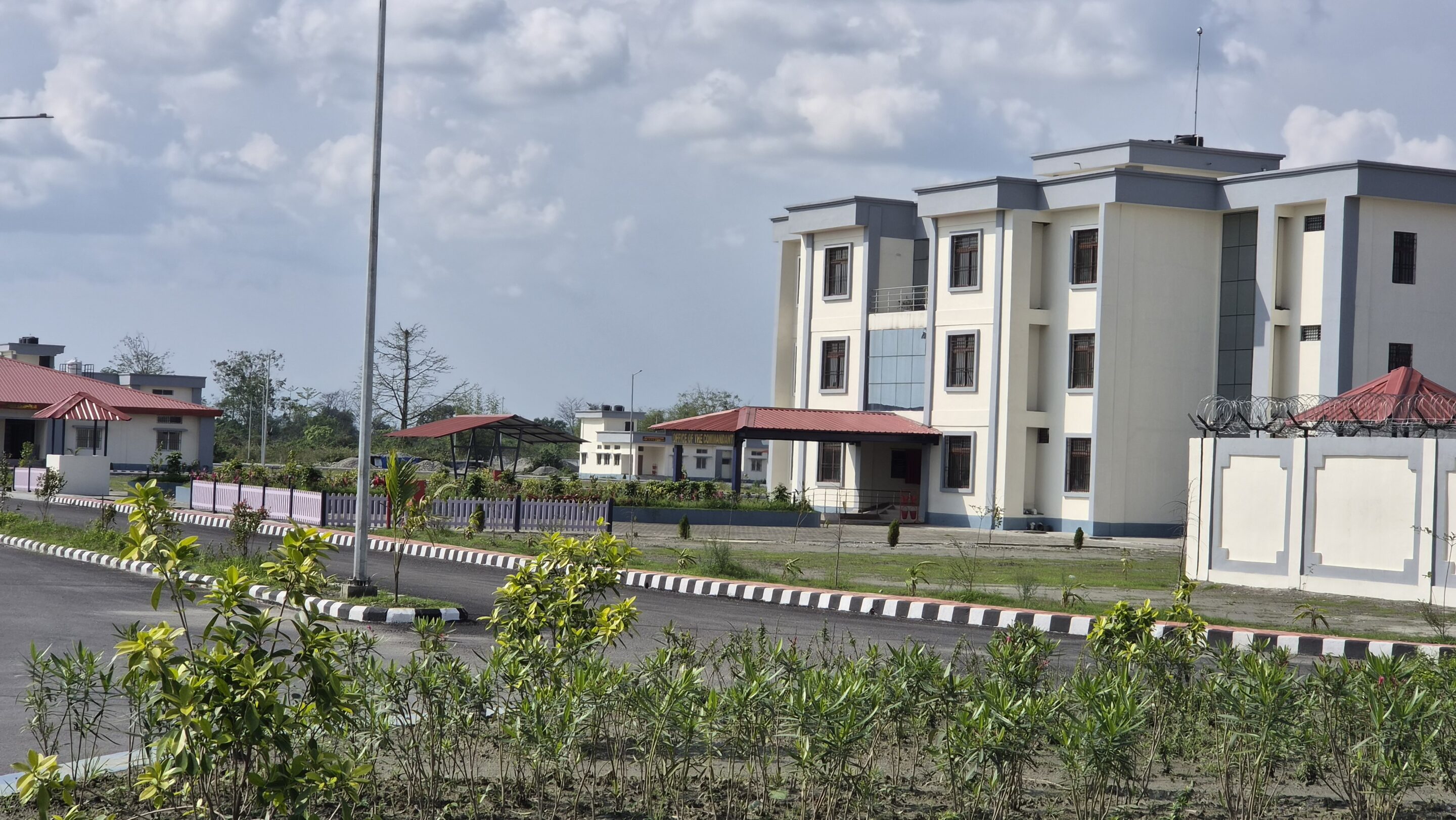
5x zoom samples
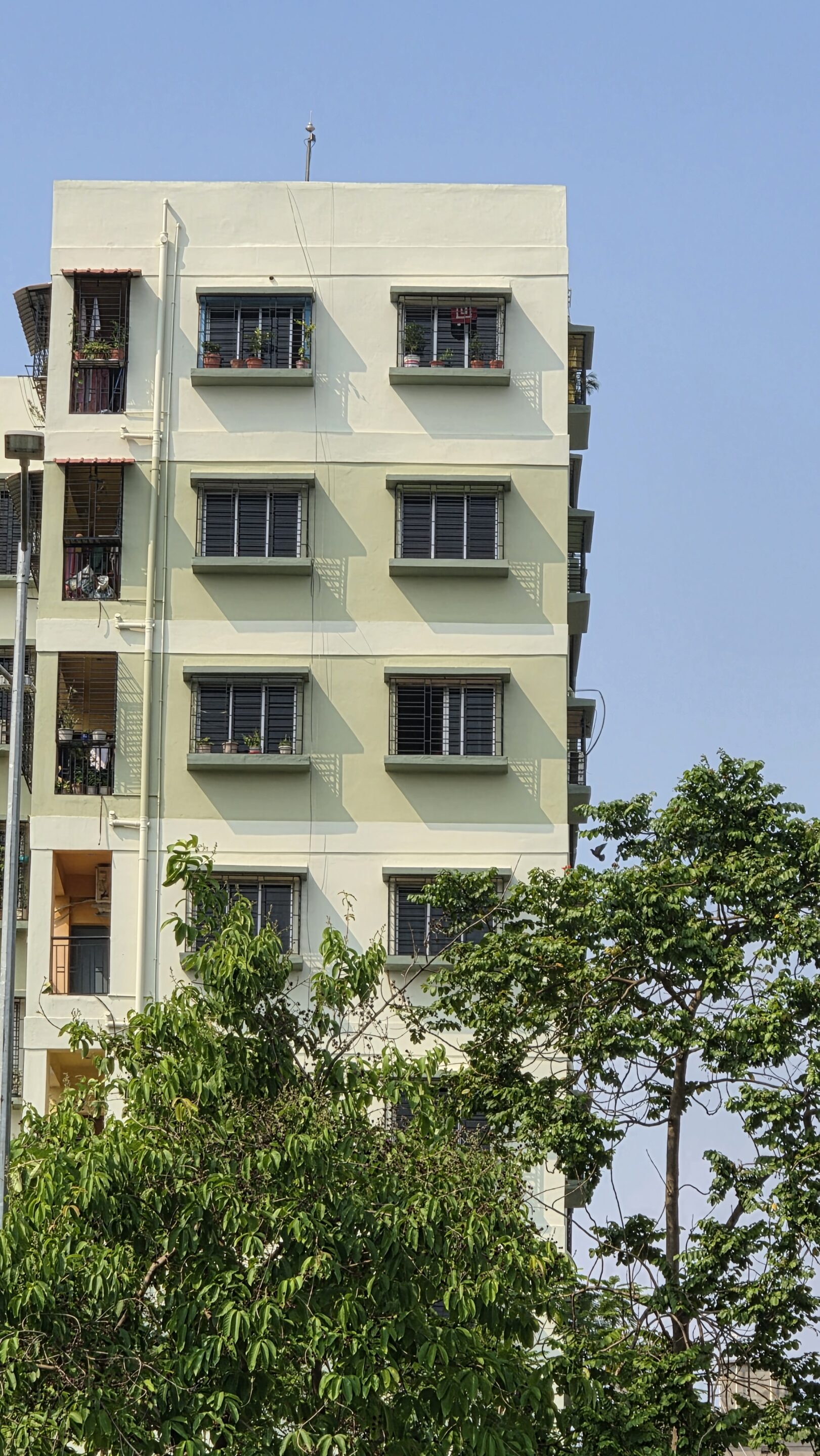

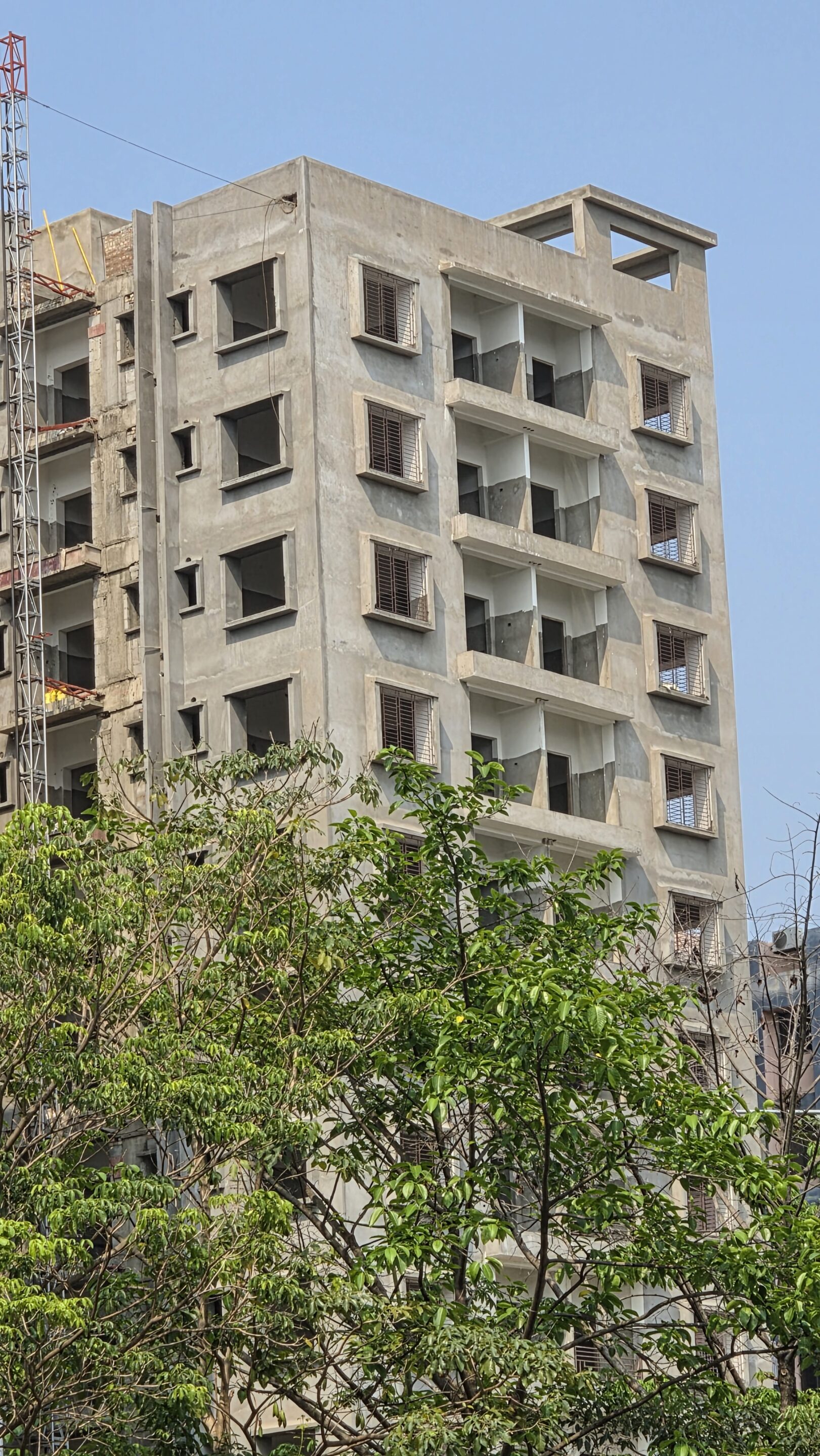
Videos also come out decently, with Samsung’s new Horizontal Lock feature improving stability for handheld video recording or vlogging. Overall, Samsung’s image processing continues to deliver punchy, social-media-ready shots as long as you shoot in sufficient natural light. But push the system harder, and its limitations become clear.
Improved software processing can’t fix the limitations of aging hardware
The Galaxy S26 fails to impress with its low-light and zoom camera performance. Competitors are moving ahead with larger sensors and better zoom capabilities, while Samsung’s base model feels stuck in place. The moment it gets a little dark, cameras start to struggle. Images come out with noticeable noise and lack depth. Night Mode helps improve clarity, but the photos look soft.
Low-light samples



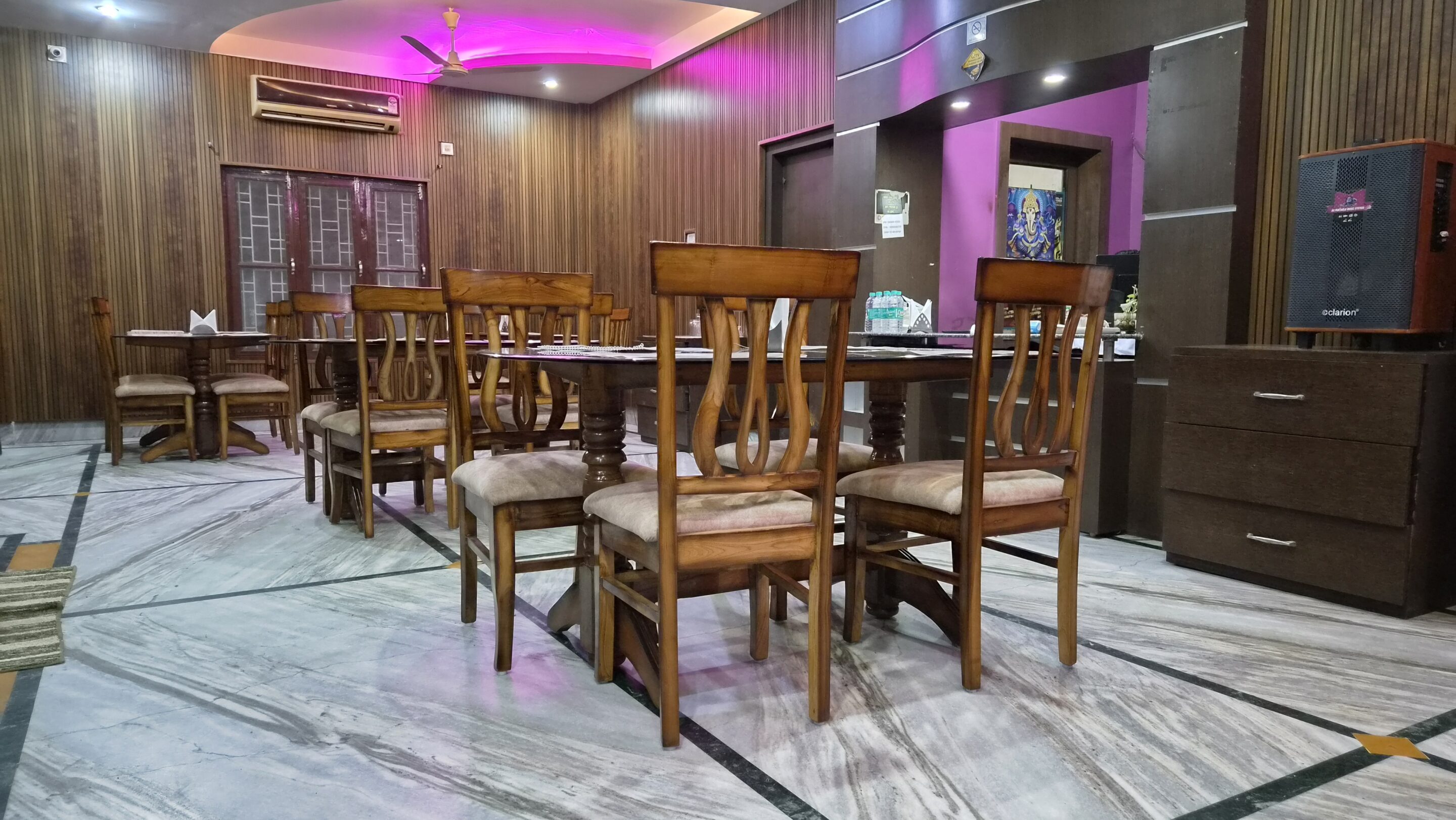

All things considered, the Galaxy S26’s camera system is its weakest link. While daytime images are good enough, the phone struggles in low-light conditions. These are simply not the best cameras in the class. Even with improved software processing, there’s only so much you can do with aging hardware. If good cameras are your primary need, this might not be the best phone for you, especially at the launch price.
Galaxy S26 Review: Performance
If there’s one area where the Galaxy S26 leaves no room for doubt, it’s performance. I am using the Exynos version, but we also have the Snapdragon model in the house (with one of my colleagues). Both the Snapdragon 8 Elite Gen 5 and Exynos 2600 are industry-leading chips, and that shows in the phone’s everyday performance.
This is one of the fastest Android phones available.
The Galaxy S26 delivers top-tier speed across the board. Apps open instantly. Multitasking is seamless. Games run smoothly, even at high settings (though this phone isn’t best suited for hardcore gaming due to its compact size). But what’s more important is consistency. There are no stutters. No unexpected slowdowns. No thermal issues in everyday use. And it’s coming from someone who switches between the S26 and S26 Ultra several times a day.

Well, the base model tends to get a bit warmer than the Ultra during extended gaming or long camera sessions. The phone’s compact size limits its cooling capabilities. However, during my testing, the Galaxy S26 never got uncomfortably hot.
The stereo speakers deliver clear, balanced sound with good volume levels. While they won’t replace dedicated audio equipment, they’re more than adequate for media consumption. Call quality is strong, with clear voice transmission and reliable reception. Connectivity features, including 5G and Wi-Fi, perform as expected for a flagship device. These aren’t headline features, but they contribute significantly to the overall experience.
All things considered, Samsung has reached a point where performance is no longer a differentiator; it’s a baseline expectation. And the Galaxy S26 meets that expectation effortlessly. Benchmarks confirm what real-world use already suggests: this is one of the fastest Android phones available.
Benchmarks
Galaxy S26 Review: Software
Running One UI 8.5 on top of Android 16, the Galaxy S26 offers one of the most refined Android experiences available today. The interface is clean, customizable, and packed with features, without feeling overwhelming.
Software is one of the strongest points of the Galaxy S26.
AI features are present, and while they don’t fundamentally change how you use the phone, they go a long way in enhancing your phone’s capabilities. Tools like photo editing, Audio Eraser, and contextual suggestions make the Galaxy S26 a much more powerful smartphone than many competitors.
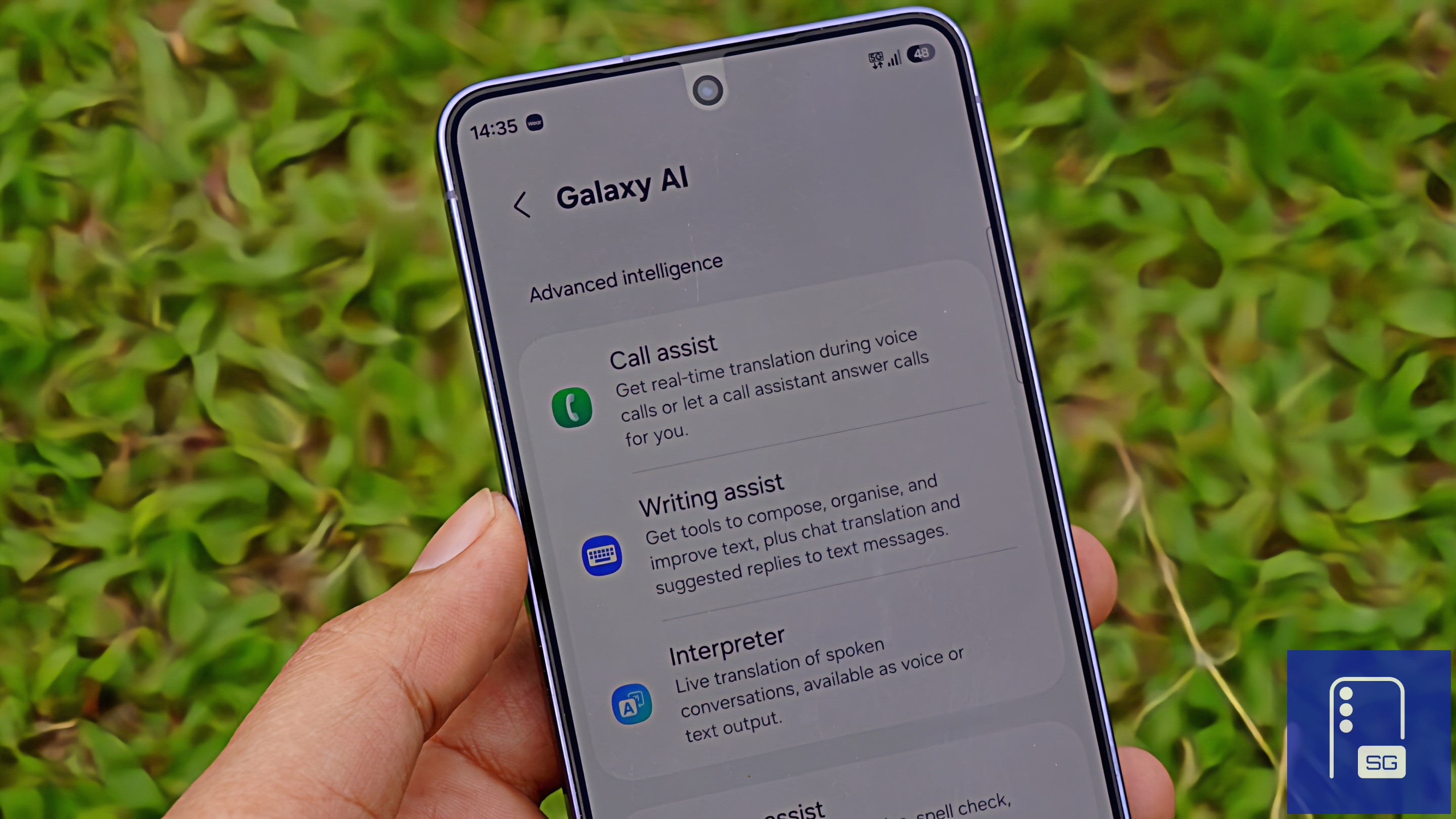
Samsung’s commitment to long-term software support also stands out. The company promises seven years of updates, making the Galaxy S26 a safer long-term investment than many competitors.
Overall speaking, it’s pretty much the same software experience as the S26 Ultra, so you can read about it in detail here.
Galaxy S26 Review: Battery Life and Charging
This year, Samsung increased the base model’s battery capacity from 4,000mAh to 4,300mAh, and it helps. The Galaxy S26 delivers a full day of endurance even with pretty heavy use, which involves some gaming and extended camera sessions. Screen-on time is consistent, and standby efficiency is good.
Charging speeds are a weak point, though. The device supports 25W wired charging and 15W wireless charging. These numbers feel outdated in a market where rivals are pushing significantly faster charging technologies. Samsung clearly prioritizes battery longevity over speed, but for many users, that trade-off won’t feel worth it.
That said, the Galaxy S26 appears to charge faster than its predecessor, which boasts the same charging speed but a smaller battery. In my testing, the new model took about 1 hour and 5 minutes to charge from 0 to 100%. The exact charging time varies, but you basically get a full charge in just over an hour if you plug it in at around 5% mark. The Galaxy S25 took about ten minutes more.
As far as wireless charging is concerned, I don’t even want to discuss it. It’s there just for the sake of it. I hardly ever use wireless charging, as it’s terribly slow and generates a lot of heat for my comfort. The Galaxy S26 also supports reverse wireless charging. While newer Samsung watches aren’t compatible, you can still charge your buds.
Galaxy S26 Review: Verdict
The Galaxy S26 is a technically excellent device. It does everything well. It avoids major flaws. It delivers a polished, reliable experience. But it also highlights a broader issue in the smartphone industry: when progress slows, even great products can feel underwhelming.
The challenge with the Galaxy S26 isn’t what it does; it’s what it doesn’t do. At its price point, expectations are high. But this phone falls short in more than one area. Cameras leave a lot to be desired, especially in zoom and low-light performance. Charging speed feels too slow for a 2026 flagship. Even the display, where Samsung leads the industry, could be better with a 10-bit panel and QHD+ resolution.
In short, the Galaxy S26 is not for everyone. It’s ideal for:
- Users who want a compact flagship
- People who value stability over experimentation
- Those already invested in Samsung’s ecosystem
But it’s less suitable for:
- Photography enthusiasts
- Power users seeking cutting-edge features
- Buyers looking for maximum value
|
$899 Galaxy S26
|

Written by
Sumit AdhikariSumit, a life-long Samsung user, is passionate about technology and has been professionally writing on tech since 2017. He’s a mathematics graduate by education and enjoys teaching basic mathematics tricks to school kids in his spare time. Sumit believes in artificial intelligence and dreams of a fully open, intelligent and connected world.

Follow us on Google Discover & set us as a preferred source in Google News
Share this Post
___________________________


New Blog Posts
___________________________
Galaxy A08 and Galaxy A07s Spotted on Samsung’s Internal Servers
One step closer to launch

Samsung Galaxy Weekly Updates Roundup (June 29-July 5)
Samsung’s update speed saw a brief slowdown this week
Galaxy F70 Pro Spotted on Bluetooth SIG Ahead of Launch
Galaxy F70 Pro set to launch soon