Qualcomm’s Snapdragon Price Hike May Add to Galaxy S27 Costs
SammyGuru is reader-supported. We have affiliate and sponsored partnerships, so we may earn a commission when you buy through links on our site — at no extra cost to you. Learn more.
Samsung’s Galaxy S27 series is slowly taking shape, with reports pointing to several meaningful upgrades. But those improvements could come at a cost, not because of Samsung but Qualcomm. A new report claims Qualcomm will raise the price of its Snapdragon chips starting in September 2026, directly adding to the bill of materials for the Galaxy S27 lineup.
Galaxy S27 could cost more as Qualcomm plans a price hike for Snapdragon chips
According to a Bloomberg report, Qualcomm has notified its customers that it will increase prices for its products by double-digit percentages for shipments after September 1. The company said supplier costs continue to rise, and switching to alternative component sources has not been enough to ease the pressure.
The chipmaker is also making some changes to its flagship chip strategy this year. It may debut two versions of its next-gen mobile chip rather than offering just one premium processor. Allegedly called the Snapdragon 8 Elite Gen 6 and 8 Elite Gen 6 Pro, these solutions may target two different groups of premium Android flagships.
The Snapdragon 8 Elite Gen 6 Pro may feature better CPU and GPU performance, larger cache, and improved memory specifications. The chip could reportedly cost more than $300 per unit, up from $240 to $280 for the current Snapdragon 8 Elite Gen 5. There is no word on the pricing of the standard 8 Elite Gen 6, but it should cost less than the Pro variant.
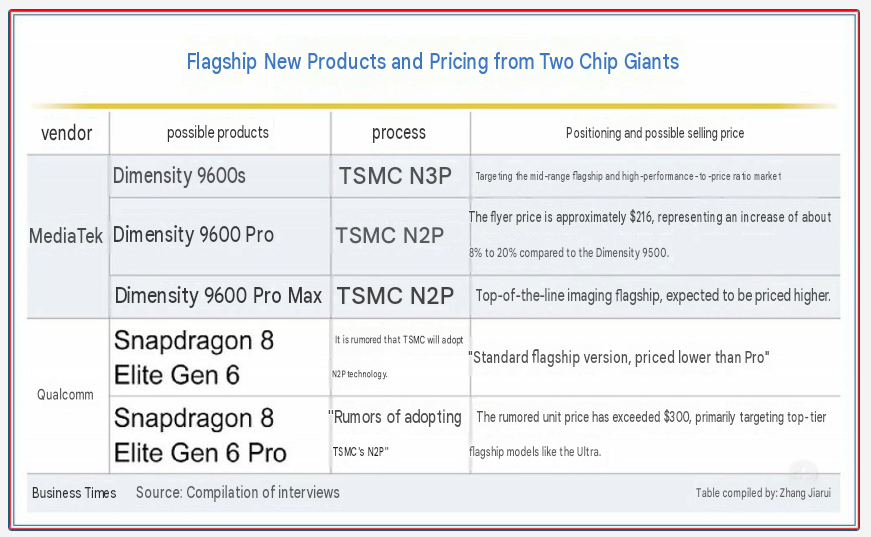
Rumors suggest the Galaxy S27 Ultra may use the Snapdragon 8 Elite Gen 6 Pro while the base S27 and S27+ may feature the regular 8 Elite Gen 6. The Galaxy S27 Pro could arrive with either chip. It is worth mentioning that Samsung may power some Galaxy S27 units with the upcoming in-house Exynos 2700 chip.
Higher chip prices could directly impact the Galaxy S27 lineup. In addition, rising costs for other key components, including DRAM and NAND Flash memory, may increase production expenses. Samsung is unlikely to absorb the extra costs, meaning Galaxy S27 models may see higher price tags than predecessors.

Written by
Binay KonwarBinay Konwar started his blogging journey in 2014 and has since written plenty of tech articles. At present, he is working as a News Writer at SammyGuru, covering everything about Samsung. He holds a Master's degree in Mathematics, but his real passion lies in tech and writing. In his free time, he enjoys playing chess and watching movies.

Follow us on Google Discover & set us as a preferred source in Google News
Share this Post
___________________________


New Blog Posts
___________________________
Do Galaxy Z Fold 8, Fold 8 Ultra and Flip 8 Support Emergency Satellite SOS?
It’s good to have this feature in any case tho….
Galaxy Z Fold 8 Ultra is Here — Should You Upgrade from Fold 6 or Fold 7?
Fold 8 Ultra focuses on actual usage rather than specs
The Galaxy Z Fold 8 Is the Best iPhone and iPad Replacement Yet
Two devices, one pocket