After Foldables, Samsung May Have Inspired Apple to Make Smart Rings
SammyGuru is reader-supported. We have affiliate and sponsored partnerships, so we may earn a commission when you buy through links on our site — at no extra cost to you. Learn more.
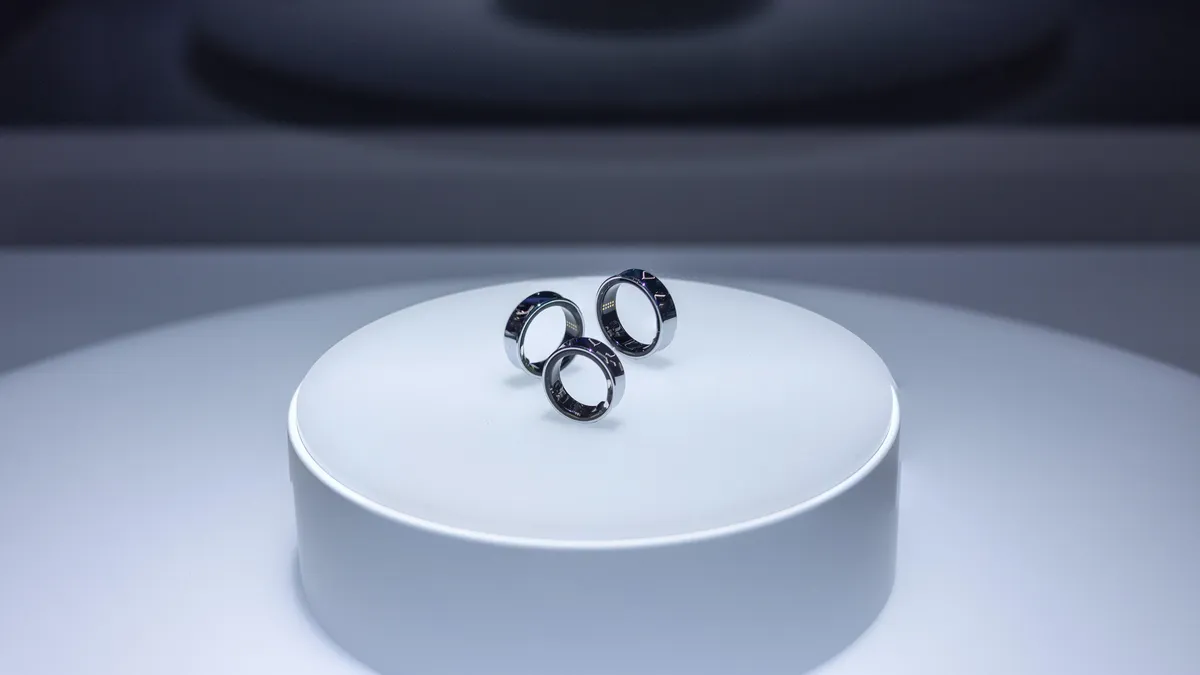
More than seven years after Samsung introduced its first foldable smartphone, Apple is finally preparing to enter the category. And foldables may not be the only area where Apple has taken cues from its biggest rival. Recent reports suggest the company is also reconsidering a smart ring, another product category Samsung entered first with the Galaxy Ring in 2024.
Samsung showed that smart rings don’t have to replace smartwatches
Whenever Samsung launches a new product, it’s only a matter of time before someone compares it to Apple. Sometimes those comparisons are justified. Samsung has adopted ideas that first appeared on Apple products, and the Galaxy Watch Ultra is one of the clearest recent examples. Not just the branding, Samsung even copied the strap design and color.
But the opposite also happens more often than many people acknowledge. While Apple often waits before entering a new product category, letting the market mature, that doesn’t mean it develops every product in isolation. Sometimes, competitors help prove that a category has real potential. Samsung has done that more than once, and the latest example could be smart rings.
Recent reports suggest Apple is once again exploring a smart ring, reportedly called the iRing. That’s a notable change from where things stood just a couple of years ago. Earlier reports claimed that the company had shelved the project because it worried a smart ring would cannibalize Apple Watch sales. If people could track their health from a ring, why would they buy an expensive smartwatch?
Samsung answered that question with the Galaxy Ring. Instead of marketing the Galaxy Ring as a replacement for the Galaxy Watch, Samsung positioned it as a companion device. The company focused on overnight health tracking, comfort, and long battery life, areas where a ring naturally has advantages.
That strategy appears to have worked. Rather than hurting Galaxy Watch sales, the Galaxy Ring expanded Samsung’s wearable portfolio and gave users another way to stay inside its health ecosystem. If Apple is indeed revisiting the iRing project, it may be because Samsung helped demonstrate that the two product categories can successfully coexist.
This isn’t the first time Samsung has moved first
Foldables are another obvious example. Samsung spent years investing in foldable phones while many competitors watched from the sidelines. The first few generations weren’t perfect, but Samsung kept refining the concept until foldables became a legitimate premium smartphone category.
Now Apple is widely expected to launch its first foldable iPhone, reportedly called the iPhone Ultra, this year. That doesn’t necessarily mean Apple is copying Samsung. Apple has always preferred entering markets later with a more polished product. Still, Samsung deserves credit for helping validate the category long before Apple decided it was worth pursuing.
It’s also a reminder that Samsung isn’t always the company following Apple’s lead. After all, competition goes both ways. Technology companies constantly learn from one another. Samsung has borrowed ideas from Apple. Apple has borrowed ideas from Samsung. Both companies also take inspiration from the broader smartphone ecosystem. That’s simply how the industry evolves.
If Apple eventually launches an iRing, consumers will likely benefit. More competition usually leads to better hardware, improved software, and faster innovation. Samsung will continue refining the Galaxy Ring, while Apple will bring its own strengths in ecosystem integration and health tracking.

Written by
Sumit AdhikariSumit, a life-long Samsung user, is passionate about technology and has been professionally writing on tech since 2017. He’s a mathematics graduate by education and enjoys teaching basic mathematics tricks to school kids in his spare time. Sumit believes in artificial intelligence and dreams of a fully open, intelligent and connected world.

Follow us on Google Discover & set us as a preferred source in Google News
Share this Post
___________________________


New Blog Posts
___________________________

Samsung Wins Top Honor in Home Appliance After-Sales Service
This is the second consecutive year for such recognition

TM Roh Visits BOE’s OLED Plant Amid Galaxy S27 Rumors
Samsung may expand TV display orders from BOE

Apple is Already Planning a Second Foldable, and Samsung Should Take Notice
Samsung’s grip on the foldable smartphone market is starting to slip