Galaxy Z Fold 8’s Native 24MP Mode Could Reveal Samsung’s Next Big Camera Challenge

SammyGuru is reader-supported. We have affiliate and sponsored partnerships, so we may earn a commission when you buy through links on our site — at no extra cost to you. Learn more.
The rumored Galaxy Z Fold 8 (Wide) is expected to introduce native 24MP photo output from its new 50MP main camera. On paper, that sounds like a straightforward camera upgrade. But after looking at how modern flagship cameras actually behave, the more interesting question isn’t whether Samsung can shoot 24MP photos, but whether it can keep 24MP once computational photography takes over.
Samsung already solved the easy part
The Galaxy S26 Ultra already supports 24MP output through Camera Assistant, and real-world use shows that the experience remains responsive. Capture happens instantly, while the additional processing takes place after the image has already been recorded. Samsung has proven that higher-resolution photography can work in everyday shooting without turning the camera into a slower experience.
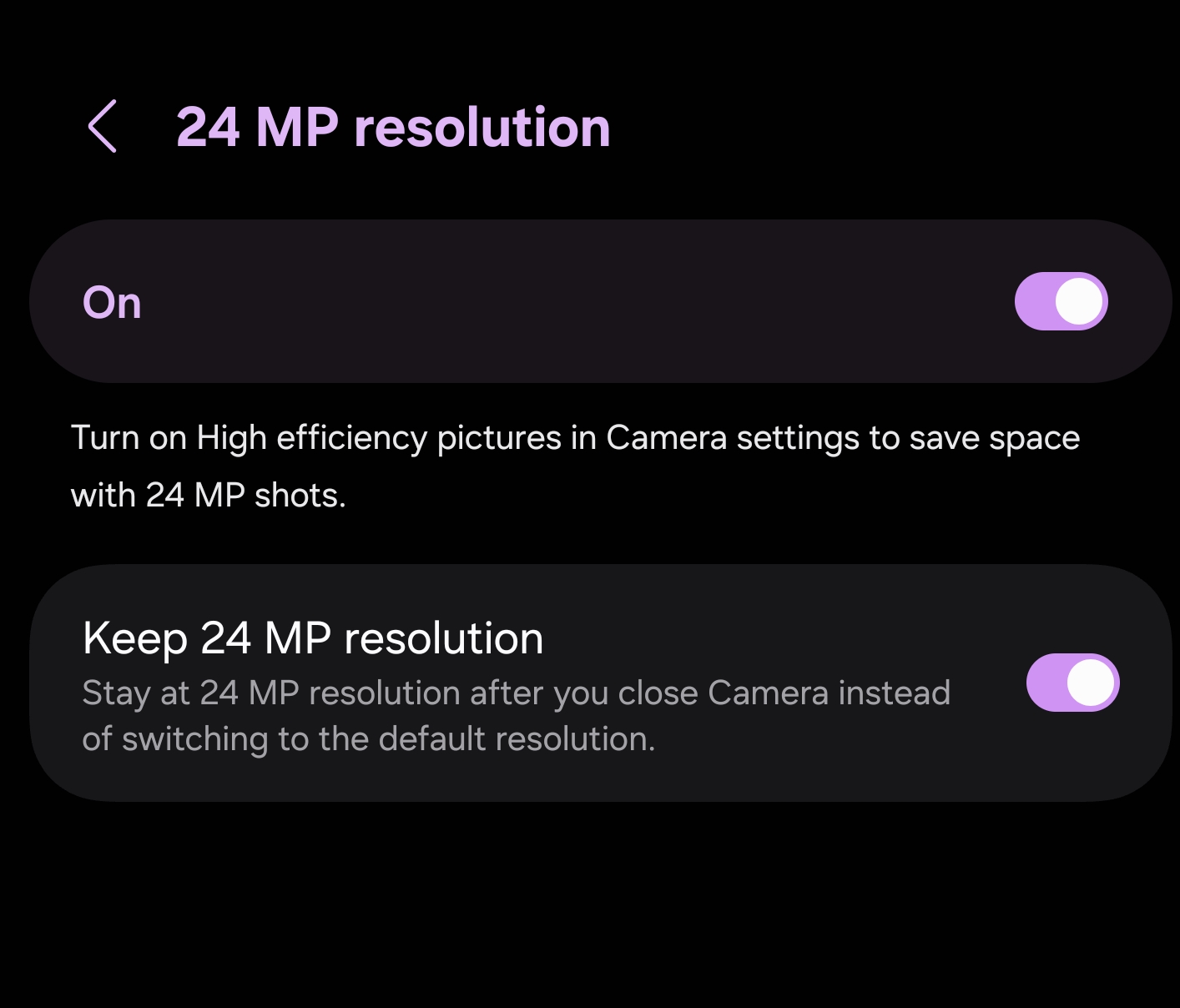
However, things become more interesting when Samsung’s advanced camera modes take over. While Auto Mode can produce 24MP photos, Nightography and Portrait Mode continue to rely on lower-resolution outputs. This isn’t unique to Samsung. Similar behavior can be found across much of the smartphone industry, even among devices that promote higher-resolution photography during daylight conditions.
This may seem strange to many. If the phone can shoot 24MP in one mode, why not everywhere? The answer has less to do with megapixels and more to do with computation.
A standard photo is relatively simple compared to what happens in Nightography or Portrait Mode. Night photography often requires multiple frames to be captured, aligned, merged, denoised, and reconstructed before the final image exists. Portrait photography introduces a different challenge, requiring the camera to separate subjects from backgrounds, generate depth information, detect edges, and simulate optical lens blur.
In both cases, the phone is doing far more than taking a picture. It is analyzing and rebuilding the scene. Every increase in output resolution increases the workload of that entire process. This is where many camera systems continue to favor lower-resolution pipelines, even as daytime photography moves toward 24MP and beyond.
Why the Galaxy Z Fold 8 (Wide) matters
If native 24MP support simply removes the need for Camera Assistant on the Galaxy Z Fold 8 (Wide), Samsung has improved convenience. Users gain easier access to a feature that already exists. But if Samsung extends that higher-resolution approach deeper into Nightography, Portrait Mode, and the rest of its computational photography pipeline, the implications become much larger.
That would suggest Samsung is no longer treating 24MP as an optional output mode. Instead, it could signal a shift toward making higher-resolution processing the foundation of the entire camera experience. It may end up revealing something far more important than a new camera feature, offering an early glimpse at the next stage of smartphone imaging.


Follow us on Google Discover & set us as a preferred source in Google News
Share this Post
___________________________


New Blog Posts
___________________________
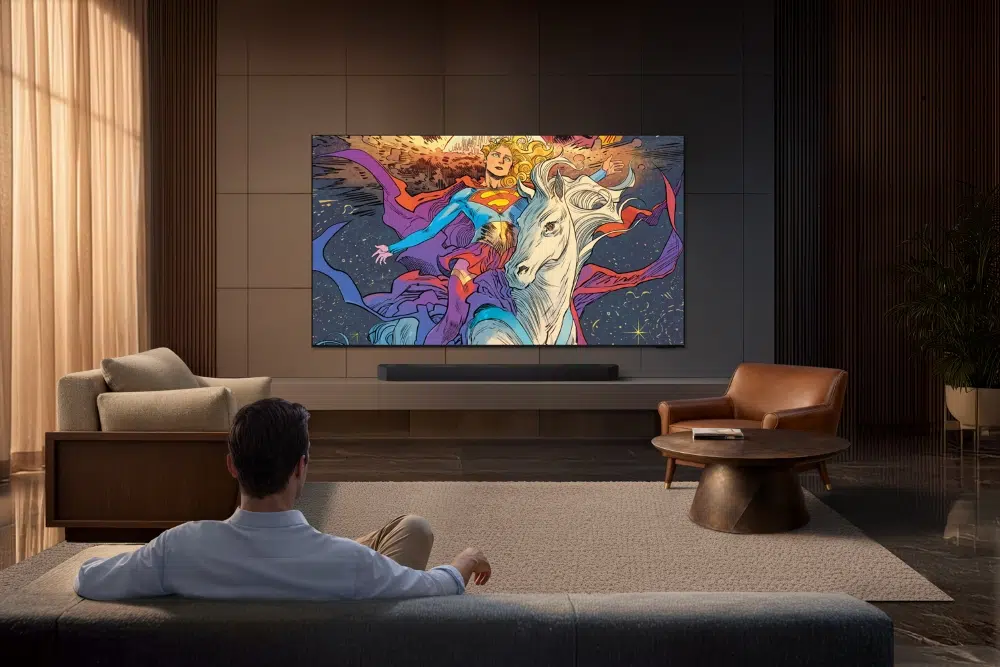
Samsung Adds Supergirl Collection to Art Store With Big Giveaway
Samsung pushes Supergirl launch with art, TVs, and giveaways

Samsung Secures Apple’s Nod to Make Foldable iPhone OLED Modules
This comes after the display maker proved its production quality
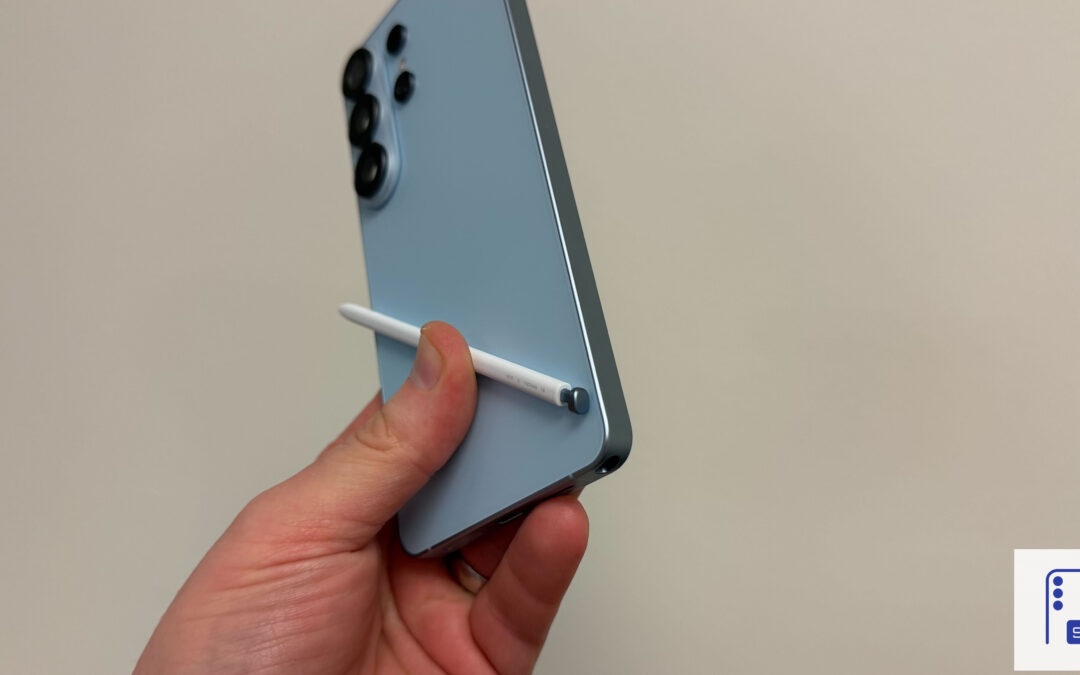
Galaxy S26 Ultra Hits Lowest Price in the US for Prime Day
Now’s the best time to buy the Galaxy S26 Ultra