Samsung SDI Inks Major AI Data Center Battery Contract
SammyGuru is reader-supported. We have affiliate and sponsored partnerships, so we may earn a commission when you buy through links on our site — at no extra cost to you. Learn more.
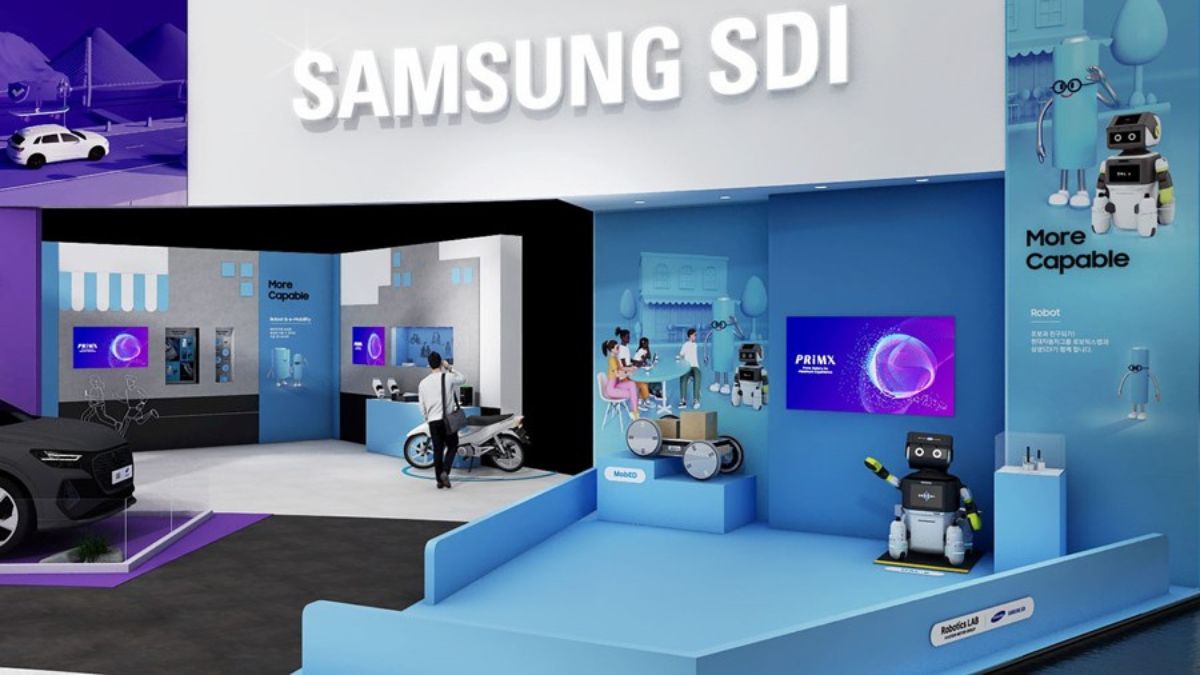
Samsung SDI has secured a major battery supply contract for artificial intelligence (AI) data centers. The deal is worth hundreds of billions of won, which is quite significant. This could allow the company to solidify its battery business and support its efforts to return to profitability in the coming months.
Samsung SDI supplies its cylindrical cells to Simplo Technology
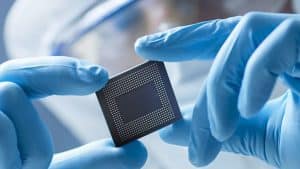
According to The Elec, Samsung SDI is supplying cylindrical battery cells to Simplo Technology, a Taiwan-based company that specializes in battery pack manufacturing. The annual volume could surpass 1 trillion won. Simplo uses these cells to assemble Battery Backup Units (BBUs) for AI data centers. It then supplies finished products to clients such as Amazon and Meta.
Simplo initially manufactured battery packs for consumer electronics such as laptops, smartphones, and tablets. The company later expanded its business into electric vehicles, e-bikes, and energy storage systems. Its subsidiary Trend Power focuses on the data center battery business. “Simplo prefers Samsung SDI products, with whom it has been doing business since its days supplying laptop batteries,” said an industry insider.
Samsung SDI’s cylindrical cells for BBUs use a high-nickel NCA cathode and a silicon-carbon anode to offer high capacity and fast charging. In comparison, lithium iron phosphate (LFP) has lower energy density and lower voltage, which reduces its power output. This makes LFP unsuitable for BBUs.
“As BBU sales increase due to expanded data center investments, cylindrical battery production is rising, and utilization rates are high,” said a Samsung SDI official. This solid demand could support the company’s goal of returning to profitability this year.
In addition to BBUs, Samsung SDI is also expanding its business in uninterruptible power supply (UPS) systems and energy storage solutions. The former uses prismatic cells and powers entire facilities, while the latter improves power quality and supports a stable electricity supply. These areas are also performing well as AI infrastructure expands globally.

Written by
Binay KonwarBinay Konwar started his blogging journey in 2014 and has since written plenty of tech articles. At present, he is working as a News Writer at SammyGuru, covering everything about Samsung. He holds a Master's degree in Mathematics, but his real passion lies in tech and writing. In his free time, he enjoys playing chess and watching movies.

Follow us on Google Discover & set us as a preferred source in Google News
Share this Post
___________________________


New Blog Posts
___________________________
The One Thing I Hate Most About Samsung’s One UI Beta Brogram
No, it’s not bugs or software stability!
Samsung Eyes More DRAM Price Hikes Amid Supply Crunch
This comes as shortages continue across several memory products
LockStar and NavStar Now Support One UI 9, Flip Users Get New Feature
Samsung is continuing to update its Good Lock suite for One UI 9