Samsung is Using Exynos as a Catalyst to Solve the Issue of Heat

SammyGuru is reader-supported. We have affiliate and sponsored partnerships, so we may earn a commission when you buy through links on our site — at no extra cost to you. Learn more.
Samsung is hard at work solving the number one issue that plagues all smartphones: heat. Back in 2016, the company introduced a heat pipe in the Galaxy S7, one of the first smartphones with a proper thermal solution globally. This was the first step toward tackling heat.
While increasing the size of the cooling solution and moving to a vapor chamber certainly helps, it isn’t the best solution, and Samsung knows this. Starting with the Exynos 2500 and Exynos W1000, it began targeting the root cause of thermals inside the chipset.
The Drawbacks of Heat aren’t Temporary
When we think of a smartphone in a hot environment or under stress, we picture a dimmed display, slowed performance, poor network, and worse battery life. But once it cools down or moves to a cooler environment, these issues disappear. That’s not where the story ends.
Heat can reduce the lifespan of your device and accelerate degradation. The accelerated battery drain increases charge cycle count and speeds up battery aging. It can cause permanent performance loss and potentially damage other components. That is why an overheating phone that cannot cool down in time will force a shutdown.
I dealt with two smartphones that had permanent performance loss: the Galaxy S8 Plus and the iPhone XR. I will admit I was not the most delicate, as both required new displays, batteries, and shells. But prior to this, as a previous mobile gamer and heavy smartphone user, they did not age as well as my peers’ devices.
When Fortnite Mobile released, I played it more than I’d like to admit. I distinctly remember how hot both devices would get. I would take the case off and sometimes play in front of the AC. Over time, I got used to the heat and stopped trying to cool them down.
But as a result, I had to deal with battery and performance issues, so much so that I backed up my important data and factory reset them. Poor battery life, I understand, as no phone performs the same as when new. But performance felt excessively sluggish. It never improved. I would try Fortnite on a friend’s iPhone XR, and it had much better performance. I even noticed how much smoother it was throughout the UI and how quickly apps opened.
Samsung’s Advancements Targeting the Root Cause of Heat
Packing in a larger vapor chamber each generation isn’t going to cut it. After seeing what RedMagic had to do to tame the Snapdragon 8 Elite Gen 5, Samsung had to think outside the box to counter increases in thermal output and power consumption. And it started doing that with the Exynos 2500 and Exynos W1000.
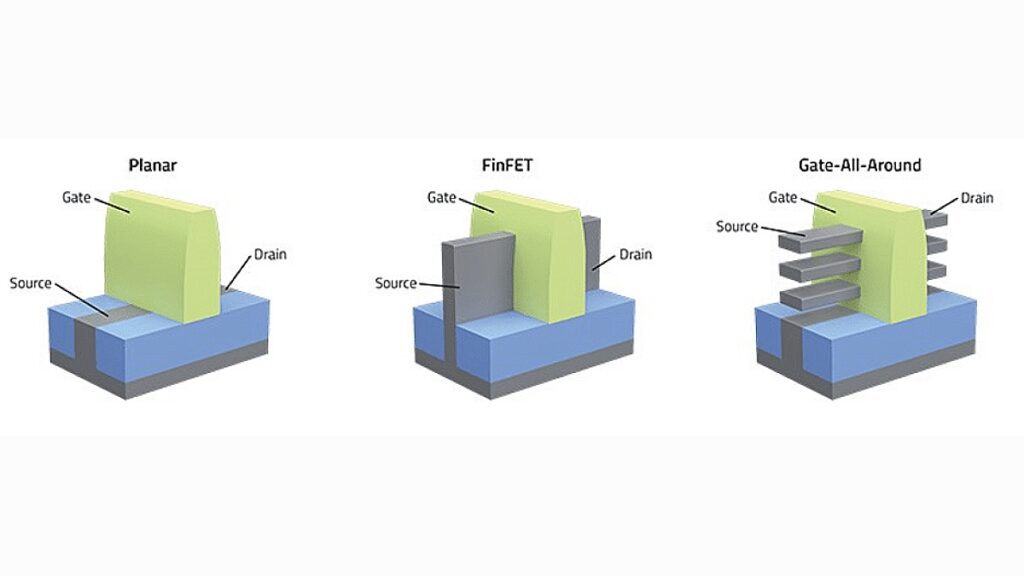
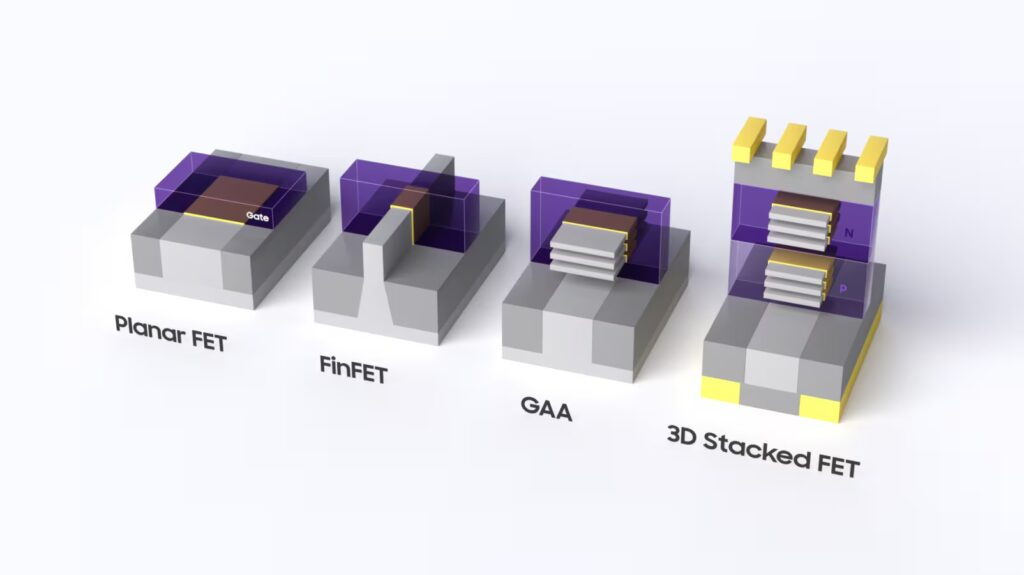
These chipsets were built on a 3nm Gate-All-Around (GAA) process that doesn’t share the same flaws as TSMC’s 3nm process. Utilizing GAA instead of traditional FinFET reduced voltage leakage, which leads to lower thermals and lower power consumption. Less power means less heat.
Samsung then developed a new advanced thermal packaging technology called Heat Pass Block (HPB). It moves the memory module to the side, allowing a copper heatsink to be placed directly on the die and reducing thermals by 30%.
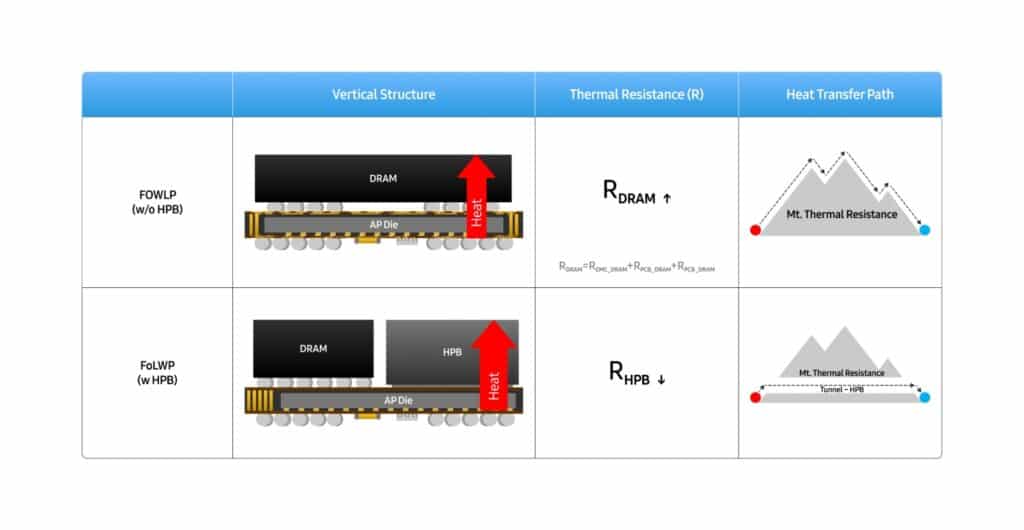
Heat-Pass Block (Samsung)
Samsung is once again leading the industry with another advancement in the fabrication process: Side-by-Side (SBS) stacking. It would debut with the upcoming Exynos chips, with dies placed horizontally. It separates the RAM from the processor, allowing for better heat dissipation.
Samsung went back to the drawing board and targeted the source of the problem. Instead of increasing vapor chamber size, they introduced cooling measures before the vapor chamber would need to work. It’s not just the vapor chamber doing the heavy lifting. We will soon have a multi-step cooling system in our smartphones.
Moving the memory modules away from the die helps remove heat and raises the thermal threshold. Combined with a copper heatsink placed directly on the die, the vapor chamber becomes more effective for heavy workloads. All that remains is better software tuning.
The Display Plays a Part Too
You may not realize it at first, but Samsung building a Privacy Display system into the Galaxy S26 Ultra also plays a role. Combined with an anti-reflective coating and improved scratch resistance from Corning, we are less likely to use a screen protector.
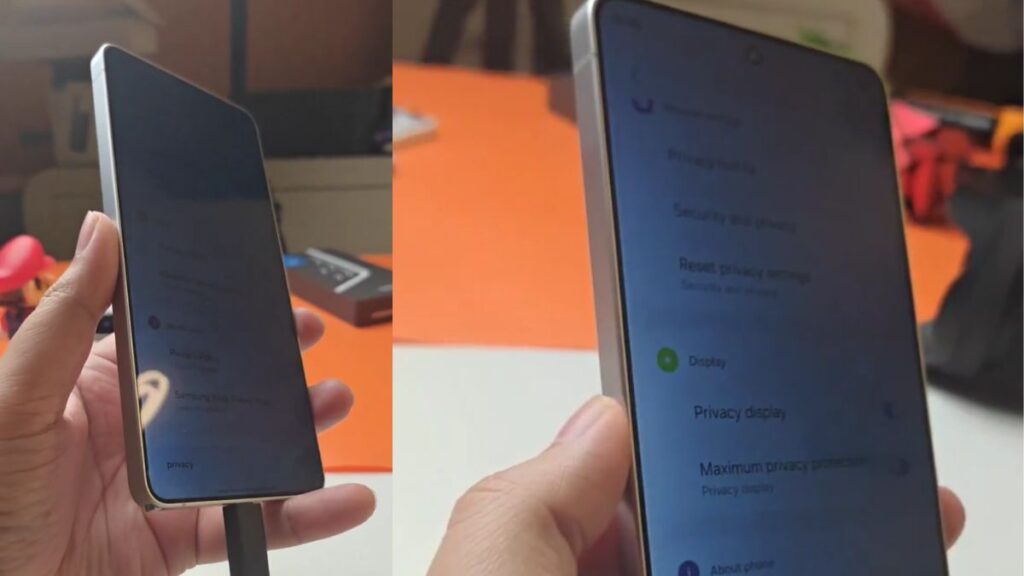
This ties directly into thermal performance. A smartphone dissipates heat passively through the display. Adding a screen protector traps heat in, similar to how a standard case does.
Since launch, I have decided not to use a screen protector with my Galaxy S26 Ultra. While the screen shows signs of usage, it is nowhere near the level of my iPhone or previous Galaxy S24 Ultra. Even though I purchased anti-reflective screen protectors, it’s just sitting in my drawer. While I do use a case, it’s a BodyGuardz case that helps improve thermal performance. Unless future screen protectors somehow help with heat dissipation, I am less likely to use one.
Solving Thermals is the Next Step Forward
Eventually, we all deal with thermal issues on our smartphones. Whether it’s a day out in the sun, using it while charging, during the summer, or especially gaming. This universal issue can be resolved with better cooling and bigger batteries, but at some point it only masks the underlying problem.
When we examine Qualcomm and Apple’s flagship chipsets, they output excessive heat and increased power usage when pushed. There’s a reason Apple essentially turned its iPhone 17 Pro and iPhone 17 Pro Max into a heatsink, and how RedMagic’s liquid-cooled smartphone can tame the Snapdragon 8 Elite Gen 5.
Samsung’s innovation will not be for them only. They are going to supply Apple and Qualcomm with Heat Pass Block. The only thing left is for TSMC to utilize GAA or what Samsung is currently working on with SBS. Solving these issues at a core level would reduce the need for excessive cooling and battery capacity. True innovation instead of throwing money at the problem.

Written by
Aladdien FadhelAladdien Fadhel provides Samsung reviews and in-depth analysis for SammyGuru. By tracking the development of One UI and exploring Samsung's product roadmap, he delivers insights designed to benefit both the manufacturer and the user. A dedicated tinkerer, Aladdien prefers fine-tuning his current hardware to maximize its potential rather than opting for an immediate upgrade.

Follow us on Google Discover & set us as a preferred source in Google News
Share this Post
___________________________


New Blog Posts
___________________________

Galaxy Z Fold 8 Appears in Samsung’s Spider-Man Promotional Teaser
It is part of the company’s collaboration with Spider-Man: Brand New Day
Spotify Now Lets You Pin Up to 20 Items in Your Music Library
Sometimes the smallest tweaks end up stealing the show
How to Watch Galaxy Unpacked on July 22 and What We Expect
A lot, honestly