Samsung’s Floating AI Data Centers Move One Step Closer to Reality
SammyGuru is reader-supported. We have affiliate and sponsored partnerships, so we may earn a commission when you buy through links on our site — at no extra cost to you. Learn more.
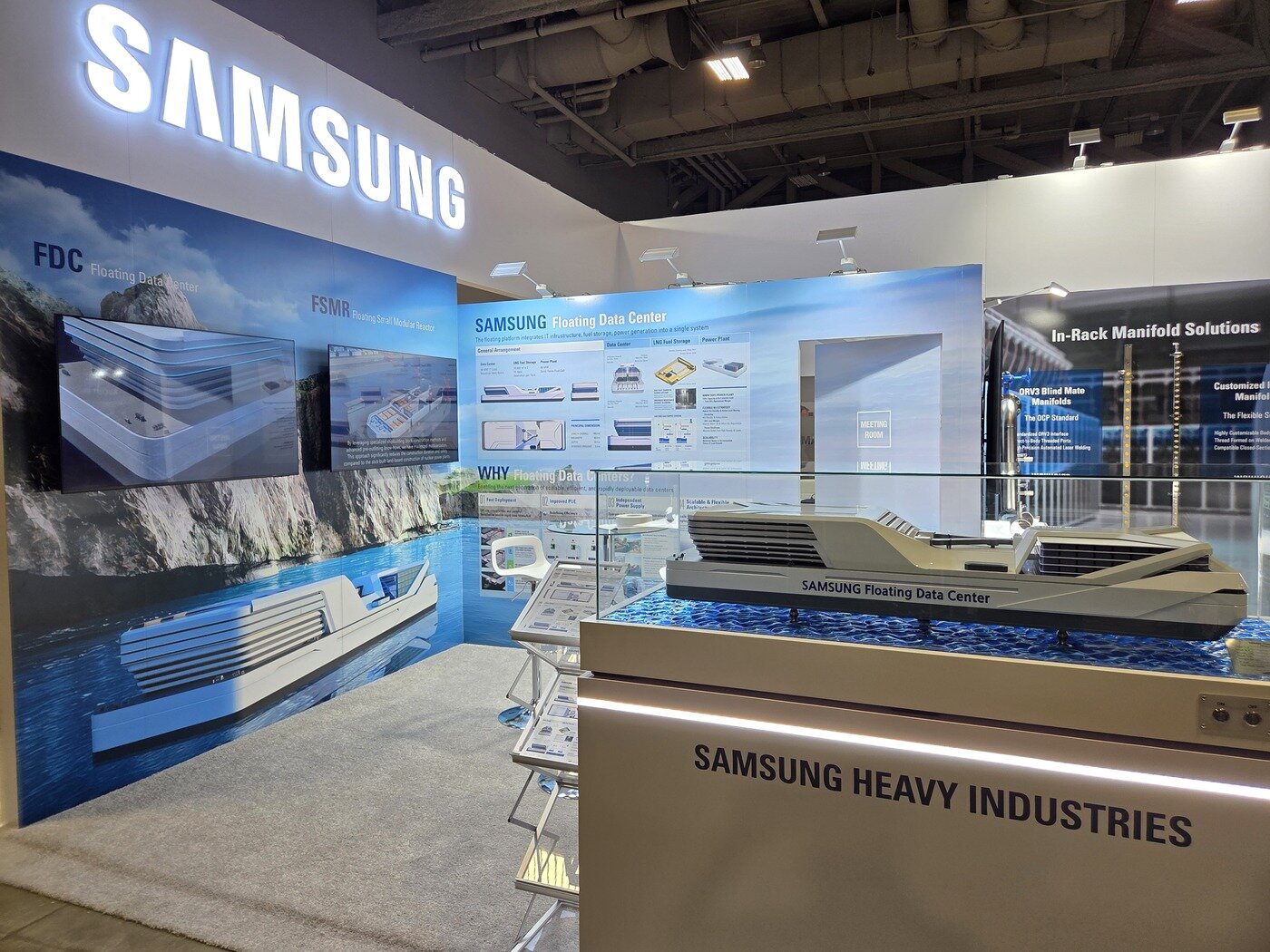
Samsung’s floating data center project has taken another step forward. After revealing plans for AI data centers built at sea earlier this year, Samsung Heavy Industries has now shared when it expects the platform to become a commercial product. The company believes the technology could be ready sooner than many expected.
Samsung says its floating AI data centers could be ready in 2028
Samsung wants to commercialize its floating data center platform by the second quarter of 2028 and hopes to secure customer orders before then (via TradeWinds). The company believes building AI infrastructure on water could help overcome land shortages, reduce cooling costs, and speed up deployment as demand for computing capacity continues to grow worldwide.
Unlike traditional data centers, Samsung’s design uses a purpose built barge that can house servers, electrical systems, and onboard power equipment. The first deployments will stay close to shore and use electricity from the existing grid, while benefiting from the cooling effect of the surrounding water.
Samsung also believes floating facilities can be built faster than conventional data centers. Using established shipbuilding methods could reduce construction time and avoid some delays linked to land based developments. That could become an advantage as AI companies race to add more computing capacity over the next few years.
There are still challenges to overcome before floating data centers become common. Samsung must ensure servers can operate reliably despite humidity, saltwater corrosion, changing tides, and rough sea conditions. Long term reliability will be just as important as faster construction.
Samsung is not the only company exploring offshore computing, but it now has a clearer roadmap than before. If everything goes according to plan, its floating data center platform could enter the market in 2028.

Written by
Abhinav AnandAbhinav Anand is the News Editor at SammyGuru and a technology journalist based in New Delhi. Before joining SammyGuru, he contributed to numerous outlets, including Android Headlines, ExtremeTech, The Mac Observer, Financial Express, Economic Times, iGeeksBlog, KnowTechie, PhonesWiki, SlashGear, and more. You can reach him at [email protected].

Follow us on Google Discover & set us as a preferred source in Google News
Share this Post
___________________________


New Blog Posts
___________________________
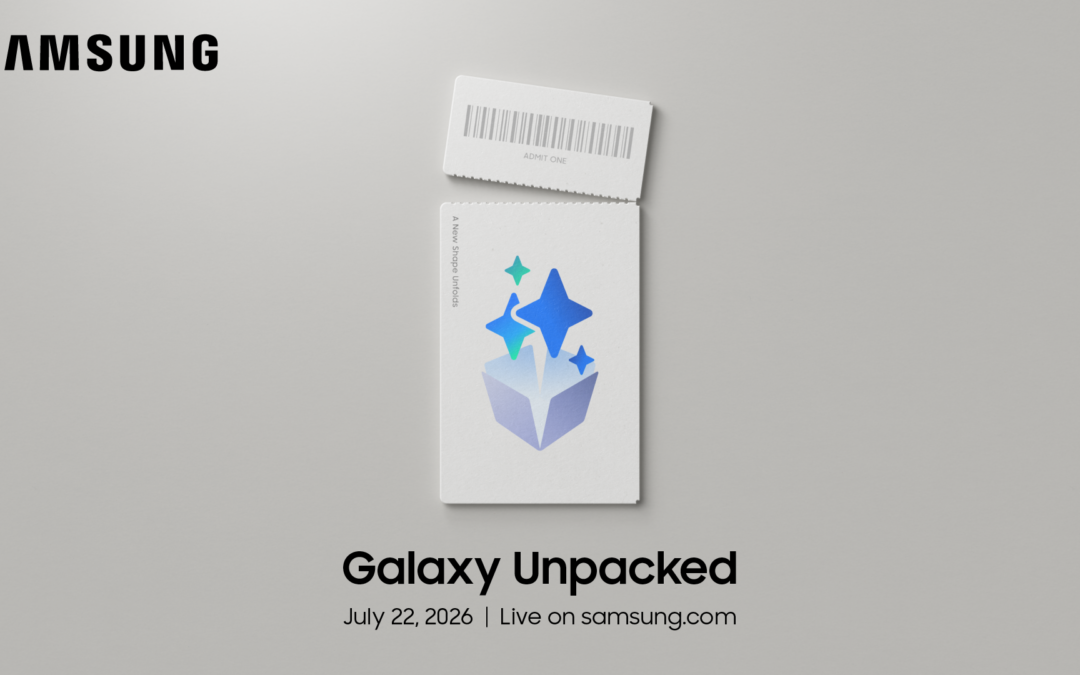
How to Watch Galaxy Unpacked on July 22 and What We Expect
A lot, honestly
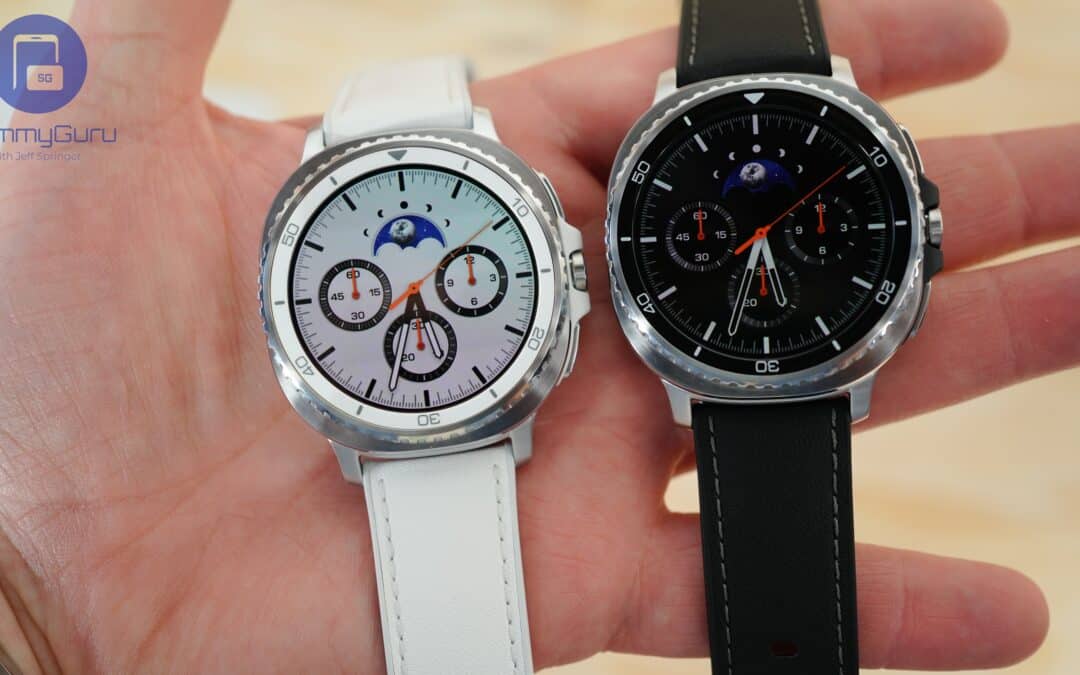
Galaxy Watch Mod Brings Back the Charm of the Classic Pocket Watch
What an exquisite vintage mod!
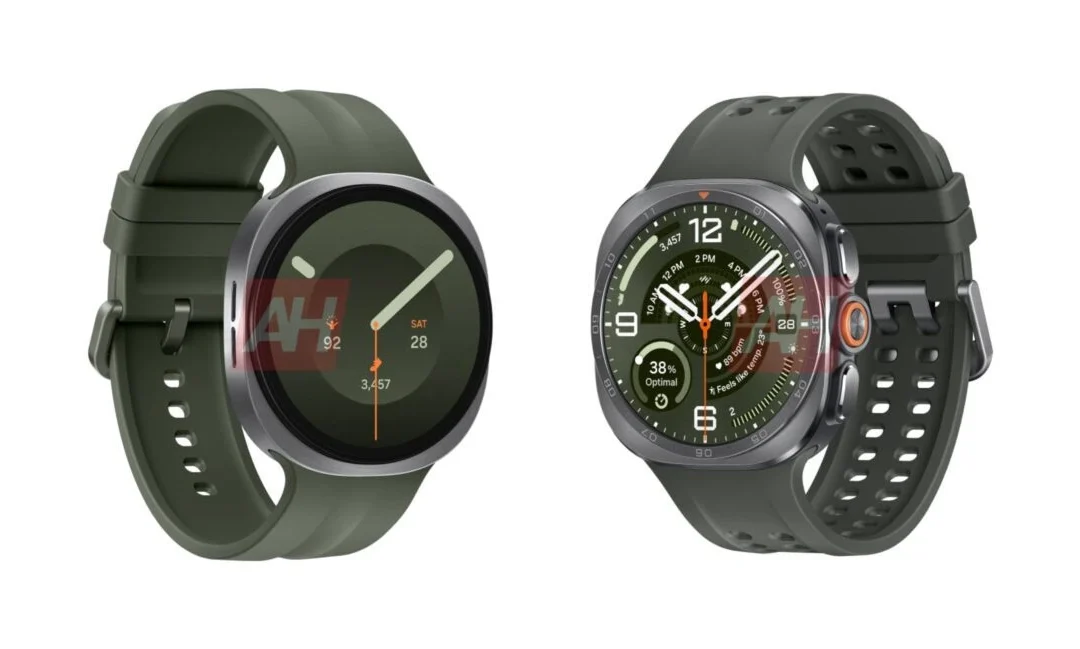
Here’s Our Best Look Yet at the Galaxy Watch 9 and Watch Ultra 2
Here we go again