Is Galaxy Watch Blood Pressure Monitoring FDA Approved?

SammyGuru is reader-supported. We have affiliate and sponsored partnerships, so we may earn a commission when you buy through links on our site — at no extra cost to you. Learn more.
After what seemed like a long wait, Samsung finally enabled the blood pressure monitoring feature on Galaxy Watches in the US. This allows you to monitor your blood pressure on the go, and you need to set it up and calibrate it, after which it works smoothly. But the real question is: is it FDA-approved, and can you use it for medical purposes?
Samsung Galaxy Watch blood pressure feature is not FDA approved
Short answer: no, you cannot, and the blood pressure monitoring feature on your Galaxy Watch is not FDA approved. Samsung clarified this in a statement to Android Authority and added that it is “not intended for medical use,” so it does not require FDA clearance. Below is Samsung’s full statement:
“Samsung’s Blood Pressure Monitoring feature is designed as a wellness feature and is not intended for medical use. As such, it is not subject to FDA clearance. The feature aligns with the FDA’s General Wellness: Policy for Low-Risk Devices, including updates published in January 2026 focused on consumer wearables.”
In essence, Samsung is clarifying that it will not replace the traditional equipment used to monitor blood pressure. A study published by the U.S. Centers for Disease Control and Prevention states that nearly half of adults have high blood pressure, which equates to 48.1% of the population, or around 119.9 million people.
Therefore, it is important to seek medical advice and even go to a hospital when you sense something is wrong. It is better to take this route than to rely on any feature, no matter how good it is. Anything that is not intended for serious medical use cannot replace the traditional equipment you use. Additionally, Samsung does not recommend the blood pressure monitoring feature for people with the following medical conditions, as well as for pregnant women:
- Arrhythmia
- Prior heart failure or heart attack
- Peripheral vascular disease or compromised circulation
- Valvular disease (conditions affecting the aortic valve)
- Cardiomyopathy
- Other known cardiovascular diseases
- End-stage renal disease (ESRD)
- Diabetes
- Neurological disorders (for example, tremors)
- Clotting disorders, or if you are taking prescribed blood thinner

Written by
Abhinav AnandAbhinav Anand is the News Editor at SammyGuru and a technology journalist based in New Delhi. Before joining SammyGuru, he contributed to numerous outlets, including Android Headlines, ExtremeTech, The Mac Observer, Financial Express, Economic Times, iGeeksBlog, KnowTechie, PhonesWiki, SlashGear, and more. You can reach him at [email protected].

Follow us on Google Discover & set us as a preferred source in Google News
Share this Post
___________________________


New Blog Posts
___________________________

Samsung Quietly Listed a New Entry Level 990 PCIe 4.0 SSD
It drops DRAM for HMB

Samsung’s First Bone-Conduction Earbuds May Be Called Galaxy Able
Name hidden no more
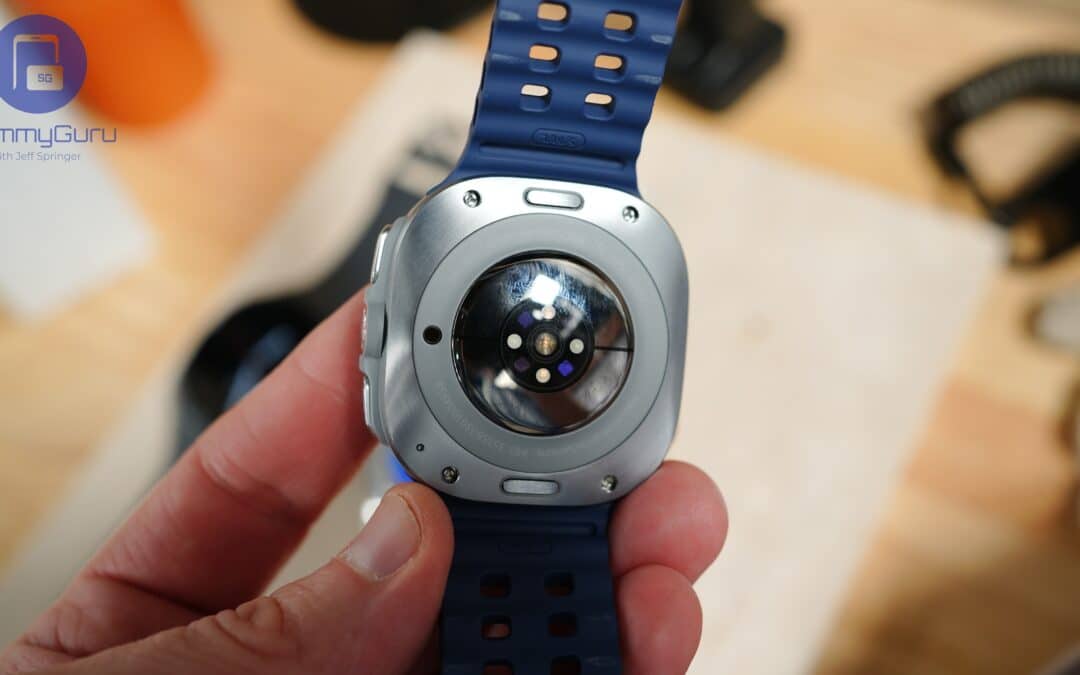
Samsung Accidentally Confirms Galaxy Watch 9 and Galaxy Watch Ultra 2
Coming very soon