Samsung Aims to Make Bixby Your Galaxy Device’s “Brain”
SammyGuru is reader-supported. We have affiliate and sponsored partnerships, so we may earn a commission when you buy through links on our site — at no extra cost to you. Learn more.
Samsung is taking a big step forward in the AI race by transforming Bixby from a traditional voice assistant into something far more capable. The company aims to make it a device-level AI agent that can understand context, plan actions, and execute tasks on behalf of users. In short, the brain of your Galaxy device.
Samsung turns Bixby into an AI agent that actually gets things done
In a recent interview, Jisun Park, Executive Vice President and Head of Samsung’s Language AI Team, explained how Bixby has evolved into a system that goes beyond simple commands. Instead of requiring users to follow specific phrases or navigate menus, the new Bixby focuses on understanding intent.
This shift is powered by a major architectural change. Previously, Bixby relied on predefined commands and scenarios. Now, it uses a large language model (LLM) to interpret requests more flexibly and decide how to complete them. Internally, Samsung has broken down device functions into “agents” that Bixby can call and combine as needed, enabling more complex, multi-step actions.
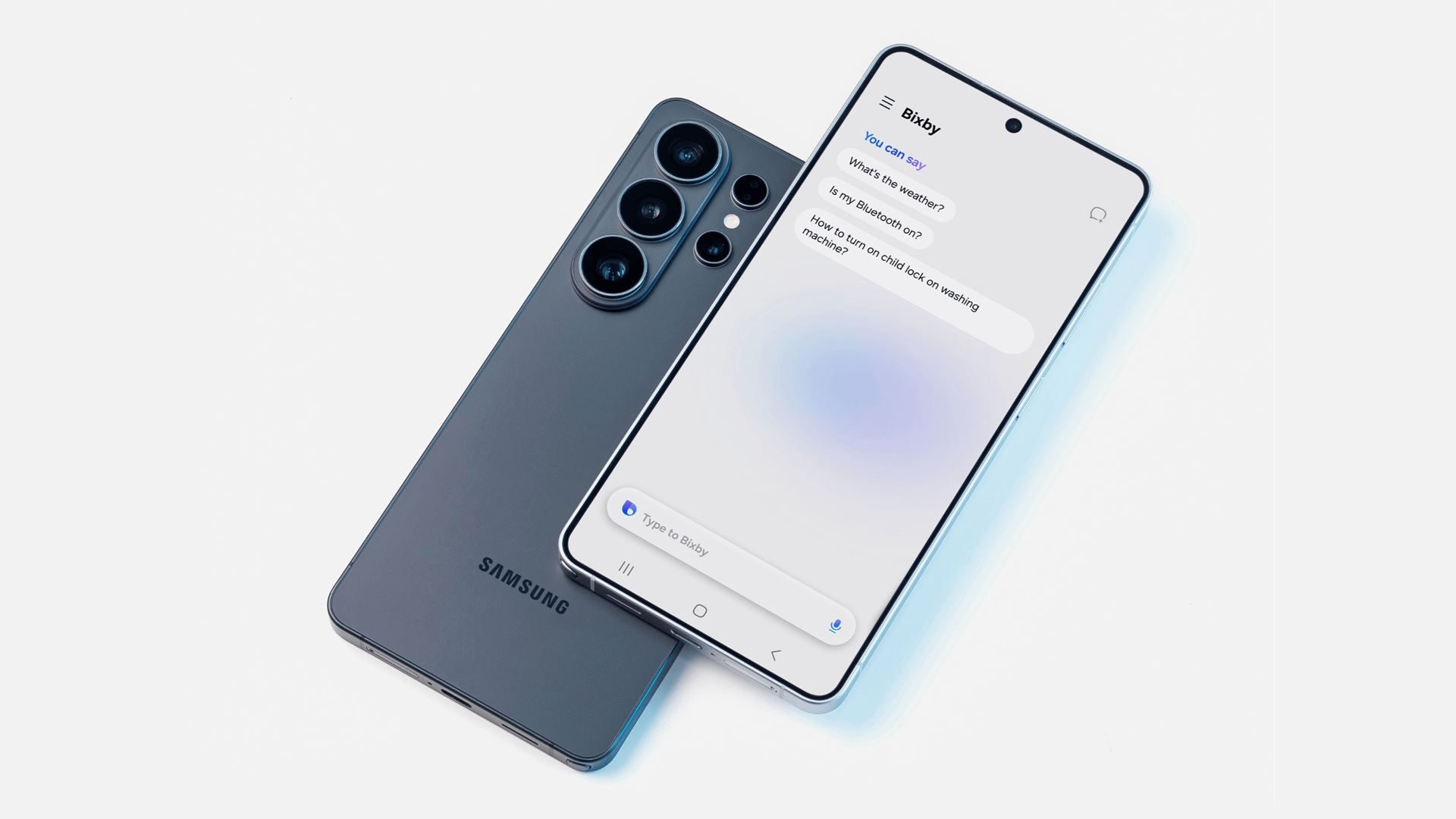
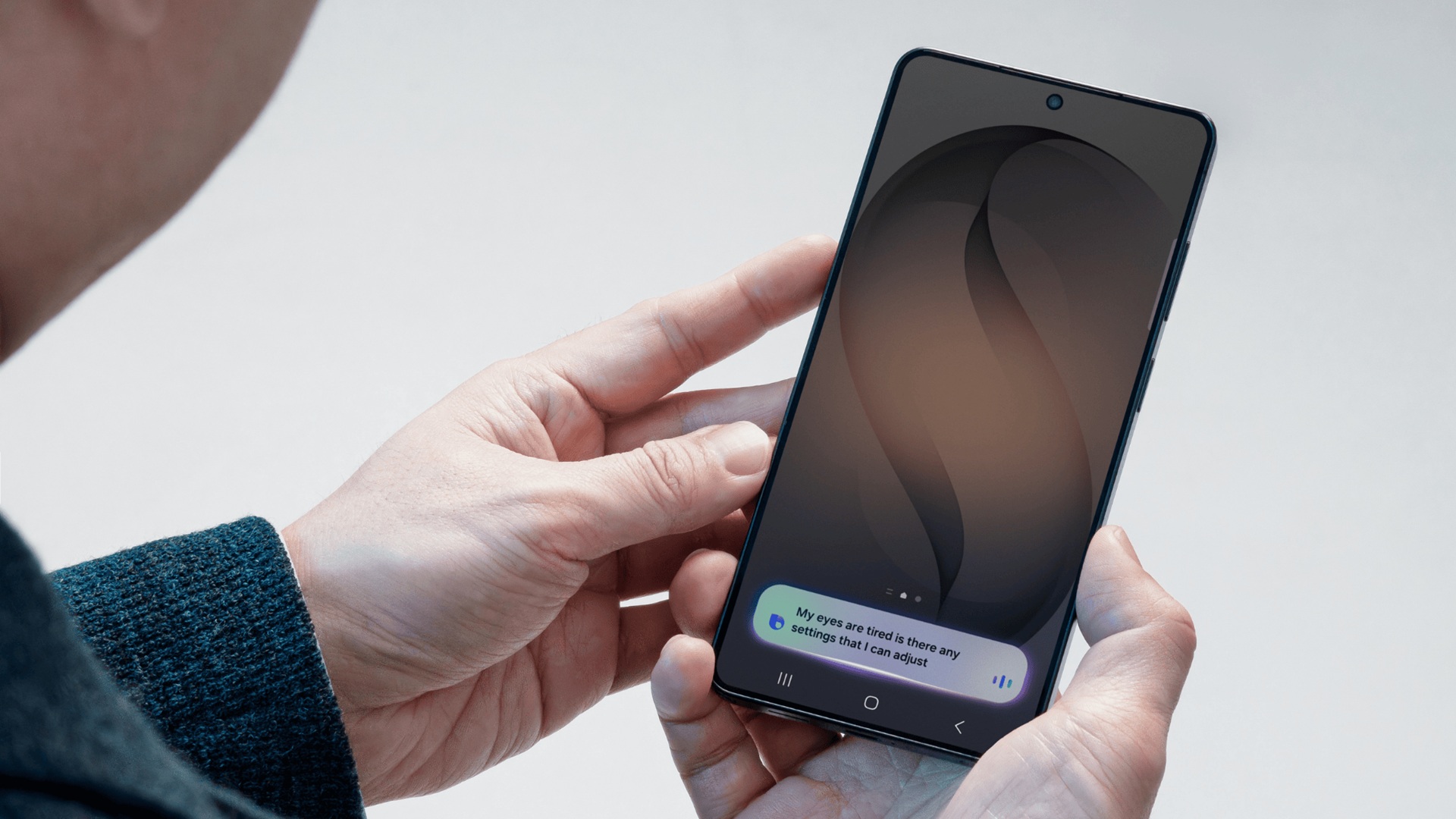
For users, the most noticeable improvement is simplicity. Instead of digging through settings, they can describe what they want in natural language. For example, saying something like “make the screen easier on my eyes” can trigger the right display adjustments automatically. Bixby can also act like a built-in support assistant, answering questions about device settings and applying fixes instantly.
The assistant is no longer limited to on-device tasks either. It can now pull in real-time web information and respond within the same conversation, reducing the need to switch between apps. This makes interactions feel more fluid and continuous.
The new Bixby is headed to your smart home
Building this system wasn’t straightforward. One of the biggest challenges was improving performance in Korean, a language known for its complex grammar and flexible structure. According to Park, the team had to refine training methods, adjust model architecture, and strengthen context-based learning to achieve reliable results.
Looking ahead, Samsung sees Bixby as a central interface for interacting with its ecosystem. The company plans to expand it beyond smartphones to other devices through SmartThings. This would allow users to control home appliances using natural language, even remotely.
Ultimately, Samsung’s goal is to replace app-heavy interactions with a more conversational experience. If it works as intended, Bixby could become less of a feature and more of an invisible layer that ties everything together. It could bring AI closer to everyday utility rather than just novelty.

Written by
Sumit AdhikariSumit, a life-long Samsung user, is passionate about technology and has been professionally writing on tech since 2017. He’s a mathematics graduate by education and enjoys teaching basic mathematics tricks to school kids in his spare time. Sumit believes in artificial intelligence and dreams of a fully open, intelligent and connected world.

Follow us on Google Discover & set us as a preferred source in Google News
Share this Post
___________________________


New Blog Posts
___________________________
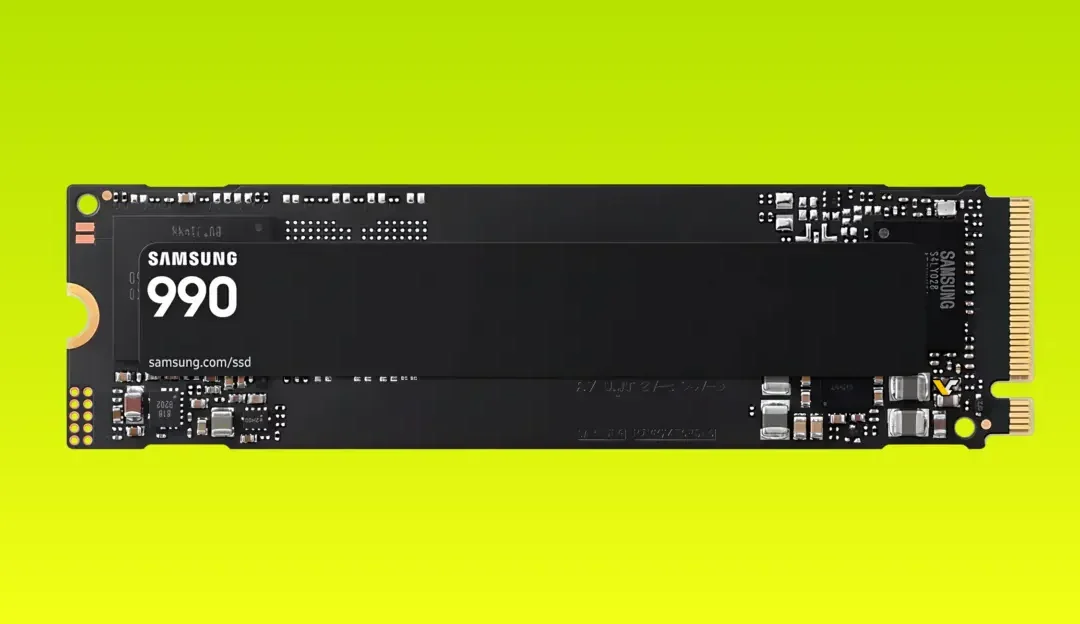
Samsung Quietly Listed a New Entry Level 990 PCIe 4.0 SSD
It drops DRAM for HMB
Samsung’s First Bone-Conduction Earbuds May Be Called Galaxy Able
Name hidden no more
Samsung Accidentally Confirms Galaxy Watch 9 and Galaxy Watch Ultra 2
Coming very soon