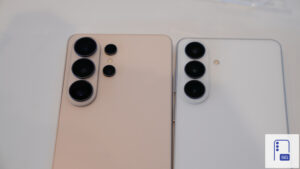
Samsung’s 200MP Continuous Zoom Camera Enters Mass Production, but not for Galaxy S26 Ultra
SammyGuru is reader-supported. We have affiliate and sponsored partnerships, so we may earn a commission when you buy through links on our site — at no extra cost to you. Learn more.
Samsung has long been rumored to be developing a true continuous optical zoom camera system for smartphones. Now, it seems the technology is ready for prime time. The company’s first-generation solution has reportedly entered mass production, paving the way for an official debut. Unfortunately, it may not appear in Galaxy phones, at least not yet.
Samsung starts mass production of its continuous zoom camera
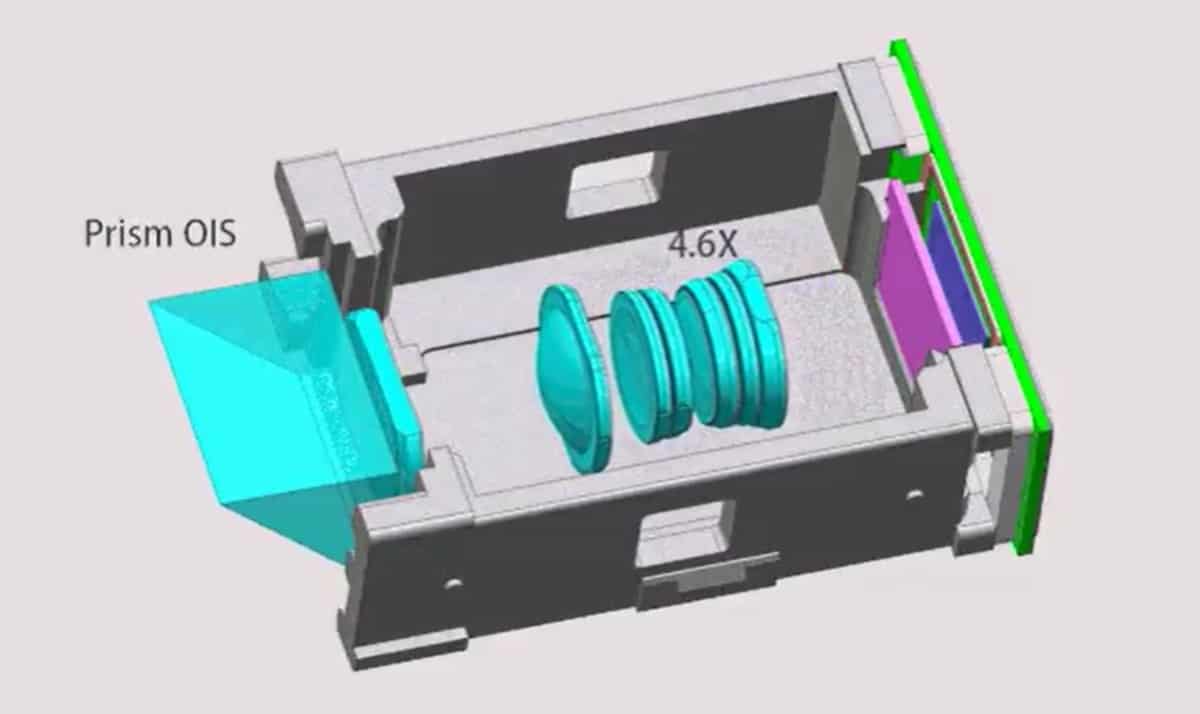
According to tipster Pixel Gamer 4K on X, Samsung’s continuous zoom camera employs a 200MP sensor. The company may name the solution ISOCELL HP-B (or HPB?). The post includes a GIF showcasing a camera unit with variable focal length, offering 3x to 7x continuous optical zoom. It also shows autofocus and prism OIS (optical image stabilization).
Samsung’s 200 MP HP-B variable focal length sensor is now in mass production, marking the beginning of a new era in mobile imaging pic.twitter.com/G0IgrZfgn1
— Pixel Gamer 4k (@4k_isn) September 14, 2025
However, it remains unclear whether this clip depicts the HP-B system itself or a generic demonstration of the technology’s capabilities. What we know is that Samsung has started mass production of the module, hinting at a nearing market launch. We could see this camera system debut before the end of this year.
As exciting as this sounds, Galaxy users may want to temper their hopes. Earlier leaks indicated that Samsung is not designing HP-B for its own Galaxy smartphones. Instead, the company is said to be supplying the system to other (likely Chinese) smartphone brands. Vivo may use this camera on its X300 series, while Xiaomi may also be readying new products with this system.
This lines up with rumors that the Galaxy S26 Pro, Edge, and Ultra will stick to familiar camera hardware rather than introducing radical changes. If true, Galaxy fans hoping for a breakthrough zoom experience in 2026 may be disappointed. Still, the existence of HP-B suggests Samsung continues to push boundaries in mobile imaging, even if it doesn’t immediately reserve that innovation for its in-house devices.

Written by
Sumit AdhikariSumit is a lifelong Samsung enthusiast and technology journalist who has been covering the consumer technology industry since 2017. A mathematics graduate by education, he specializes in smartphones, software, and emerging technologies, with a keen interest in artificial intelligence and the future of connected experiences. Sumit believes AI will play a transformative role in building a more open, intelligent, and seamlessly connected world.

Follow us on Google Discover & set us as a preferred source in Google News
Share this Post
___________________________


New Blog Posts
___________________________
Samsung Find Will Stop Receiving Updates on These Older Galaxy Phones
These Galaxy phones will no longer get Samsung Find updates
How Galaxy Z Fold 8’s App Screen Zoom Feature Works
You can set different zoom levels for individual apps
We Tracked Galaxy Z Fold 8 Ultra Leaks for Months: Here’s What Samsung Shipped and What it Didn’t
Galaxy Z Fold 8 Ultra is Samsung’s biggest Fold upgrade in years