Google Expands Payment Choices and Alternative App Stores on Android
SammyGuru is reader-supported. We have affiliate and sponsored partnerships, so we may earn a commission when you buy through links on our site — at no extra cost to you. Learn more.
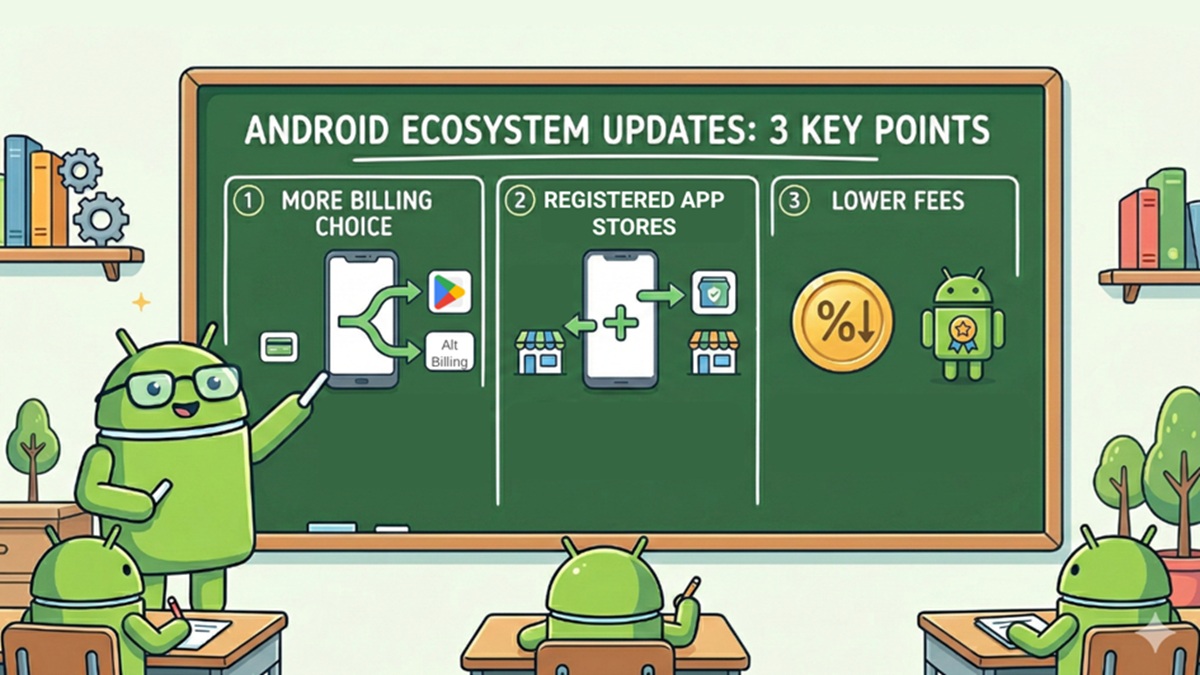
Android is making big changes to how apps and games are distributed and paid for on the platform. New updates announced by Sameer Samat, President of Android Ecosystem at Google, give developers more flexibility while also expanding choices for users across billions of Android devices. The changes focus on three major areas: more payment options, easier installation of alternative app stores, and lower fees for developers.
More payment options for Android apps
One of the biggest changes is expanded billing flexibility for developers. App makers will now have the option to use their own payment systems alongside Google Play’s built-in billing system. Developers can also direct users to their websites to complete purchases, rather than processing every transaction inside the app.
This means developers have more control over how payments are handled while users gain more ways to pay for apps, subscriptions, and digital content. Google says the goal is to increase choice while maintaining security for users making purchases.
Easier installation of alternative app stores
Android has long allowed users to install apps from outside Google Play, a process known as sideloading. Now the platform is introducing a Registered App Stores program to make this easier and safer.
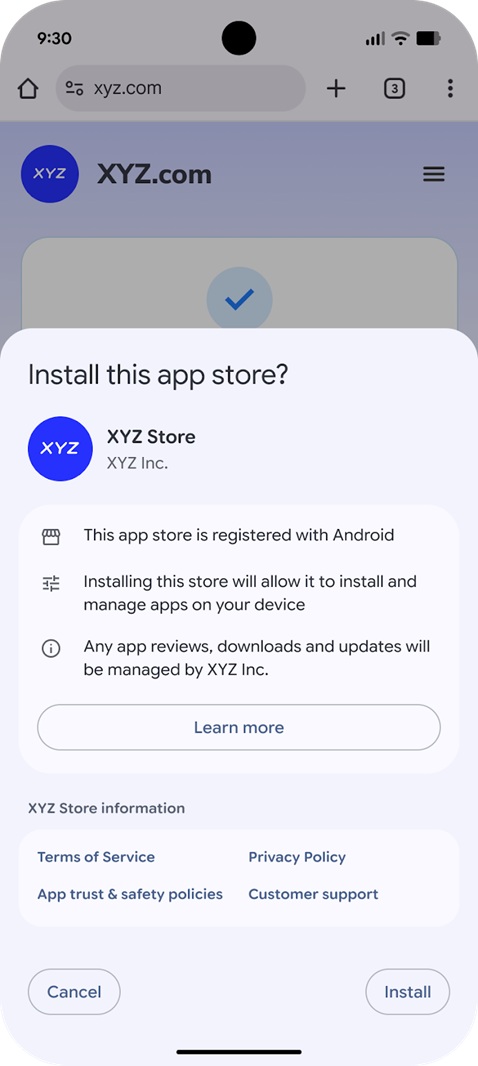
Under the new system, app stores that meet certain quality and security requirements can register with Google. Once approved, users who install these stores will experience a simpler installation process compared with traditional sideloading. The program will begin rolling out in global markets first, with plans to expand to the US later, subject to regulatory approval.
Lower fees for developers
Android is also changing how developers are charged for using Google Play. The new structure separates billing fees from platform service fees. Google announced:
- 5% billing fee for developers who choose to use Google Play’s payment system in the US, the UK, and the European Economic Area
- 20% service fee for in-app purchases on new installs
- 20% service fee for developers who join new incentive programs tied to quality standards (15% on new installs)
- 10% fee for subscription payments
Google is also introducing new developer programs, including an Apps Experience Program and updates to the Google Play Games Level Up initiative. These programs reward developers who create high-quality experiences across Android devices.
These updates will first arrive in the US, the UK, and the European Economic Area by the end of June this year. Google plans to expand the changes to Australia by September and South Korea and Japan before the end of this year. The rest of the world could see these Android and Google Play updates by September 2027. The Registered App Stores program, meanwhile, will launch with Android 17 later this year.
Overall, the changes represent one of the biggest shifts in Android’s app ecosystem in years. By expanding payment options, supporting alternative app stores, and lowering fees, Google says it aims to make Android more open while still maintaining a safe and reliable platform for users.

Written by
Sumit AdhikariSumit, a life-long Samsung user, is passionate about technology and has been professionally writing on tech since 2017. He’s a mathematics graduate by education and enjoys teaching basic mathematics tricks to school kids in his spare time. Sumit believes in artificial intelligence and dreams of a fully open, intelligent and connected world.

Follow us on Google Discover & set us as a preferred source in Google News
Share this Post
___________________________


New Blog Posts
___________________________
Google Now Lets You Try Play Pass Free for 1 Month
The offer is available until August 31, 2026
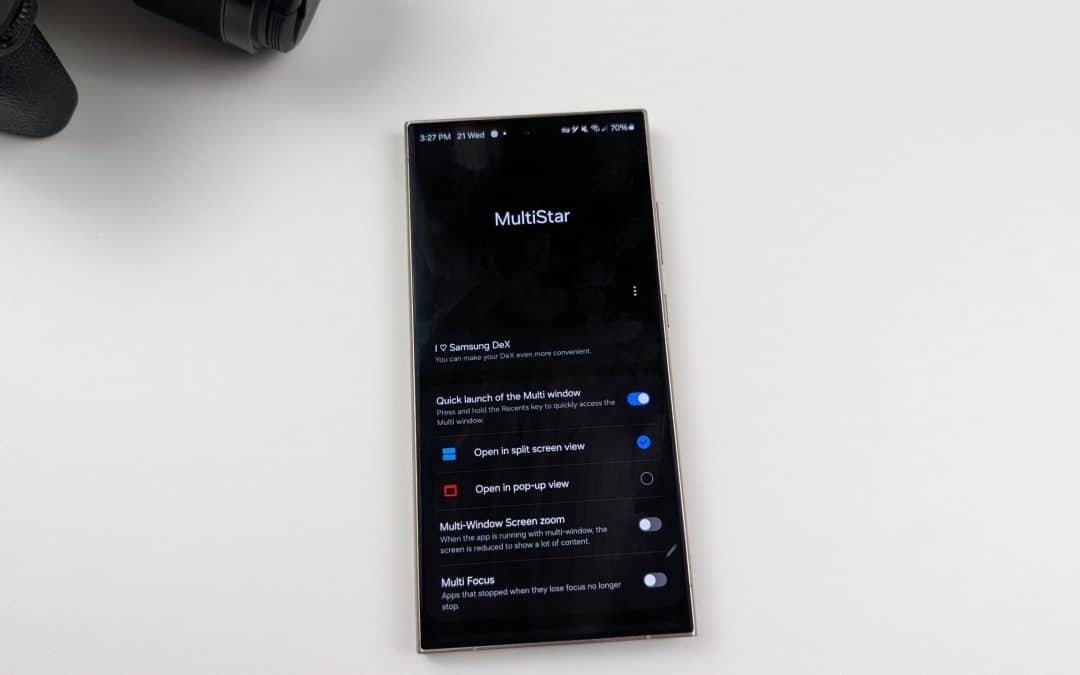
MultiStar is Now One UI 9-Ready with a Handy New Galaxy Z Flip Feature
MultiStar makes the Galaxy Z Flip cover screen more useful
Galaxy Z Fold 8, Fold 8 Ultra, Flip 8 Third-Party Cases Emerge
This gives us another glimpse at the foldable lineup ahead of launch