Galaxy S27 Ultra’s LPDDR6 and UFS 5.0 Plans May Not Be Set in Stone Yet
SammyGuru is reader-supported. We have affiliate and sponsored partnerships, so we may earn a commission when you buy through links on our site — at no extra cost to you. Learn more.
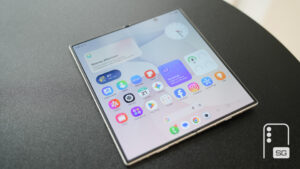
As development of the Galaxy S27 series progresses, rumors about its key details continue to emerge. Now, a fresh leak suggests Samsung has yet to finalize LPDDR6 RAM and UFS 5.0 storage for the Galaxy S27 Ultra. If things do not go per plan for the company, the next Ultra could stick with older memory solutions.
Tipster casts doubt on Galaxy S27 Ultra’s memory and storage upgrades
According to tipster Lanzuk, the current outlook for LPDDR6 RAM and UFS 5.0 storage on the Galaxy S27 Ultra is “not good.” Only a few smartphones launching next year may feature the next-gen low-power memory standard due to the ongoing “global RAM issue,” which is expected to continue next year. This means the upcoming Ultra flagship could end up using the LPDDR5X RAM, the same memory standard Samsung has depended on since the S23 series.
There were rumors that Samsung could finally adopt LPDDR6 RAM with the Galaxy S27 Ultra. However, Lanzuk’s latest claim suggests the plan may have changed, though nothing is final at this stage.
Meanwhile, the leak also raises fresh doubts about UFS 5.0 storage. A previous report suggested Samsung could use the next-gen storage solution for the Galaxy S27 series, but only on select models. Now it looks like even the Galaxy S27 Ultra may not receive the upgrade.
Now, the question is: what storage standard will Samsung use if UFS 5.0 doesn’t make it to the Galaxy S27 Ultra? The company has depended on UFS 4.0 since the Galaxy S23 series. It could either stick with UFS 4.0 or upgrade to UFS 4.1 (previously rumored for the latest Galaxy S26 series, but it didn’t happen).
In recent years, prices for DRAM and NAND flash memory have increased sharply due to robust demand from AI servers and data centers. Qualcomm is also raising prices on its next-gen Snapdragon chips, which could further increase the bill of materials (BOM) for the Galaxy S27 series. As a result, sticking with previous-gen memory standards could help Samsung keep production costs under control.

Written by
Binay KonwarBinay Konwar started his blogging journey in 2014 and has since written plenty of tech articles. At present, he is working as a News Writer at SammyGuru, covering everything about Samsung. He holds a Master's degree in Mathematics, but his real passion lies in tech and writing. In his free time, he enjoys playing chess and watching movies.

Follow us on Google Discover & set us as a preferred source in Google News
Share this Post
___________________________


New Blog Posts
___________________________

One UI 9 Could be the Last Major Update for Galaxy S23 Series
Galaxy S23 owners may not get One UI 9.5—here’s why

Samsung Health Gets Huge Makeover on Galaxy Watches Ahead of One UI 9 Watch
Samsung Health’s biggest update is rolling out to Galaxy Watches—but there’s a catch
Samsung Find Will Stop Receiving Updates on These Older Galaxy Phones
These Galaxy phones will no longer get Samsung Find updates