Samsung’s HBM4E Reliability Yield Surpasses 70%
SammyGuru is reader-supported. We have affiliate and sponsored partnerships, so we may earn a commission when you buy through links on our site — at no extra cost to you. Learn more.
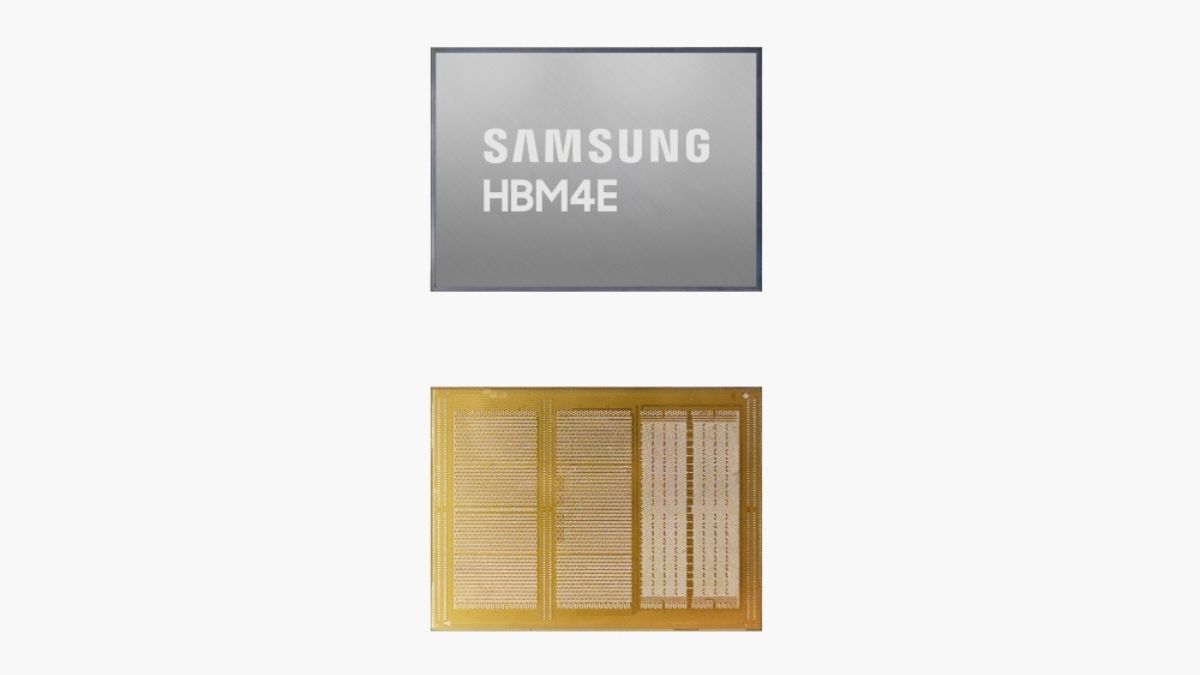
Samsung has achieved a key milestone in the development of its next-gen HBM chips. The company has increased the reliability test yield of its HBM4E to more than 70%. This suggests the chip could soon enter the stable production stage.
Samsung’s HBM4E development gains momentum
A few weeks ago, Samsung confirmed the shipment of 12-layer HBM4E samples to major global customers for evaluation. While it remains unclear what feedback the company has received from its clients, the development appears to be progressing in the right direction.
Samsung Chief Technology Officer (CTO) Song Jae-hyuk recently shared the progress during an internal management briefing. He said the reliability test yield for HBM4E has surpassed 70%. In the industry, a yield of 80% or higher suggests the chip has reached maturity. This means the Korean firm’s next-gen HBM solution is not far from reaching that level.
Samsung’s 12-layer HBM4E offers a stable pin speed of 14 Gbps and can scale up to 16 Gbps. It uses a 6th-generation 10-nanometer (nm)-class DRAM process (1c) and a 4nm logic base die. The chip will support the increasing demands of AI computing and hyperscale infrastructure.
Samsung aims to supply HBM4E for Nvidia’s Vera Rubin AI accelerator, which will launch in the second half of this year. The company also plans to supply the memory for Nvidia’s next-gen Vera Rubin Ultra AI accelerator, slated for release in 2027.
Meanwhile, Samsung is improving its 10nm-class 7th-generation (D1d) DRAM process. CTO Song said that the company plans to complete its internal Production Readiness Approval (PRA) in November. The D1d process may play a big role in the firm’s future HBM5 chips.
As Samsung continues to improve HBM4E and stabilize its D1d process, the company is bolstering its technological competitiveness in next-gen AI memory. It will be interesting to see if the firm succeeds in narrowing the gap with HBM market leader SK Hynix in the coming years.

Written by
Binay KonwarBinay Konwar started his blogging journey in 2014 and has since written plenty of tech articles. At present, he is working as a News Writer at SammyGuru, covering everything about Samsung. He holds a Master's degree in Mathematics, but his real passion lies in tech and writing. In his free time, he enjoys playing chess and watching movies.

Follow us on Google Discover & set us as a preferred source in Google News
Share this Post
___________________________


New Blog Posts
___________________________
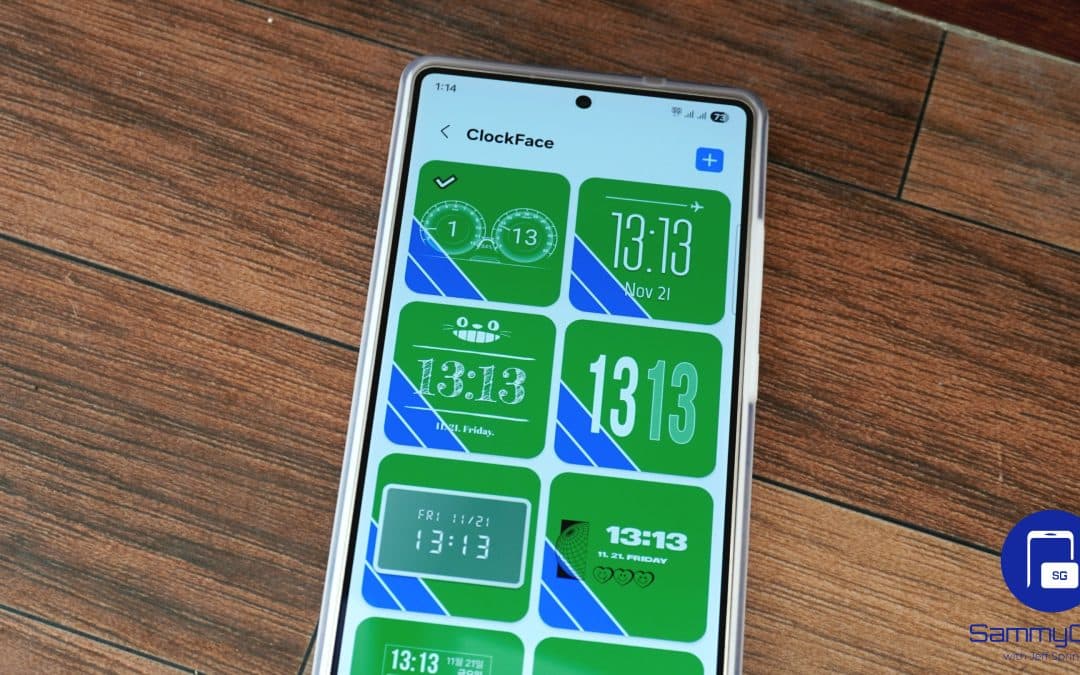
Samsung Brings ClockFace and RegiStar up to Speed for One UI 9
ClockFace finally supports One UI 9

Apple May Have Just Made Samsung’s Next Price Hike Much Easier
AI is making your next phone more expensive
Samsung Cancelling Galaxy S26 Edge was a Mistake
Galaxy S25 Edge failed because its creator lacked faith in its capability