Samsung Could Make Chips for Apple’s Future iPhones
SammyGuru is reader-supported. We have affiliate and sponsored partnerships, so we may earn a commission when you buy through links on our site — at no extra cost to you. Learn more.
Samsung is getting fresh attention as Apple seeks new options for making the chips that run its devices. The Cupertino giant sees that supply chain disruptions could impact growth, and moving beyond TSMC may offer greater guard. If the Korean foundry secures a role, it will be a big win for its struggling chip business.
Apple appears to seek to lower its dependence on TSMC
According to a report from Bloomberg, Apple executives have visited Samsung’s under-construction chip plant in Texas. The two companies are likely in early discussions on potential chip manufacturing partnerships. In addition, the iPhone maker has held early-stage talks with Intel about chip production support.
While Apple is also dealing with memory supply issues like other tech giants, the bigger problem is now securing enough SoCs. “The primary constraint is the availability of the advanced nodes our SoCs are produced on, not memory,” said CEO Tim Cook during the recent earnings call. “I believe it will take several months to reach supply-demand balance.”
For the uninitiated, Apple designs its own main processors (SoCs) for its devices. However, the company depends on TSMC to manufacture them using the advanced node. For example, the latest iPhones and Macs use a 3nm production process.
So, why is Apple now exploring other chip makers? As global chip demand rises greatly, production capacity has become tighter. If the company partners with other foundry suppliers like Samsung and Intel, it could reduce its dependence on TSMC. Of course, the new suppliers won’t replace TSMC, but they could serve as backup options in case of shortages.
However, the report notes Apple remains cautious about using non-TSMC technology, so the plan to secure another supplier may not move forward. Intel and Samsung cannot match TSMC’s production and scale. So, it will be interesting to see whether Apple sticks with its long-time partner or considers a backup option in the coming months.

Written by
Binay KonwarBinay Konwar started his blogging journey in 2014 and has since written plenty of tech articles. At present, he is working as a News Writer at SammyGuru, covering everything about Samsung. He holds a Master's degree in Mathematics, but his real passion lies in tech and writing. In his free time, he enjoys playing chess and watching movies.

Follow us on Google Discover & set us as a preferred source in Google News
Share this Post
___________________________


New Blog Posts
___________________________
Five Hidden Samsung Galaxy Features You Should Start Using Today
One UI includes several practical features that can make your phone more useful every day.

Samsung May Have Completed the One UI 8.5 Rollout
No One UI 8.5 for Galaxy S22 series, after all
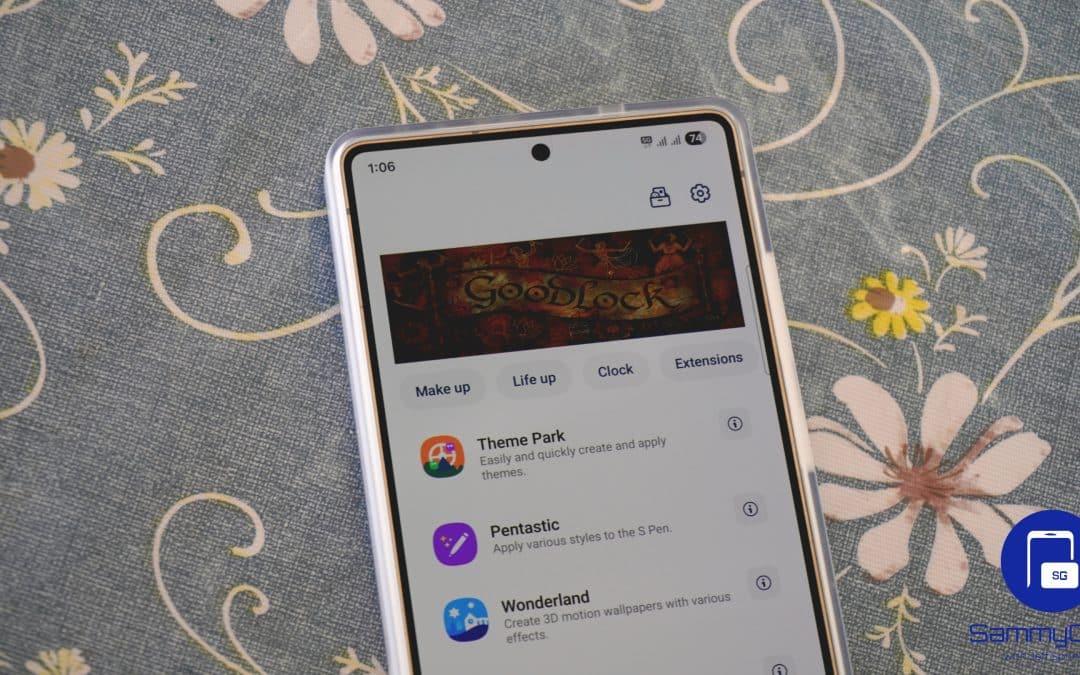
Good Lock Nears Full One UI 9 Compatibility, Only Six Modules Remain Unsupported
QuickStar and MultiStar now support One UI 9