Samsung Showcases OLED Panel with Full-Screen Fingerprint Sensor

SammyGuru is reader-supported. We have affiliate and sponsored partnerships, so we may earn a commission when you buy through links on our site — at no extra cost to you. Learn more.
During recent Display Week 2025, Samsung unveiled its industry-leading 5,000 PPI OLEDoS panel for XR headsets. At the same event, the company also showcased another innovative display that can read your fingerprint across the entire screen. Moreover, this display can monitor health metrics across its surface, which is a major breakthrough in display technology.
Samsung integrates a fingerprint sensor across the entire display panel
Earlier this year, Samsung featured its Sensor OLED Display technology in the international scientific journal Nature Communications. And now, the company took advantage of Display Week 2025 and presented its innovative display technology for attendees to experience in person.
Under-display fingerprint sensors have become a standard feature on premium smartphones, but they work in specific areas of the screen. Samsung aims to change that with its new OLED display with a built-in full-screen fingerprint reader. Traditionally, to enable fingerprint sensors on devices, OEMs mount a separate module beneath the panel. Samsung Display eliminated the need for that module, integrating OPD directly during the OLED deposition process, embedding the sensors into the panel itself. As a result, the panel can detect fingerprints anywhere on the screen.

This display technology also makes it possible to measure biometric data such as heart rate, blood pressure, and stress levels. According to the company, the technology works by analyzing how OLED light reflects differently depending on the contraction and relaxation of blood vessels, with the OPD converting this data into health metrics.
The company allowed visitors to experience this innovation through an interactive “digital dalgona game,” where shapes are carved out on screen using laser light instead of needles. The game showed that the panel works by sensing light signals instead of touch, creating an engagement among visitors.
In the future, we may see Sensor OLED Display technology on premium smartphones as it can also offer several health tracking capabilities. This could also be beneficial to make the smartphone slimmer, as it can reduce the internal space by eliminating the need for a separate module.

Written by
Binay KonwarBinay Konwar started his blogging journey in 2014 and has since written plenty of tech articles. At present, he is working as a News Writer at SammyGuru, covering everything about Samsung. He holds a Master's degree in Mathematics, but his real passion lies in tech and writing. In his free time, he enjoys playing chess and watching movies.

Follow us on Google Discover & set us as a preferred source in Google News
Share this Post
___________________________


New Blog Posts
___________________________
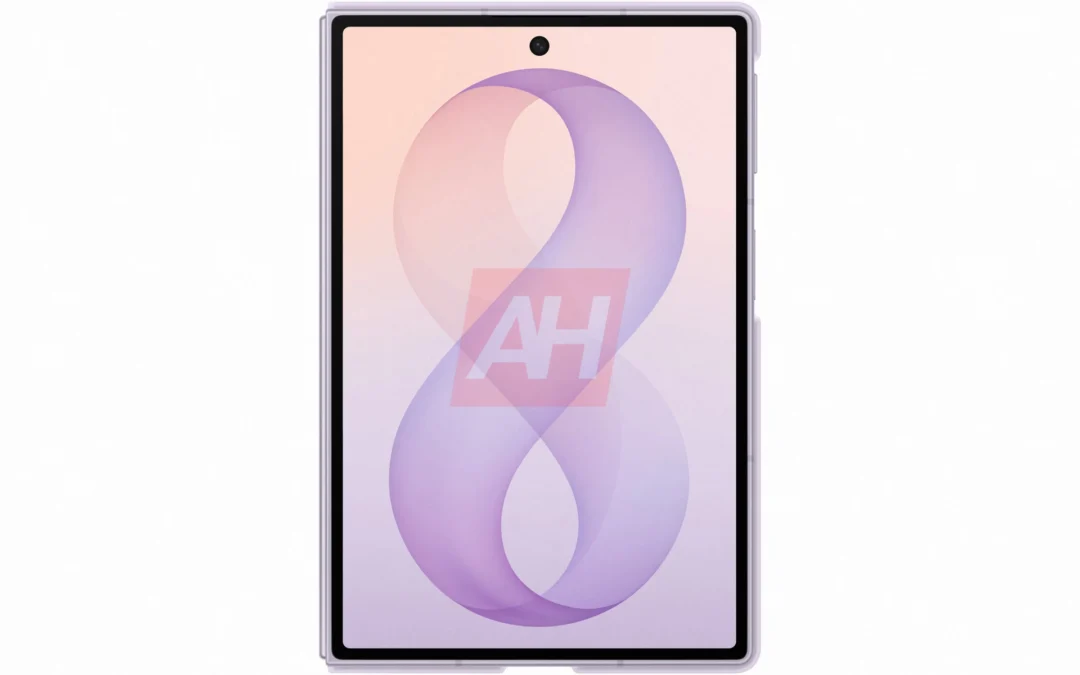
Breaking: Samsung Officially Teases New Galaxy Z Fold 8 (Wide)
“New Shape. New Joy” it is!
When I Get Galaxy Glasses, I’ll Want the Galaxy Ring Too
The Ring finds its perfect match
This Galaxy S26 Ultra Deal Lets You Save $350 on Every Color
Who doesn’t love discounts?