Samsung Loses Top Spot in Korea’s Market Value Rankings

SammyGuru is reader-supported. We have affiliate and sponsored partnerships, so we may earn a commission when you buy through links on our site — at no extra cost to you. Learn more.
Samsung has lost its position as South Korea’s most valuable listed company for the first time in more than two decades. SK Hynix is now at the top of the chart after a sharp increase in its share price. This is because of its strategy to cater to the AI boom in the global memory market.
AI memory demand helps SK Hynix beat Samsung in market value
On Monday, SK Hynix shares climbed 5.6%, and the market capitalization reached 2,080.4 trillion won ($1.35 trillion). In comparison, Samsung’s market value stood at 2,066.7 trillion won after its shares fell 0.14%. Samsung said that when its preferred shares are included, its total market value remains at 2,246.4 trillion won.
The rise of SK Hynix is mainly because of its dominance in the high-bandwidth memory (HBM) market. HBM chips play a key role in AI systems as they can handle huge amounts of data at very high speeds. SK Hynix accounted for about 61% of the global HBM market in 2025. Meanwhile, Samsung and Micron secured 17% and 21% market share, respectively.
SK Hynix’s success is more impressive considering its history. In 2002, the company was struggling with heavy debt and was on the verge of being sold. Its stock price dropped as low as 135 won in 2003. Thanks to the demand for AI chips, in 2024, it posted an annual operating profit of 23.5 trillion won.
Samsung also jumped on the AI boom with its advanced HBM solutions. However, in the early stages, the company suffered setbacks in securing deals with big clients, including Nvidia, likely due to quality-related issues. As a result, SK Hynix walked away with most of the key clients, capturing a massive share of the HBM market.
Of course, Samsung has now made progress, particularly in the latest HBM4 era. However, investors appear to see greater growth potential in SK Hynix due to its solid market standing. That said, the situation could change in the coming years as Samsung continues to expand its presence in the AI memory segment.

Written by
Binay KonwarBinay Konwar started his blogging journey in 2014 and has since written plenty of tech articles. At present, he is working as a News Writer at SammyGuru, covering everything about Samsung. He holds a Master's degree in Mathematics, but his real passion lies in tech and writing. In his free time, he enjoys playing chess and watching movies.

Follow us on Google Discover & set us as a preferred source in Google News
Share this Post
___________________________


New Blog Posts
___________________________

Save $400 Off Galaxy Z Fold 7 Before Prime Day Even Begins
According to rumors, Samsung will likely unveil its new foldables in about four weeks. But will any of them be able to match the deal the Galaxy Z Fold 7 (review) is already going for right now, even before Prime Day kicks off? Galaxy Z Fold 7’s best deal in the US is...
Galaxy S26 FE Global Variant Spotted on Geekbench
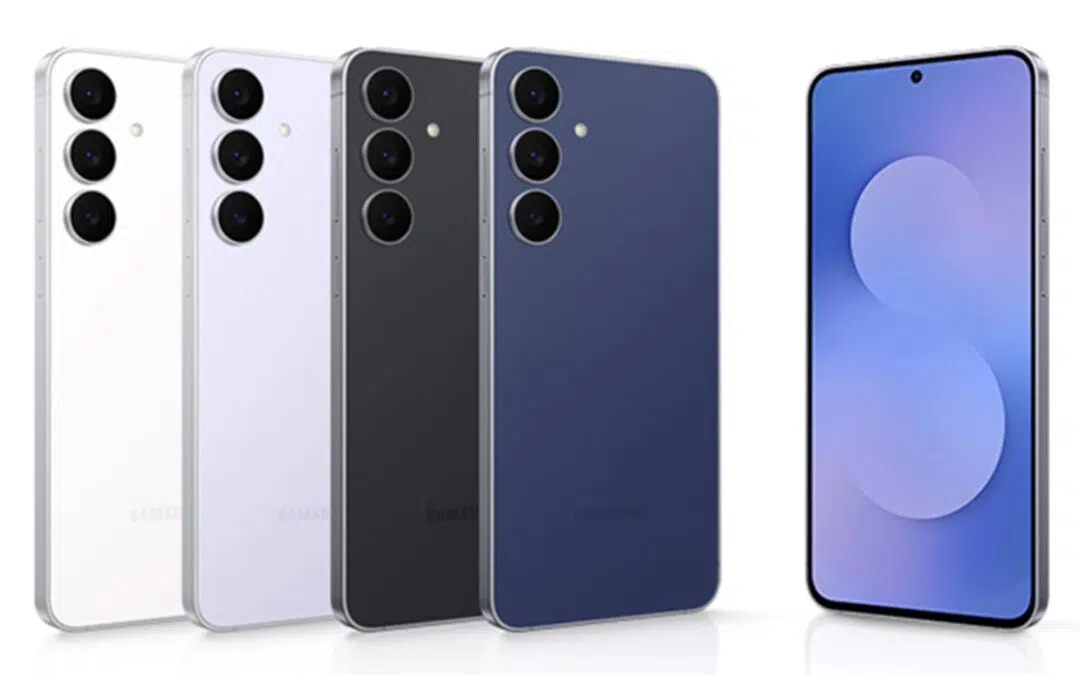
Galaxy S26 FE’s global variant spotted with Exynos 2500
Five Hidden Samsung Galaxy Features You Should Start Using Today
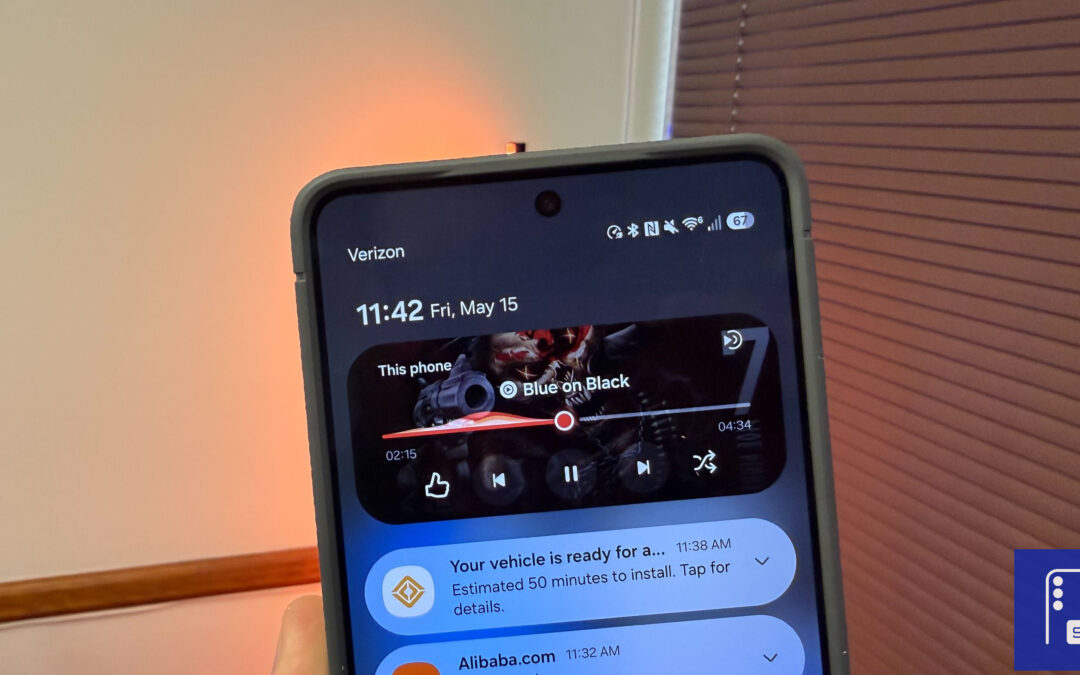
One UI includes several practical features that can make your phone more useful every day.