Samsung Aims to Ramp Up HBM3E AI Memory Chips as Early as Q2 2025
SammyGuru is reader-supported. We have affiliate and sponsored partnerships, so we may earn a commission when you buy through links on our site — at no extra cost to you. Learn more.
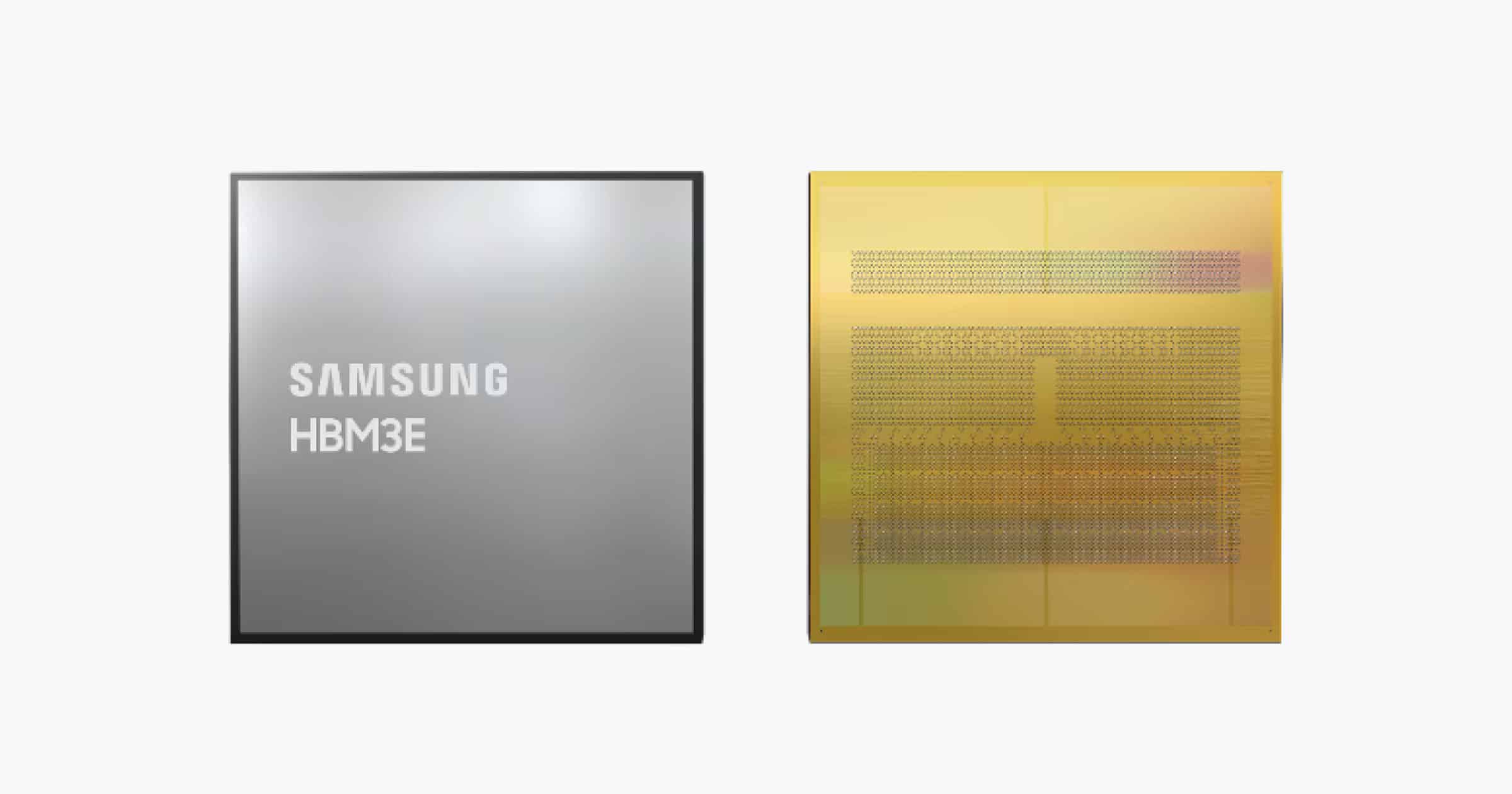
For the past couple of months, Samsung has been working on high-bandwidth memory HBM3E to meet NVIDIA’s AI chip requirements. Samsung has yet to receive approval for supplying these chips. Now, it seems Samsung is very close to passing NVIDIA’s qualifications, as the company has recently revealed that it will ramp up HBM3E AI chips as early as Q2 2025, or at the latest, in the second half of this year.
Samsung plans to quickly move the AI DRAM market to HBM3E
Recently, a noted industry insider, Jukanlosreve on X, shared some information from a Q&A session following the 56th Regular General Shareholders’ Meeting. Jeon Young-hyun, Vice Chairman of Samsung Electronics, on HBM3E, stated, “We plan to swiftly transition the AI DRAM market to HBM3E 12-die products starting as early as Q2, or at the latest in the second half of this year, and ramp up production in line with customer demand. We also intend to significantly increase the supply of HBM compared to last year to bolster our market position.”
Jeon further revealed that Samsung is developing an even better memory chip (HBM4) as well as custom HBM products for clients. The company also aims to start mass production of HBM4 chips in the second half of the year. The Korean firm is analyzing its mistakes with the HBM3 chips to avoid repeating those mistakes in the next generation of HBM products. This will hopefully restore confidence in the shareholders.
Jeon also mentioned that he regrets the concerns caused by the lack of performance of the stock. Samsung is focusing its efforts on a rebound in the semiconductor business. He explains why he thinks the stock isn’t performing well. One of the main reasons is the slow improvement in the profitability of DRAM and NAND chips. This is caused due to delayed initial response in the AI semiconductor market. There are also trade uncertainties due to the US-China trade disputes — Samsung is no longer pursuing Baidu’s 2nm AI chip orders.
Jeon also remarks that while the DRAM and NAND markets have faced poor results, increased AI investments and recovering mobile demand could stabilize supply and demand, leading to improved performance in the second half of the year.

Written by
Binay KonwarBinay Konwar started his blogging journey in 2014 and has since written plenty of tech articles. At present, he is working as a News Writer at SammyGuru, covering everything about Samsung. He holds a Master's degree in Mathematics, but his real passion lies in tech and writing. In his free time, he enjoys playing chess and watching movies.

Follow us on Google Discover & set us as a preferred source in Google News
Share this Post
___________________________


New Blog Posts
___________________________
Samsung Quietly Listed a New Entry Level 990 PCIe 4.0 SSD
It drops DRAM for HMB

Samsung’s First Bone-Conduction Earbuds May Be Called Galaxy Able
Name hidden no more
Samsung Accidentally Confirms Galaxy Watch 9 and Galaxy Watch Ultra 2
Coming very soon