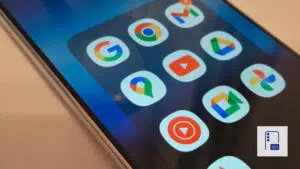
Google Translate Turns 20, Adds Long-Requested Pronunciation Practice

SammyGuru is reader-supported. We have affiliate and sponsored partnerships, so we may earn a commission when you buy through links on our site — at no extra cost to you. Learn more.
Guess what? Google Translate just turned 20. Without a doubt, it’s one of those tools you don’t really think about until you need it. Over two decades, it’s become one of Google’s most widely used services, helping millions (including some of us) translate text, conversations, and real-world signs instantly. Now, instead of just celebrating, Google is using the moment to roll out a feature users have been asking for.
Google Translate adds pronunciation practice as it turns 20
Google’s SVP, Knowledge & Information, Nick Fox confirmed Google Translate is getting a pronunciation practice features. Fox adds that it’s been a “top-requested feature” and that makes so much sense. It’s about a new feature called “pronunciation practice”, and it’s actually pretty useful. “One of the toughest things about speaking a new language is getting the nuances of pronunciation just right,” he added.
Instead of just listening and repeating, you can now speak directly into the app, get feedback on accuracy, and adjust your pronunciation on the spot. At launch, the feature is rolling out in the US and India. It supports English, Spanish, and Hindi, with more languages expected to follow soon.
Why is this important? Over the years, Google Translate has changed so many things. What started as a basic translation tool is now used by millions every day. It evolved from simple text translations to real-time voice translation, camera-based translation, and even offline support. All of that helps millions of people overcome language barriers, making content accessible and enabling communication across cultures.
Put simply, It has started to act more like a language-learning tool, helping users actually learn to speak, not just understand, more like Duolingo. Because translating something is useful, but being able to say it correctly? That’s what really matters. I, for one, am quite excited to try my hands on practicing pronunciations.

Written by
David BuligaDavid Buliga is a Romanian writer at SammyGuru, where he covers the Samsung and Android ecosystem with a focus on apps, software features, and the trends shaping how we actually use our devices — from Galaxy Watch apps to One UI 9, plus the occasional opinion piece. He joined SammyGuru in 2026 after previously creating entertainment content on YouTube, producing animations and gameplay videos. Currently pursuing a Bachelor's degree in Applied Electronics and Telecommunications, David is passionate about consumer technology and enjoys getting under the hood of smartphones to see what makes them tick. Outside of tech, he loves listening to music, reading books, photography, and exploring the random ideas that often inspire his next story.

Follow us on Google Discover & set us as a preferred source in Google News
Share this Post
___________________________


New Blog Posts
___________________________
Samsung Quietly Listed a New Entry Level 990 PCIe 4.0 SSD
It drops DRAM for HMB
Samsung’s First Bone-Conduction Earbuds May Be Called Galaxy Able
Name hidden no more
Samsung Accidentally Confirms Galaxy Watch 9 and Galaxy Watch Ultra 2
Coming very soon