Galaxy S26 Ultra vs Wishlist: How Much Did Samsung Actually Deliver?

SammyGuru is reader-supported. We have affiliate and sponsored partnerships, so we may earn a commission when you buy through links on our site — at no extra cost to you. Learn more.
In this article
- Galaxy S26 Ultra wishlist was never about specs, but it was about behavior
- Camera: Clear progress, still not fully refined
- Third-party apps: Progress without consistency
- Display: Good, but not evolving enough
- Video: One of the most complete upgrades
- Performance, thermals, and battery: A mixed reality
- Gaming and selfie: Still catching up
- Overall Wishlist Score: The real result
After over a month of real-world testing, the Galaxy S26 Ultra feels like a sizeable upgrade. However, there’s still a gap between what Samsung aimed for and what it actually shipped. Earlier Ultras were plagued by camera inconsistency, overprocessing, stagnant battery life, and video behavior that didn’t always reflect the hardware. So, how much of that has changed with the latest model? Let’s find out.
Galaxy S26 Ultra wishlist was never about specs, but it was about behavior
The original wishlist didn’t chase numbers. It focused on how the system behaves; how the camera reacts, how processing adapts, and how consistent the experience feels across real use. Because that’s where “Ultra” is defined. Not in megapixels or marketing language but in control, predictability, and reliability. The Galaxy S26 Ultra clearly moves in the right direction, but it doesn’t fully complete it.
Camera: Clear progress, still not fully refined
That shift in direction is most visible in the camera system. Samsung has made real progress in processing. Noise reduction is cleaner, shadow control is more stable, and textures are preserved with far less smearing than before. Indoor shots, in particular, show a more natural balance.
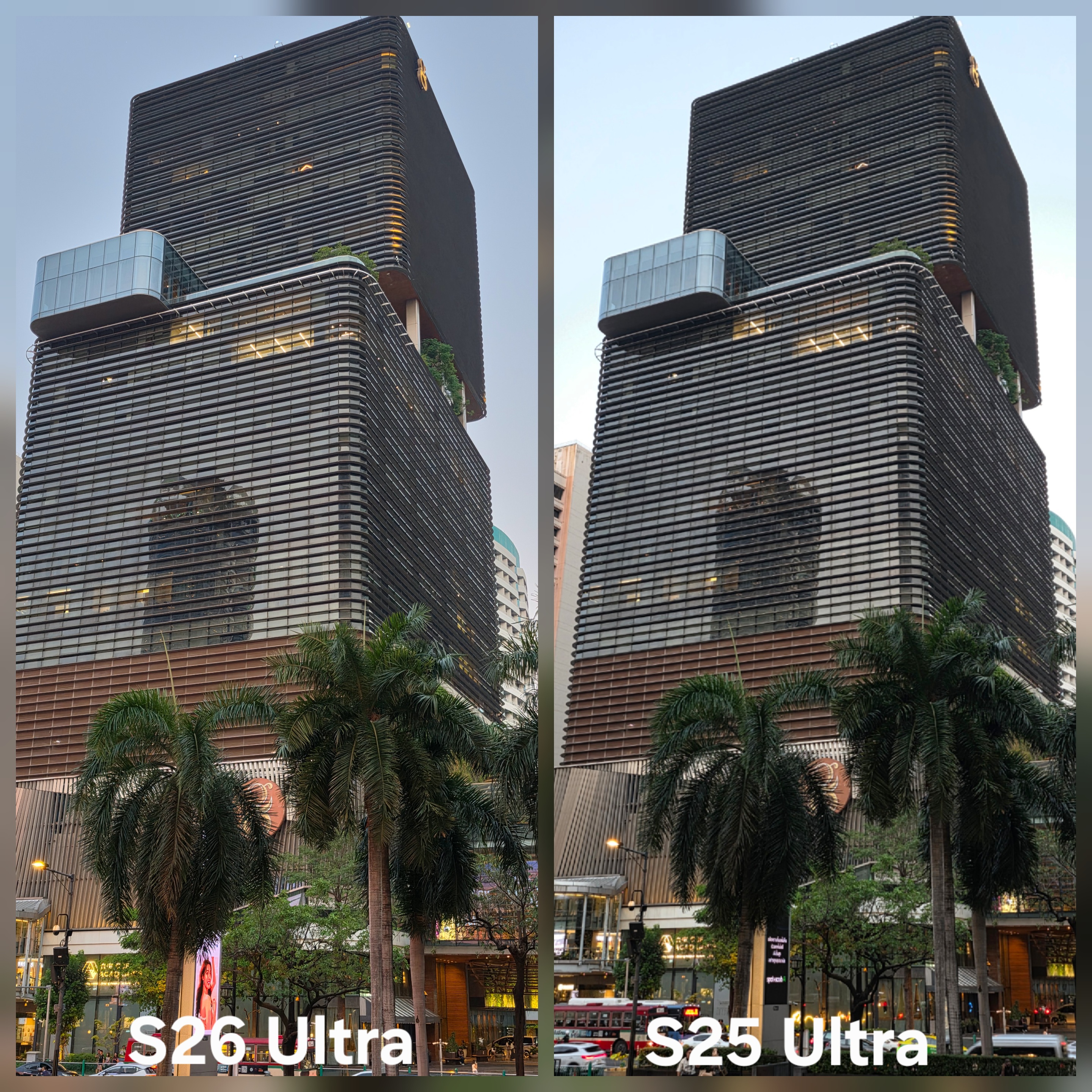
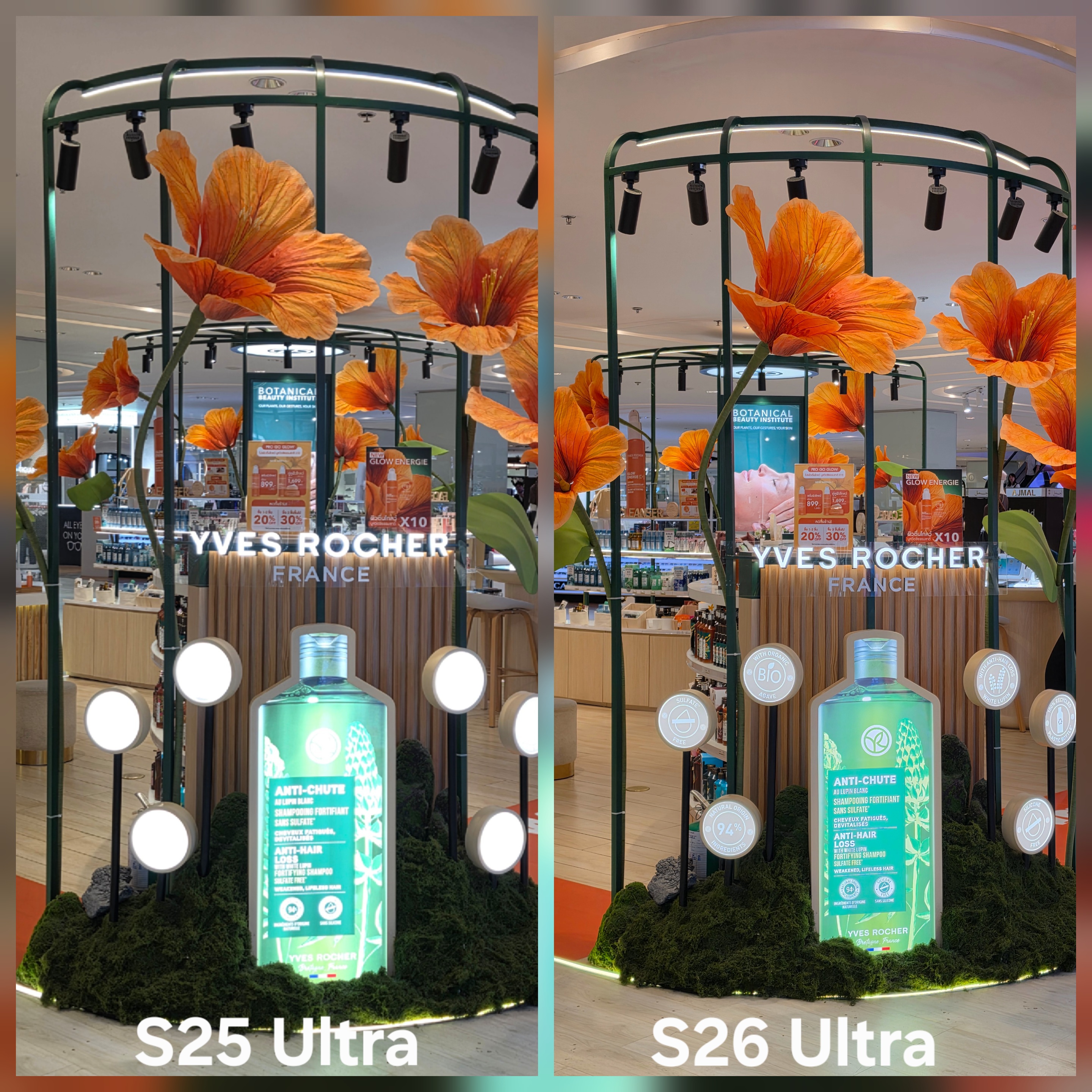
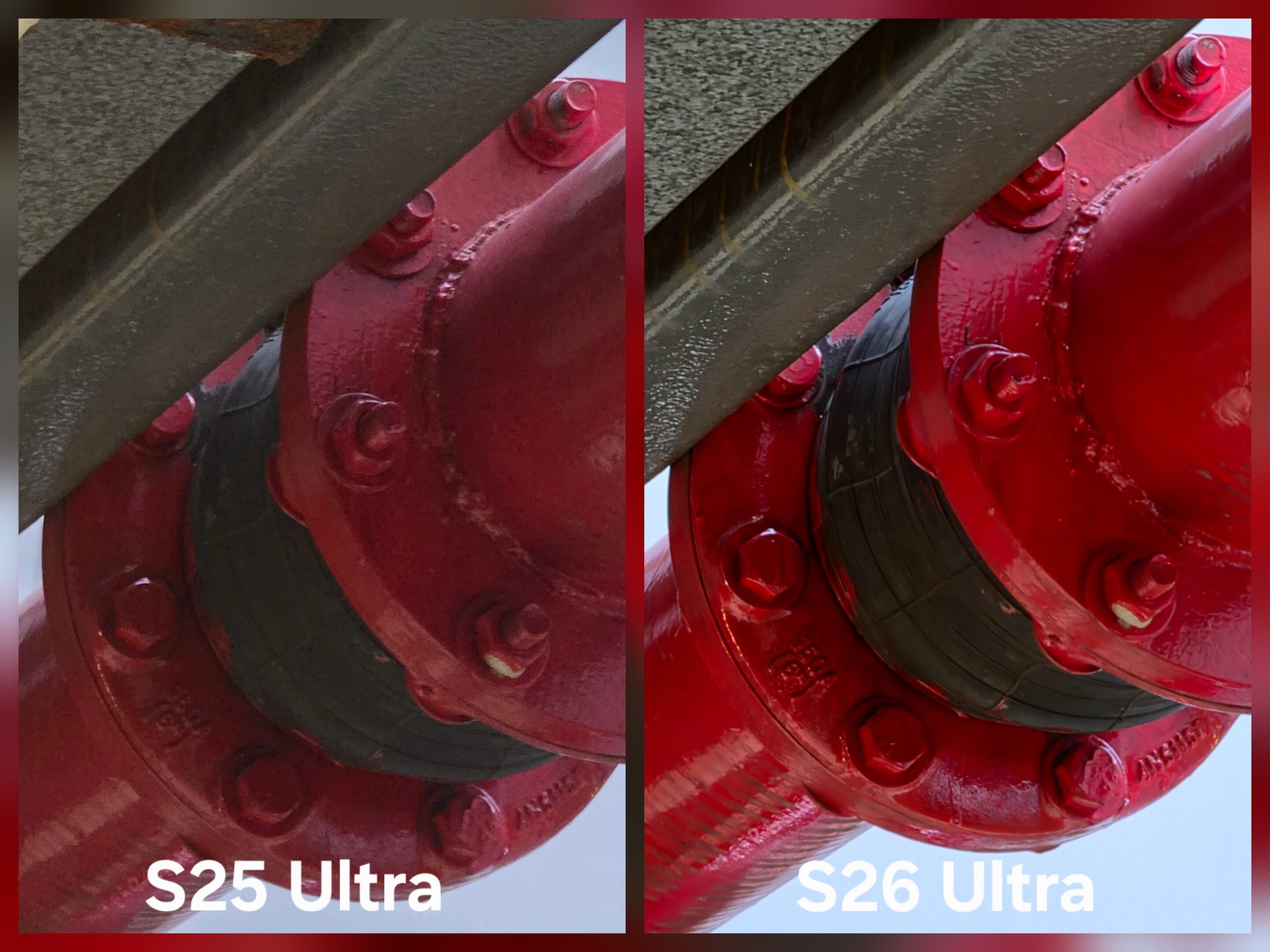
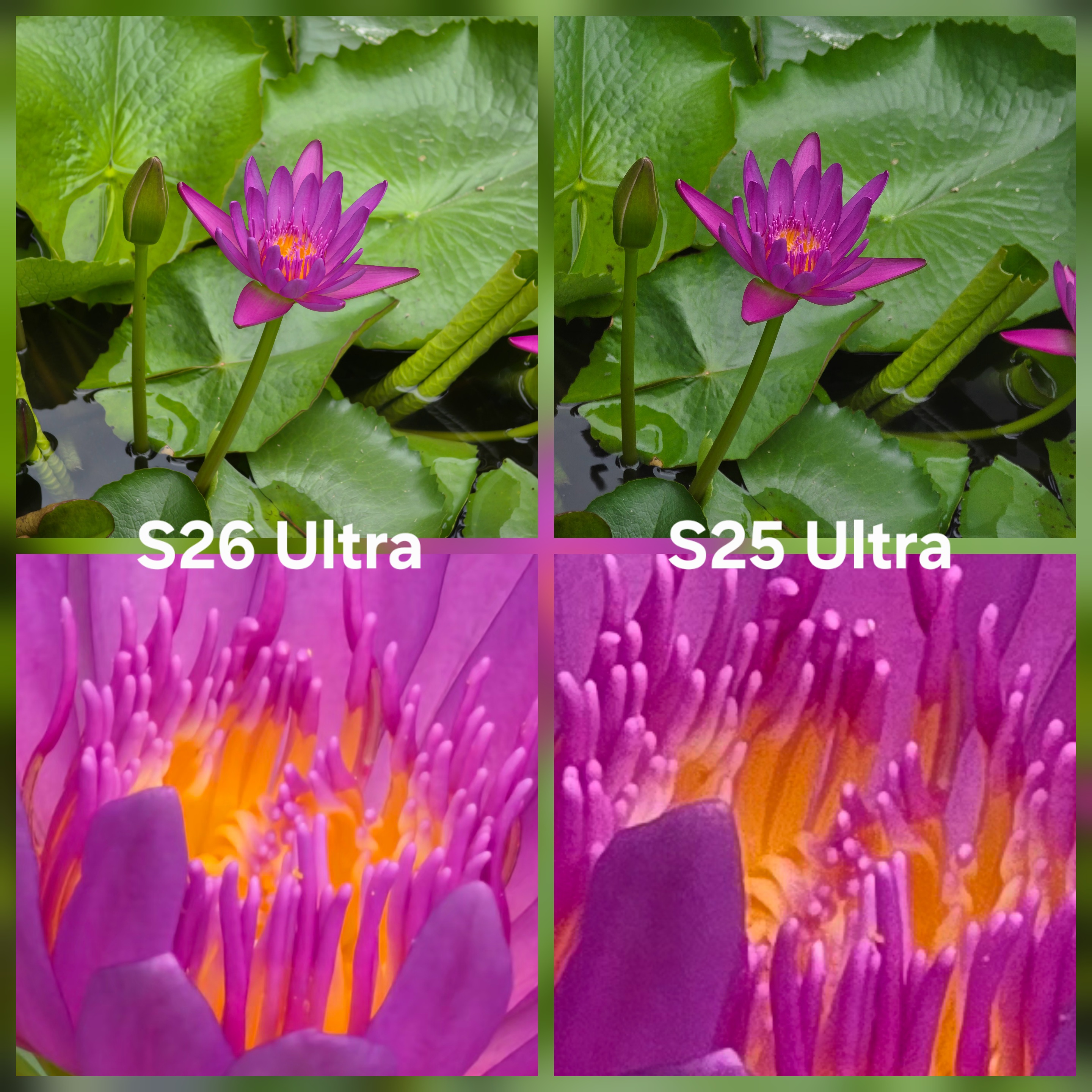
Color and contrast tuning also feel more controlled. Images lean closer to real-world tones, avoiding the overly aggressive look seen in previous generations. But consistency remains the weak point. The 24MP pipeline can overprocess fine details like text, while 12MP often delivers a more reliable balance. Even Expert RAW shows gaps between preview and final output.
It’s not a dramatic leap but it’s a meaningful one. Progress is real — but refinement is still incomplete. Score: 8.5/10.
24MP pipeline: The right direction
Moving toward 24MP as a core output is one of the most important decisions this year. The quality is there. Detail, noise, and processing finally align in a way that feels natural. This is the version of Samsung’s camera that feels closest to being under control.
But the experience isn’t seamless. Auto mode still behaves unpredictably around the 3x lens, and Camera Assistant introduces instability in resolution switching in newer versions. The foundation is strong, but the system around it isn’t fully polished.
The direction is right. Execution still needs discipline. Score: 8.5/10.
Portrait and depth: Still holding back
Portrait mode remains limited to 12MP, and while overall rendering is slightly improved, the system hasn’t meaningfully evolved. Edge detection is largely unchanged, and the lack of higher-resolution output feels increasingly out of place, especially as the rest of the camera system moves forward.
It works — but it doesn’t lead. Score: 6/10.
Virtual Aperture and new features: A real shift
This is where Samsung fully delivered. Virtual Aperture now works across multiple lenses, bringing consistent depth rendering and a level of creative control that feels integrated, not experimental. It’s no longer a feature you try. It’s part of how the camera operates. Virtual Reflector pushes even further, moving beyond capture into scene reconstruction.
This is where Samsung stops simulating photography and starts redesigning it. Score: 10/10.
Clarity and zoom behavior: Strong, but not complete
Clarity has improved, especially within optical zoom ranges up to 10x. Detail holds better, and images remain relatively natural without aggressive sharpening. But beyond that range, the system still leans heavily on processing. Long-distance zoom introduces inconsistency and visible artifacts.
The improvement is clear — but the ceiling is still there. Score: 8.5/10.
Expert RAW and Pro Mode: The gap is still there
This is where expectations fall short. Expert RAW still lacks true lossless high-resolution options beyond 24MP, limiting flexibility for advanced workflows. Pro Mode also lacks refinement in JPEG output, with a pipeline that still feels partially processed rather than fully controlled. The tools exist, but they don’t fully unlock the hardware. Capability without full execution.
Pro Mode: 5/10.
Lossless RAW Request: 0/10.
Third-party apps: Progress without consistency
There are real improvements here. HDR support in apps like Instagram now works with HEIC, which is a meaningful step forward in everyday use. But optimization remains inconsistent across platforms. Processing, performance, and efficiency still vary depending on the app.
It’s moving forward, just not fully aligned yet. Score: 7/10.
Display: Good, but not evolving enough
The display remains strong, with reliable HDR performance and solid efficiency. But it doesn’t feel like a generational leap. Brightness stability under heat hasn’t improved significantly, and PWM / eye comfort options remain largely unchanged. The new privacy display adds utility but introduces trade-offs in viewing angles and perceived clarity.
Still good, just not pushing forward. Score: 7.5/10.
Video: One of the most complete upgrades
Video is where the Galaxy S26 Ultra delivers most clearly. Dynamic range is improved, motion is cleaner, and exposure stability is more consistent across scenarios. Features like horizontal lock enhance usability, while the APV codec adds real value for creators. This is one of the few areas that feels close to fully realized. A clear step forward in both quality and usability.
Score: 9.5/10.
Performance, thermals, and battery: A mixed reality
Performance gains are real, landing close to the expected 15–20% improvement. The system feels fast, responsive, and stable in daily use. But efficiency tells a different story. Thermals haven’t improved, and in camera-heavy scenarios, they can feel slightly worse. Battery life also sees only minimal gains, falling short of a true generational upgrade. The system is faster but not more efficient.
Performance: 8/10.
Thermals: 0/10 improvement.
Battery: 3/10.
Gaming and selfie: Still catching up
Gaming performance is stable, but not significantly improved in sustained scenarios. Frame consistency and thermal control still leave room for optimization.
The selfie camera shows some improvement, but continues to fall behind competitors in both photo and video behavior.
Gaming: 7/10.
Selfie: 6/10.
Overall Wishlist Score: The real result
When everything is combined, the Galaxy S26 Ultra delivers a wishlist realization score of roughly 7.5/10. That translates to about 75–80% of expectations achieved, which matters more than any single feature.
That said, that number alone doesn’t fully reflect the experience. Because not all areas carry equal weight. The core experience — camera behavior, video performance, processing, and the 24MP pipeline — consistently performs at a higher level. These are the parts users interact with every day.
Meanwhile, weaker areas sit in the background. They matter especially for advanced users, but they don’t define the device. That’s why the final score settles where it does. The Galaxy S26 Ultra takes steps in the right direction. It improves what matters, but it still doesn’t fully finish the system it started building.

Written by
William B. (W Vision)William B. is an independent mobile imaging analyst and the creator of W Vision. Through detailed comparisons, real-world testing, and sensor-focused analysis, he helps readers understand the true strengths, limitations, and real-world performance of flagship smartphones, with a focus on camera technology, imaging performance, and the overall user experience.

Follow us on Google Discover & set us as a preferred source in Google News
Share this Post
___________________________


New Blog Posts
___________________________
The Galaxy Z Fold 8 Is the Best iPhone and iPad Replacement Yet
Two devices, one pocket
How to Turn On Theft Protection on Your Galaxy Phone
The feature helps protect your personal data in case of theft
Miss the Rotating Bezel? Galaxy Watch 8 Classic Is Now Half Off
A deal that’s hard to ignore