First Look: Galaxy Glasses Come Into Focus in One UI 8.5

SammyGuru is reader-supported. We have affiliate and sponsored partnerships, so we may earn a commission when you buy through links on our site — at no extra cost to you. Learn more.
Samsung has been quietly working on its upcoming Galaxy smart glasses, building on Google’s work with Android XR. As you might know, they won’t be a standalone device and will need to be paired with your phone. So how will they show up on your Galaxy phone?
Here’s how Galaxy Glasses will show up on your phone
They’ll show up in the Bluetooth device list, alongside your Galaxy Buds, Watch, Ring, and other connected gear, as a new entry called Galaxy Glasses. The icon keeps things simple. You’ll see a front-facing outline of the frame, matching the visual style used for other devices in the same category.
Here’s a mock-up of how it will look.

I found it inside One UI 8.5’s SystemUI, which is essentially the backbone of the operating system. It powers core elements like Quick Settings and notifications. This suggests Samsung is already working on how the phone and the glasses will interact, and what that software experience will look like. I came across it while looking for icons to add to the One UI Design Kit.
Quick recap
For a quick recap, Samsung is working on two pairs of Galaxy Glasses. The company is expected to launch one model this year, with another planned for 2027. We don’t know much about the hardware yet, but leaks point to a 12MP camera on the first model, along with the possibility of transition lenses. Certifications for the batteries have been spotted, alongside the Z Fold 8, Flip 8 and the Buds Able, which could suggest an unveiling in this summer’s Unpacked event.
On the software front, Google is leading the charge, powering the device with Android XR. Third party applications like Spotify are optimizing their apps for this new form factor. Competition is also heating up, with the likes of Apple and even Gucci jumping in the ring.
We don’t know much more beyond this just yet, but it does mean we’re one step closer to learning more about this new form factor.

Written by
Josh SkinnerJosh is a freelance writer, graphic and user interface designer, and content creator. He has a sizable following on Twitter/X, with his deep insights, extensive knowledge and design skills attracting audiences. He also loves lego, video games and tech as a whole.

Follow us on Google Discover & set us as a preferred source in Google News
Share this Post
___________________________


New Blog Posts
___________________________
Samsung’s Best Budget Tablet Drops to Just $169 in the US
Galaxy Tab A11+ is now available at one of its lowest prices yet
Samsung Announces UFS 5.0 Storage for Faster On-Device AI
The company plans to kick off mass production later this year
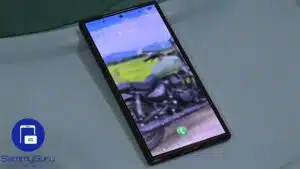
Galaxy S24 (Exynos) June 2026 Update Rolls Out in Europe
A bunch of Galaxy phones and tablets have received the latest security patch in the past few days