US Border Agents Are Searching More Phones Than Ever

SammyGuru is reader-supported. We have affiliate and sponsored partnerships, so we may earn a commission when you buy through links on our site — at no extra cost to you. Learn more.
If you’re planning a trip to the United States, you might want to think twice before bringing your main smartphone. That advice may sound excessive, as most people don’t carry a backup device. However, growing privacy concerns make it worth considering. U.S. Customs and Border Protection (CBP) has been ramping up warrantless searches of travelers’ phones, taking advantage of the limited legal protections that apply at the border.
Your phone isn’t private at the U.S. border
Your phone is supposed to be private, a space that only you, and maybe a court-approved warrant, can unlock. But at U.S. borders, that protection doesn’t fully apply. Every year, CBP agents inspect tens of thousands of phones, tablets, and laptops without warrants, using legal loopholes that strip travelers of many of their usual rights. If that already sounds unsettling, there’s more bad news: CBP is ramping up these searches at a rapid pace.
According to newly released figures, the number of device inspections at U.S. borders has jumped by 18% this year, marking yet another increase in the agency’s ongoing push to access digital data without a warrant. These searches fall into two main categories. Basic searches mean a manual review of the device on hand, which is no big deal. However, in advanced searches, agents can actually hook the phone up to a computer to extract data.
Needless to say, this is an invasion of your privacy. Even if your chance of being searched is low, the impact is disproportionately high if you are searched: personal data exposure, delayed entry, potential confiscation of device, lasting legal/immigration consequences. And the most worrying part is that such searches are increasing at a rapid pace.
So, if you’re travelling into the U.S., consider wiping sensitive devices or leaving them behind. It’s a hassle, yes, but high-sensitivity data deserves high caution. Many privacy-focused travellers do this. Remember that having a lock doesn’t guarantee you’ll avoid a search. Under CBP policy, you can be asked to unlock devices — you may refuse, but not without potential consequences.

Written by
Sumit AdhikariSumit, a life-long Samsung user, is passionate about technology and has been professionally writing on tech since 2017. He’s a mathematics graduate by education and enjoys teaching basic mathematics tricks to school kids in his spare time. Sumit believes in artificial intelligence and dreams of a fully open, intelligent and connected world.

Follow us on Google Discover & set us as a preferred source in Google News
Share this Post
___________________________


New Blog Posts
___________________________
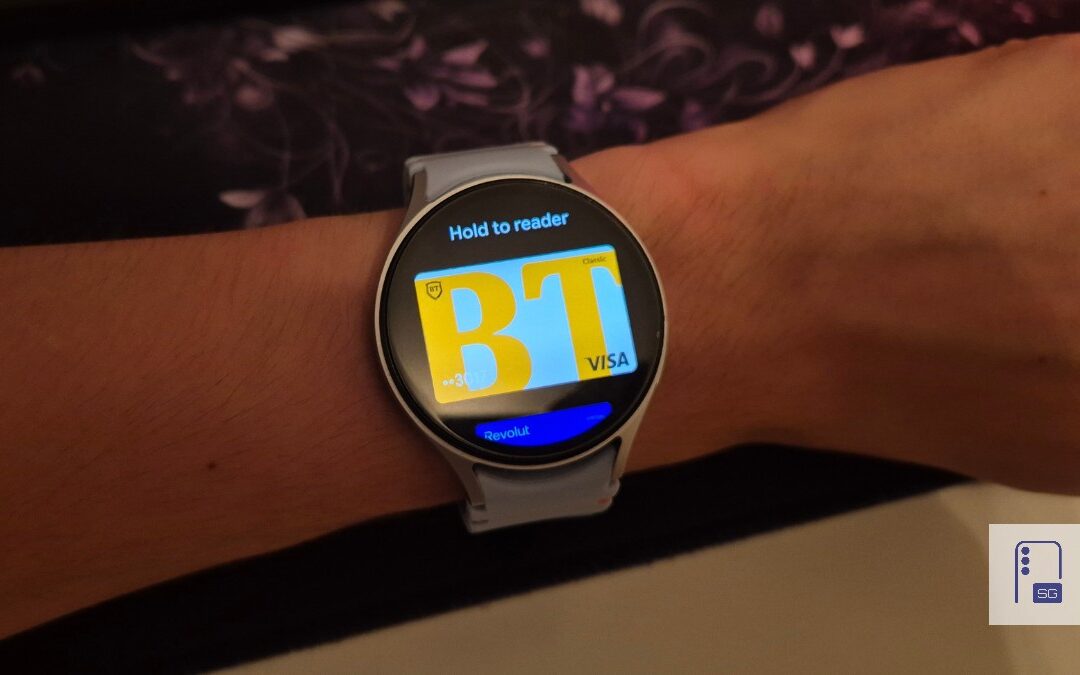
Google Wallet Finally Fixes One of Its Most Annoying Wear OS Quirks
Finally, one can manage all of my receipts from both devices
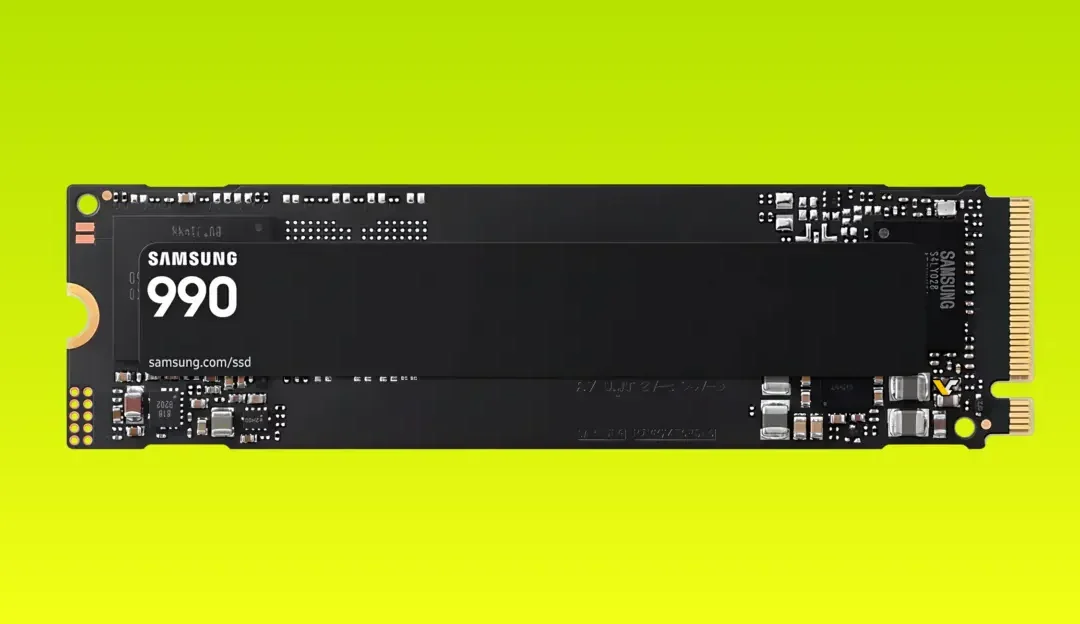
Samsung Quietly Listed a New Entry Level 990 PCIe 4.0 SSD
It drops DRAM for HMB

Samsung’s First Bone-Conduction Earbuds May Be Called Galaxy Able
Name hidden no more