Google Plans a New Kernel Optimization to Speed Up Android
SammyGuru is reader-supported. We have affiliate and sponsored partnerships, so we may earn a commission when you buy through links on our site — at no extra cost to you. Learn more.
Google is working on a behind-the-scenes upgrade that could make Android phones feel faster and more efficient. This change won’t show up as a flashy new feature in settings. However, it could still improve everyday performance across Android devices.
Google wants to bring AutoFDO to Android kernel
The company plans to bring Automatic Feedback-Directed Optimization (AutoFDO), according to Android Authority, to the Android kernel. The kernel is the core layer that connects apps, hardware, and the operating system. When developers build Android, the compiler decides how to organize and optimize the code. Traditionally, it relies on predictions about how the code will run. Those guesses aren’t always accurate.
AutoFDO changes that approach. Instead of guessing, it uses real execution data to guide the complier. Engineers gather information about how the system behaves during typical workloads and feed that data back into the build process. The complier then organizes the code to match those real-world usage patterns. In simple terms: Android learns from how people actually use their phones. Later, it builds a faster version of the system around that data.
Google already applies AutoFDO to parts of Android outside the kernel. The company says those optimizations have delivered measurable gains, including faster cold app launches and slightly quicker boot times. Bringing the same technique to the kernel could extend those benefits to the foundation of the operating system itself.
By applying this data-driven optimization directly to the kernel itself, Google could make future Android versions feel faster and more responsive, without requiring new hardware. This kind of work often delivers subtle but meaningful improvements, like smoother scrolling, faster response times, and better battery efficiency. Also, because the kernel sits at the foundation of Android, every app and system feature benefits from the optimization.
Would you rather see Google focus on deep system optimizations like this, or add more user-facing features in each Android version?

Written by
David BuligaDavid Buliga is a Romanian writer at SammyGuru, where he covers the Samsung and Android ecosystem with a focus on apps, software features, and the trends shaping how we actually use our devices — from Galaxy Watch apps to One UI 9, plus the occasional opinion piece. He joined SammyGuru in 2026 after previously creating entertainment content on YouTube, producing animations and gameplay videos. Currently pursuing a Bachelor's degree in Applied Electronics and Telecommunications, David is passionate about consumer technology and enjoys getting under the hood of smartphones to see what makes them tick. Outside of tech, he loves listening to music, reading books, photography, and exploring the random ideas that often inspire his next story.

Follow us on Google Discover & set us as a preferred source in Google News
Share this Post
___________________________


New Blog Posts
___________________________
Exclusive: Galaxy Watch 9’s Wearable App Reveals New Galaxy AI and Health Features
Quite a glow up
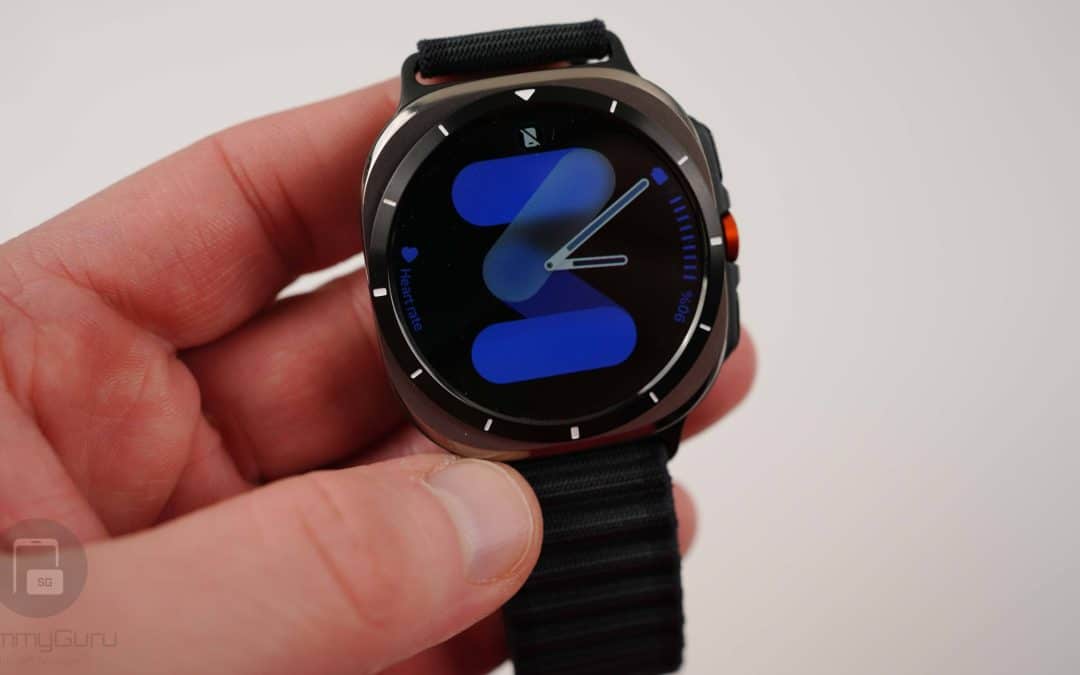
Exclusive: Here’s Your First Look at the Galaxy Watch 9 and Galaxy Watch Ultra 2 Watch Faces
Five new faces
Google Wallet Finally Fixes One of Its Most Annoying Wear OS Quirks
Finally, one can manage all of my receipts from both devices