Samsung Develops GAIA Accelerator to Power AI PCs

SammyGuru is reader-supported. We have affiliate and sponsored partnerships, so we may earn a commission when you buy through links on our site — at no extra cost to you. Learn more.
Samsung is pushing deeper into the AI semiconductor market. The company is developing GAIA, an AI accelerator for next-generation AI PCs. This could be the firm’s new growth opportunity beyond its traditional general-purpose chips.
Samsung targets the AI PC market with the GAIA accelerator
Samsung already offers a wide range of semiconductor solutions, including memory chips and mobile application processors. Through its System LSI business unit, part of the Device Solutions (DS) division, the company has developed Exynos chips and neural processing units (NPUs) for mobile devices. It now aims to expand its AI semiconductor capabilities into the PC market.
Korean media reports that Samsung’s System LSI Business is developing an AI accelerator for AI PCs, dubbed GAIA. It could deliver faster and more efficient AI processing for PCs. The company has sent prototypes to major PC makers, including Lenovo in China and HP in the US, for performance verification.
The company designed GAIA for AI computing instead of general-purpose processing. The accelerator features an optimized Neural Processing Unit (NPU) structure for generative AI tasks on PCs. This could let users run a bunch of AI applications faster.
Samsung is also combining GAIA with Processing-In-Memory (PIM) technology. This is a next-generation memory solution that can process data autonomously. The accelerator will use a 4nm semiconductor process. As a result, it could be able to reach high performance while preserving power efficiency.
Samsung may kick off mass production of GAIA sometime next year. The company may aim to compete with global chipmakers, including Nvidia and Qualcomm, which already offer AI acceleration solutions for PCs. It is worth mentioning that in 2012, the Korean firm powered its Chromebook with an Exynos processor, though it later discontinued the effort. It will be interesting to see whether it sees success in the AI PC space.

Written by
Binay KonwarBinay Konwar started his blogging journey in 2014 and has since written plenty of tech articles. At present, he is working as a News Writer at SammyGuru, covering everything about Samsung. He holds a Master's degree in Mathematics, but his real passion lies in tech and writing. In his free time, he enjoys playing chess and watching movies.

Follow us on Google Discover & set us as a preferred source in Google News
Share this Post
___________________________


New Blog Posts
___________________________
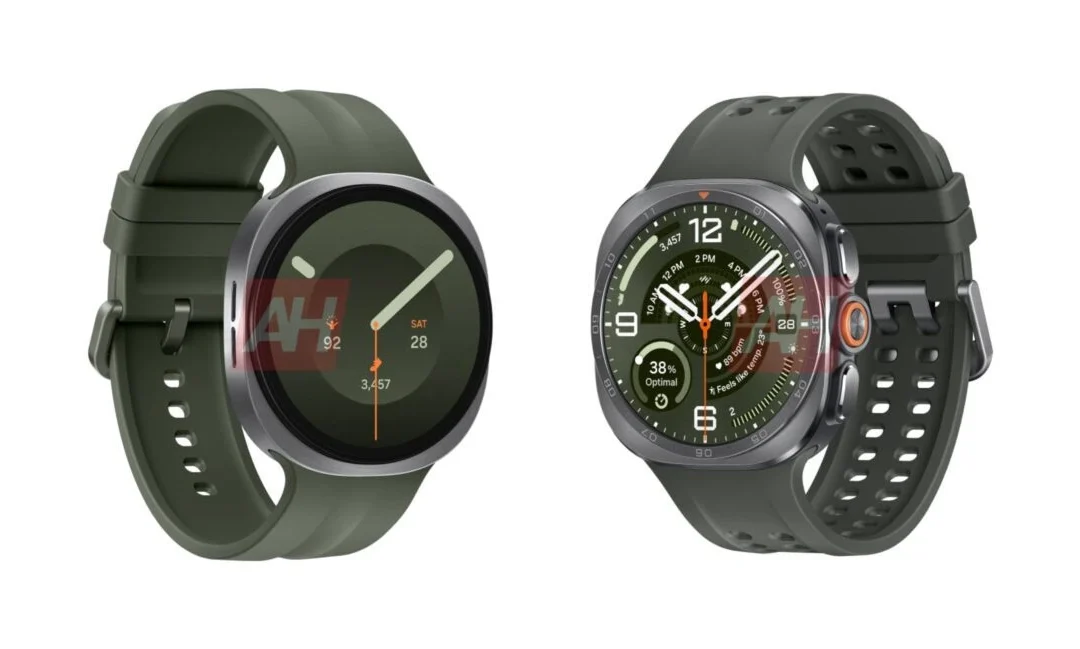
Galaxy Watch 9, Galaxy Watch Ultra 2 Prices Leak Ahead of Unpacked
More expensive
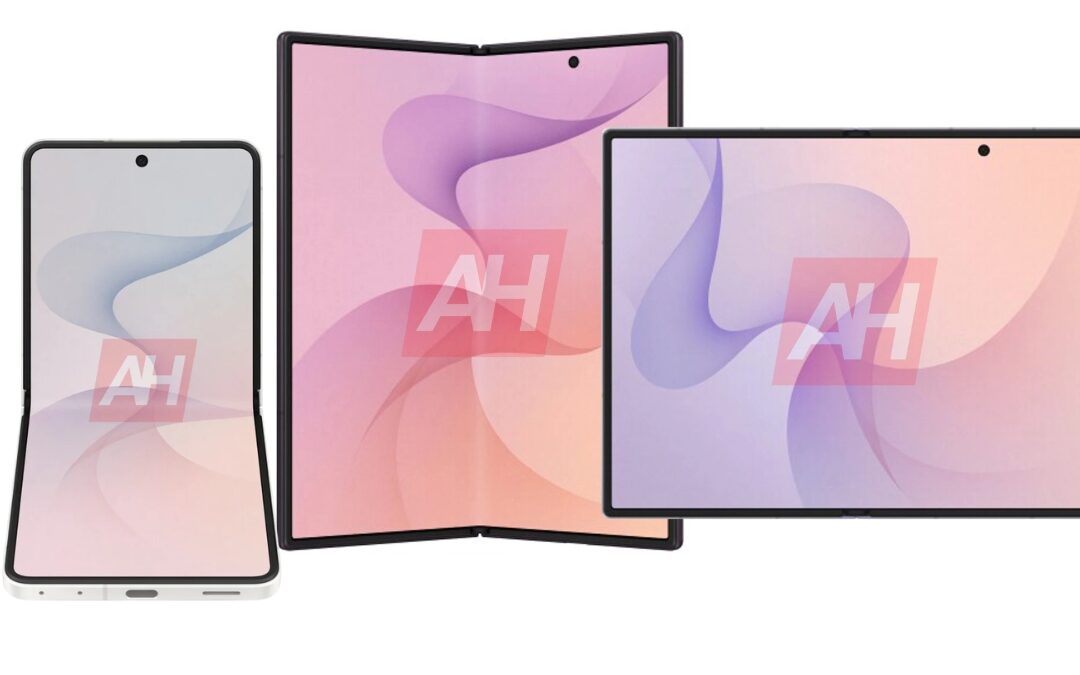
These Could be Galaxy Z Fold 8 Ultra, Fold 8 and Flip 8 Signature Colors
This leak also hints at Samsung-exclusive shades

Apple’s AI Glasses Shift Leads Samsung to Halt XR Display Project
The Korean firm will continue developing XR display solutions for its own product