WPC Discusses 50W Wireless Charging as Qi2.2 Development Continues
SammyGuru is reader-supported. We have affiliate and sponsored partnerships, so we may earn a commission when you buy through links on our site — at no extra cost to you. Learn more.
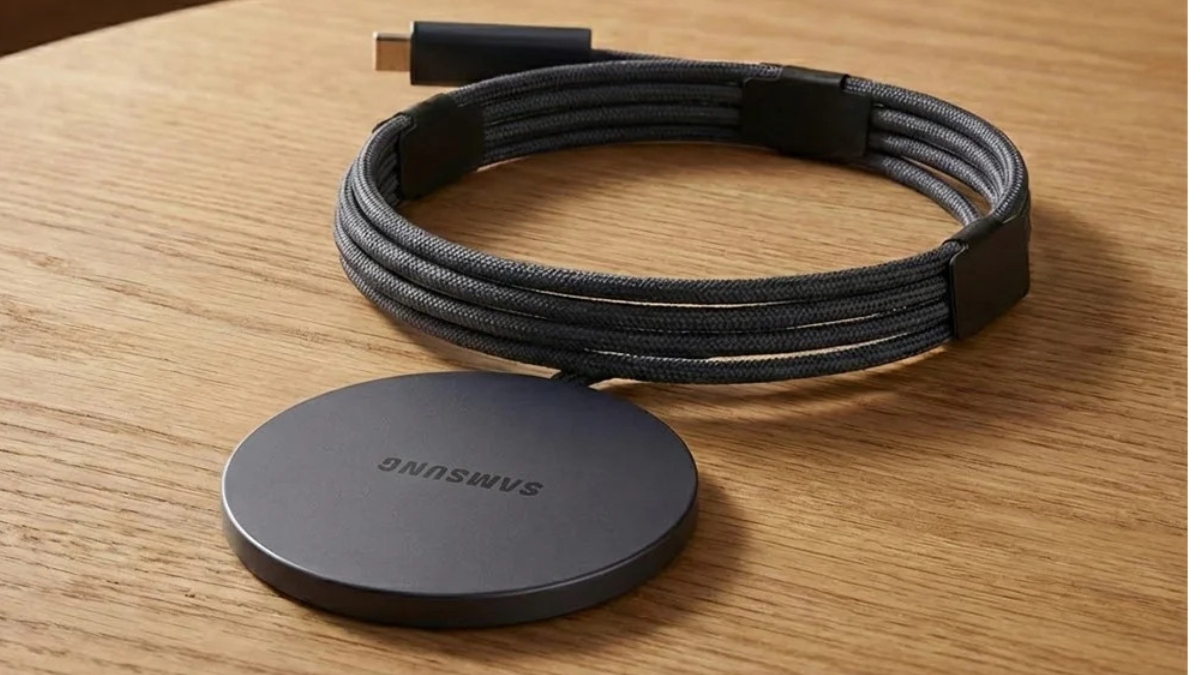
In January 2025, Samsung announced a new power management chip capable of delivering up to 50W wireless charging. The chip is well-positioned for the next evolution of the Wireless Power Consortium’s (WPC) Qi wireless charging standard, Qi 2.2, which supports 50W speeds. While Galaxy phones may not adopt the technology immediately, recent developments suggest the industry is steadily moving in that direction.
WPC prepares for prototype testing of Qi2.2 with 50W wireless charging
According to a new report, the WPC recently held an off-cycle meeting at Xiaomi headquarters in Beijing to discuss the future of wireless charging. One of the biggest topics on the agenda was reportedly 50W magnetic wireless charging. More than 20 smartphone companies, including Apple, Google, Honor, Huawei, OPPO, Vivo, and Xiaomi, were reportedly present at the meeting.
Interestingly, Samsung wasn’t among the attendees. However, that doesn’t necessarily indicate a lack of involvement in future standard development. The company has been relatively slow in adopting faster charging speeds, but it never backs away from technology development. And of course, the Qi2.2 standard is not yet complete. Reports claim it could be ready in 2028, with the first compatible smartphones arriving by 2029.
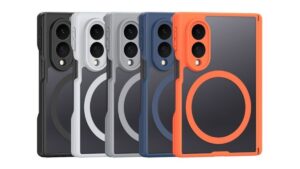
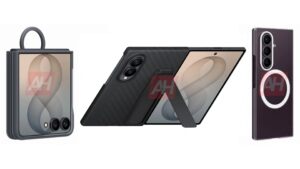
Today, the Galaxy S26 Ultra is Samsung’s fastest wireless-charging smartphone, supporting 25W Qi2.1 wireless charging when paired with a compatible magnetic case and charger. Once the Qi2.2 standard is ready, the speed may be doubled. And since Samsung has already built hardware capable of supporting 50W wireless charging, the company may be able to adopt Qi2.2 relatively quickly once it becomes official.
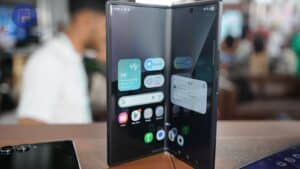
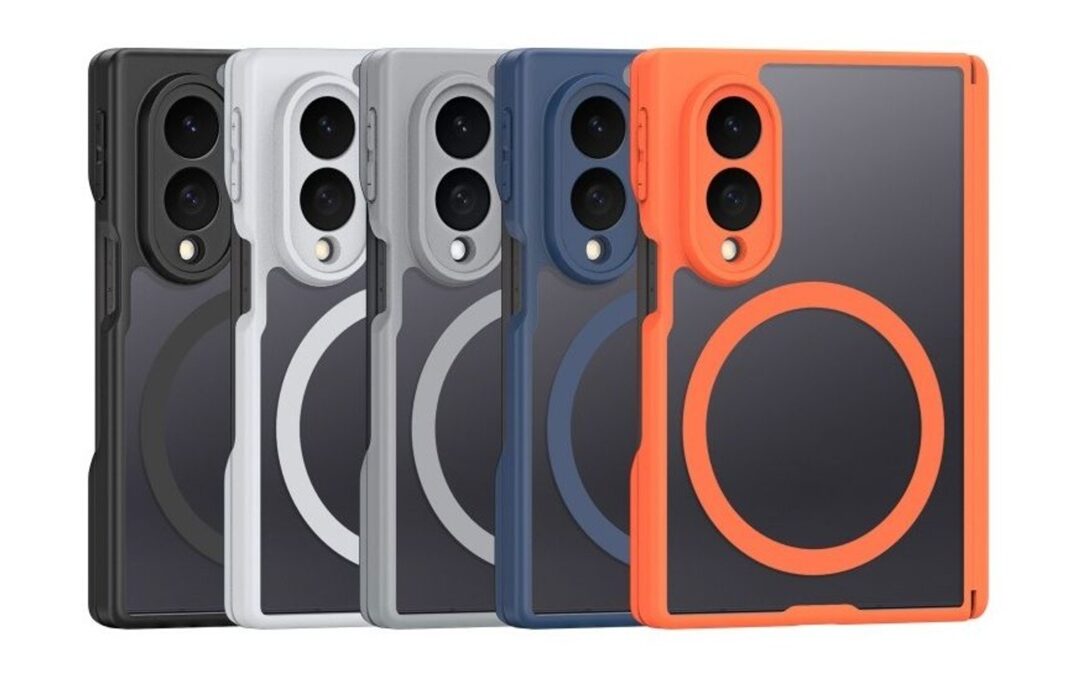
Samsung’s upcoming foldables, meanwhile, are likely to be Qi2.1-ready, though not all of them may support 25W speeds. Moreover, none may come with built-in magnets, continuing to rely on compatible magnetic cases. The devices launch in the second half of July.

Written by
Sumit AdhikariSumit, a life-long Samsung user, is passionate about technology and has been professionally writing on tech since 2017. He’s a mathematics graduate by education and enjoys teaching basic mathematics tricks to school kids in his spare time. Sumit believes in artificial intelligence and dreams of a fully open, intelligent and connected world.

Follow us on Google Discover & set us as a preferred source in Google News
Share this Post
___________________________


New Blog Posts
___________________________

Galaxy S27’s Snapdragon Chip Arrives on This Date
The Snapdragon Summit will take place from September 22 to 24

iPhone Ultra Could Arrive a Month After Galaxy Z Fold 8
Apple may join the foldable smartphone race this September
Galaxy Z Fold 8 Leaks in Four Colors, Entire Specs Revealed
The latest Galaxy Z Fold 8 leak leaves almost nothing to the imagination