Biggest Myth About Natural Smartphone Bokeh: Sensor Size Isn’t the Whole Story
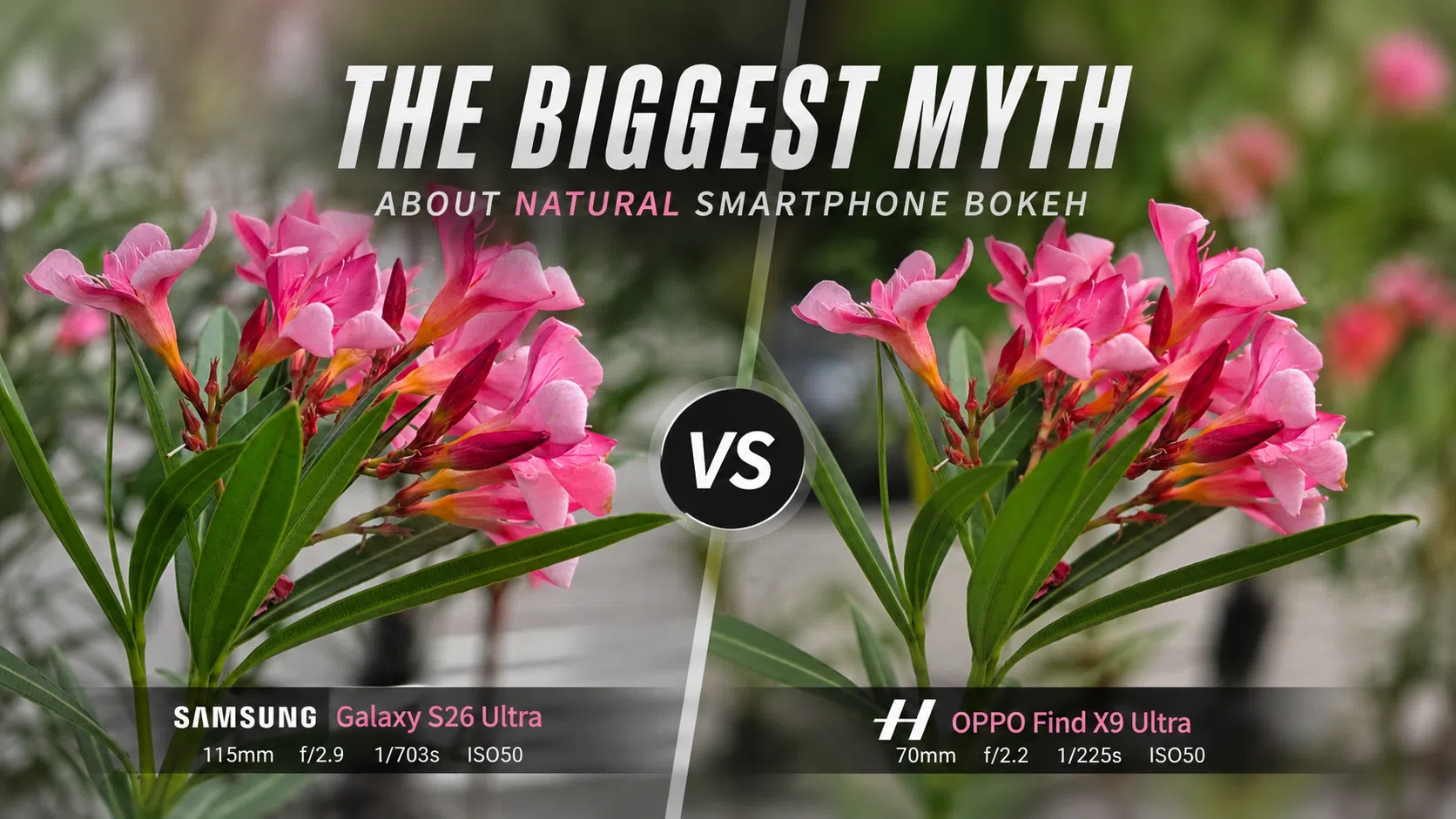
The belief that a larger sensor automatically produces more natural bokeh has become one of the most common assumptions in smartphone photography. While sensor size certainly influences depth of field, it is only one part of a much larger optical system. That is precisely why OPPO’s dedicated 10x telephoto camera can produce noticeably stronger natural background separation than Samsung’s 5x telephoto camera, despite Samsung using a slightly larger sensor and brighter aperture. The explanation lies far beyond specifications. It begins with optics.
The observation that raised an interesting question
Samsung’s 5x camera on the Galaxy S26 Ultra combines a 1/2.55-inch sensor with an f/2.9 aperture, while OPPO’s dedicated 10x camera on the Find X9 Ultra uses a slightly smaller 1/2.75-inch sensor behind an f/3.5 lens. On paper, Samsung appears to hold the advantage. Larger sensors and brighter apertures generally produce shallower depth of field when other variables remain similar. However, on comparing telephoto images from both phones side by side, an unexpected pattern became impossible to ignore.
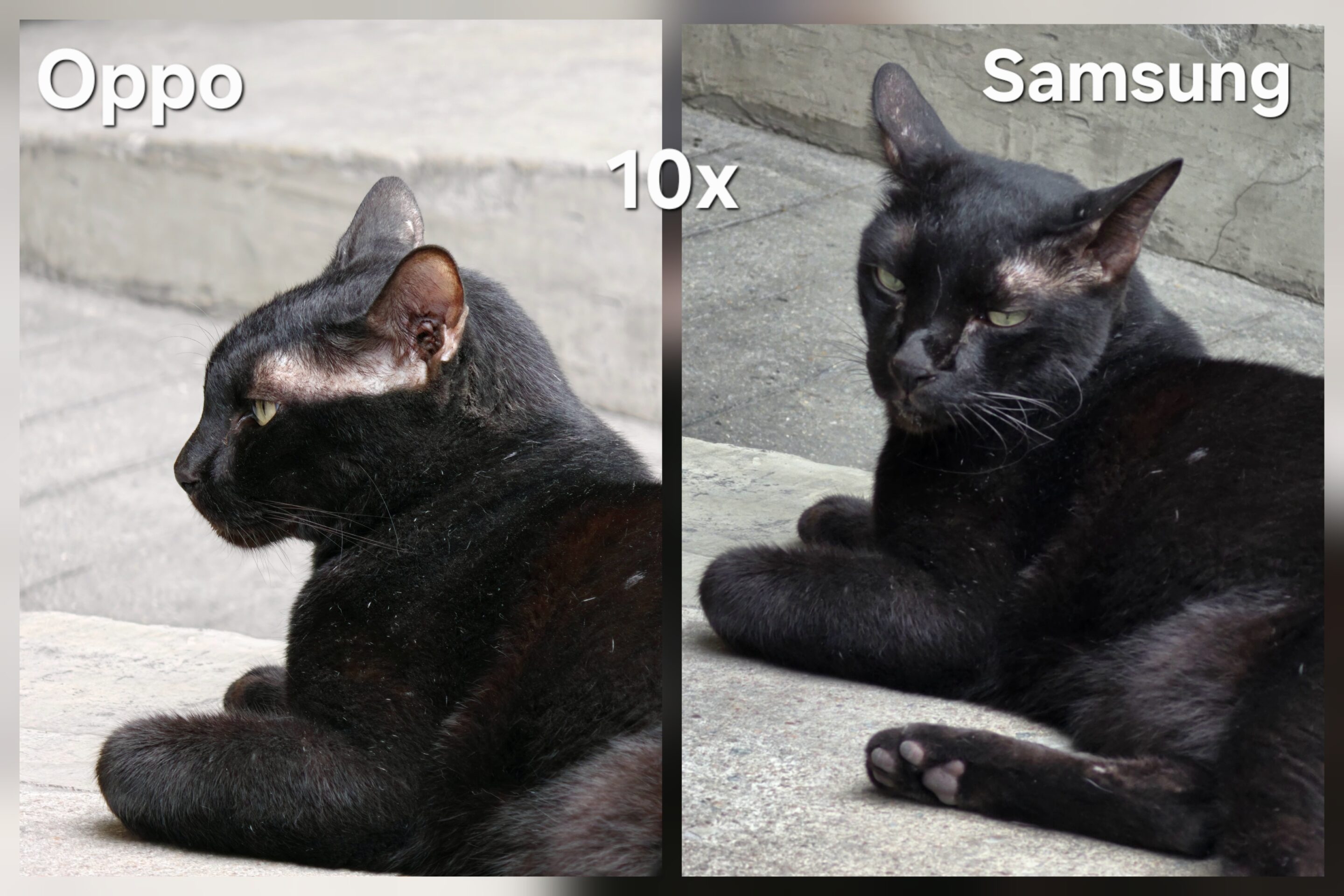
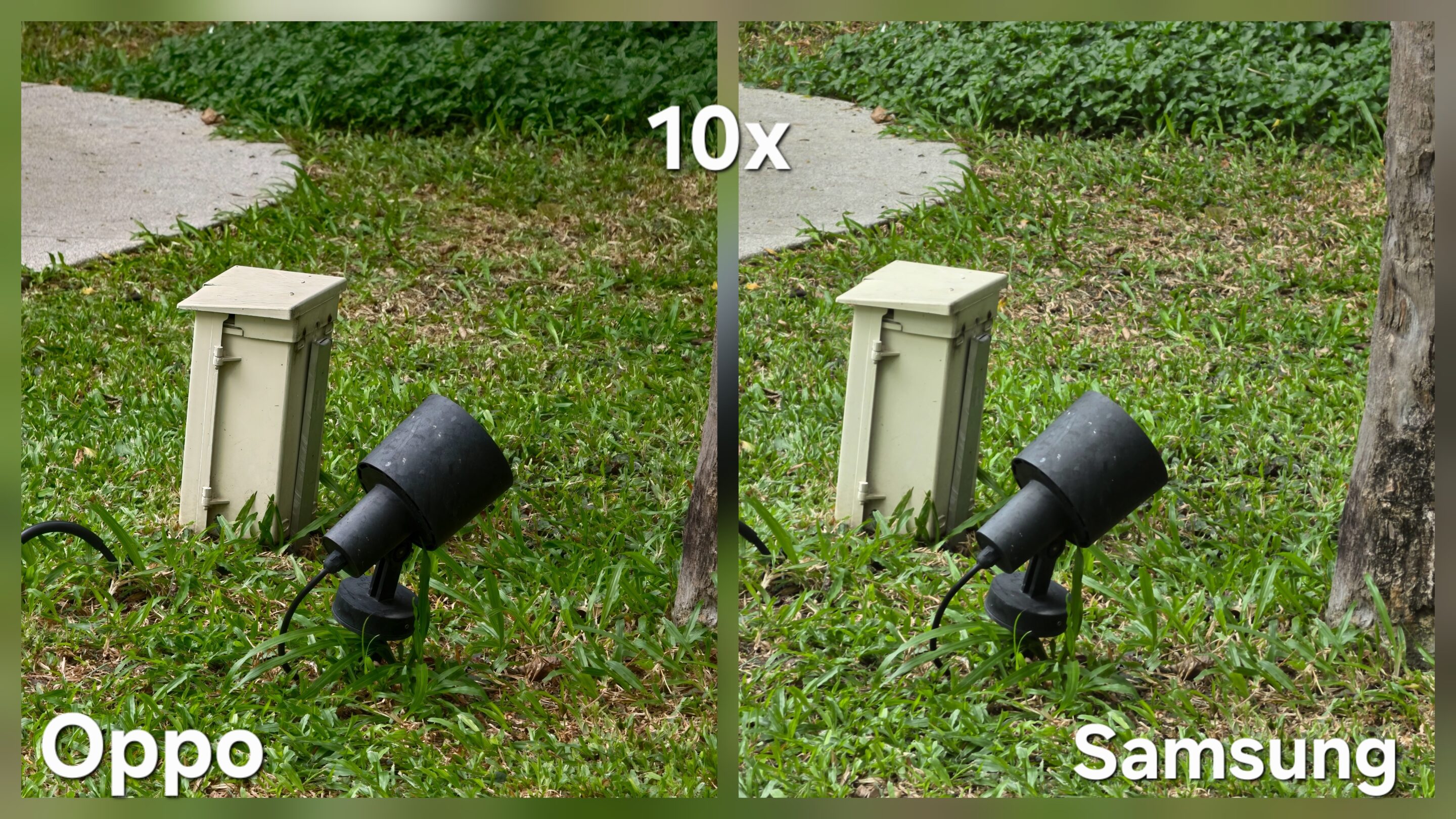
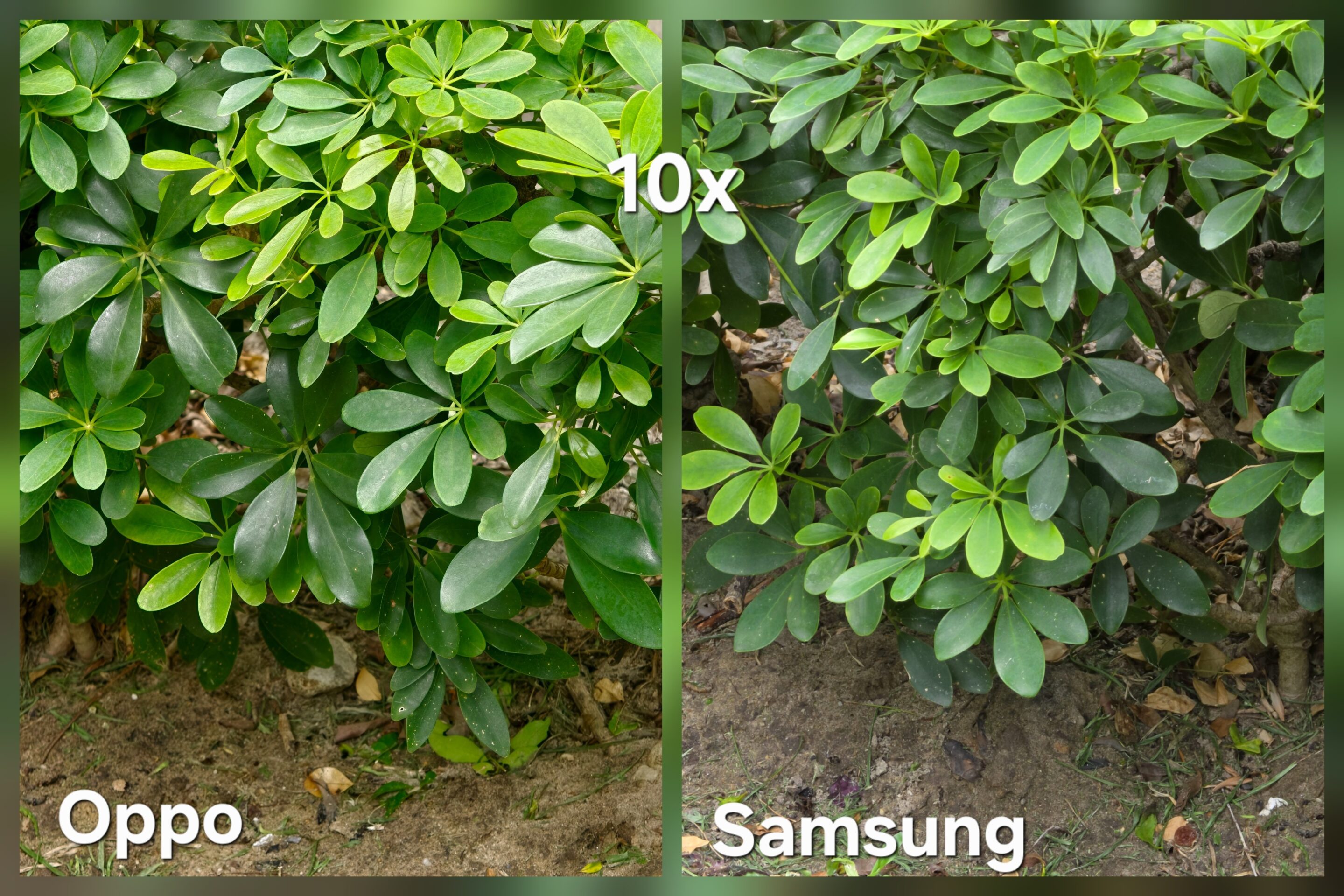
OPPO’s dedicated 10x camera often produces stronger natural background separation and a more convincing three-dimensional rendering, particularly when photographing distant subjects under comparable shooting conditions.
But before understanding why these two cameras behave differently, it helps to understand what natural bokeh really means. It is basically the out-of-focus rendering created by the physical optics of a camera. It begins the moment light passes through the lens and reaches the sensor, creating a gradual transition between sharp and blurred areas that follows the behavior of the optical system itself.
Unlike simulated blur, natural bokeh originates from physics rather than software. That distinction matters. Many discussions simplify bokeh into a specification race. A bigger sensor equals more blur. Wider aperture equals better subject isolation. But real photography does not work that way.
Natural background separation depends on the interaction between sensor size, focal length, aperture, subject distance, background distance, and how large the subject appears within the final image. Every one of these variables contributes to the final rendering.
The sensor influences the result. It never works alone.
Why OPPO’s dedicated 10x behaves differently
The biggest advantage of OPPO’s dedicated 10x camera is not necessarily its sensor or its aperture. It is the lens itself. Samsung’s telephoto camera is built around approximately 115mm equivalent optics, while OPPO’s dedicated 10x camera captures the scene through optics approaching 230mm equivalent focal length. That difference changes the image before software processing ever begins.
Under comparable shooting conditions, the longer optical system generally produces stronger subject isolation and smoother background separation than a significantly shorter telephoto lens. Sensor size and aperture still influence the result, but focal length becomes a dominant part of the optical rendering.
Cropping cannot recreate a longer lens
The distinction becomes even more obvious when digital cropping enters the equation. Cropping narrows the field of view, but it does not change the physical lens that captured the image. The optical rendering and depth characteristics were already established when light passed through the lens and reached the sensor.
Computational photography can reconstruct detail, sharpen textures, and improve resolution, but it cannot transform the optical behavior of a shorter telephoto lens into that of a physically longer one. This is why cropping a 115mm image to resemble a 230mm field of view cannot fully reproduce the natural subject separation and depth created by a true long telephoto lens.
Natural bokeh, computational enhancement, and Portrait Mode are not the same
Modern smartphones create background blur in different ways, and they are often grouped together despite relying on different principles. Natural optical bokeh is created entirely by the lens and sensor through the physical behavior of light.
Computational enhancement builds upon the optical blur that already exists. Image processing may refine textures, reduce noise, and improve the appearance of out-of-focus regions while preserving the optical separation created by the hardware.
Portrait Mode follows a different approach. The camera estimates depth using AI and segmentation before generating synthetic blur to imitate shallow depth of field.
All three can produce attractive photographs, but only one begins with physics.
The OPPO 3x camera reveals the opposite effect
Interestingly, the opposite scenario can also be observed. OPPO’s large 1/1.28-inch 3x telephoto camera is capable of producing stronger natural background separation than Samsung’s 5x telephoto camera in many situations, despite operating at a shorter focal length.
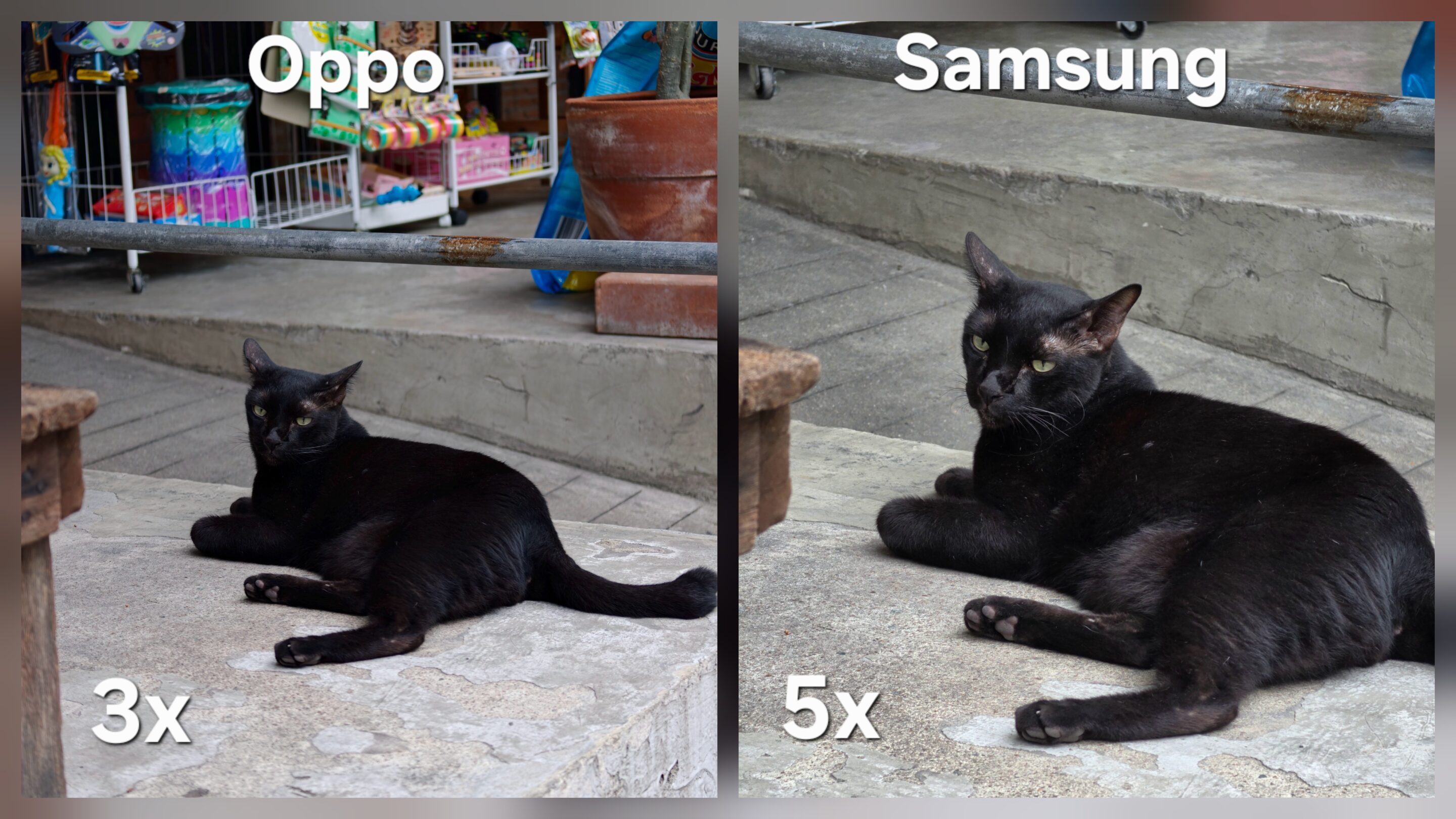
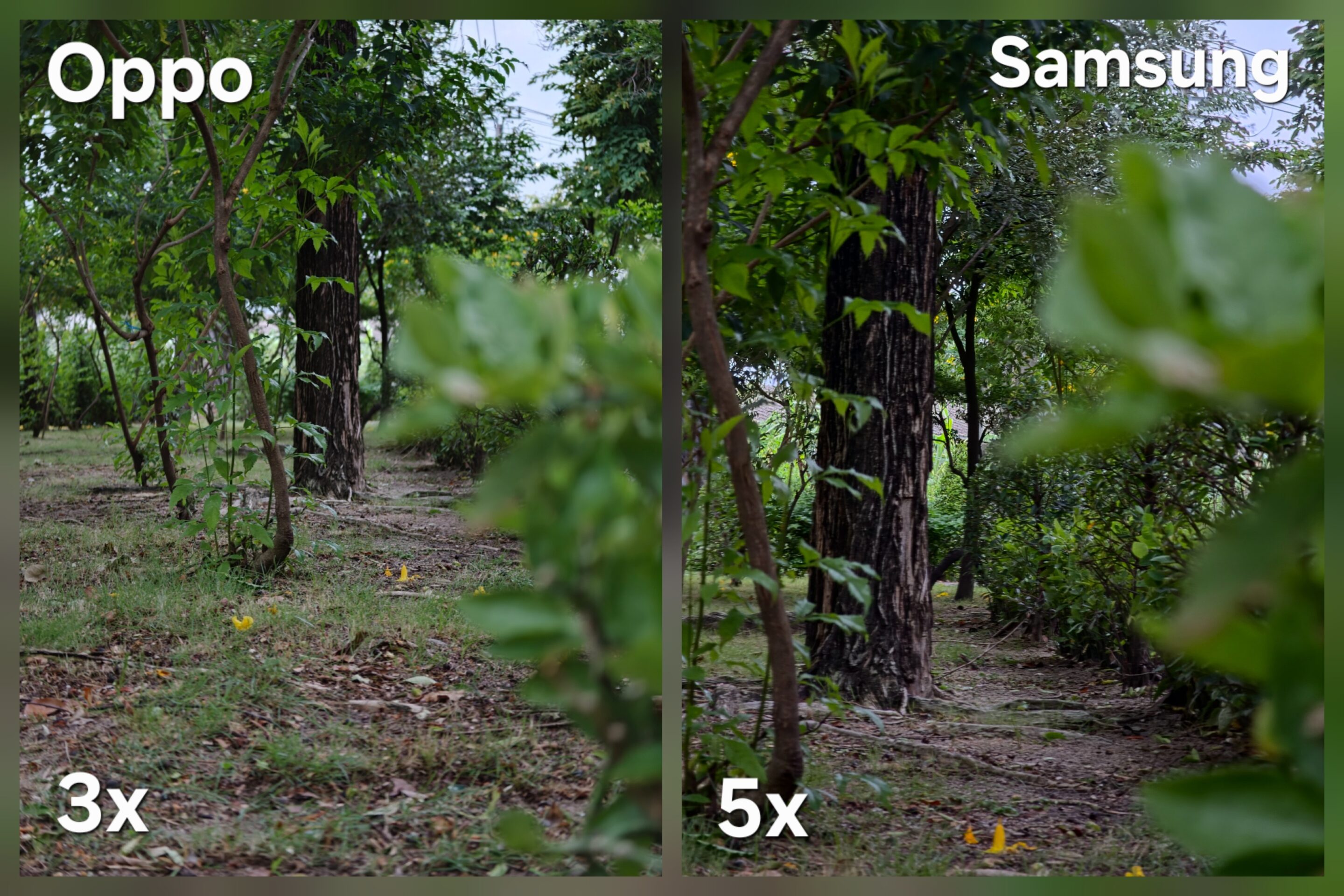
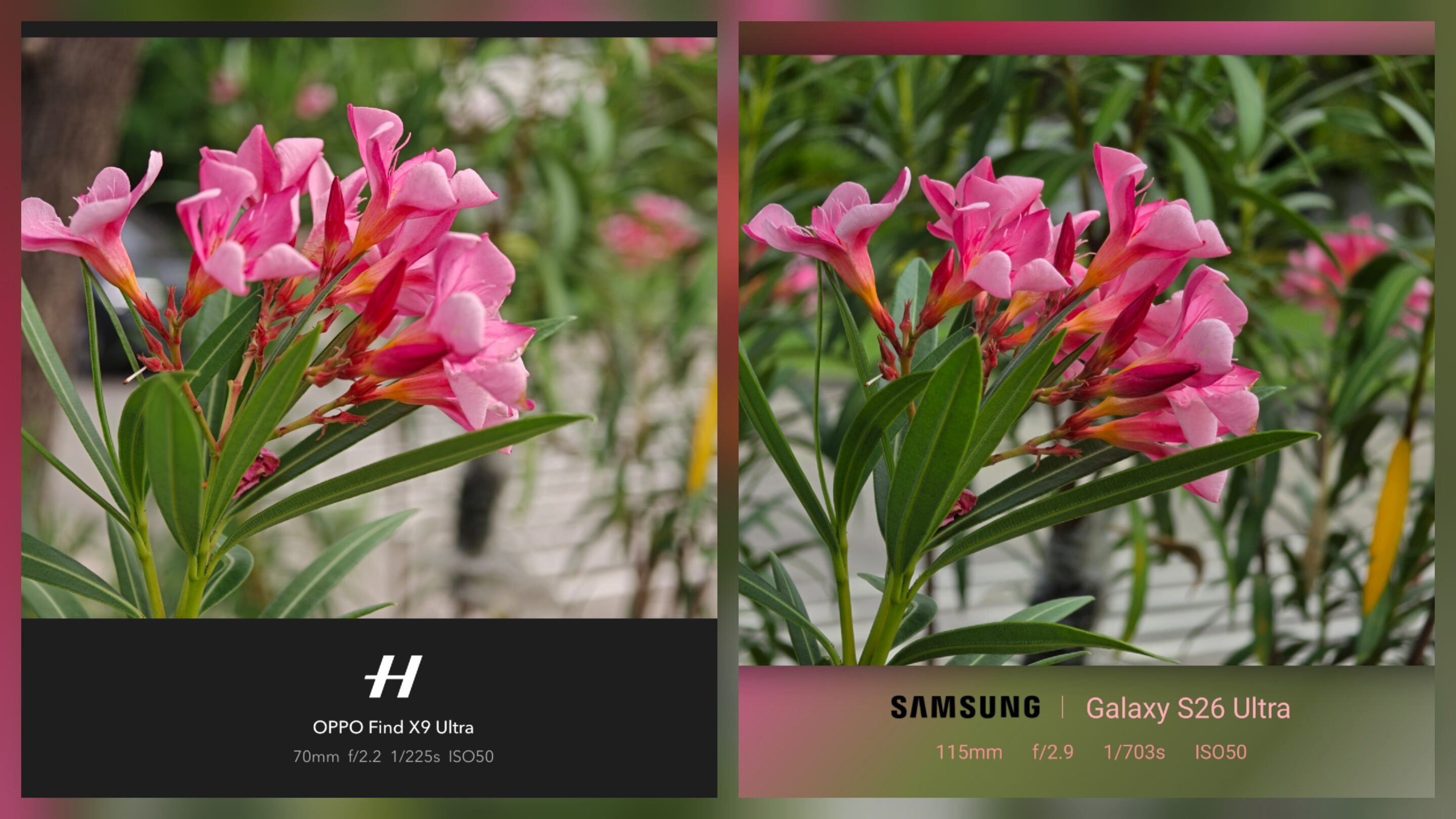
In that case, the significantly larger imaging format and entrance pupil become dominant contributors to shallower depth of field, outweighing the advantage of the longer focal length in many real-world scenarios.
The comparison highlights an important lesson. Sometimes, sensor size becomes the dominant factor. Sometimes, the focal length becomes the dominant factor. The strongest natural bokeh emerges from the balance of the complete optical system rather than any individual specification.
Optics first, processing second
Another misconception is that the stronger background separation from OPPO’s dedicated 10x camera is primarily generated by software.
Modern computational photography undoubtedly influences the final image through sharpening, denoising, local contrast adjustments, and image reconstruction. These processes can refine the appearance of already blurred regions, but they primarily enhance optical blur that already exists rather than creating it from nothing. The three-dimensional rendering begins with hardware, while software refines the final presentation.

Follow us on Google Discover & set us as a preferred source in Google News
Share this Post
___________________________


New Blog Posts
___________________________
Tired of Sharing Your Real Phone Number? Saily Has a Solution
Keep a primary number private while traveling and managing everyday online activities

Samsung Is Making AI-Powered Modular Homes
The house includes SmartThings-connected appliances

Google Tests Pinnable AI Mode Toolbar Button in Chrome
The feature is currently available in Chrome Canary