OPPO Find X9 Ultra vs Galaxy S26 Ultra: Why Does OPPO Shoot Darker Even at Higher ISO?
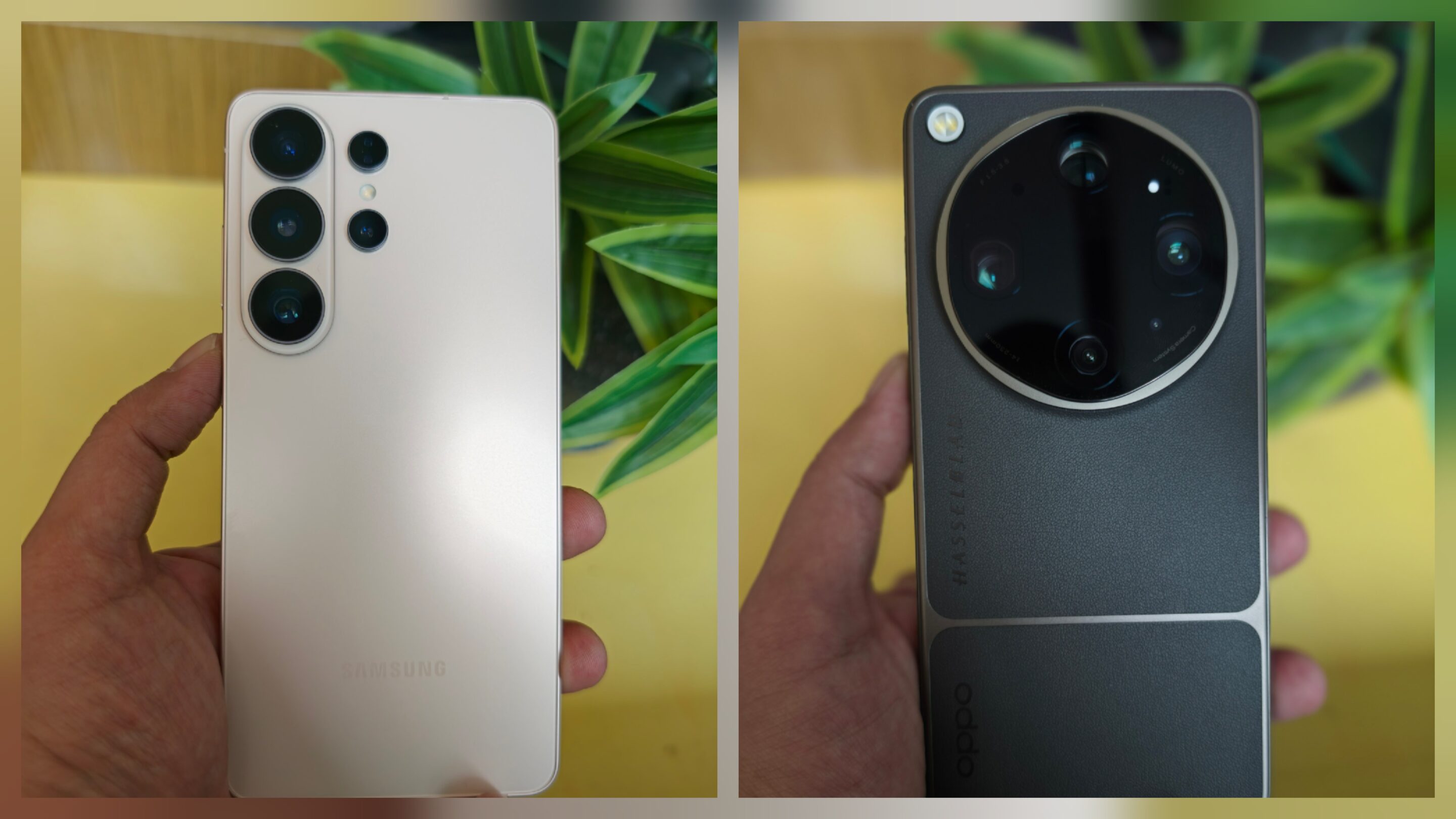
We recently saw that OPPO and Samsung take different approaches when it comes to the camera app. But what about the actual camera performance? We compared the Find X9 Ultra and Galaxy S26 Ultra, and it revealed one very strange behavior, especially once RAW photography and telephoto cameras enter the discussion.
For some reason, the Find X9 Ultra consistently produces darker images than the Galaxy S26 Ultra, even while using higher ISO values under similar lighting conditions. The behavior becomes even more confusing once both devices are locked to the exact same ISO and shutter speed. Despite OPPO using larger sensors across multiple lenses, the image still appears darker.
At first glance, that makes very little sense. But after deeper testing, this behavior may actually reveal something much bigger happening behind OPPO’s computational imaging pipeline.
Before going deeper, it is important to clarify that this is an analytical interpretation based on real-world testing and repeated imaging patterns, not confirmed internal engineering details from either company. The goal is to understand what this behavior may reveal about modern computational photography.
The darker behavior appears long before processing finishes
What makes this behavior fascinating is how consistently it appears across the entire camera system. The darker exposure is visible not only in JPEG processing, but also inside Master Mode RAW, RAW MAX, Auto mode, telephoto cameras, all lenses, and even the live viewfinder preview itself before the photo is captured.
That last part matters the most. Because if the preview already appears darker before capture, the behavior likely exists much earlier inside the imaging pipeline, not simply during final image rendering afterward. This may no longer be traditional exposure behavior alone. It may be computational exposure management happening live before the image is fully reconstructed.
The exposure numbers tell a strange story
During testing, the behavior became difficult to ignore. In all scenes, the Find X9 Ultra selected higher ISO values than Samsung while still producing a darker overall image. Even more interesting, once both phones were manually locked to the exact same shutter speed and ISO values, OPPO still remained darker.
OPPO Find X9 Ultra vs Galaxy S26 Ultra 👀
3X | RAW MAX 50MP vs Expert RAW 12MPFor some reason, the OPPO Find X9 Ultra in Master Mode RAW, RAW MAX, and even JPEG tends to produce darker results at lower ISO compared to the Galaxy S26 Ultra… despite the much larger sensor that… pic.twitter.com/mTX6lblFfr
— W (@Wvisioncreation) May 11, 2026
That is the biggest clue. Because physically, a larger sensor should not naturally behave this way under identical exposure settings across multiple lenses.
— W (@Wvisioncreation) May 11, 2026
This strongly suggests the difference is not coming from sensor hardware alone. Something inside OPPO’s imaging pipeline itself appears to be intentionally attenuating brightness before the final image is even rendered.
OPPO’s exposure behavior resembles a computational “digital ND” philosophy
Modern smartphone cameras no longer behave like traditional cameras, where the sensor simply captures light and outputs a clean RAW file afterward. Today’s flagship phones run multiple layers of computational analysis before the image fully exists. Exposure balancing, HDR mapping, frame stacking, temporal denoising, motion analysis, highlight protection, and AI reconstruction are all happening extremely early inside the pipeline.
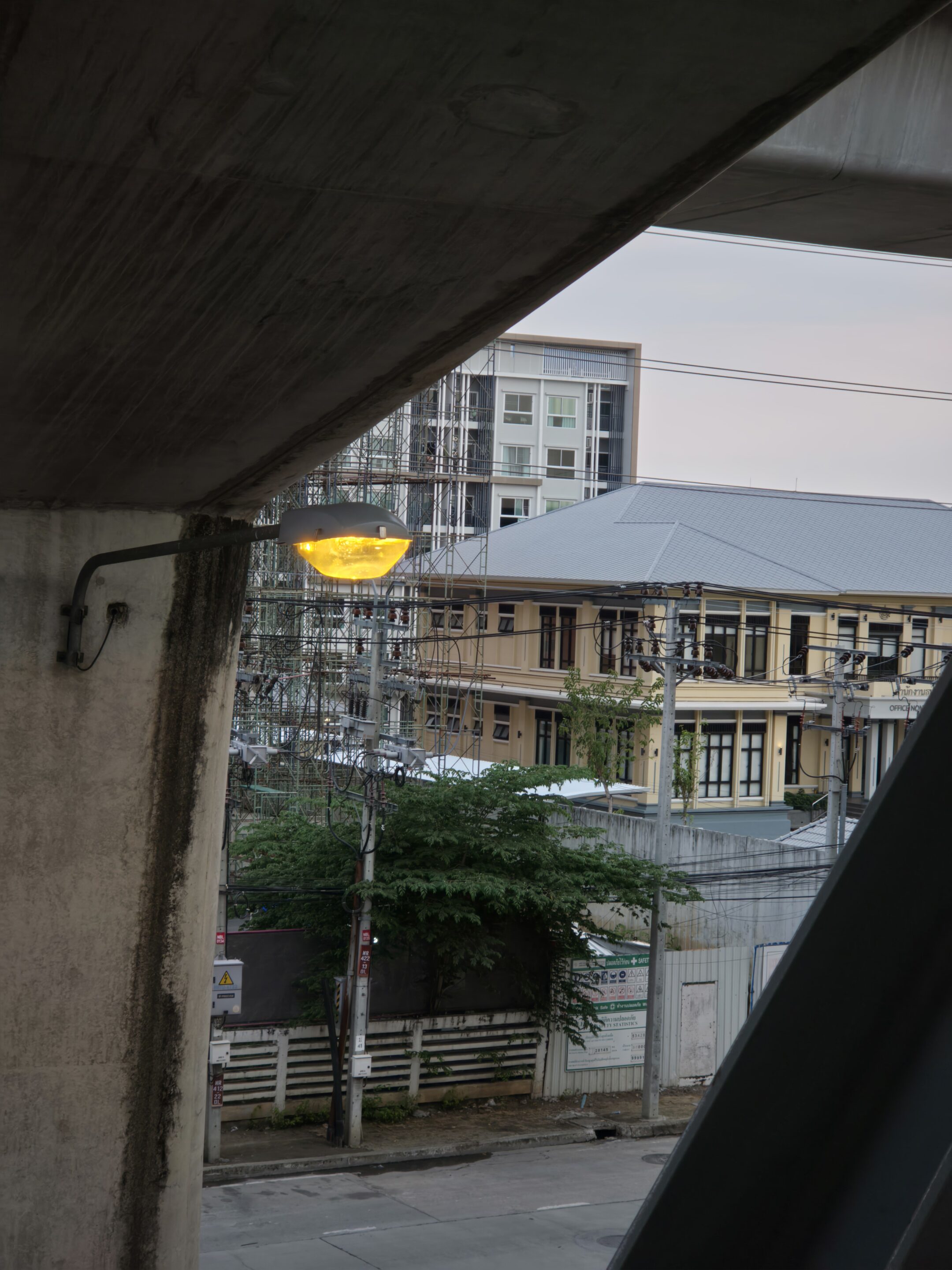
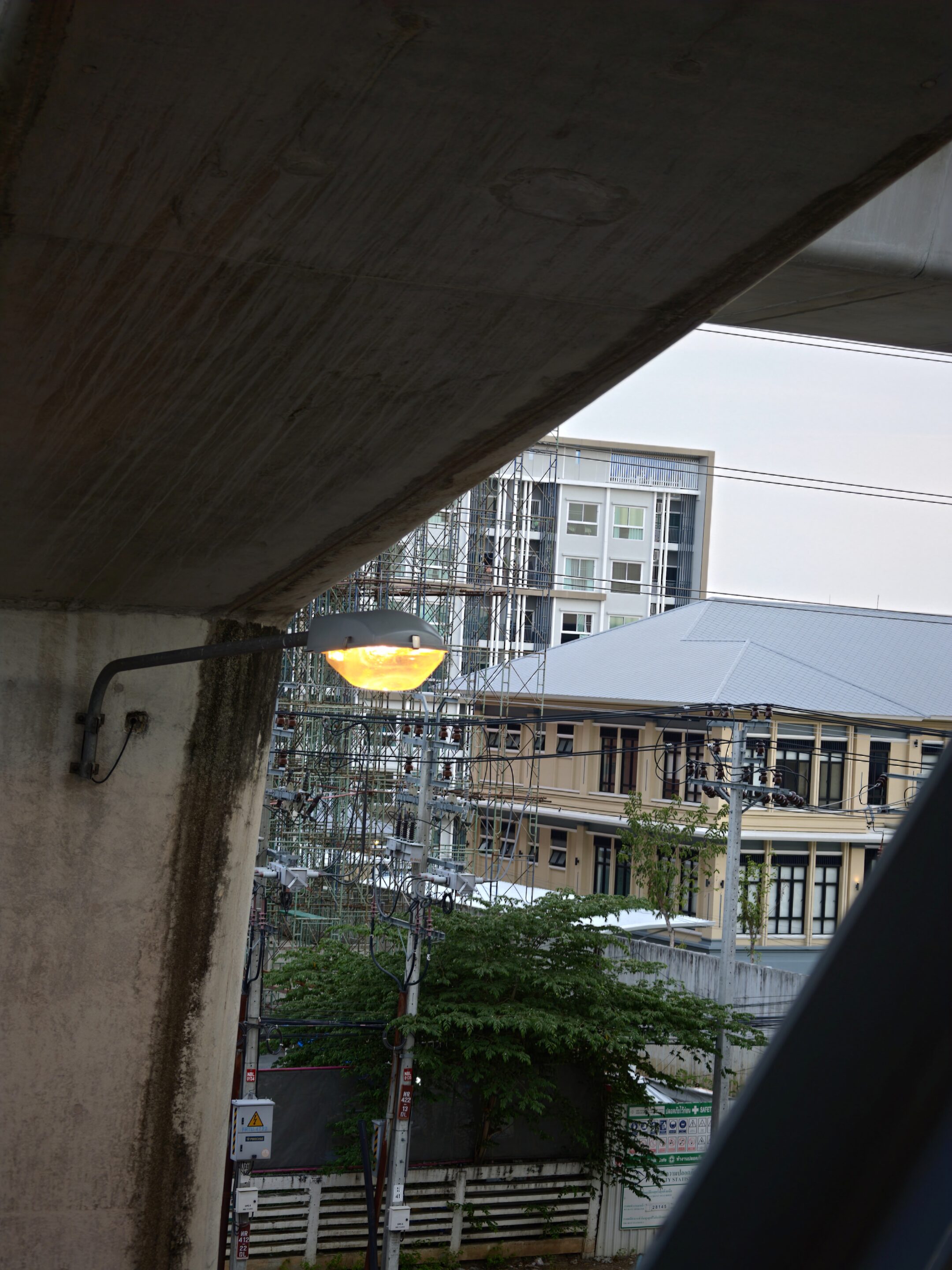
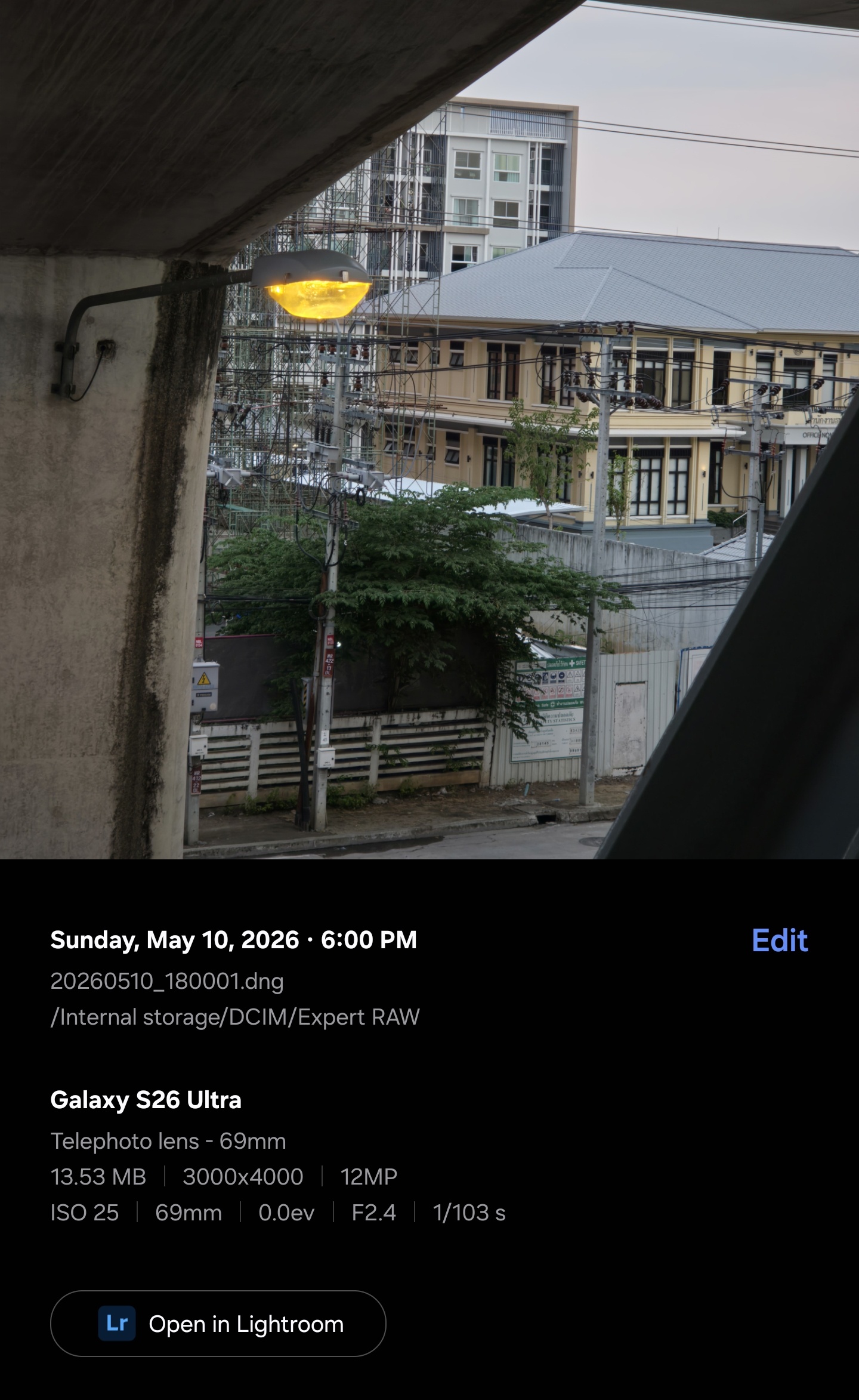
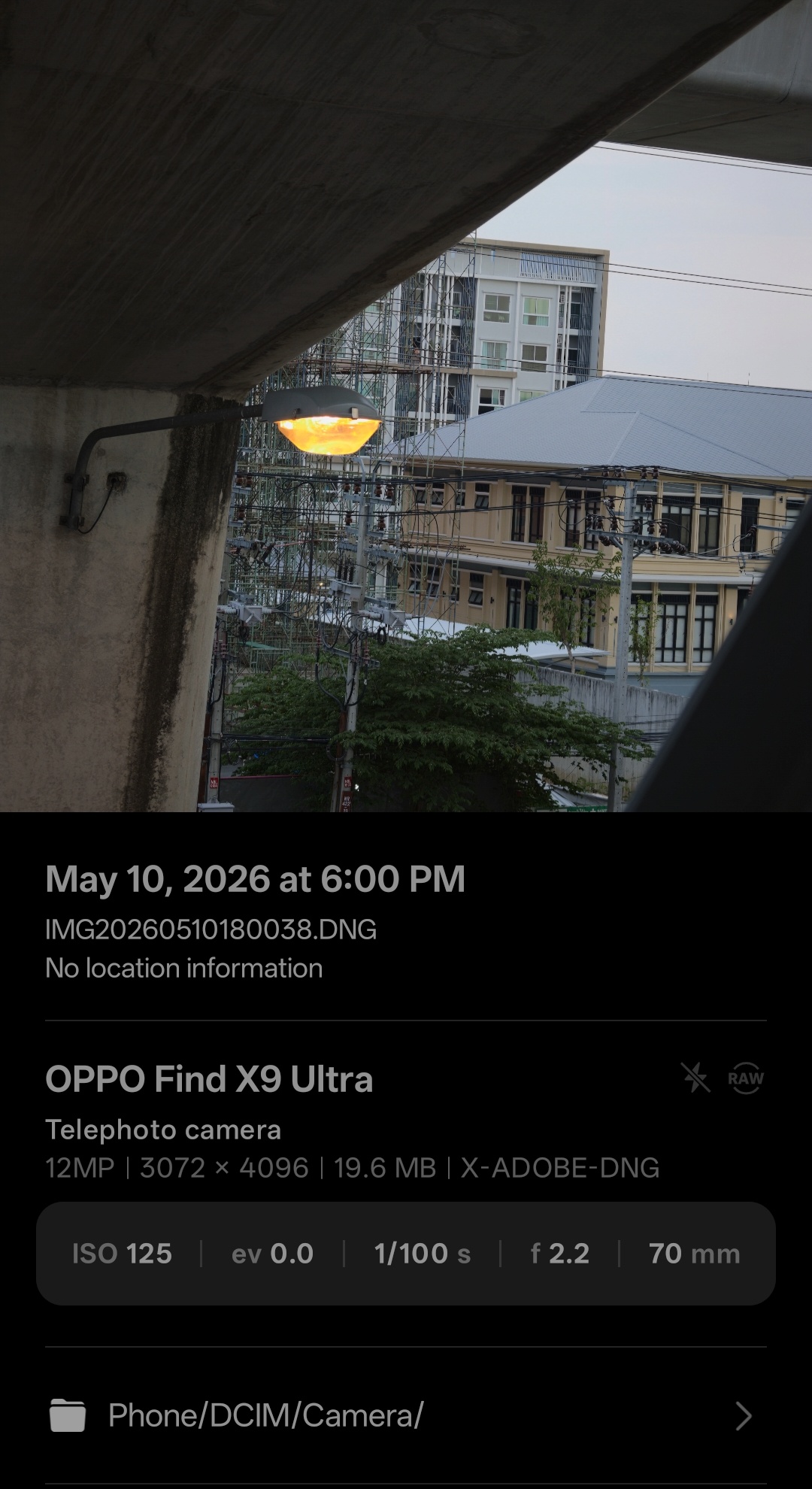
And OPPO increasingly behaves like it is applying a form of computational exposure attenuation before the final image reconstruction even begins.
Not a real ND filter, of course. But the behavior almost resembles a digital ND-style philosophy computationally—one seemingly designed to suppress brightness early in the pipeline to preserve cleaner reconstructable data afterward.
That may sound strange initially. But computational photography no longer prioritizes the same things traditional photography once did.
Why higher ISO and darker exposure can exist together
At first glance, darker exposure combined with higher ISO sounds completely contradictory. Traditionally, a higher ISO should increase visible noise and brighten the image more aggressively.
But smartphone computational photography changes the equation entirely. If the system intentionally protects highlights and slightly suppresses brightness early, it creates more room for the computational engine to rebuild shadows, stabilize stacked frames, reduce clipping, and maintain cleaner texture reconstruction later.
And part of the higher ISO behavior may also help computational responsiveness during multi-frame processing. Faster sensor readout. Shorter frame intervals. More stable frame alignment. Cleaner multi-frame stacking. Better motion consistency during reconstruction.
In other words, the camera may already be optimizing for the computational process itself before the user even presses the shutter.
Vivo shows similar behavior too
Interestingly, OPPO may not be alone here. The Vivo X200 Ultra shows very similar behavior during real-world testing, especially on telephoto cameras. Vivo also tends to push higher ISO values while maintaining darker exposure behavior compared to Samsung under similar lighting conditions.
Frank, can you correct me if I’m wrong?
In that shot, the #VivoX200Pro used an unusually higher ISO compared to the other devices. Despite the higher ISO, it looks cleaner with no noise and natural details, but it’s a little soft, right?
Using an unusually higher ISO in auto… https://t.co/SPzykeEVYY pic.twitter.com/ooEKzrEl3D
— W (@Wvisioncreation) December 10, 2024
That similarity matters. Because it suggests this may not be an isolated OPPO issue, but part of a broader computational imaging philosophy increasingly used by some Chinese smartphone brands.
#VivoX200Pro 20x Zoom #VivoX200Pro delivers the best telephoto performance on the market. Vivo seems to have applied a “magic filter” to keep shots noise-free, even at higher ISO levels, avoiding the usual oversharpening. Interestingly, it feels similar to the digital ND trick… pic.twitter.com/3BolI5QNSp
— W (@Wvisioncreation) December 7, 2024
The priority no longer seems to be immediate brightness. The priority becomes reconstructable image data. And honestly, that explains why these systems can simultaneously look darker, cleaner, smoother, more HDR-controlled, and more processed, while still maintaining surprisingly strong detail.
#VivoX200Pro 10x Zoom Auto
ISO 1960, 1/20s , Noise free , remind you of something?!
Photographer @Fujiwar79319671#ShotOnVivo #Vivo pic.twitter.com/5SJG6DRbnX
— W (@Wvisioncreation) December 7, 2024
Samsung appears to use a softer version of the same philosophy
What makes Samsung interesting here is that the Galaxy S26 Ultra appears to use a similar computational direction, but much less aggressively.
Samsung still relies heavily on computational photography, especially inside Expert RAW and low-light processing. HDR balancing, frame stacking, and advanced denoising are all clearly happening behind the scenes.
But Samsung behaves more conservatively. The exposure pipeline remains brighter. ISO behavior stays lower more often. The preview feels closer to a traditional camera, and the final result appears more immediate during capture itself. That softer computational balance likely explains why Samsung can maintain good noise control while still avoiding the darker exposure behavior seen on OPPO and Vivo devices.
The larger sensor may not be the real story anymore
On paper, larger sensors should naturally create brighter, cleaner, lower-noise images. And physically, they still help enormously. But once computational imaging becomes aggressive enough, the sensor itself stops being the only thing controlling the final image behavior.
The pipeline starts taking over. That means a larger sensor can still produce darker results if the computational system intentionally suppresses brightness early, protects highlights aggressively, reserves tonal headroom, and prioritizes frame stacking stability before reconstruction begins.
That may be exactly what OPPO is doing. Not because the hardware cannot gather enough light. But because the software no longer wants immediate brightness to be the priority.
That is also why larger sensors become extremely important for this kind of computational philosophy. Without larger sensors gathering more usable data underneath the darker exposure behavior, these aggressive reconstruction systems would struggle much more to maintain detail, texture quality, and cleaner noise control afterward.
In many ways, the larger sensor is no longer just improving the image directly. It is feeding the computational engine more recoverable information to work with later. The most interesting part about this behavior is that it reveals how different smartphone photography has become from traditional photography itself.

Follow us on Google Discover & set us as a preferred source in Google News
Share this Post
___________________________


New Blog Posts
___________________________

Samsung’s Shipbuilding Arm Pushes Floating Data Centers for AI Boom
Samsung is building ships designed to run AI data centers

World Cup 2026 Could Decide Samsung vs Hisense MiniLED Battle: Counterpoint
Samsung leads MiniLED race, but World Cup may flip it, says Counterpoint
Galaxy S25 FE Drops to $449 in Solid 31% Discount Deal
Galaxy S25 FE gets a nice price cut to $449