Samsung Introduces Paid SmartThings APIs to Fund Future Smart Home Growth
SammyGuru is reader-supported. We have affiliate and sponsored partnerships, so we may earn a commission when you buy through links on our site — at no extra cost to you. Learn more.
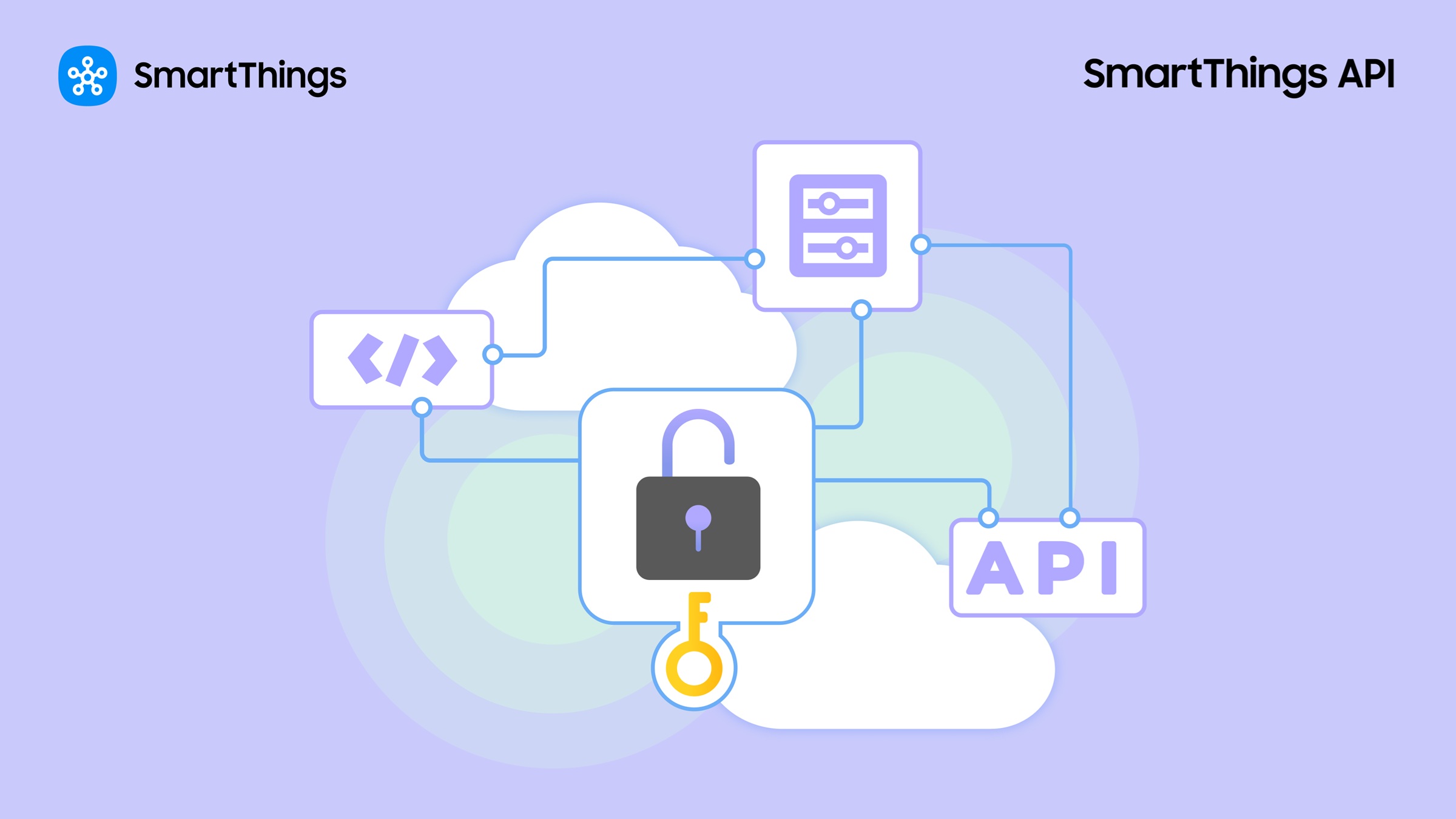
Samsung has announced that SmartThings API access will no longer be free. Starting in October 2026, the company will introduce paid subscription tiers for developers, marking a significant shift for its smart home platform. Although the change won’t directly impact consumers using SmartThings-powered products or services, it could reshape the ecosystem for third-party apps and automation tools.
SmartThings API will cost $5 per month for individual developers
With over 460 million users, SmartThings is one of the most popular home automation platforms. Samsung has so far kept access to SmartThings API free, but that’ll change later this year. Starting in October, individual developers using the platform for non-commercial projects will need to pay $5 per month. Samsung has also outlined paid plans for commercial partners, with the exact pricing depending on usage and business requirements.
According to the company, the new pricing structure will allow it to invest more heavily in the SmartThings platform, particularly in enterprise-grade infrastructure and developer tools. The additional revenue will help support improved reliability, larger-scale deployments, and new capabilities that partners have been requesting. Samsung says it’s working on additional integrations and other changes to support developers,
The added cost only applies to developers and businesses that build services on top of SmartThings, not people who simply use the app to control their smart home devices. However, the change could still influence the SmartThings ecosystem over time. Smaller independent developers may decide the subscription fee isn’t worthwhile for hobby projects or niche integrations. That could result in some community-built SmartThings tools becoming paid, receiving fewer updates, or disappearing altogether.
Nonetheless, the API changes hint at Samsung’s broader ambitions for SmartThings beyond consumer smart homes. The company sees the platform playing a larger role in industries such as energy management, home security, hospitality, insurance, and senior care. A structured paid API gives Samsung a more sustainable way to support businesses building large-scale services on top of SmartThings.

Written by
Sumit AdhikariSumit, a life-long Samsung user, is passionate about technology and has been professionally writing on tech since 2017. He’s a mathematics graduate by education and enjoys teaching basic mathematics tricks to school kids in his spare time. Sumit believes in artificial intelligence and dreams of a fully open, intelligent and connected world.

Follow us on Google Discover & set us as a preferred source in Google News
Share this Post
___________________________


New Blog Posts
___________________________

Samsung Invests $110 Million in the Future of Cancer Detection
Samsung invests in GRAIL to support Galleri cancer test expansion
Gemini Now Lets You Find and Install Google Play Apps
The new capability is available for free for all eligible users
Galaxy Z Flip 8 May Ditch 25W Charging, Brightness Boost Rumored for Fold 8 Ultra
New Galaxy Z Fold 8 Ultra and Flip 8 leaks are quite promising