Samsung says Foundry May Not Turn Profitable Before 2028
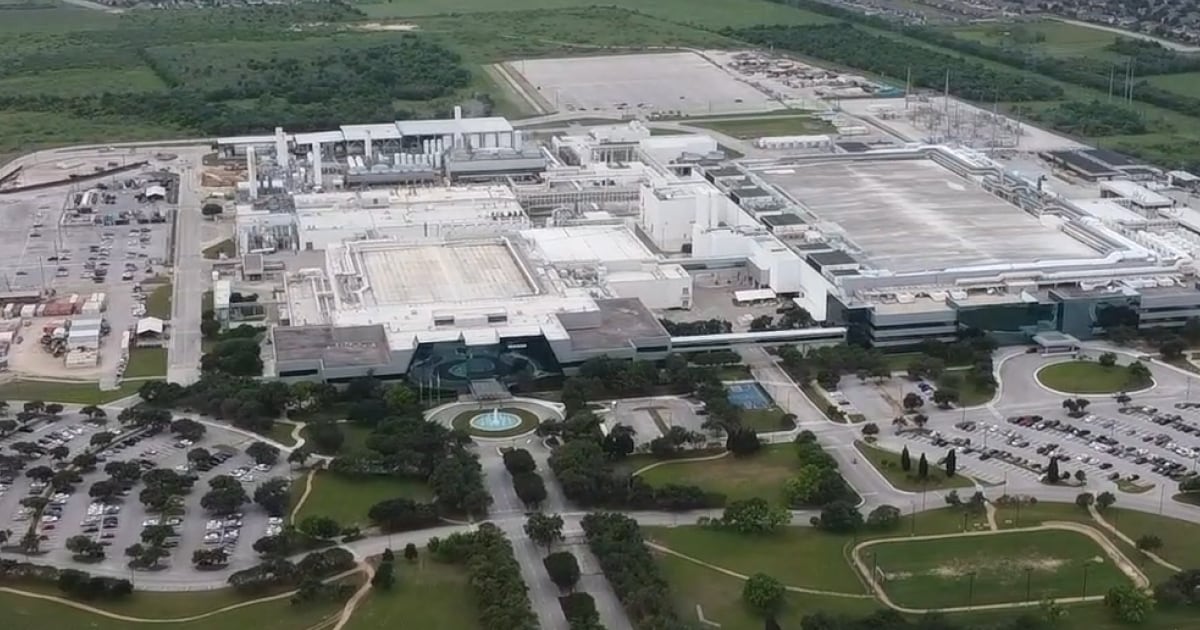
Samsung’s foundry business is still facing an uphill climb, and the road ahead looks longer than many expected. The company has been trying to close the gap with rivals, but progress has been slower than hoped. Now, fresh comments from leadership give a clearer picture of what’s really going on behind the scenes.
Samsung foundry boss says recovery will take time
Han Jin-man, President and Head of the Foundry Business, recently said that turning the division profitable even next year won’t be easy. He added that 2028 is a more realistic target. His remarks came during a management briefing where he shared updates and future plans with employees (via Business Korea).
Industry estimates suggest Samsung’s non-memory divisions, including foundry and System LSI, could reduce losses this year to around 2 to 3 trillion won. Some had hoped for a break-even point as early as next year, but the company appears to be taking a conservative view internally.
Cost pressures are a major factor. A newly introduced performance bonus system, tied to semiconductor division results, is expected to weigh on margins. While it may help retain talent, it adds another layer of financial strain during an already difficult period.
Then, there are also structural challenges. The business remains heavily dependent on mobile-related demand, while issues around process maturity and low-margin orders continue to hurt profitability. Legacy node strategy hasn’t helped much either, leaving gaps in operational efficiency.
Samsung is now looking to reset its approach. The focus is shifting toward strengthening advanced nodes while building a more stable base for mature processes. Interestingly, its profitable 8-inch segment could be phased out over time as competition intensifies in that space.
On the positive side, the company is making progress in securing higher-quality clients. Its upcoming 2nm facility in Taylor, Texas is expected to begin initial operations later this year, with mass production planned for next year. Partnerships with major players like Tesla and others could help improve long-term prospects.

Follow us on Google Discover & set us as a preferred source in Google News
Share this Post
___________________________


New Blog Posts
___________________________
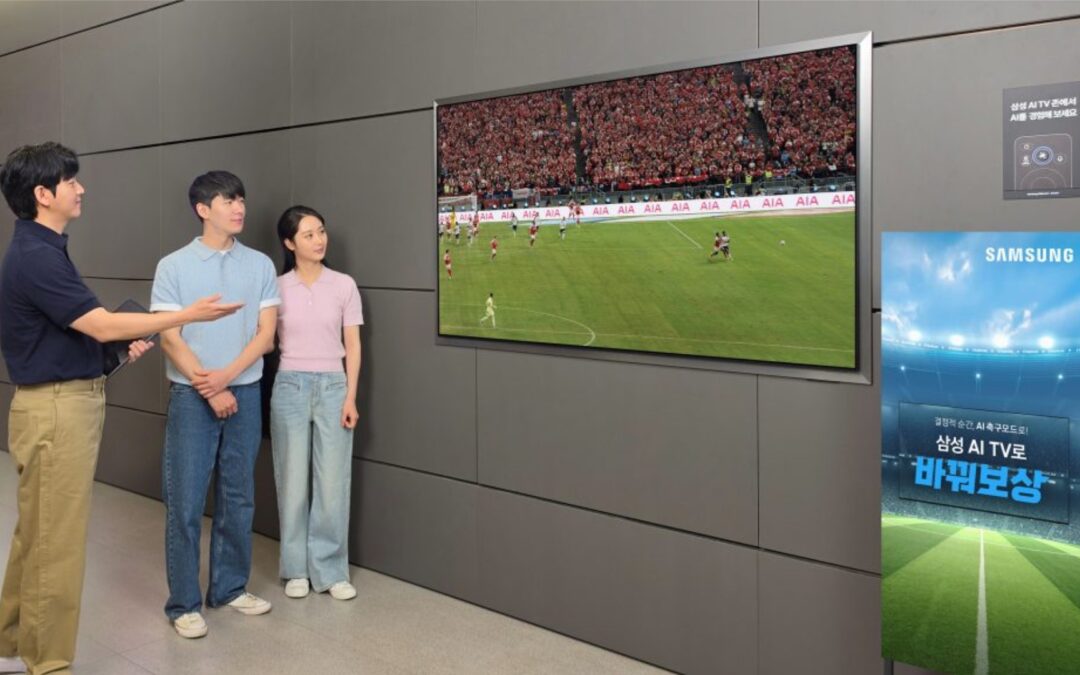
World Cup 2026 Could Decide Samsung vs Hisense MiniLED Battle: Counterpoint
Samsung leads MiniLED race, but World Cup may flip it, says Counterpoint
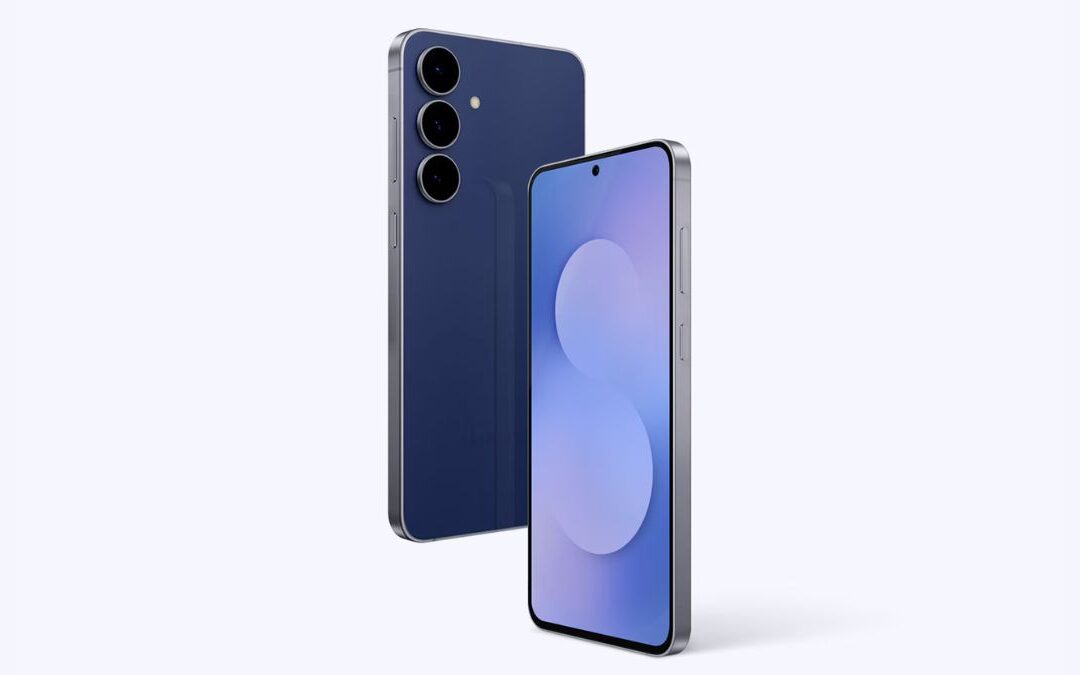
Galaxy S25 FE Drops to $449 in Solid 31% Discount Deal
Galaxy S25 FE gets a nice price cut to $449
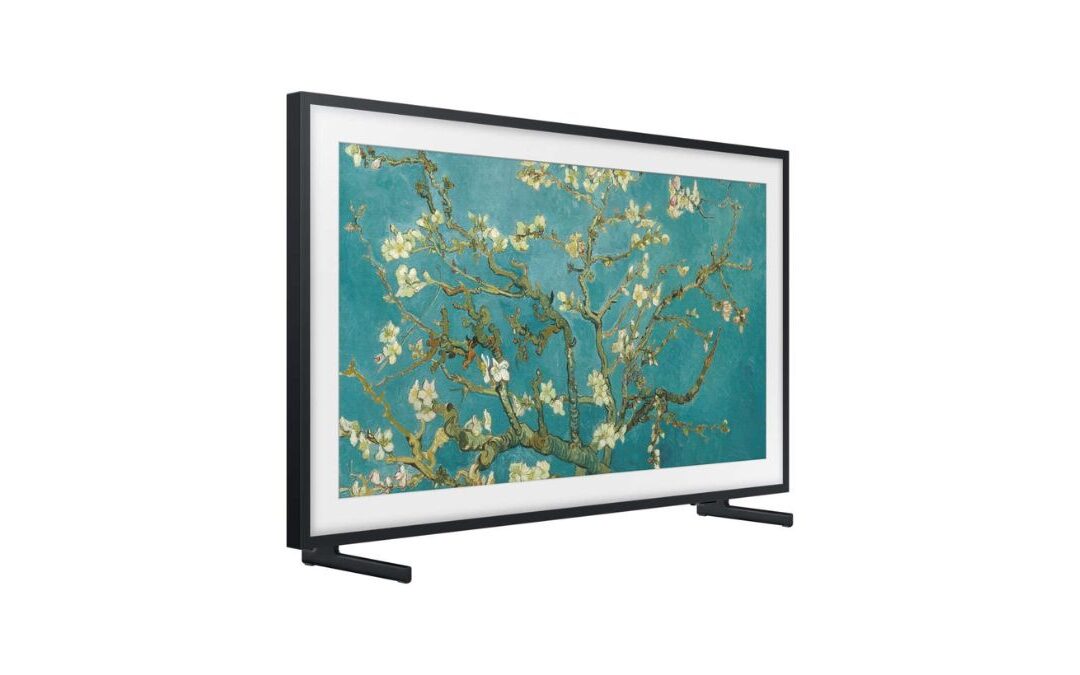
Samsung’s 32-Inch The Frame TV Drops to $397.99 With 33% Off
Samsung The Frame TV deal drops 32-inch model to $397.99