Galaxy S26 Ultra vs OPPO Find X9 Ultra Special Modes: Two Different Visions of Creativity
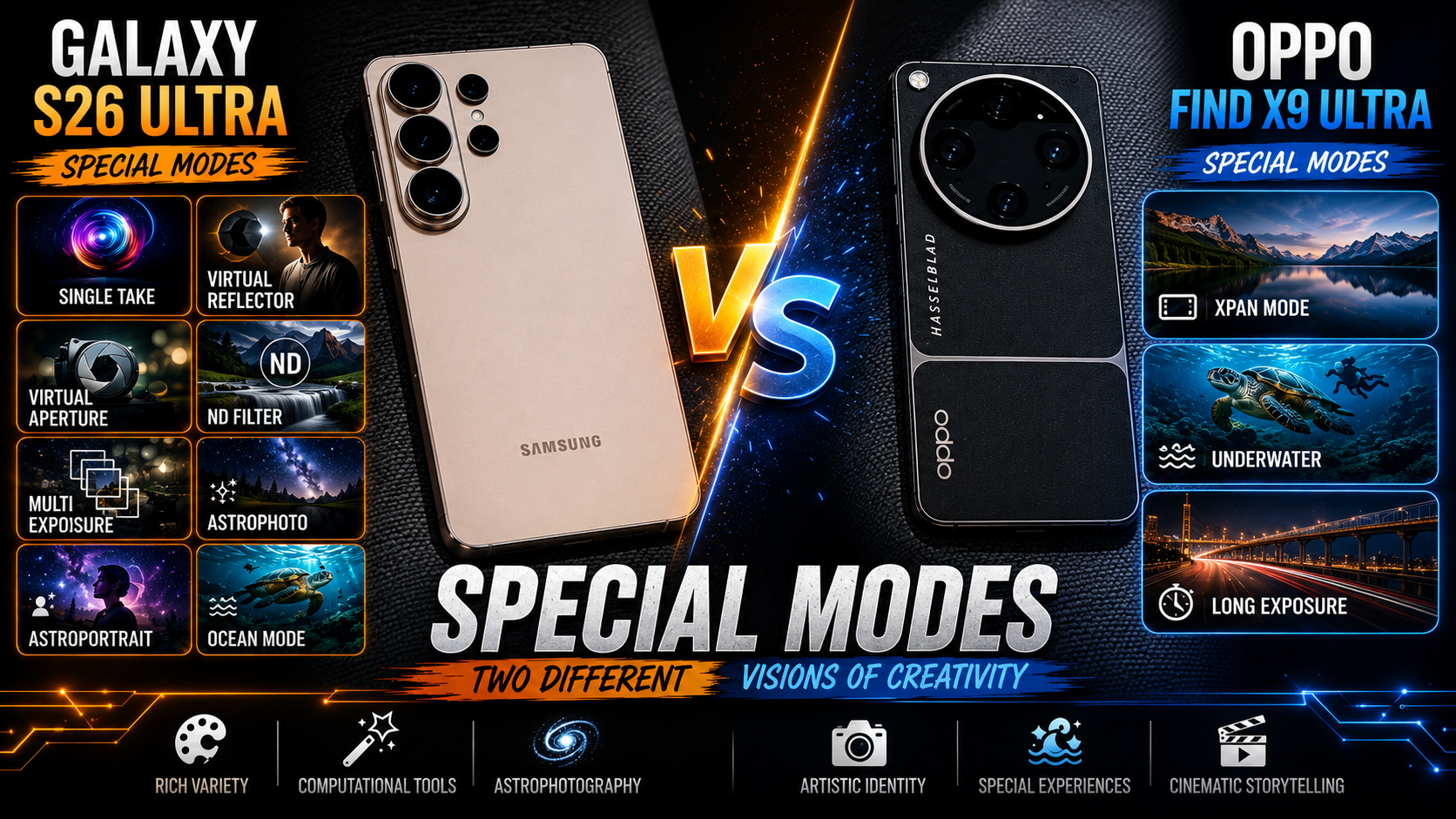
Samsung’s Galaxy S26 Ultra and OPPO’s Find X9 Ultra are two of the most capable smartphone cameras in today’s market. In our evaluation so far, neither has taken a definitive lead in camera performance yet. Today, we dive into various “Special Modes” that each phone offers through the stock camera app. This goes beyond Auto mode and RAW photography, and into creative tools that add to the overall experience.
Special shooting modes may not be used every day, but they often reveal how each company believes photography should evolve. They represent a philosophy of image creation rather than simple image capture, allowing smartphones to move beyond traditional point-and-shoot behavior.
Before comparing the exclusive features, however, it is worth noting that both devices already include many of the camera modes flagship users expect. Night Mode, Panorama, Burst Shot, Underwater, Long Exposure, and time-based creative shooting options are available on both platforms, providing a familiar foundation for everyday photography. Long Exposure also exists on both devices but follows different implementation philosophies and deserves its own dedicated comparison later in this series.
This article instead focuses on the unique creative tools that truly separate Samsung and OPPO.
Two Different Camera Philosophies
Samsung approaches photography by offering users as many creative possibilities as possible. Rather than relying on one signature feature, the Galaxy S26 Ultra builds an ecosystem of specialized shooting modes that target different scenarios, from computational lighting and astrophotography to AI-assisted image creation.
OPPO takes a different approach. Instead of maximizing quantity, the Find X9 Ultra emphasizes distinctive photographic experiences inspired by classic camera systems and traditional photography culture. Its special modes are fewer in number, but they often feel intentionally designed around artistic expression rather than technical experimentation.
Neither philosophy is wrong. They simply prioritize different kinds of photographers.
Samsung’s Creative Ecosystem
Samsung currently offers one of the richest collections of special camera modes available on any flagship smartphone. Single Take remains one of Samsung’s most distinctive features. By capturing multiple photos and videos simultaneously from a single shutter press, the camera automatically generates a variety of outputs, including different crops, filters, highlight videos, boomerang-style clips, rewind and fast-forward effects, and alternative compositions.
The goal is to allow users to enjoy the moment without worrying about framing decisions or choosing the perfect capture mode beforehand. Just as importantly, Single Take supports Samsung’s ultra-wide, 1x, 3x, and 5x cameras, giving users access to the feature across the entire optical camera system rather than limiting it to a single focal length.
Expert RAW expands creativity even further through features such as Virtual Reflector, Virtual Aperture, ND Filter, Multi Exposure, Astrophoto, Astroportrait, and Ocean Mode. Some simulate professional lighting equipment. Others recreate long-exposure techniques or astrophotography workflows that would traditionally require dedicated cameras and accessories.
The sheer variety is impressive. For the diversity of creative tools, the point goes to Samsung.
OPPO’s Signature Identity: XPAN Mode
If Samsung’s philosophy is versatility, OPPO’s philosophy is identity. The best example is XPAN Mode.
-

- Oplus_1048576
-

- Oplus_1048576
-

- Oplus_1048576
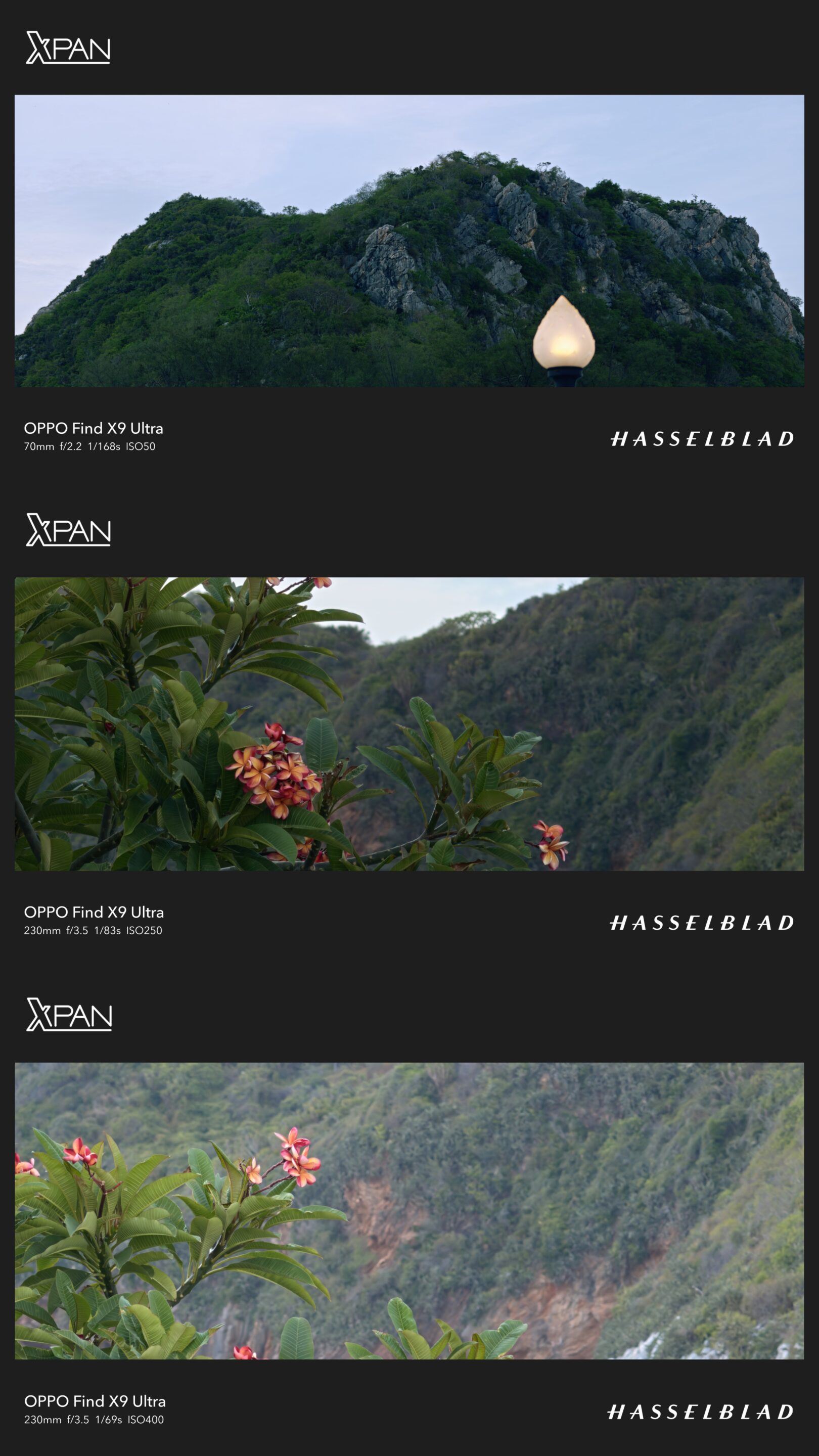
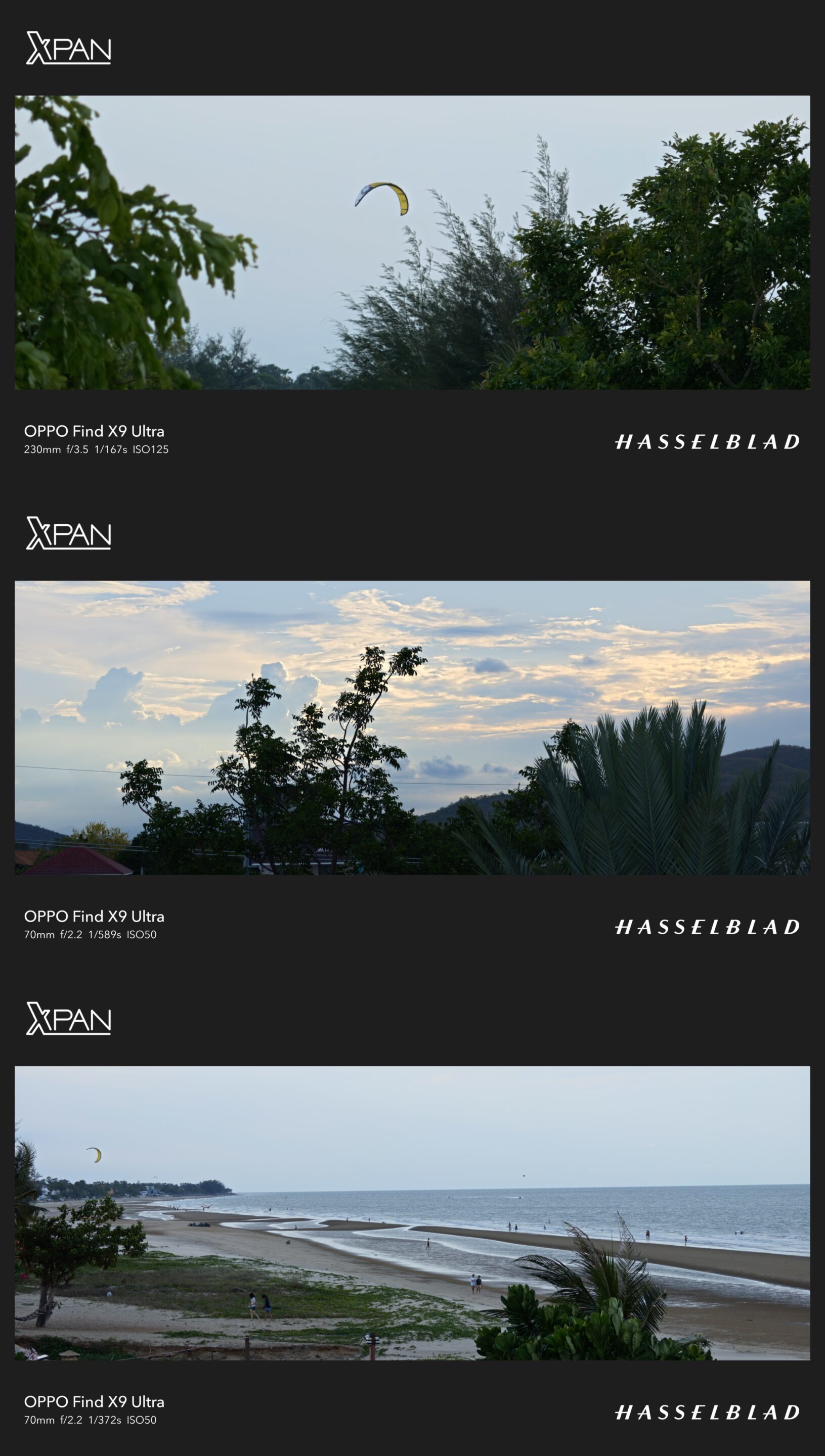
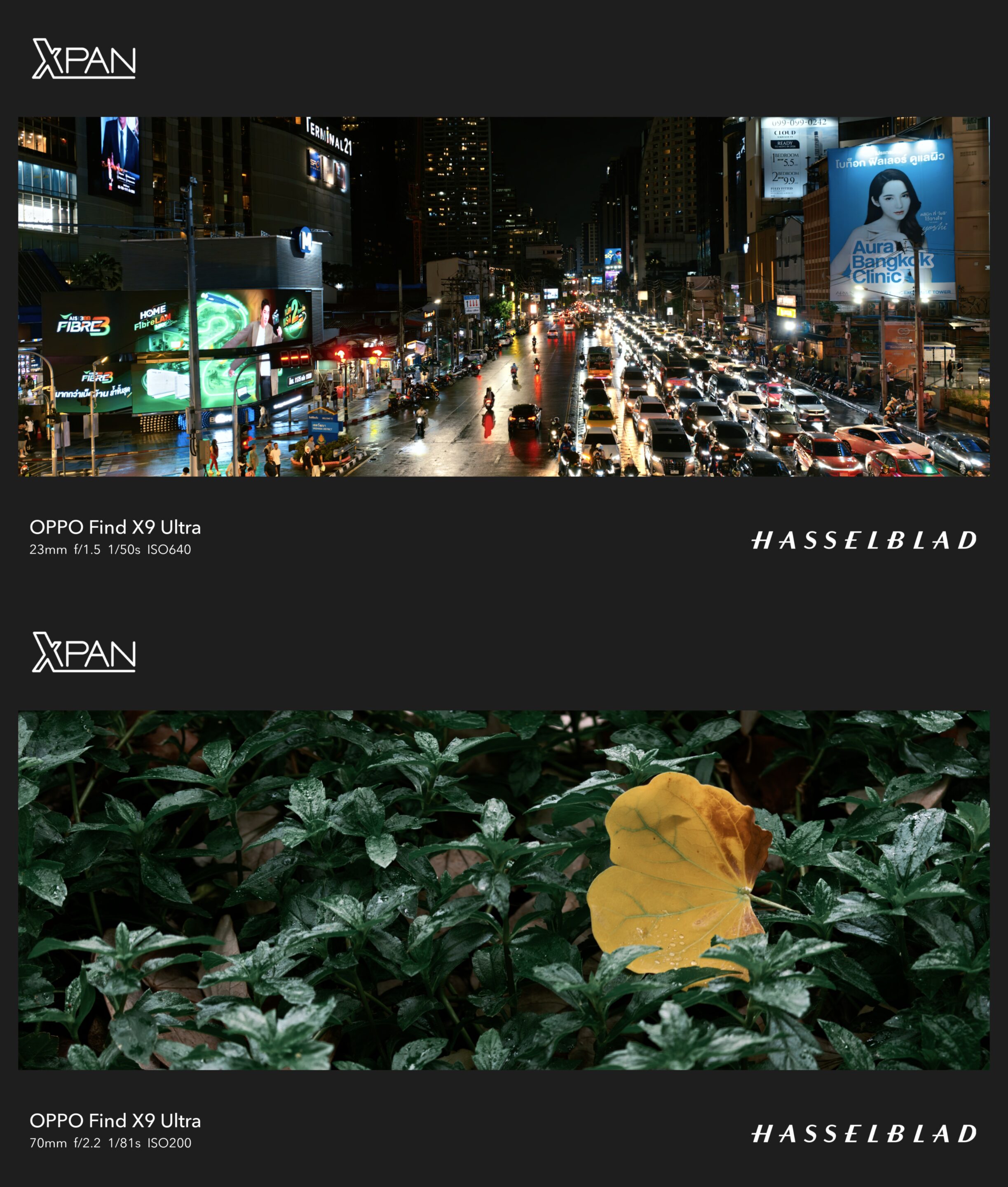
Unlike ordinary panoramic photography, XPAN is inspired by the legendary Hasselblad XPAN film camera introduced in the late 1990s. The original camera became famous for producing ultra-wide panoramic photographs on standard 35mm film while maintaining exceptional image quality and cinematic composition.
Rather than simply stretching the frame, XPAN encouraged photographers to rethink composition itself. OPPO recreates that philosophy digitally. The camera applies dedicated Hasselblad-inspired processing while producing an immersive panoramic aspect ratio that immediately stands apart from conventional smartphone photography. The resulting images feel cinematic, deliberate, and remarkably different from standard mobile photos.
The experience is not simply about shooting wider. It is about seeing differently.
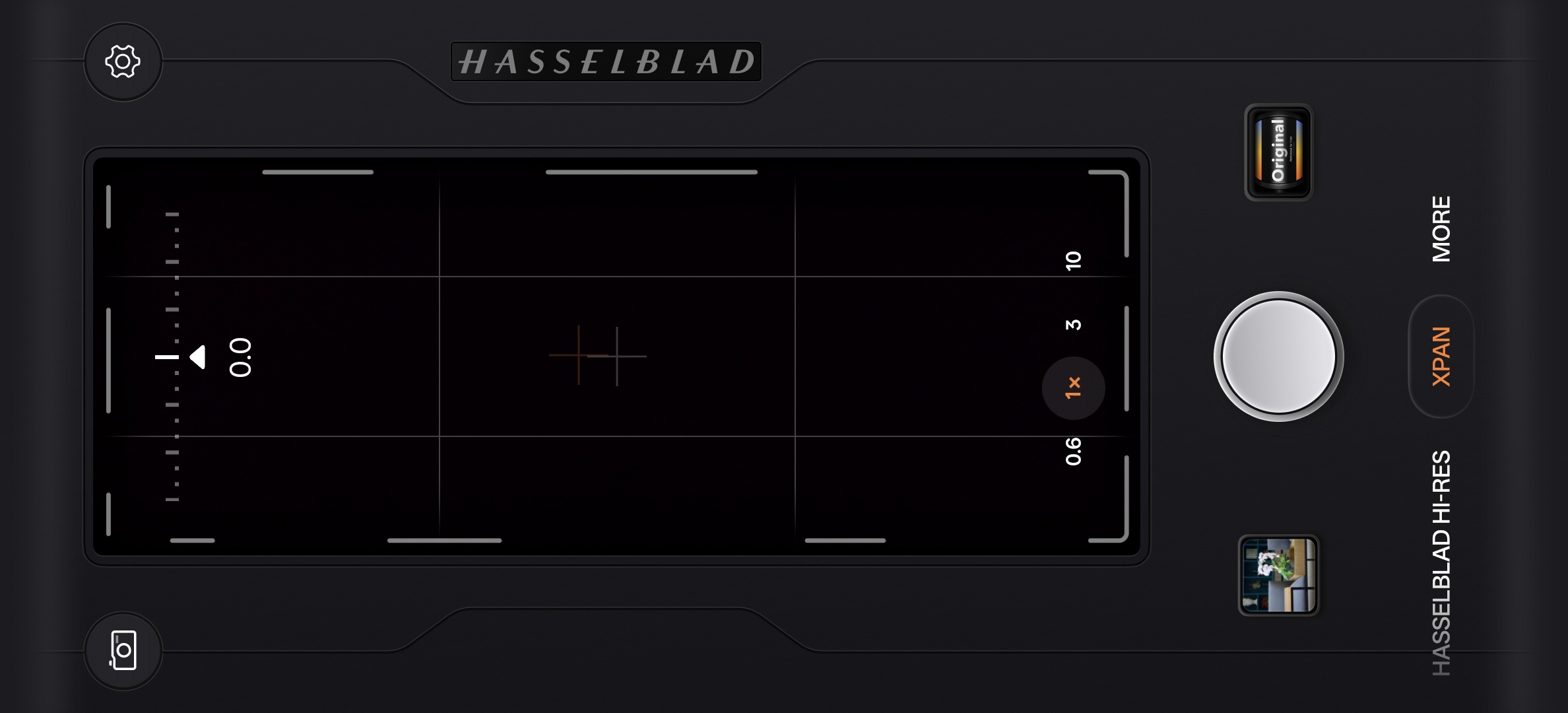
XPAN also supports Ultra-Wide, 1x, 3x, and 10x cameras, allowing photographers to maintain its unique visual style across a much broader range of focal lengths than many specialty shooting modes. That flexibility encourages experimentation while preserving a consistent photographic identity throughout the zoom range.
There are limitations, though. Many social media platforms, including Instagram, still do not fully support XPAN’s panoramic aspect ratio, often forcing crops that reduce its intended visual impact. Even so, XPAN remains one of the most distinctive creative experiences available on a smartphone today.
For artistic identity and photographic storytelling, the point goes to OPPO.
Virtual Reflector: Computational Photography That Feels Invisible
Samsung responds with one of its most underrated computational photography features: Virtual Reflector.
Rather than changing framing or perspective, Virtual Reflector intelligently simulates the effect of professional light reflectors by redistributing illumination across the subject. The result is softer shadows, improved facial balance, and more even lighting without requiring any physical equipment.
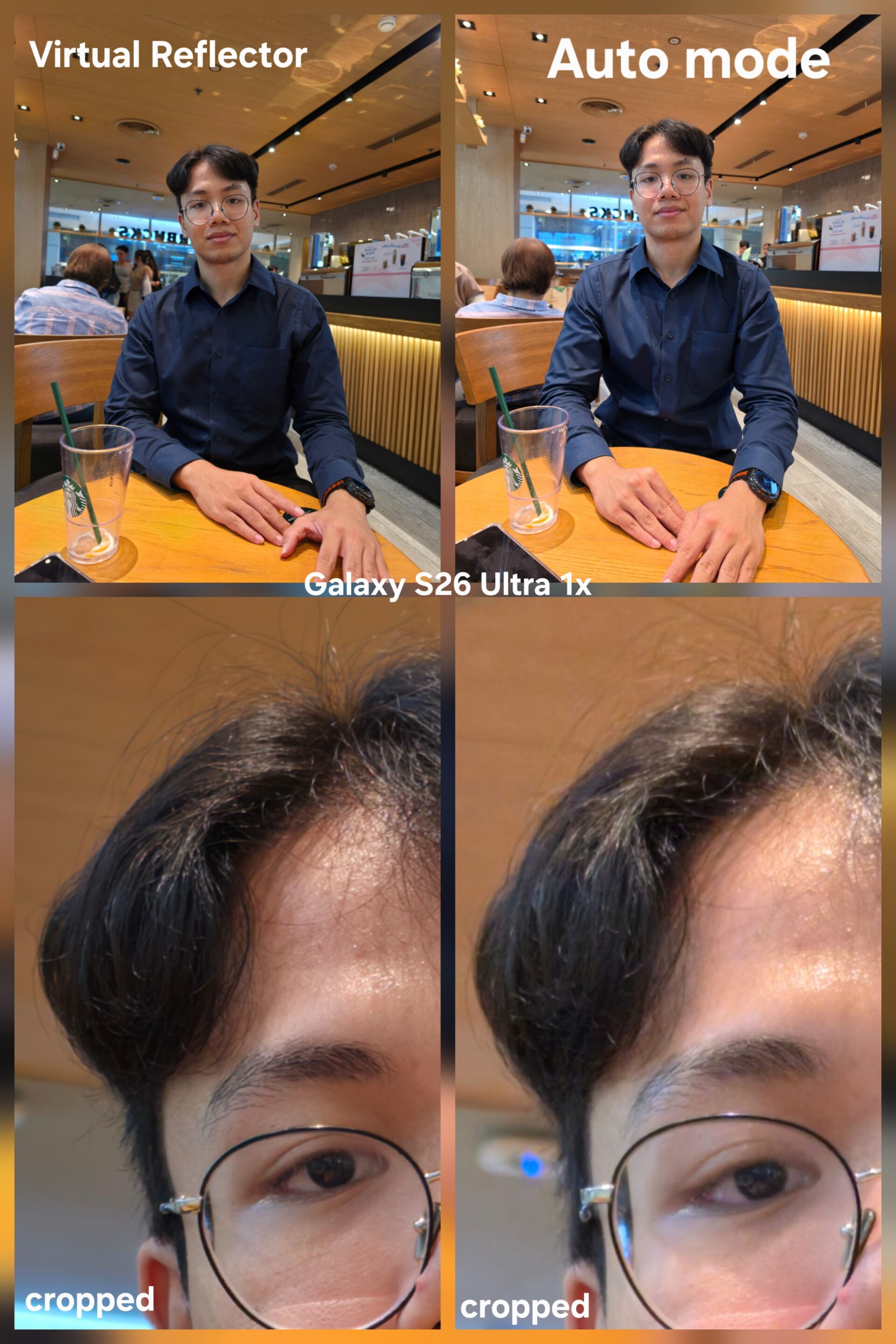
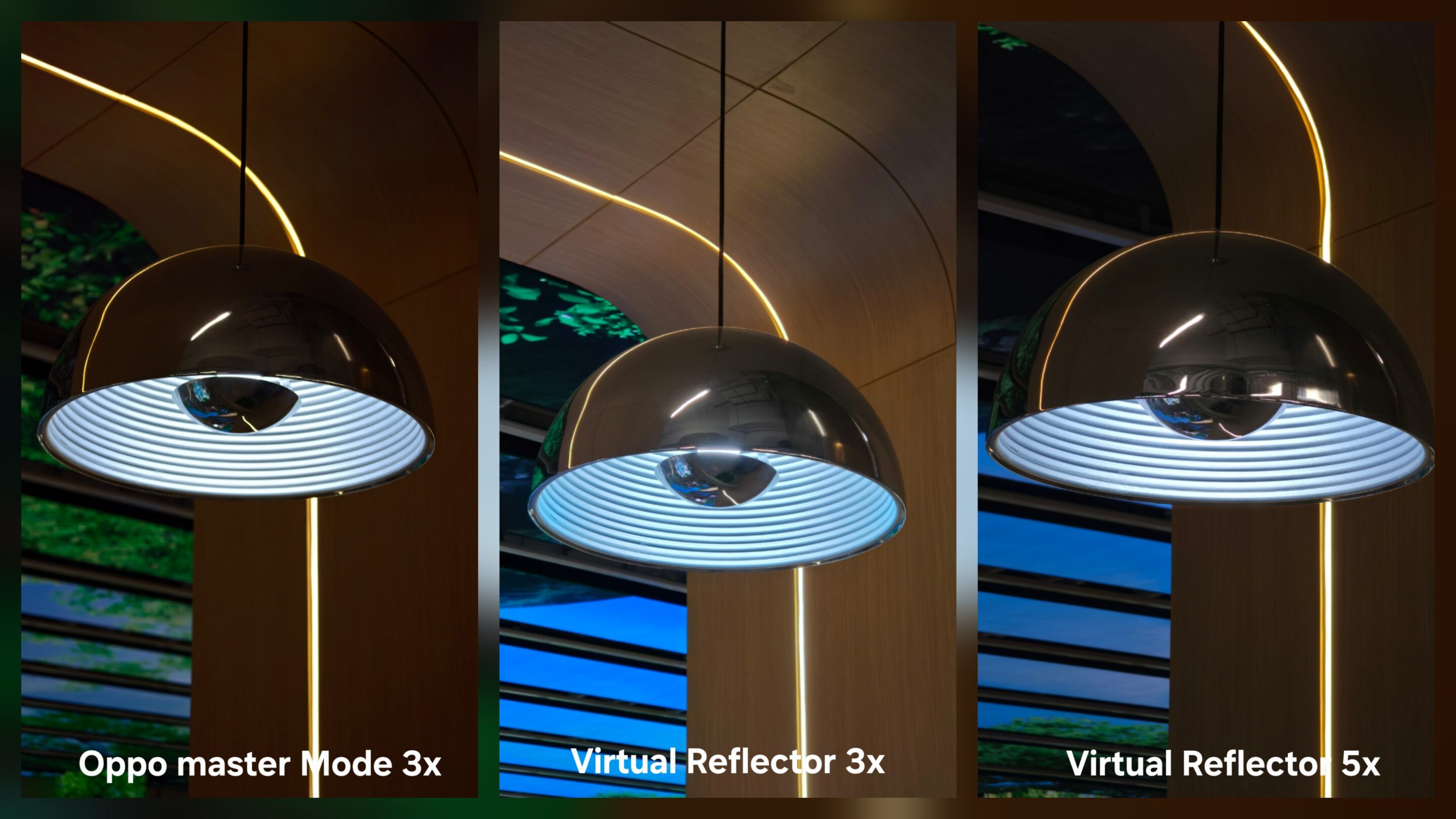
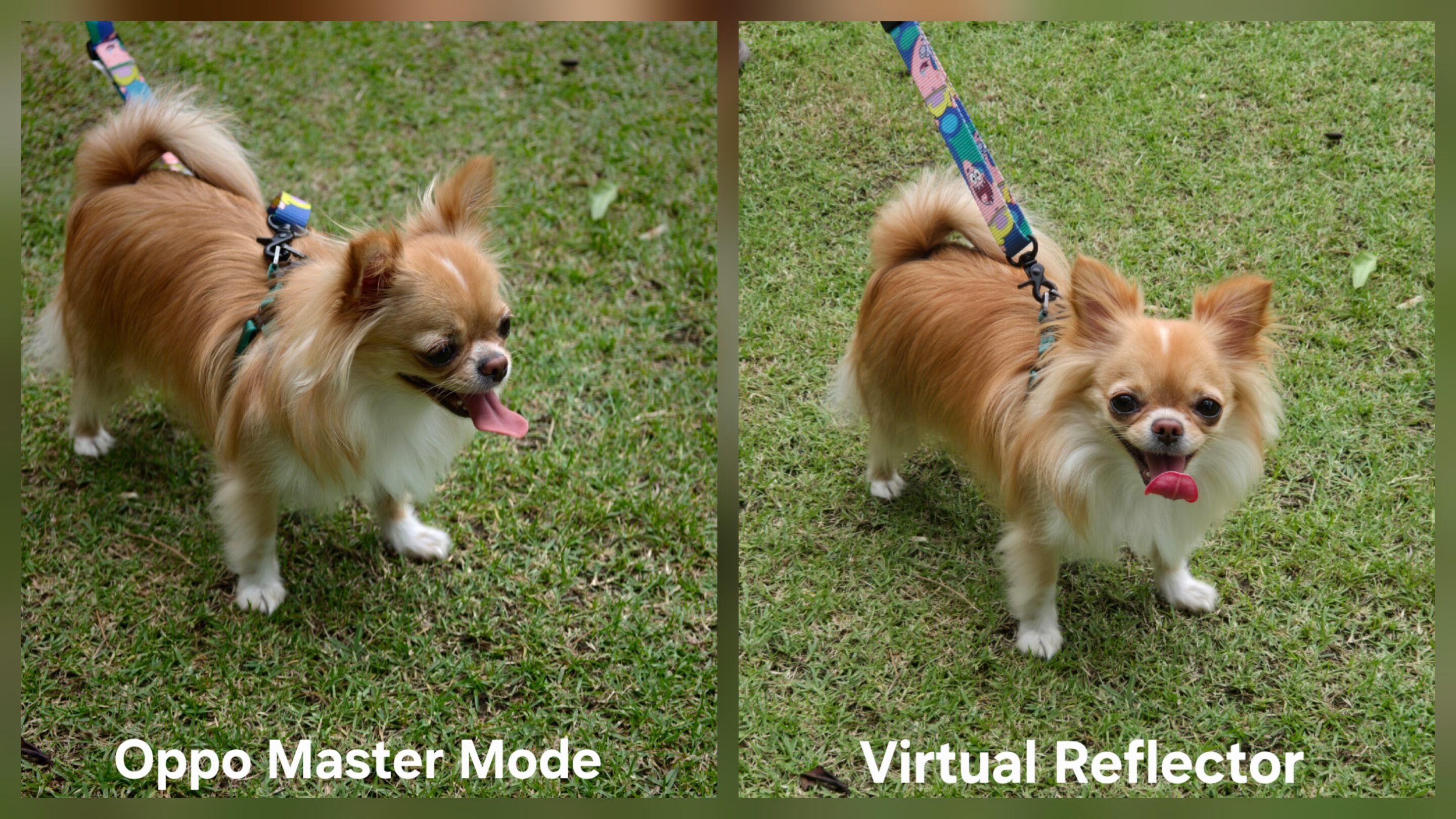
What makes Virtual Reflector particularly impressive is its versatility. Unlike portrait effects that rely on artificial background blur or aggressive stylization, Virtual Reflector preserves a natural photographic appearance. The processing remains restrained enough that it can comfortably replace ordinary Auto mode for everyday photography while subtly improving light distribution in a way that often feels invisible to the viewer.
Samsung also outputs RAW and JPEG simultaneously from a single capture, giving photographers both an immediately shareable image and an editable RAW file without needing to shoot twice.
Virtual Reflector currently supports Samsung’s 1x, 3x, and 5x optical cameras, providing excellent flexibility across multiple focal lengths while maintaining remarkably natural image rendering.
For computational photography and workflow flexibility, the point goes to Samsung. Overall, Samsung scored 2 points, and Oppo scored 1 point in the “Special Modes” category.
Current Comparison Standing
This comparison series evaluates long-term flagship ownership rather than isolated benchmark victories or specification advantages alone. Each category focuses on what genuinely changes the daily experience of using these devices, including camera behavior, endurance consistency, charging flexibility, usability, and software refinement.
After evaluating the telemacro capability, zoom performance, design choices, camera usability, pre-order experience, unboxing, battery architecture, standby efficiency, charging experience, Auto mode photography, RAW photography, and now Special Modes, Samsung continues to reduce OPPO’s overall lead. The latter accumulated 12 points, while Samsung marginally trails it with a score of 11.
Upcoming categories include Portrait Photography, Video Performance, Display Quality, One UI ecosystem advantages, Audio Performance, and Long-Term Software Experience.
Stay tuned.

Follow us on Google Discover & set us as a preferred source in Google News
Share this Post
___________________________


New Blog Posts
___________________________
How Galaxy S26 Ultra Makes Your Travel Experience Seamless
Snapdragon 8 Elite Gen 5 delivers smooth performance
Samsung Begins One UI 9 Testing for Galaxy A34
Galaxy A34 joins One UI 9 testing
Apple’s Long Software Support Makes Samsung’s Past Feel Dated
Samsung was late on updates, but it’s no longer behind