EU Battery Regulations May Change Samsung Phones, but Not How You Think
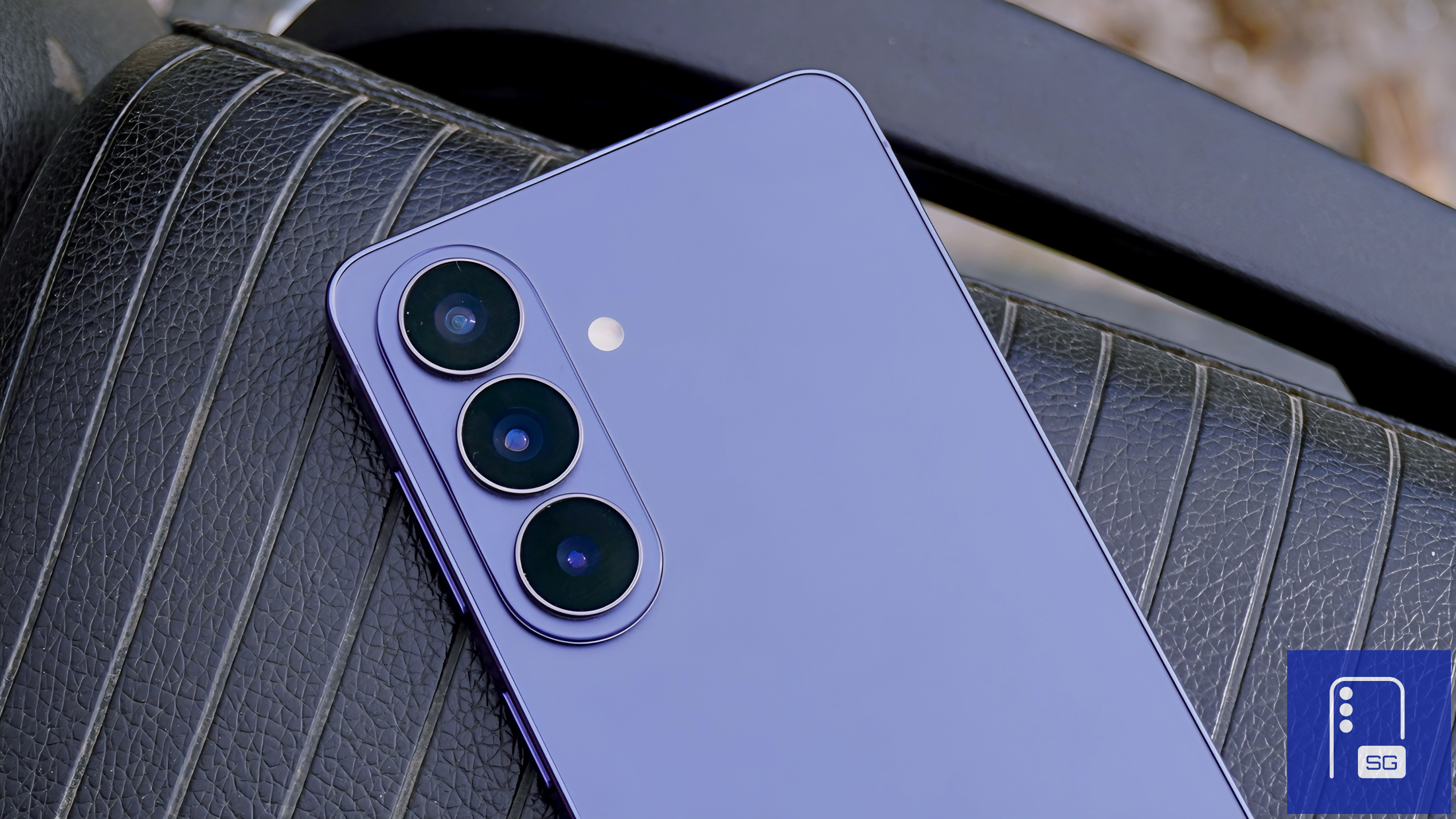
The European Union’s upcoming battery regulations have triggered a lot of excitement online. Ever since the law was announced, many people have assumed Samsung and other phone makers will be forced to bring back old-school designs where you could simply pop off the rear panel and replace the battery in seconds, at least in EU countries. But that may not happen.
Fully removable battery designs come with compromises in durability, water resistance, structural rigidity, and overall premium build quality. Modern flagship phones have spent years improving in these areas, and it makes no sense to go back just for the sake of repairability. But then, what exactly does the EU mean by “removability and replaceability of portable batteries?” Let’s read the rulebook.
Don’t expect a radical design shift
Many of us may fondly remember the days of removable back covers and swappable batteries. Those days are gone for good, and they are unlikely to come back under the new EU regulations. These regulations are definitely going to change how Samsung designs future Galaxy phones, but the shift will likely happen behind the scenes rather than through a dramatic return to 2010-era smartphone hardware.
The Galaxy S27 Ultra and other future Samsung devices will probably still look very similar to modern flagships. The bigger difference may be how easily they can be opened and repaired internally. The rulebook says devices with portable batteries, including smartphones, must “ensure that those batteries are readily removable and replaceable by the end-user at any time.”
That wording does make it look like the EU wants to go back a decade and a half in terms of smartphone design. But further explanation makes it clear that that’s not the intention. According to Article 11 in Regulation (EU) 2023/1542:
A portable battery shall be considered readily removable by the end-user where it can be removed from a product with the use of commercially available tools, without requiring the use of specialised tools, unless provided free of charge with the product, proprietary tools, thermal energy, or solvents to disassemble the product.
This clarifies that manufacturers do not require bringing back plastic battery doors or tool-free battery swapping. Instead, the EU is targeting the repair complexity of modern devices. Companies use extremely strong adhesives to secure both the rear glass and the battery itself. Battery replacements often require heating the phone, carefully loosening glue, prying apart fragile panels, and working around tightly packed components.
The process is difficult, risky, and expensive, especially for average users, and that is exactly the kind of repair environment Europe wants to change. In other words, the EU is pushing for easier battery access, not necessarily fully exposed removable batteries.
Samsung is already making moves in this direction
Under the new EU regulations, Samsung should still be able to use glass backs, metal frames, wireless charging, and IP68 water resistance. The company simply needs to make battery replacement less dependent on specialized tools, heat guns, and professional repair equipment. And it has already been making moves in that direction.
Recent Galaxy devices use pull tabs or pouches for batteries, allowing anyone to pull out the battery. If anything, Samsung may have to slightly rethink the rear panel assembly so it can be popped off using some simple tools, all the while without affecting durability and water resistance. Maybe use different sealing methods or redesign the back panel.
Whatever design changes Samsung makes to be compliant with the new EU regulations, it is likely to apply those globally. The company probably will not want to create entirely separate hardware designs just for Europe. Maintaining one Galaxy S27 Ultra design for EU countries and another for the rest of the world would increase manufacturing complexity and production costs.
Historically, when the EU introduces major consumer tech regulations, companies apply those changes globally rather than splitting their hardware lineups region by region. We already saw this happen with USB-C adoption. Apple resisted the change for years, but once the EU mandated USB-C, the iPhone transitioned globally rather than becoming region-specific. The same thing could happen with repairability-focused battery designs.

Follow us on Google Discover & set us as a preferred source in Google News
Share this Post
___________________________


New Blog Posts
___________________________
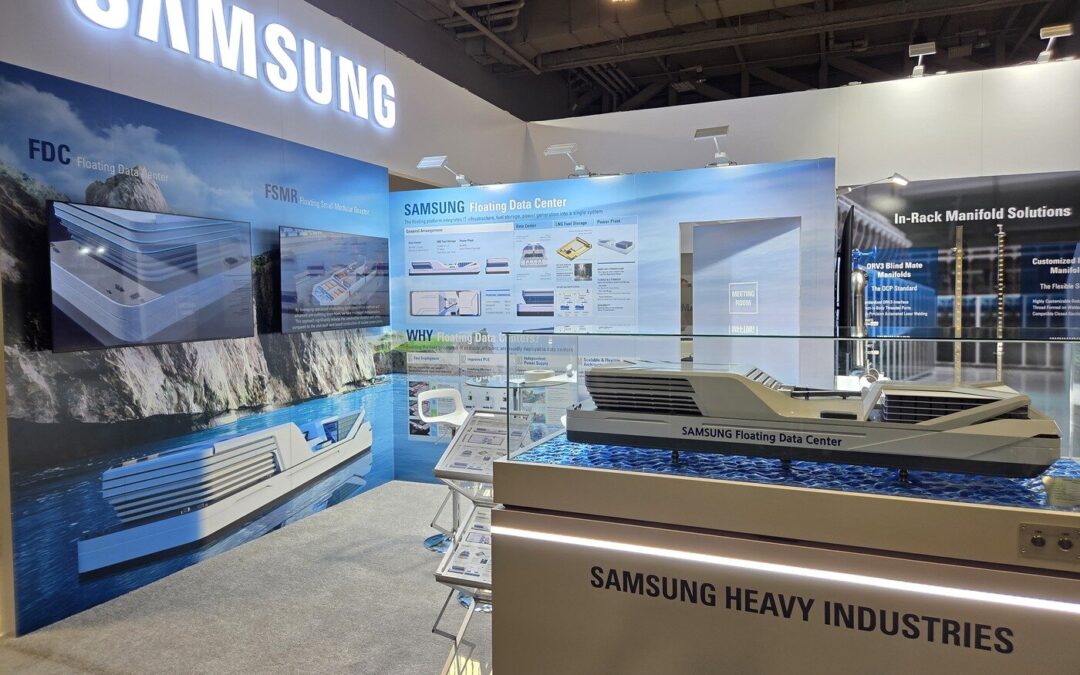
Samsung’s Shipbuilding Arm Pushes Floating Data Centers for AI Boom
Samsung is building ships designed to run AI data centers

World Cup 2026 Could Decide Samsung vs Hisense MiniLED Battle: Counterpoint
Samsung leads MiniLED race, but World Cup may flip it, says Counterpoint
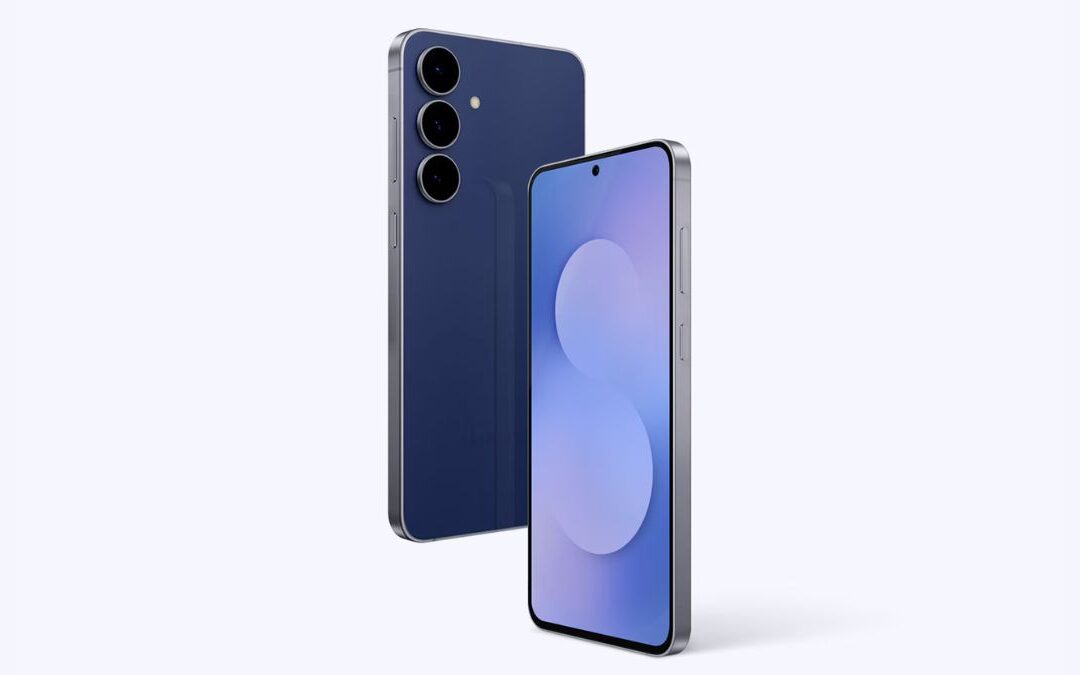
Galaxy S25 FE Drops to $449 in Solid 31% Discount Deal
Galaxy S25 FE gets a nice price cut to $449