Samsung Launches 24/7 Walk-In Service: Access is Solved — Repair Remains a Challenge
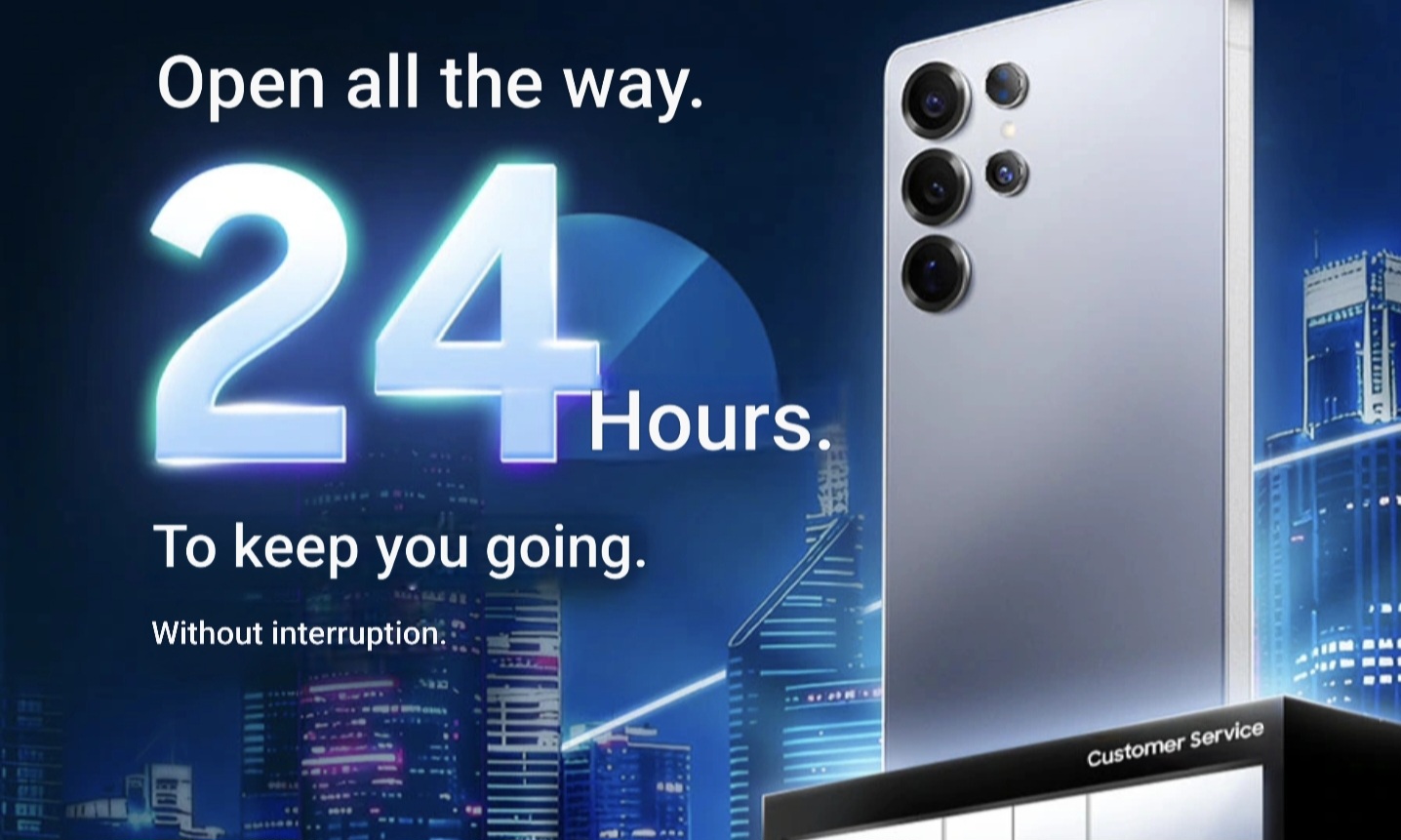
Earlier this year, Samsung launched its first 24/7 walk-in service in Thailand. The new service at Samsung Service Center Rattanathibet changes something users rarely question: when support is actually available. Once that limitation disappears, the experience shifts beyond repair itself. Because the real upgrade isn’t speed — it’s access.
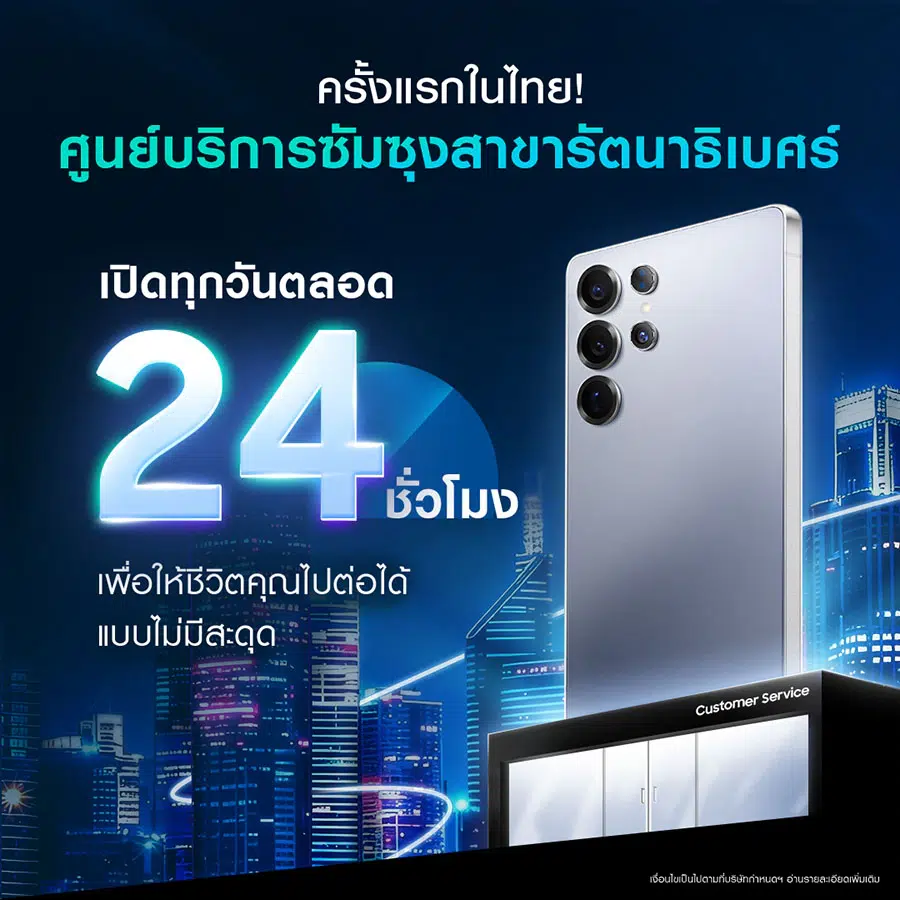
However, solving access exposes something deeper. Starting a repair is no longer the problem; finishing it is. And that’s exactly why this model matters not just for Thailand, but for how Samsung scales service globally from here.
Access and Timing Define the Experience
In real-world use, device issues are rarely predictable, but access to service has traditionally been limited by operating hours. This often delays the start of repairs, turning even minor issues into logistical challenges. The constraint is not the repair process itself, but when users can enter it.
With 24/7 walk-in service, that barrier is removed. Users can begin the process at any time, reducing delays and avoiding peak-hour congestion. Off-peak visits also allow faster intake and smoother handling, creating a more controlled and efficient service experience. Service, in this model, becomes more than a support function and begins to influence how users perceive reliability, trust, and long-term value.
However, the moment entry becomes instant, another constraint becomes impossible to ignore: completion. Starting a repair is no longer the challenge. Completion is. Because starting a repair anytime does not mean finishing it anytime. The process moves faster at the front, with immediate intake and rapid diagnosis, but the backend remains tied to something unchanged: parts availability and system logistics. And that gap becomes visible.
24/7 Service Is Not 24/7 Repair
Access has evolved to remove waiting at the start, allowing devices to be checked immediately and the process to begin without delay. But completion follows a different timeline, one shaped by inventory, approvals, and coordination behind the scenes.
Repair outcomes still depend on component availability, system verification, and internal workflows, especially for imported devices or complex faults. The service layer has clearly advanced, but underneath, the structure still follows traditional constraints.
This limitation isn’t theoretical. In markets like India, cases have shown that even when issues are clearly identified, the process can slow down due to repeated verification, approval layers, and parts coordination. Users often report supportive staff, but delays in decision-making and execution.
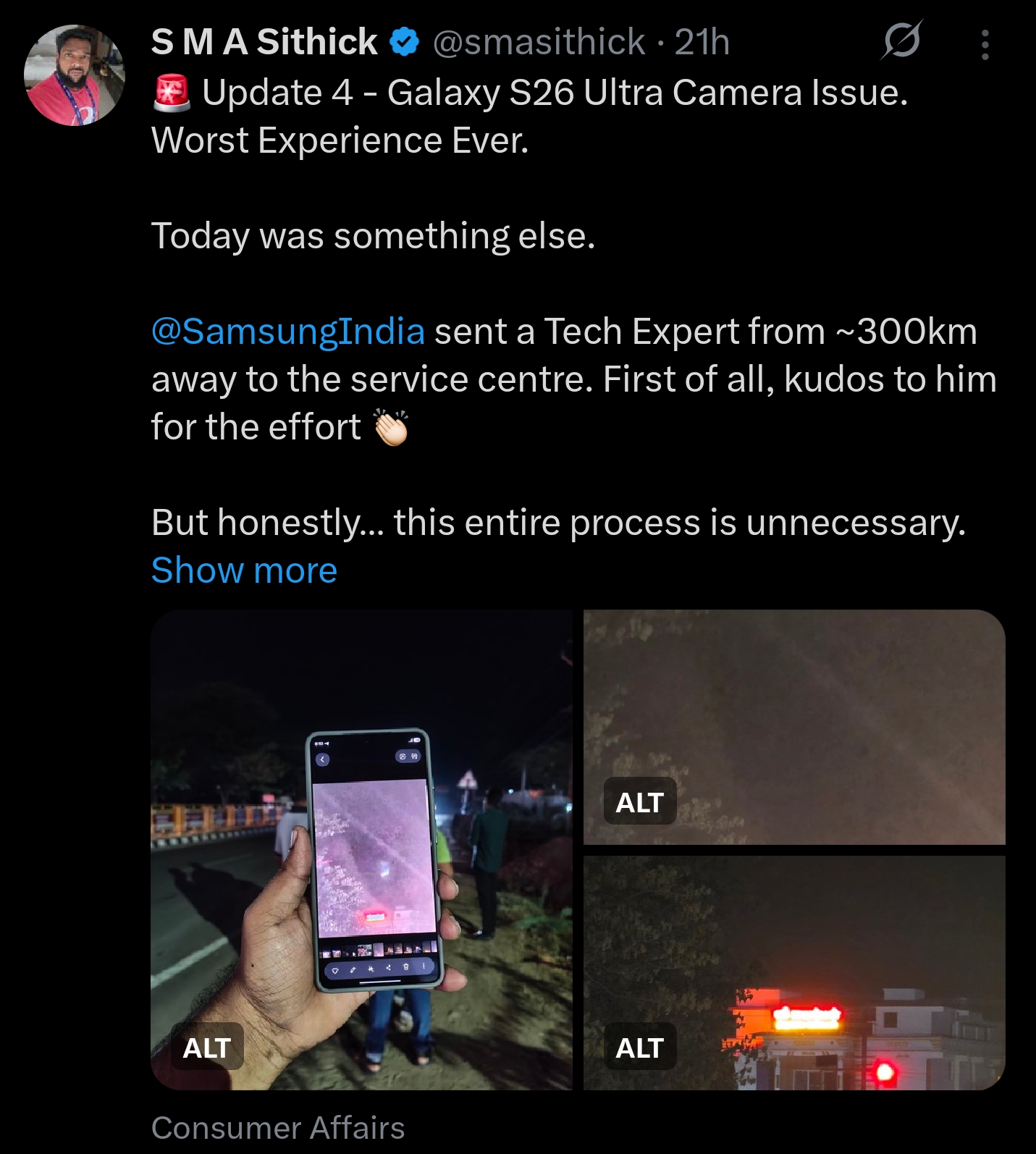 https://x.com/i/status/2045217835430142431
Scaling This Model Changes the Industry
If this 24/7 model expands across more regions, the impact goes beyond convenience. It begins to redefine expectations. Users will no longer accept delays in entering the service system. Instant access becomes the standard. And once that expectation is set, the pressure shifts toward improving everything behind it: from diagnostics to logistics. This is no longer about opening more centers. It’s about synchronizing the entire system.
But for this model to scale globally, the next step isn’t visibility — it’s refinement. Service workflows must become faster at decision-making, not just intake. Parts distribution must align with real usage patterns, not just forecasts. Approval processes must evolve toward immediacy when issues are already verified. Because access without completion introduces a new kind of friction. And users recognize it quickly.
Samsung didn’t just extend service hours. They removed a limitation users had quietly accepted for years. And once that barrier is gone, expectations shift. Not around when you can start a repair, but how quickly the system can actually resolve it. This is definitely a strong step in the right direction, but Samsung has more to do.

Follow us on Google Discover & set us as a preferred source in Google News
Share this Post
___________________________


New Blog Posts
___________________________

World Cup 2026 Could Decide Samsung vs Hisense MiniLED Battle: Counterpoint
Samsung leads MiniLED race, but World Cup may flip it, says Counterpoint
Galaxy S25 FE Drops to $449 in Solid 31% Discount Deal
Galaxy S25 FE gets a nice price cut to $449
Samsung says Foundry May Not Turn Profitable Before 2028
Samsung foundry boss says recovery will take time