Galaxy S26 is Better than iPhone 17 and I’m tired of Pretending It Isn’t

Since Apple unveiled the iPhone 17, we’ve seen nonstop praise for its improvements over the previous model: storage bump, 120Hz display, anti-reflective coating, and meaningful camera upgrades. The Galaxy S26, on the other hand, has faced constant ridicule for two main reasons: reused camera sensors and the price increase. I don’t see this as a fair comparison. How can we hyper-focus on just one area while ignoring everything else?
Camera Performance
Let’s get right to the point: Samsung has used the same camera sensors as the Galaxy S22. I understand and agree with the criticism, but I won’t pretend the Galaxy S26 performs anything like the Galaxy S22. That simply isn’t the case.
I’m using the iPhone 17 Pro Max as a comparison, and it more than proves that sensors never tell the full story. The Galaxy S26 features a dedicated optical sensor, which is far superior to the simple cropped sensor found in the base iPhone 17.
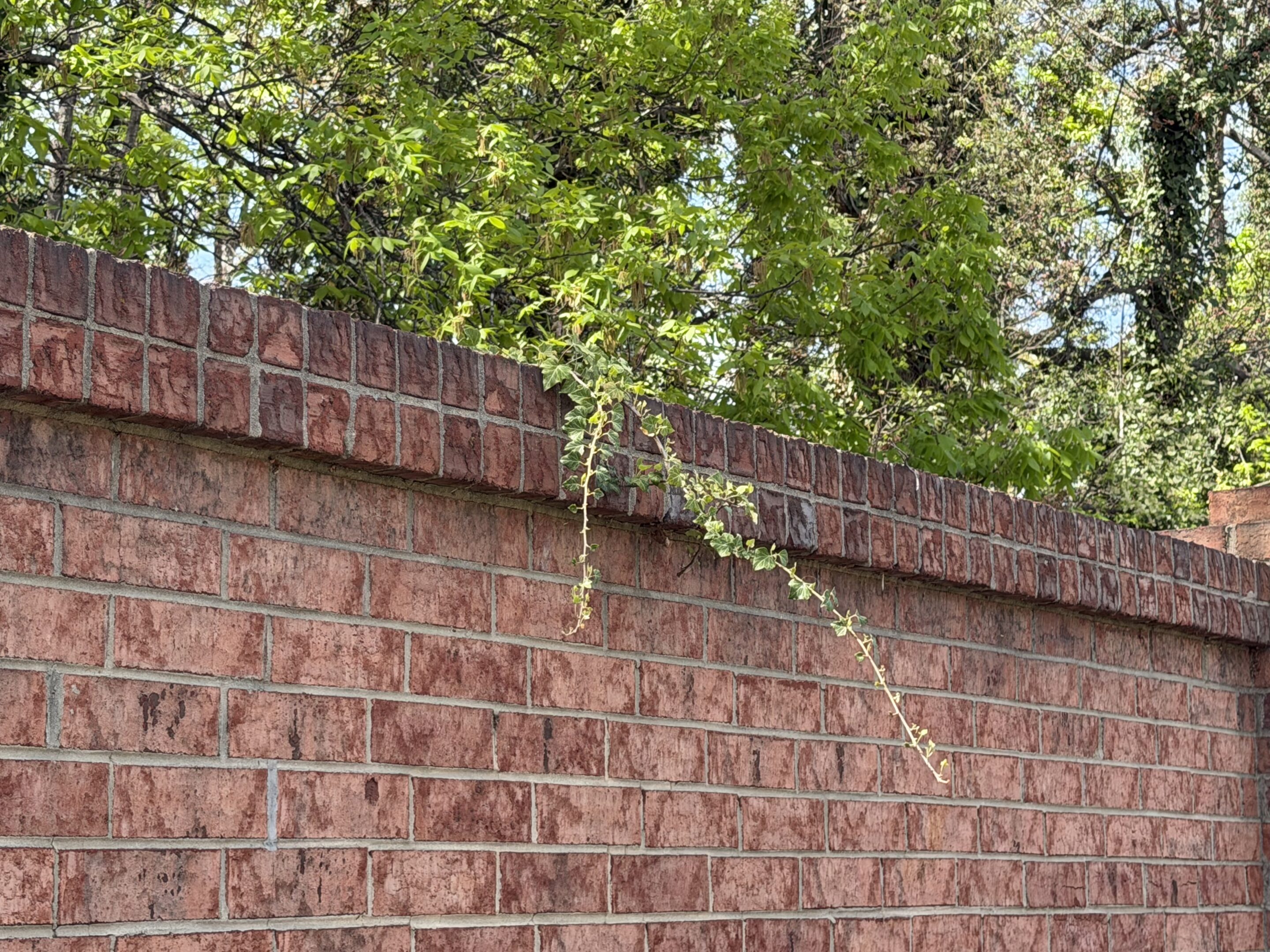
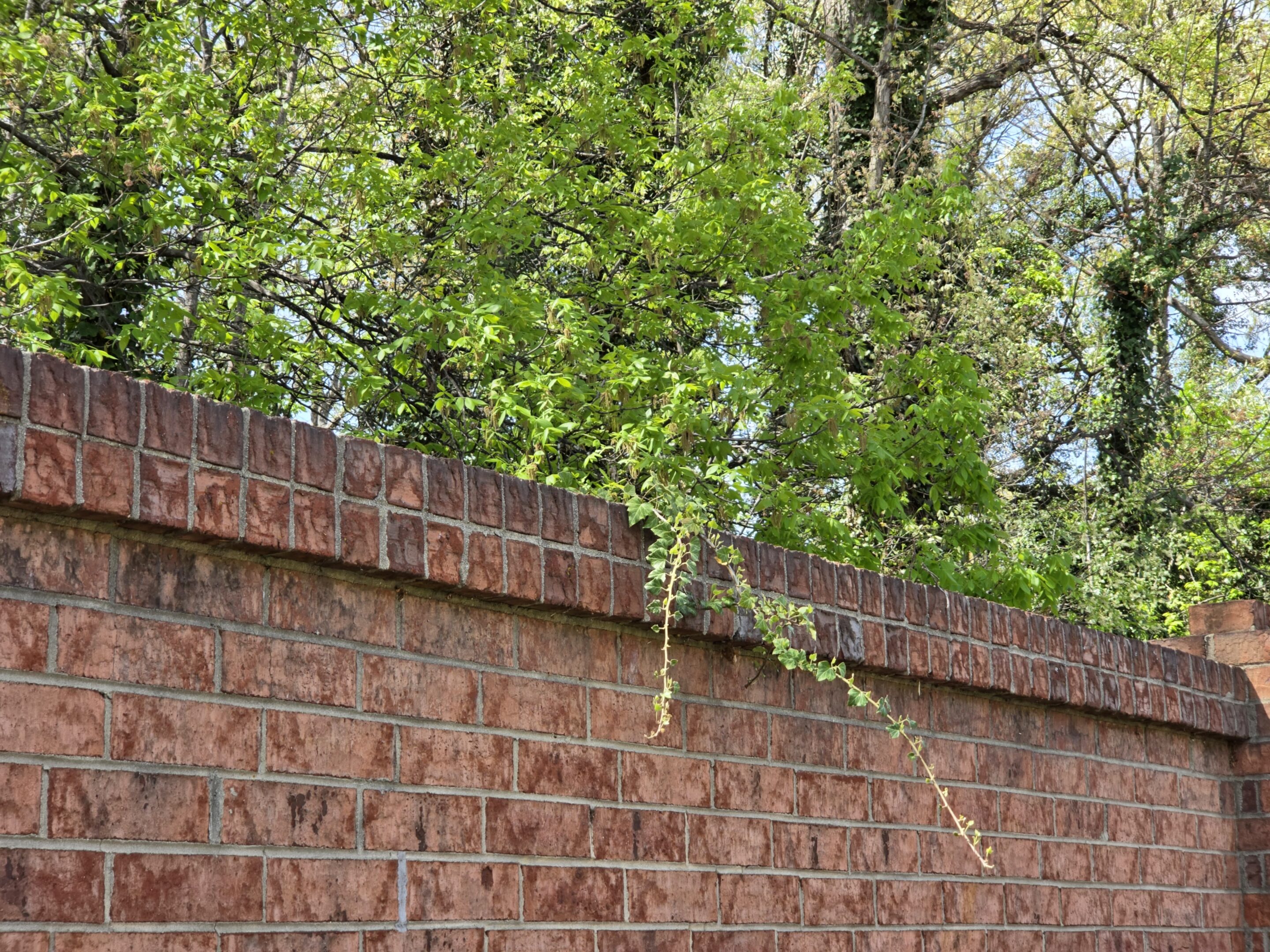
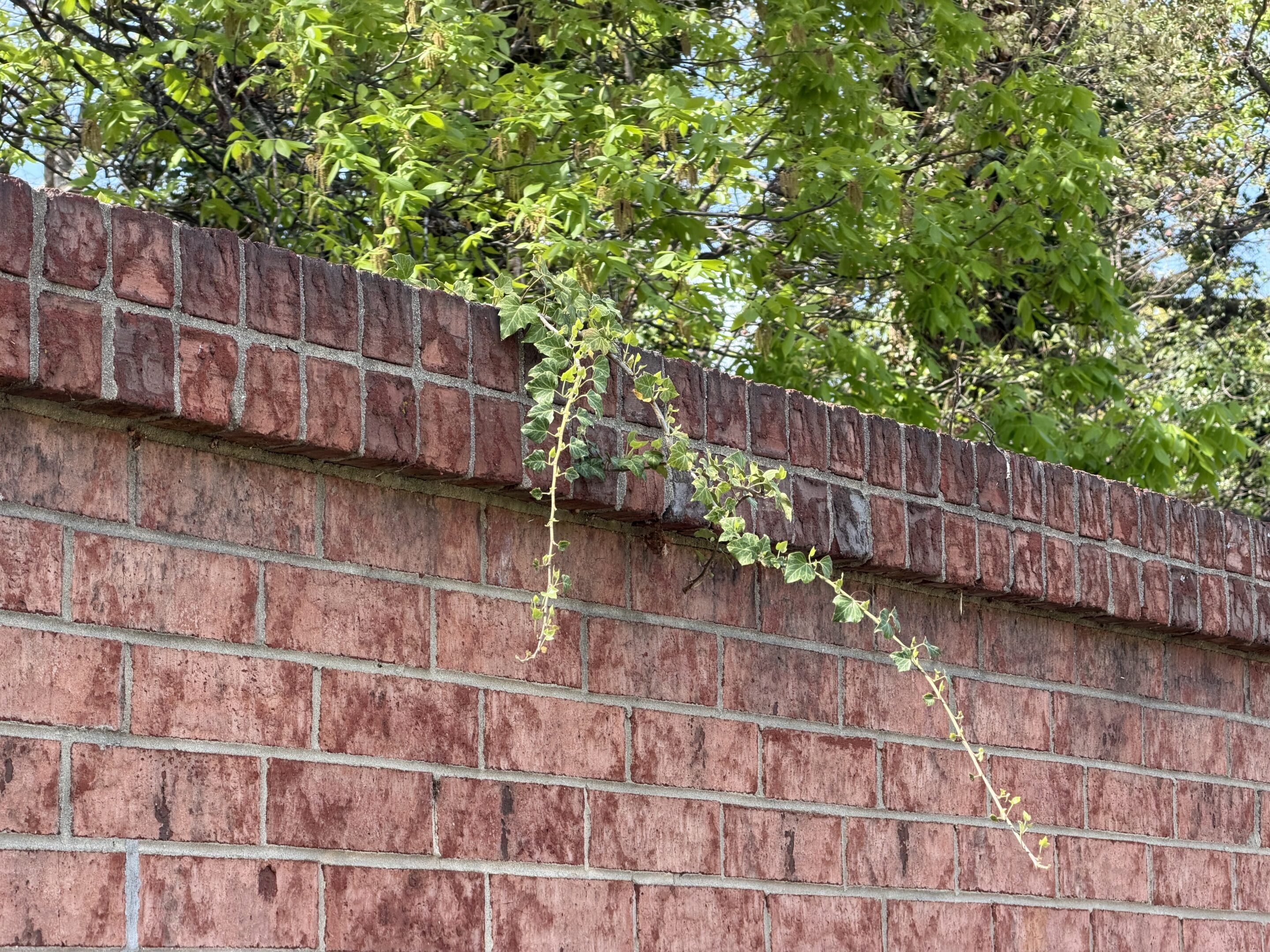
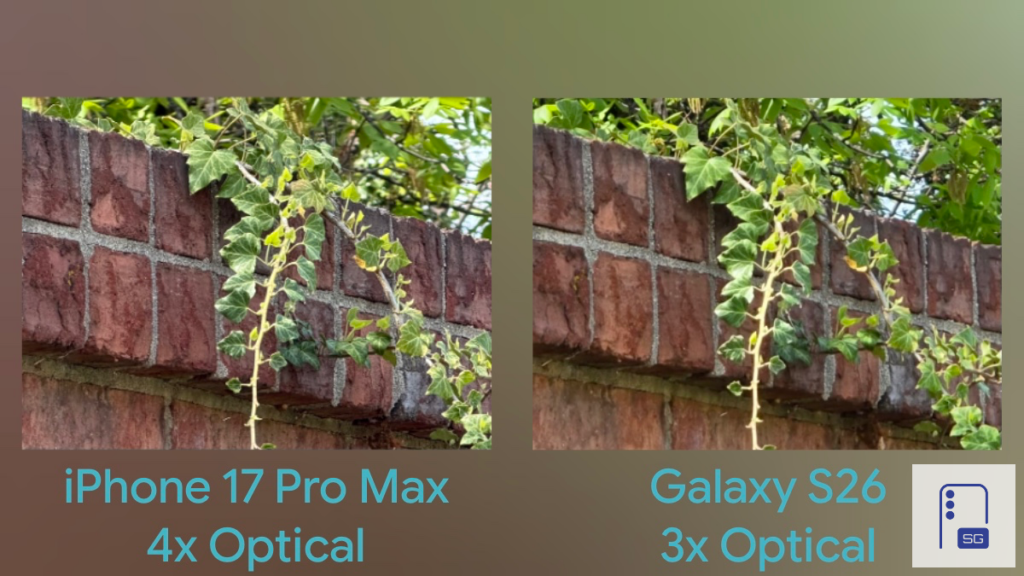
Here are three photos: the iPhone 17 Pro Max 4x optical shot, the Galaxy S26 3x optical shot, and the iPhone 17 Pro Max 3x cropped shot.
When comparing the 3x crop from both devices, I much prefer the Galaxy S26’s lack of over-sharpening. The iPhone 17 Pro Max may have a bit more detail, but the heavy over-sharpening ruins the final image. A dedicated telephoto lens will always outperform a simple sensor crop.

Just to keep things fair between these devices, here’s the telephoto shot from the iPhone 17 Pro Max. I don’t want to confuse anyone; the Galaxy S26 didn’t outclass the iPhone 17 Pro Max, which is no surprise.
The Galaxy S26 isn’t far behind when it comes to detail from the main sensor. A simple photo of a fire hydrant clearly illustrates how Samsung is maximizing its potential through computational photography.
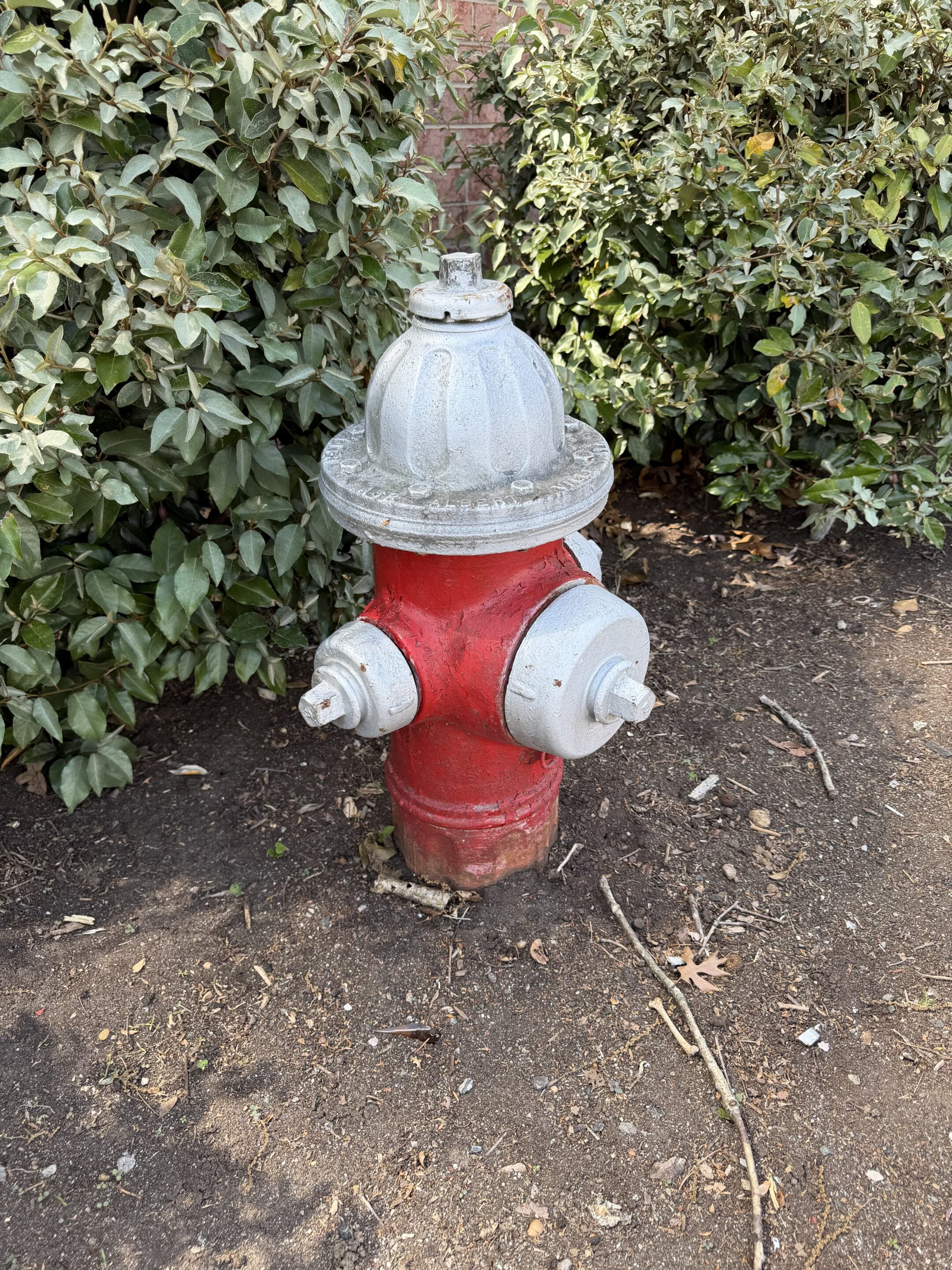
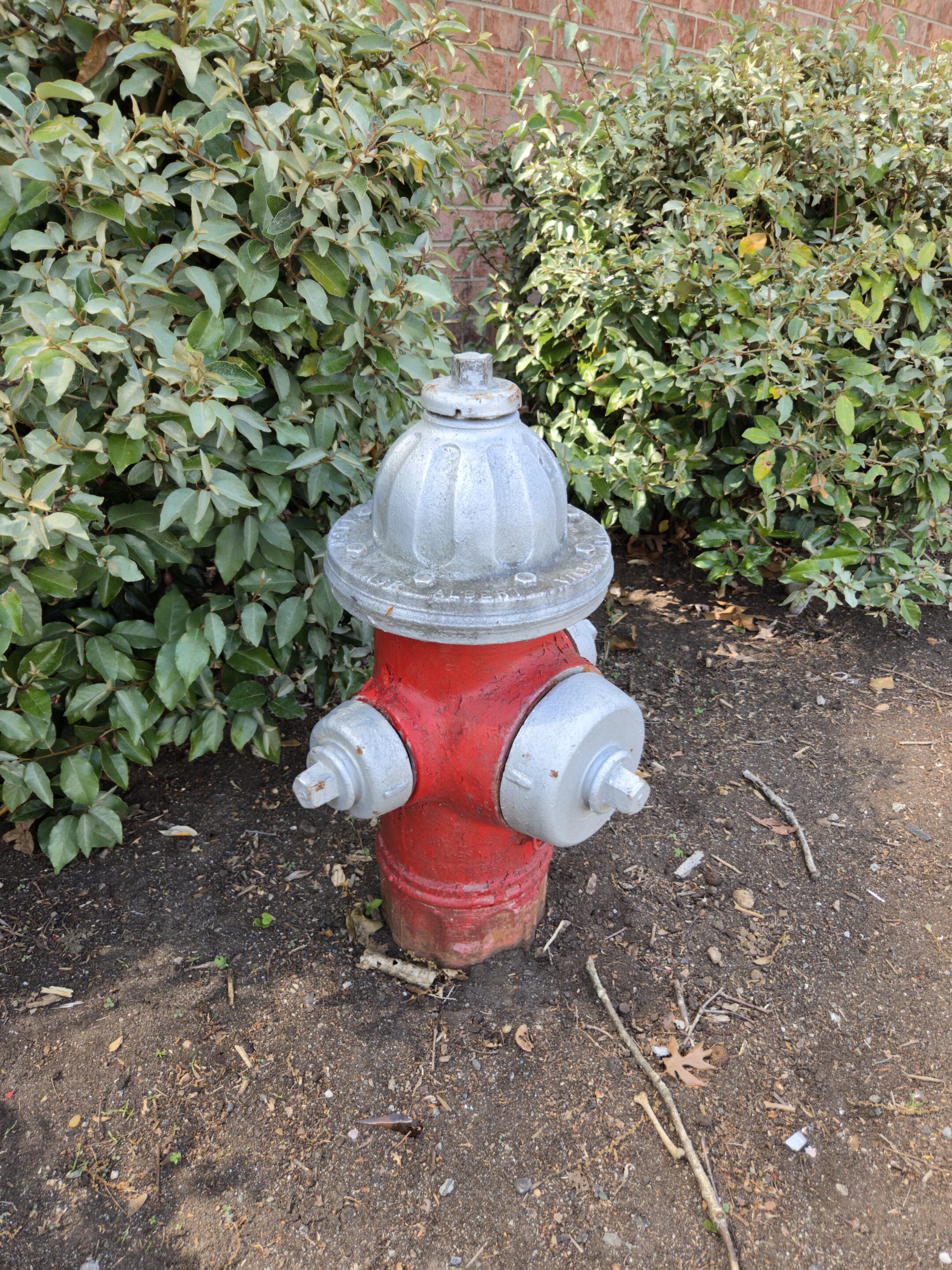
The Galaxy S26 is outclassed by the iPhone 17 Pro Max much larger sensor, but it isn’t so much that it’s unusable. We can still clearly make out the letters on the hydrant, but the iPhone 17 Pro Max outputs more detail overall, though it comes with a sharpened look.
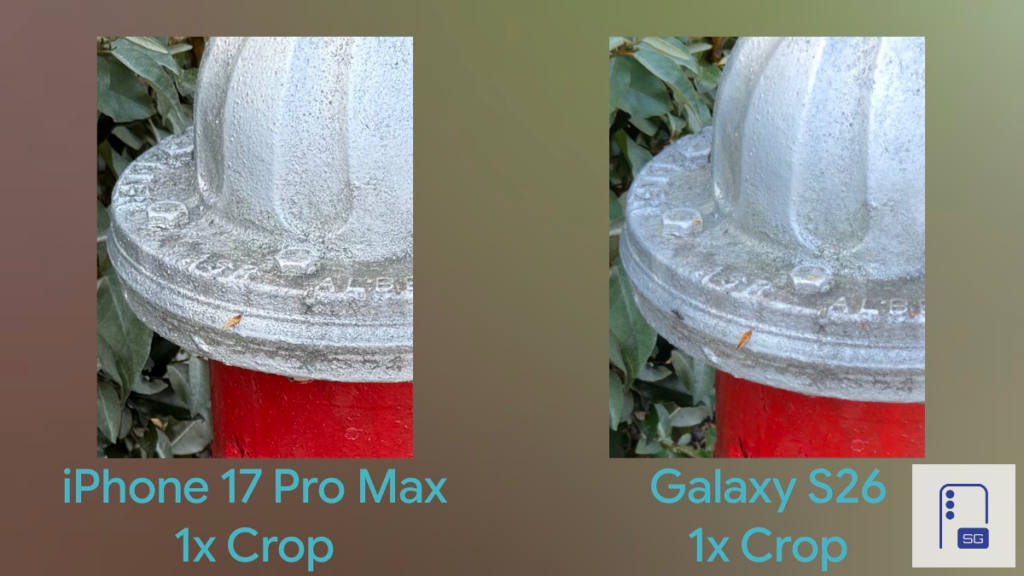
The key takeaway is that the base iPhone 17 has a similar sensor size to the Galaxy S26. So if the results against the iPhone 17 Pro Max have even remotely impressed you. You can expect noticeably better performance from the Galaxy S26 compared to the base iPhone 17.
Camera Software Is Superior
Camera software is also much better than the iPhone 17 and, in some cases, the iPhone 17 Pro Max. The Galaxy S26 has LOG Video; it retains more detail over standard video mode. Additionally, Pro RAW shoots in Pure RAW and allows for great control, while Expert RAW offers a blend of auto mode’s computational mode and Pro RAW’s raw format capability.
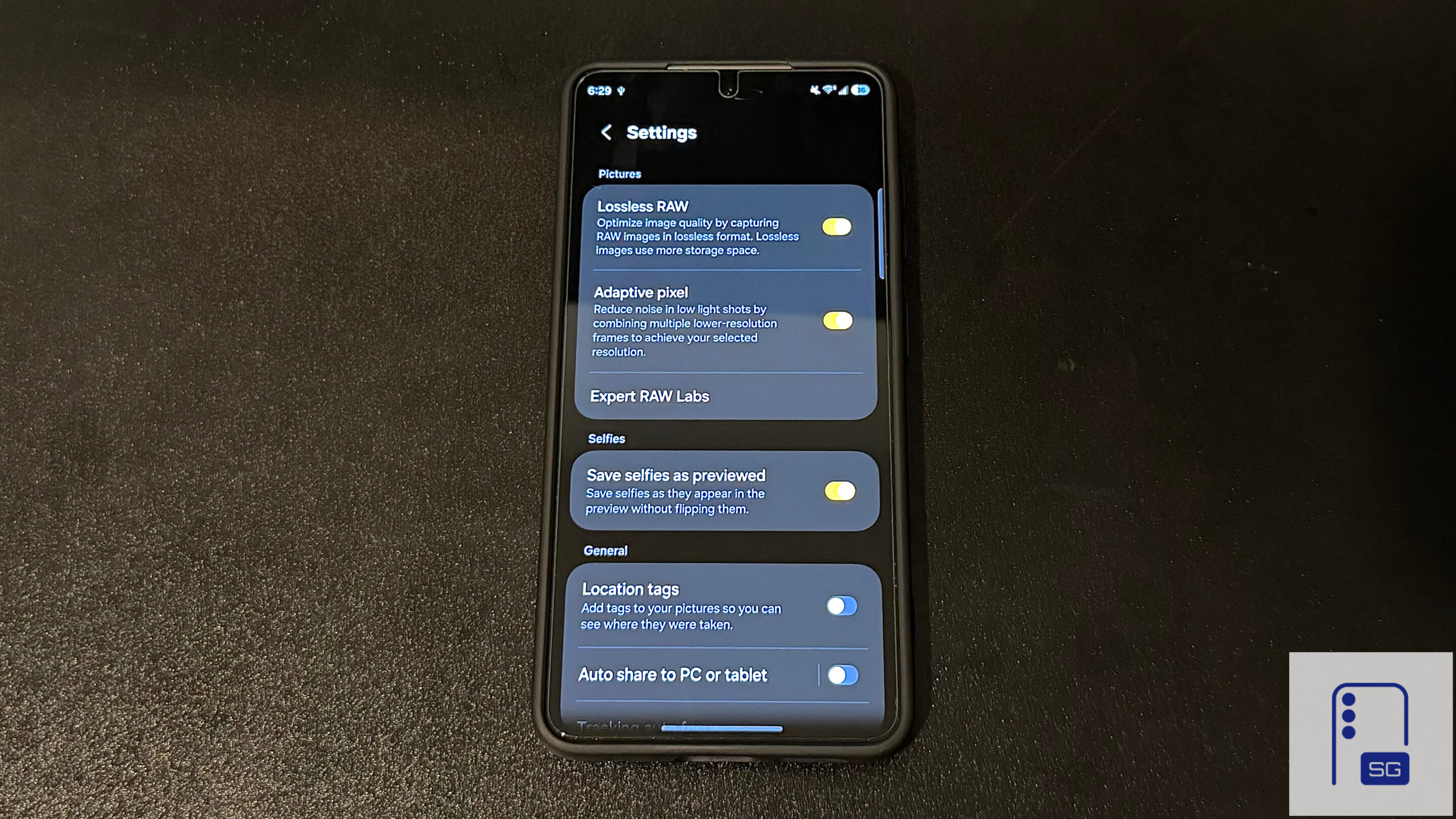
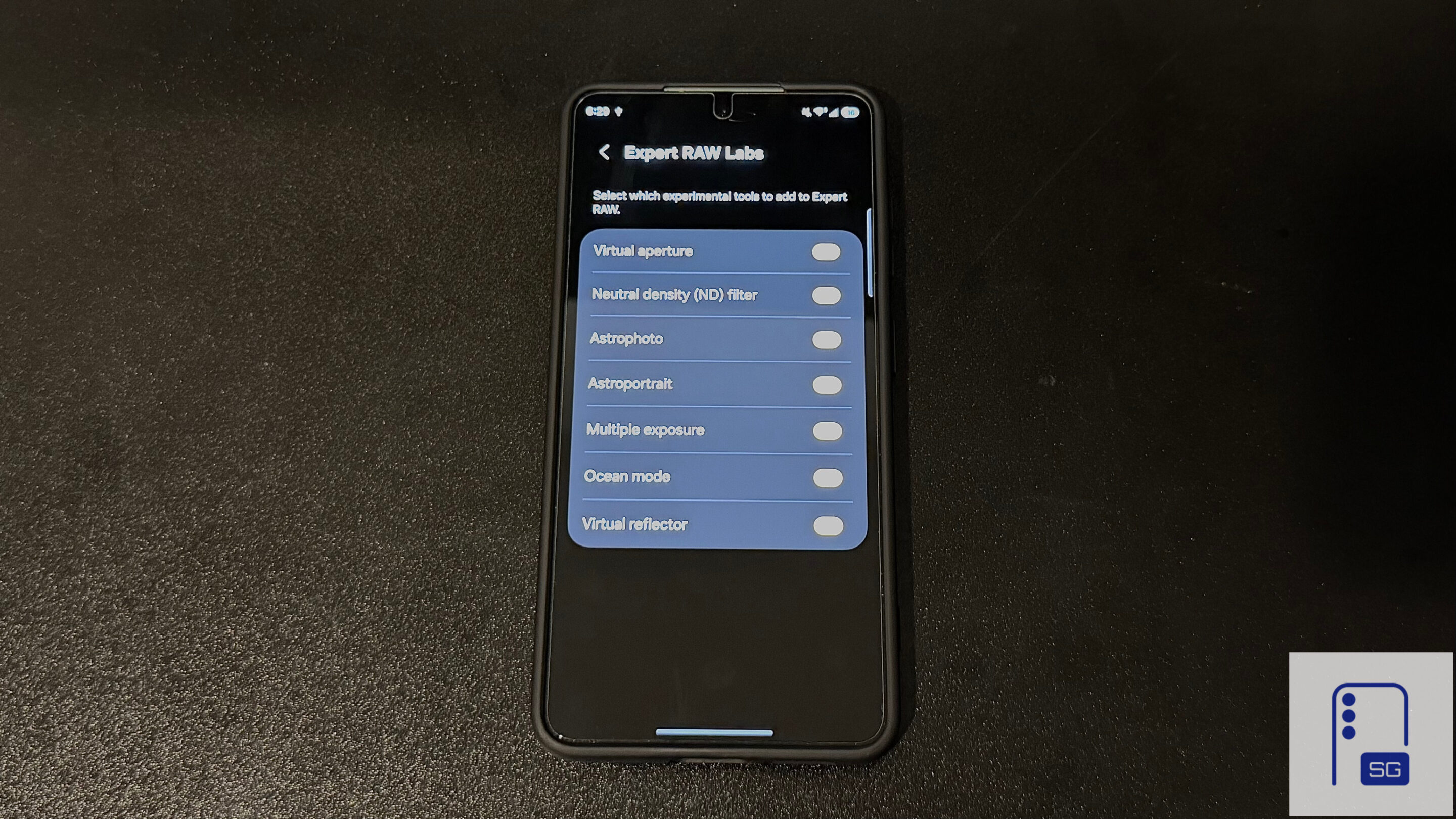
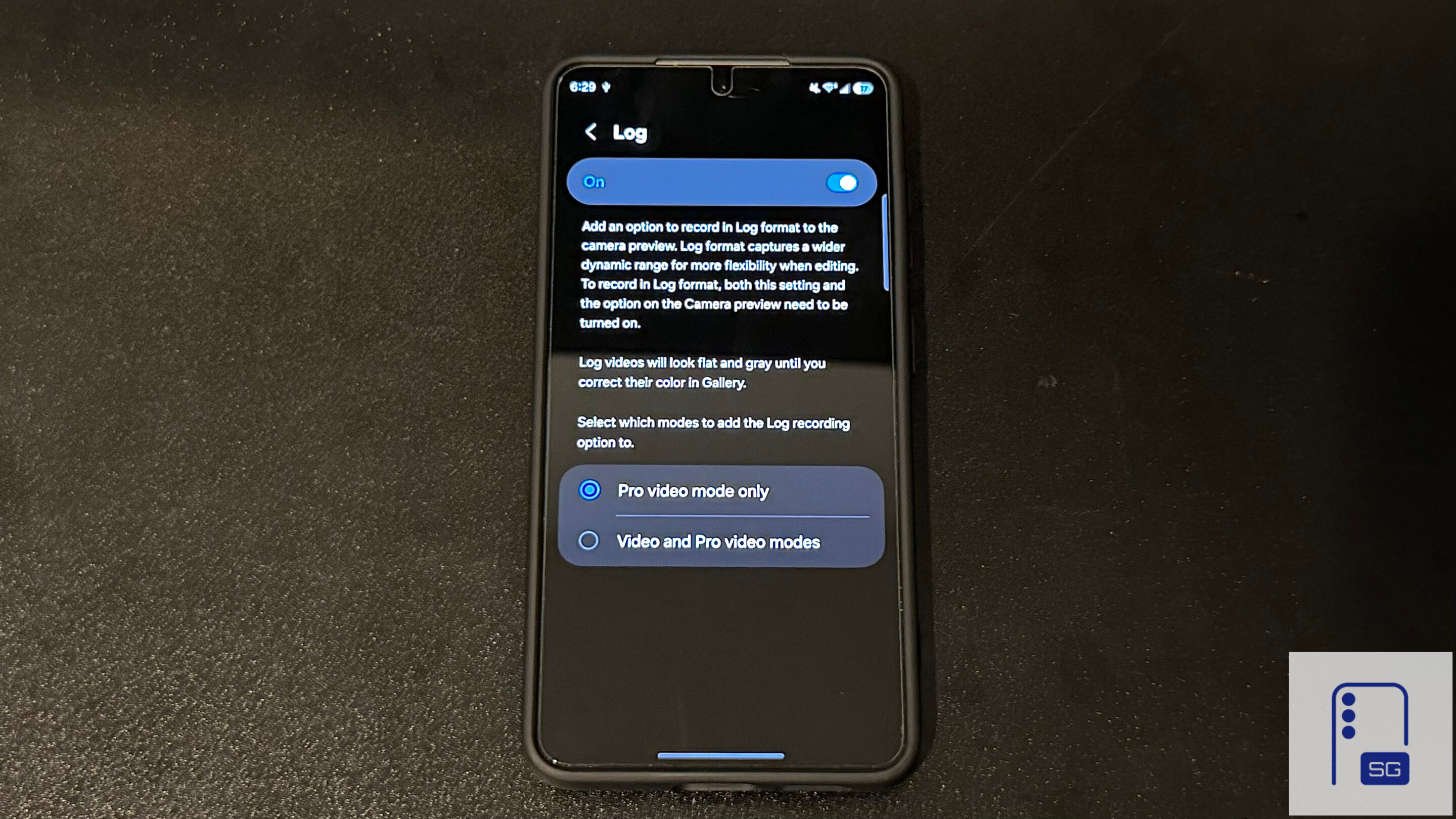
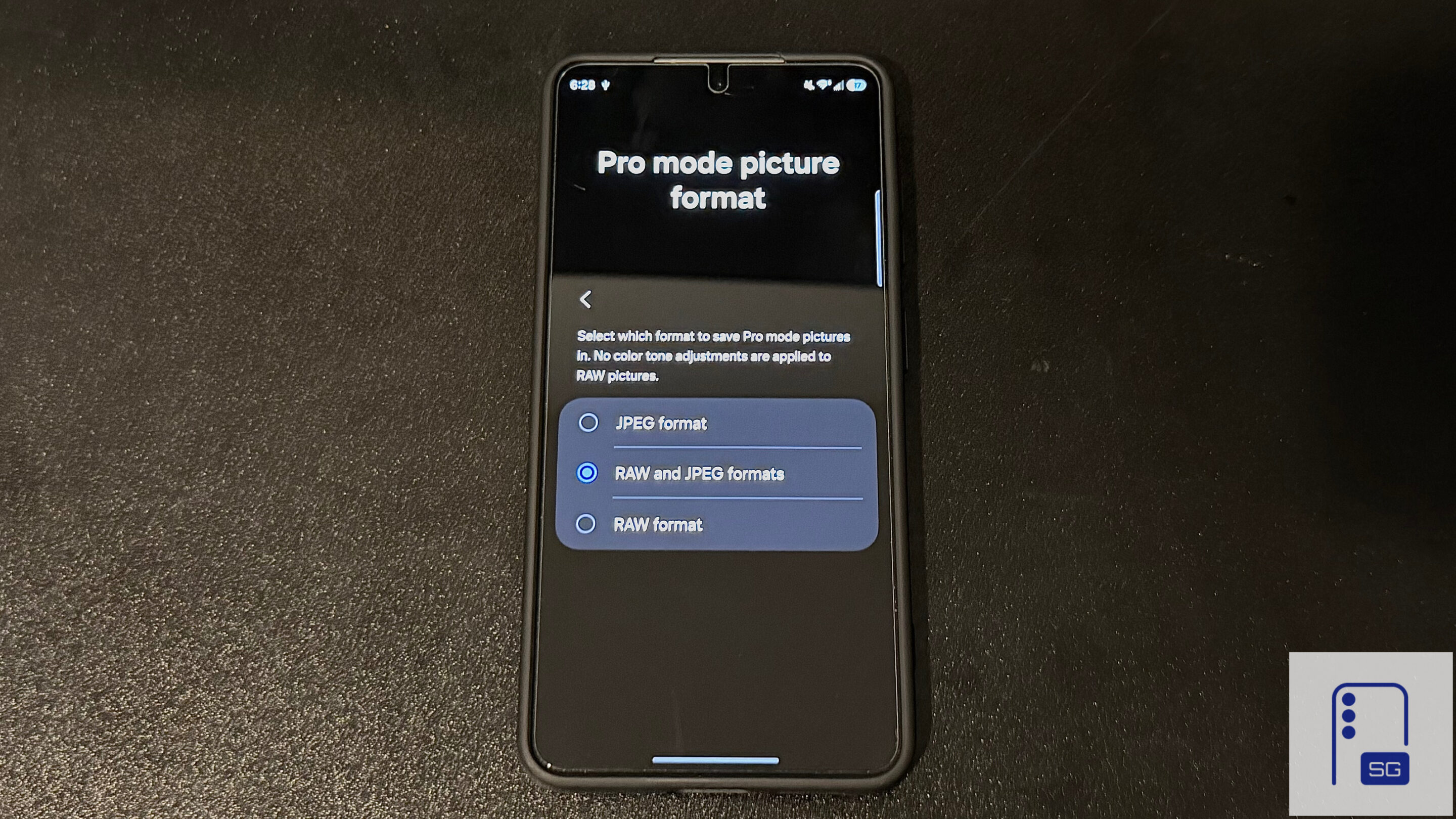
Apple, on the other hand, has locked these modes to their higher-tier products, only available with iPhone Pro and Pro Max.
Not All USB-C Ports are the Same
Despite Apple’s switch to USB-C, that doesn’t mean they’re fully up to spec. The iPhone 17 is still limited to USB 2.0 speeds and lacks DisplayPort output. Meanwhile, the Galaxy S26 offers USB 3.2 speeds and full DisplayPort output, enabling seamless DeX on the big screen.
With the Galaxy S26, you’re free to take full advantage of these features. One area where it clearly outperforms even the iPhone 17 Pro Max is video recording: you can save videos directly to external storage and aren’t restricted to a single format like you are on iPhone.

Samsung Dex
This is something that most phones aren’t capable of doing. Even with Android officially providing a desktop mode, it doesn’t match up with Samsung Dex. You get a full desktop experience, which is especially helpful if you use your device for everything.
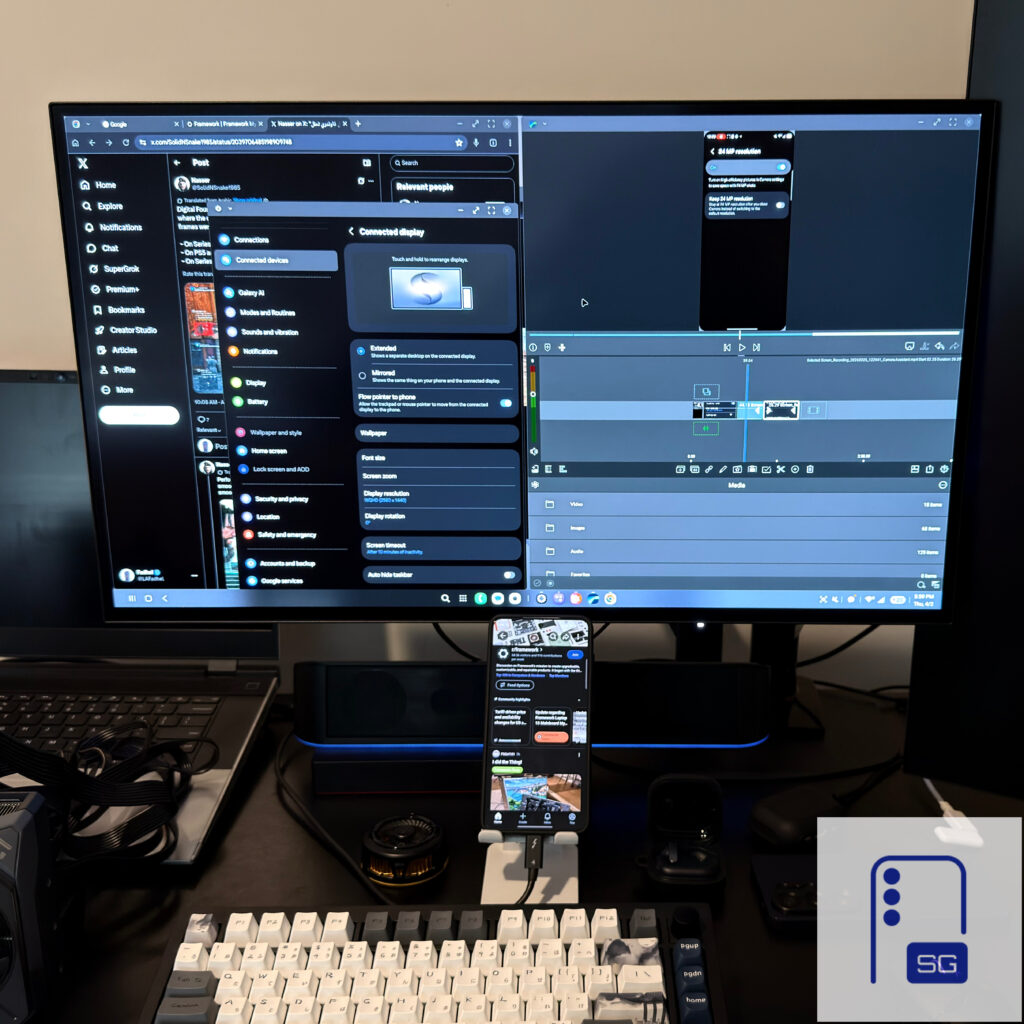
Let’s say you’ve just finished recording a video and want to edit it. You’re no longer stuck on the small screen. Simply plug the Galaxy S26 into a monitor, grab a keyboard, and even use the phone itself as a touchpad. This lightens the load since you don’t need to carry a separate mouse.
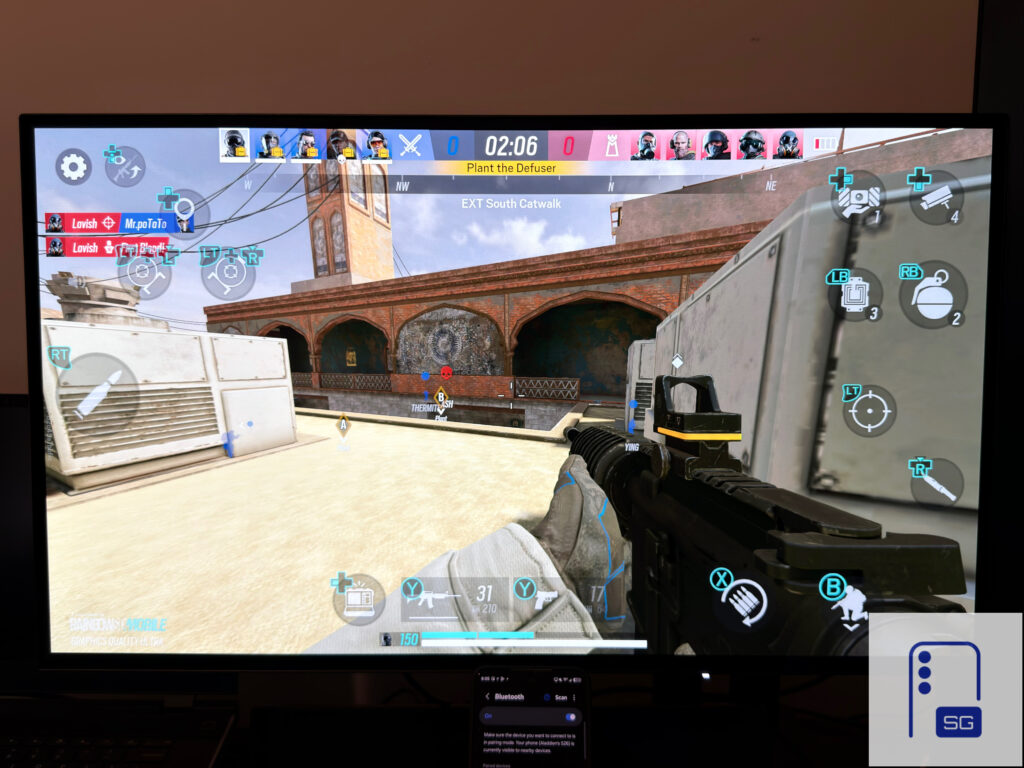
If you’re a gamer, you’ll love this. You can grab a controller and enjoy your games on the big screen. Whether you’re playing the recently released Rainbow Six Siege Mobile or any other title, you won’t be stuck on the small 6.3-inch display. Simply connect the Galaxy S26 to a TV or external monitor, pair a controller, and enjoy a true console-like experience.
It’s not Perfect, but it’s not Bad
I’m not here to claim that four-year-old sensors are ideal, but I won’t accept the idea that the iPhone 17 is definitely better than the Galaxy S26. That simply isn’t a factual statement. The Galaxy S26 remains competitive with the iPhone 17 and delivers a well-rounded package. Its strong sales prove it, the S26 is outselling the S26 Plus and sits right behind the S26 Ultra.
It doesn’t make sense to judge a phone on a single metric, even with the price increase. I’d argue the Galaxy S26 actually offers better value than the iPhone 17. Samsung runs frequent sales and carrier deals, so the full price rarely sticks; you can often get it for free with service.
The Galaxy S26 is one of the few devices where results heavily depend on the user. If you’re running it on default settings, you’re missing out on what it can really deliver.

Follow us on Google Discover & set us as a preferred source in Google News
Share this Post
___________________________


New Blog Posts
___________________________

Meta May Be Building Facial Recognition System for Its Smart Glasses
Researchers found face recognition code within the Meta AI app
Google May Be Testing Troubleshooting Mode for Gemini
Troubleshooting mode could simplify problem-solving
Samsung Bets on Galaxy Z Fold 8 (Wide) in Revised Shipment Plans
The firm lowers shipment targets for its next-gen foldable lineup